REVIEW · MOSHI
Trek To Mount Kilimanjaro
Book on Viator →Operated by Sirikwa Travel · Bookable on Viator
Two days. One of Africa’s toughest ascents. The Lemosho approach is built for a calmer start and earlier acclimatization, so you’re not thrown straight into the busiest summit routines. Add a tight group size and real mountain logistics, and this is the kind of Kilimanjaro trip that feels controlled instead of chaotic.
I love how much is handled for you before you ever step outside: park entry fees, camping fees, tents, and rescue fees are included, along with trained guides, cook, and porters. I also like the practical comforts that matter at altitude—three hot meals daily on the mountain plus enough treated, filtered water and hot water for washing.
My one caution: the 2-day format is demanding, even with an acclimatization-focused route. You’ll want at least moderate fitness, and you should plan carefully because flights, visa, and tips for the crew aren’t included.
In This Review
- Key highlights that make this Kilimanjaro trek worth your attention
- Why the Lemosho route matters for your altitude plan
- Moshi basecamp life: the part that saves your mood (and your legs)
- Day 1 in Kilimanjaro National Park: settling in the right way
- Day 2 on Mount Kilimanjaro: making the altitude count
- Camp comforts and included gear that actually help
- Your support team: guides, cook, porters, and the real safety net
- Price and value: what $2,700 buys you (and what it doesn’t)
- Who this short Lemosho-style Kilimanjaro trek suits best
- Practical notes to keep your trip smooth
- Should you book this Kilimanjaro trek to the summit route?
- FAQ
- How long is the Kilimanjaro trek?
- Where is the trek based, and when does it start?
- What’s the maximum group size?
- Is pickup included and do you get a mobile ticket?
- What is included in the price?
- What is not included?
- Is a moderate fitness level required?
- Can I cancel for a full refund?
Key highlights that make this Kilimanjaro trek worth your attention
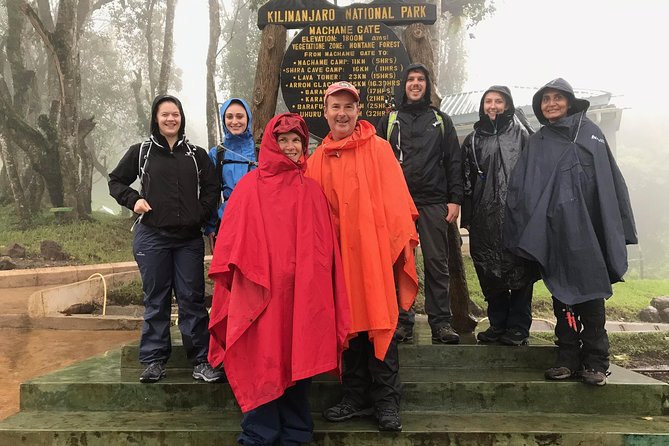
- Lemosho’s acclimatization philosophy: designed to let you adjust to altitude before the more crowded summit push on the common Barafu route
- Small group limit (max 10): easier pacing, less crowd energy, and smoother organization on the trail
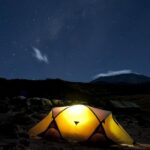
- Camp comfort details that aren’t fluff: 4-season tents, sleeping mattress, and mess tents with table and chairs
- Safety gear included: emergency first-aid kit plus an oxygen tank and an ox meter
- All the big trail costs are covered: park entry, camping fees, and team Kilimanjaro Rescue fees
- Moshi hotel nights before you climb: two nights of hotel accommodation to help you settle in
Why the Lemosho route matters for your altitude plan
Kilimanjaro is not just about willpower. It’s about how you manage altitude, and the Lemosho route is designed around that. The classic logic is simple: start on a quieter, scenic stretch (including lush rainforest early on) and use the time walking across the wilderness of the Shira Plateau to get your body used to thinner air. Then, the route links into the busier Barafu corridor when it’s time to go for the summit.
This matters even more on a shorter trek like this 2-day experience. You may not have the same number of days as longer Lemosho itineraries, but the core idea still shows up in how the trip is structured—more emphasis on getting acclimatization underway early, rather than trying to brute-force your way upward.
If you’re the type who likes clear reasoning behind the itinerary, you’ll appreciate this: the route isn’t chosen only for views. It’s chosen because pacing and time at altitude are a big part of the game.
You can also read our reviews of more tours and experiences in Moshi.
Moshi basecamp life: the part that saves your mood (and your legs)
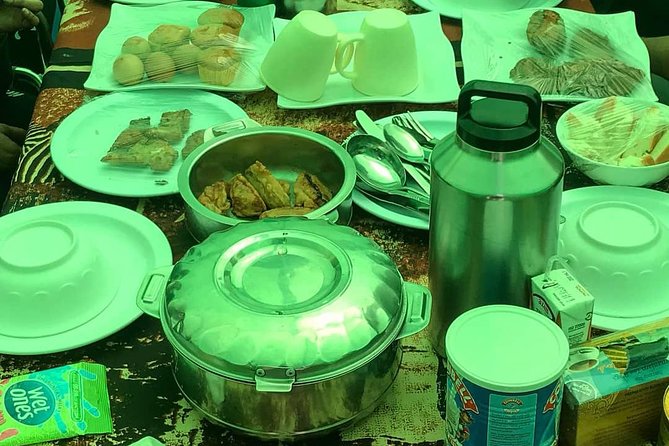
You’re based in Moshi, Tanzania, and you get two nights of hotel accommodation included. That’s more than a nice perk—it’s the runway you need before the mountain starts chewing up your routine. Kilimanjaro prep is physical, logistical, and mental. Having a comfortable start city gives you a chance to do laundry, hydrate, and sleep without trekking for hours just to reach the trailhead.
The trip also includes overland transfers to Kilimanjaro International Airport, so you’re not scrambling on departure day. If you’ve ever taken a last-minute “we’ll figure it out” transport arrangement in a new country, you’ll know why this feels like good value.
One more detail I appreciate: the meeting time is 8:00 am, and the meeting point is described as near public transportation. That usually means you’re not stuck on some remote roadside with zero way to reach the start if plans shift.
Day 1 in Kilimanjaro National Park: settling in the right way
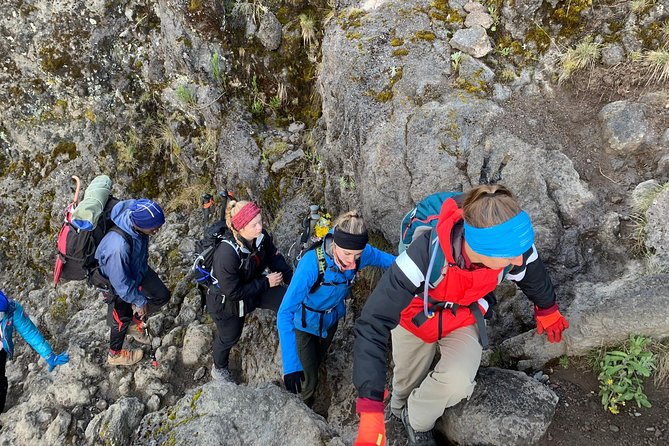
Day 1 is scheduled around Kilimanjaro National Park, with an admission ticket free note and about 8 hours on the trail. Even though the schedule here is short, Day 1 is where your body starts learning the new rules: breathing changes, effort feels different, and rest moments become more important than you expect.
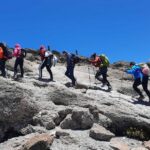
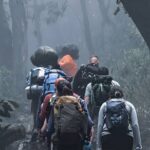
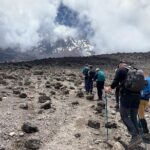
This is also where the Lemosho approach earns its reputation. Lemosho’s early sections are known for lush rainforest and wilderness feel—less crowded energy than some of the more direct routes. On a climb with limited days, that “start calmer” feeling can make a real difference. You’re better able to keep your pace steady when you’re not constantly dodging slower groups or speeding up because the trail is packed.
Practical tip: wear what you can stay comfortable in for a long, steady hour-by-hour effort. On Kilimanjaro, your comfort setup matters as much as your hiking strength.
Day 2 on Mount Kilimanjaro: making the altitude count
Day 2 is focused on Mount Kilimanjaro, again with about 8 hours on the schedule and park admission included. This is the day where altitude pressure can turn a “normal hike” into a test of breathing and patience.
Here’s why I think the Lemosho logic is still relevant even in a 2-day format: the route is built around giving you time to adjust before the summit push that often runs along busier corridors. Even if your exact walking days on Shira Plateau and the eventual link to Barafu don’t match a full-length Lemosho plan, the itinerary philosophy stays the same—help your body acclimatize early, then press when you’re more ready.
Gear note from the included items: you’ll have support for the mountain nights (more on that next), and the trip includes an oxygen tank and an ox meter, plus an emergency first-aid kit. That doesn’t remove the mountain’s danger, but it does mean the team shows preparedness as part of the package.
Camp comforts and included gear that actually help
Kilimanjaro camping can be miserable if the basics are wrong. This package avoids a lot of that with solid included details:
- 4-season mountain tents for weather protection
- Sleeping mattress (comfort here helps you wake up better)
- Quality mess tents with table and chairs (a real place to sit and eat, not just standing around)
- Hot water for washing (you’ll feel human again, even briefly)
- Enough treated & filtered drinking water throughout the trek
- 3 hot meals daily while on the mountain
I also like that the included setup isn’t only about food. You get organization—where to eat, how to rest, and how to stay hydrated. That reduces stress, and stress at altitude is not your friend.
Other “hidden value” items: team Kilimanjaro Rescue fees and fair wages for the mountain crew as approved by KPAP. You’re not only paying for your own experience—you’re paying for the infrastructure that keeps experienced guides, cooks, and porters working safely and fairly.
Your support team: guides, cook, porters, and the real safety net
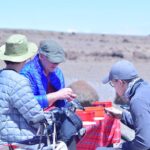
This trek is run by friendly and professional mountain guides, cook, and porters, plus team rescue fees included. On Kilimanjaro, the most important part of the company isn’t the marketing. It’s how well the team manages pace, hydration, and emergency readiness.
The feedback included names you might recognize. Some groups reported working with guides like Ole and Alfred, and others highlighted guides Pail and Jyroi. In one case, Mary (the manager) handled airport greetings and smooth coordination. Those details matter because they suggest the company has a functioning system, not just a random guide arriving at the last minute.
Safety gear included here is specific: an emergency first-aid kit, an oxygen tank, and an ox meter. That’s the kind of equipment that can become crucial if someone’s symptoms start worsening.
If you want to be extra smart, ask your guide in Moshi how they manage acclimatization in a shorter itinerary. You’re not looking for a speech—you’re looking for clear answers about pace, rest strategy, and what triggers a slowdown.
Price and value: what $2,700 buys you (and what it doesn’t)
At $2,700 per person for an approx. 2-day climb, this is not a budget excursion. The value comes from what’s included rather than the headline price.
Included costs you’d otherwise have to chase down:
- 2 night’s hotel accommodation in Moshi
- park entry fees
- camping fees
- team Kilimanjaro Rescue fees
- 4-season tents, mattress, and camp setup items
- three hot meals daily on the mountain
- treated and filtered water
- hot water for washing
- oxygen tank and ox meter
- VAT on tour fees & services
- overland transfers to Kilimanjaro International Airport
Excluded costs to plan for:
- Flights
- Visa
- Tips for porters, guide, cook, and assistant guide
- hotel meals other than breakfast
- non-essential extras like alcohol, beverages, cigarettes, snacks
So the real question becomes: are you okay letting the company handle the big moving pieces (and the big costs)? If yes, this can feel like good value because you’re buying structure, food, shelter, and safety gear—not just someone leading you up a trail.
If you’re the type who prefers to DIY everything, you may find you can build a cheaper version. But on Kilimanjaro, DIY can turn into hidden costs fast.
Who this short Lemosho-style Kilimanjaro trek suits best
This experience is a fit if you:
- want a Lemosho-based approach that’s known for acclimatization logic
- prefer a maximum group size of 10, so your day feels less chaotic
- like having hot meals, hot wash water, and a comfortable place to eat
- have moderate physical fitness and can handle a fast timeline
It may not be the best match if you’re:
- very new to altitude hiking and want lots of buffer days
- looking for a leisurely experience
- not prepared for the fact that 2 days on Kilimanjaro still means real effort and real risk management
Practical notes to keep your trip smooth
The trip includes mobile ticket and you’ll receive confirmation at booking. That’s helpful for keeping everything organized before you arrive.
Pickup is described as offered, and you’re starting at 8:00 am. Still, Kilimanjaro days have a way of starting early in reality, so I’d treat the morning as a strict schedule and plan to be ready before the official start time.
Also, remember the itinerary has camping fees and mountain logistics included, which means you’ll be living on the mountain for the climbing period. Pack with that in mind: layers for temperature swings, and anything you’ll need for long hours of steady walking.
Finally, this company lists free cancellation up to 24 hours in advance for a full refund. That gives you flexibility if plans change—just watch the local cutoff time.
Should you book this Kilimanjaro trek to the summit route?
If you want a structured Kilimanjaro climb with Lemosho’s acclimatization-minded approach, and you like the idea of small-group organization (max 10) plus serious included support (tents, hot meals, water, oxygen gear, rescue fees), I think this is a strong option.
It’s especially appealing if you’re traveling in a group that values coordination. Past experiences tied to this operator mention professionalism and good communication, including airport help from Mary and high satisfaction with guides like Ole, Alfred, Pail, and Jyroi.
My personal “don’t rush this decision” note: be honest about your fitness and your ability to handle altitude pressure in a 2-day format. If you’re unsure, consider whether you’d be happier with more acclimatization time before a summit push.
One more confidence boost: the supplied data shows 100% recommended and a 5/5 rating across 12 reviews. That doesn’t remove risk on Kilimanjaro, but it does suggest consistent service.
FAQ
How long is the Kilimanjaro trek?
The trek is listed as approximately 2 days.
Where is the trek based, and when does it start?
The location is Moshi, Tanzania, and the start time is 8:00 am. The meeting point is described as near public transportation.
What’s the maximum group size?
This experience has a maximum of 10 travelers.
Is pickup included and do you get a mobile ticket?
Pickup is offered, and the experience includes a mobile ticket. Confirmation is received at time of booking.
What is included in the price?
Included items are 2 nights hotel accommodation in Moshi, overland transfers to Kilimanjaro International Airport, park entry fees, camping fees, team Kilimanjaro Rescue fees, VAT on tour fees and services, 4-season mountain tents, guides/cook/porters, 3 hot meals daily while on the mountain, treated and filtered drinking water, hot water for washing, fair wages for the mountain crew as approved by KPAP, ox meter & oxygen tank, quality mess tents with table and chairs, an emergency first-aid kit, and a sleeping mattress.
What is not included?
Not included: flights, visa, tips for porters and the guide team, meals other than breakfast during hotel time, and non-essential items like alcohol, beverages, cigarettes, and snacks.
Is a moderate fitness level required?
Yes. The listing says you should have a moderate physical fitness level.
Can I cancel for a full refund?
Yes. You can cancel for a full refund if you cancel at least 24 hours before the experience start time.
If you’d like, tell me your age range, current hiking level, and whether you’ve been at altitude before. I can help you sanity-check if a 2-day Kilimanjaro timeline feels realistic for your body.