REVIEW · MOUNT ETNA
Mount Etna: Trek to the Craters of The 2002 Eruption
Book on GetYourGuide →Operated by GRUPPO GUIDE ETNA NORD di RAGONESE BIAGIO & C sas · Bookable on GetYourGuide
You can still feel the 2002 eruption. This easy guided walk up Mount Etna takes you onto the eruptive fault from October 27, 2002, then shows how volcanoes shape the land in real time.
I love the hands-on geology here: you’re not just looking at rock, you’re standing on the hardened lava flow and tracing the story of the eruption along the fault.
What I really enjoyed was the combination of science and scenery. I love the way the guide explains volcanic eruptions and what you’re seeing, and I also love the payoff at the top with craters and sweeping views over the Bay of Naxos and the Calabrian coast.
One thing to plan around: it’s not suitable for people with vertigo (and it’s also not for pregnant women or people with mobility impairments).
In This Review
- Key highlights that make this Etna trek worth it
- Mount Etna’s 2002 eruption fault: what you’re really walking on
- Piano Provenzana meet-up: how the tour starts
- The guided trek on Etna’s northern flank: lava, cones, and fault lines
- Crater-and-coast views: Bay of Naxos and Calabria from above
- Etna beyond the eruption: mythology, UNESCO status, and local farming
- What to bring for a 2.5-hour Etna hike (and what to skip)
- Guide-led learning in English, French, and Italian
- Difficulty, fitness, and who should consider booking
- Price and value: is $39.86 worth it?
- Stop-by-stop feel: what happens from start to finish
- Should you book this Mount Etna crater trek?
- FAQ
- How long is the Mount Etna trek to the 2002 craters?
- Where do I meet the guide?
- What difficulty level is it?
- What languages are offered for the live guide?
- What should I bring, and what is not allowed?
- Is this tour suitable for everyone?
Key highlights that make this Etna trek worth it
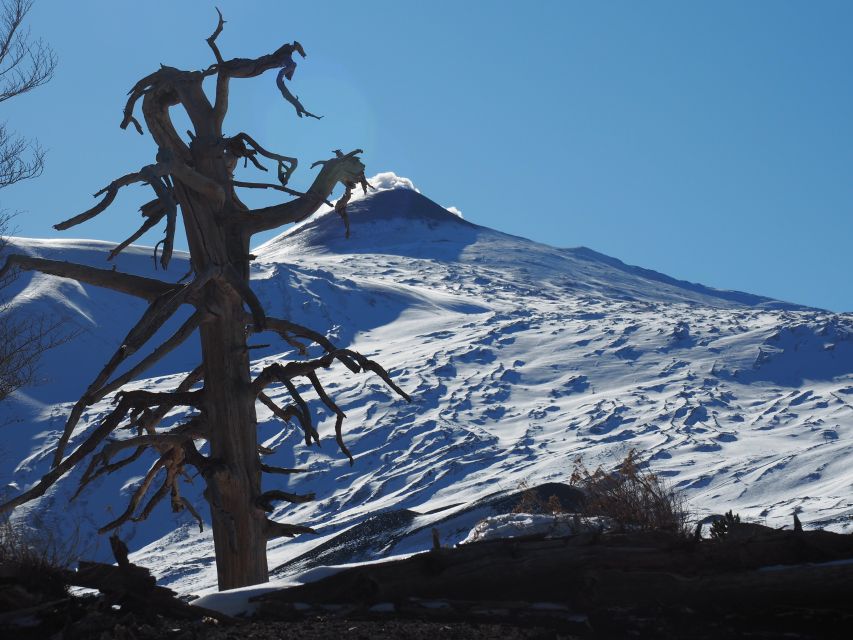
- Walk the eruptive fault from the so-called perfect eruption (2002) on Etna’s northern flank
- See lateral cones formed by strong blasts of gas and rock fragments
- Peer into impressive craters along the route
- Take in Bay of Naxos and the Calabrian coast views from the higher points
- Tour guide quality is a big deal here, with a 4.9/5 rating from 9 reviews
Mount Etna’s 2002 eruption fault: what you’re really walking on
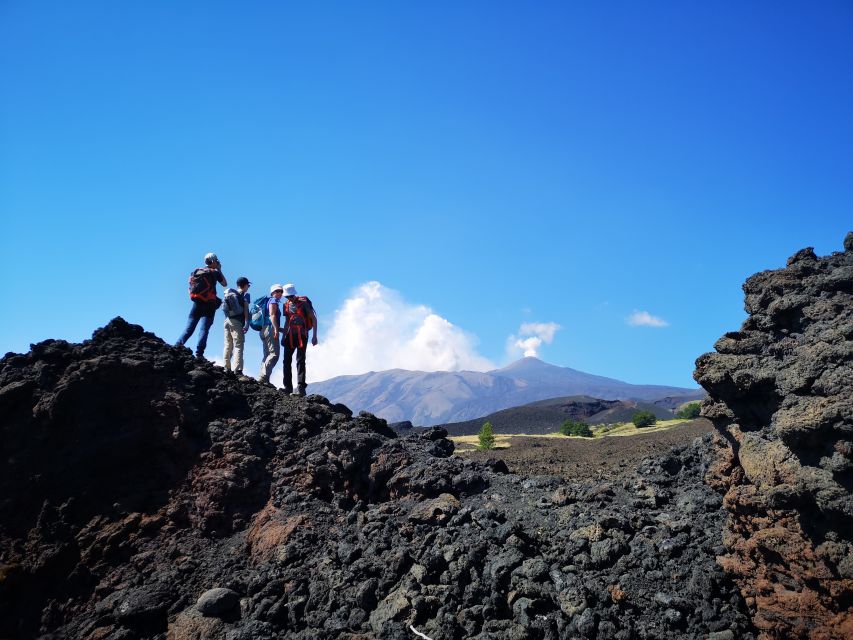
This trek is all about one event: the dawn eruption on October 27, 2002, often called the perfect eruption. Instead of a vague volcano viewpoint, you get to walk along the eruptive fault on Etna’s northern flank and watch the terrain explain itself.
You’ll be stepping across hardened lava rock formations. And because the route is built around what happened in 2002, the scenery doubles as a geology lesson—rock shapes you can actually trace to eruption energy and direction.
If you like travel with a purpose, this fits. You get answers you can point to: why certain cones exist, why craters look the way they do, and how a volcano can keep affecting daily life around it.
You can also read our reviews of more tours and experiences in Mount Etna.
Piano Provenzana meet-up: how the tour starts
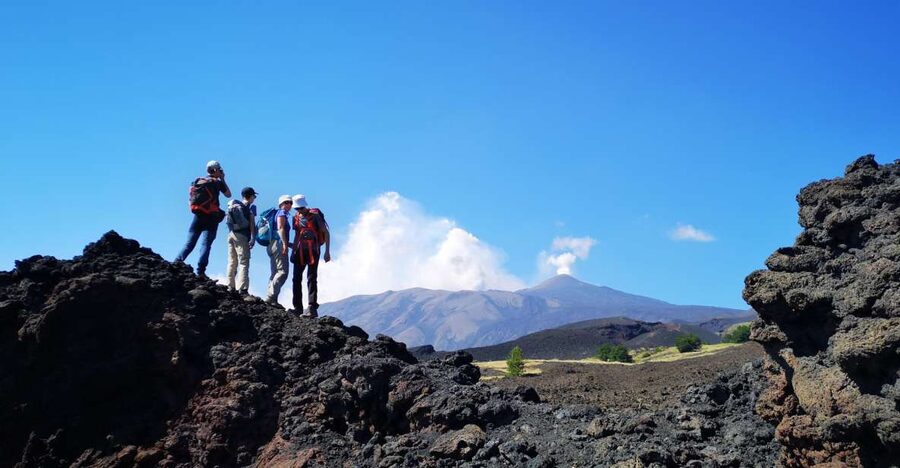
You’ll start at Piano Provenzana. The meeting point is in the first parking area at the wooden house marked with the sign Gruppo Guide Etna Nord. That matters more than people think, because volcano tours run on tight timing and you want to be in the right spot before your guide starts herding everyone toward the trail.
Once you meet your guide, you’ll shift from visitor mode to walker mode fast. The tour is designed for an easy trek, and the experience follows that pace. Still, it’s outdoors on volcanic ground, so comfortable shoes matter.
Expect the walk to last about 2.5 hours, but the exact timing can stretch or shrink based on the group’s rhythm. That’s normal on Etna. It’s also why arriving prepared (water, layers, proper footwear) makes the experience smoother.
The guided trek on Etna’s northern flank: lava, cones, and fault lines
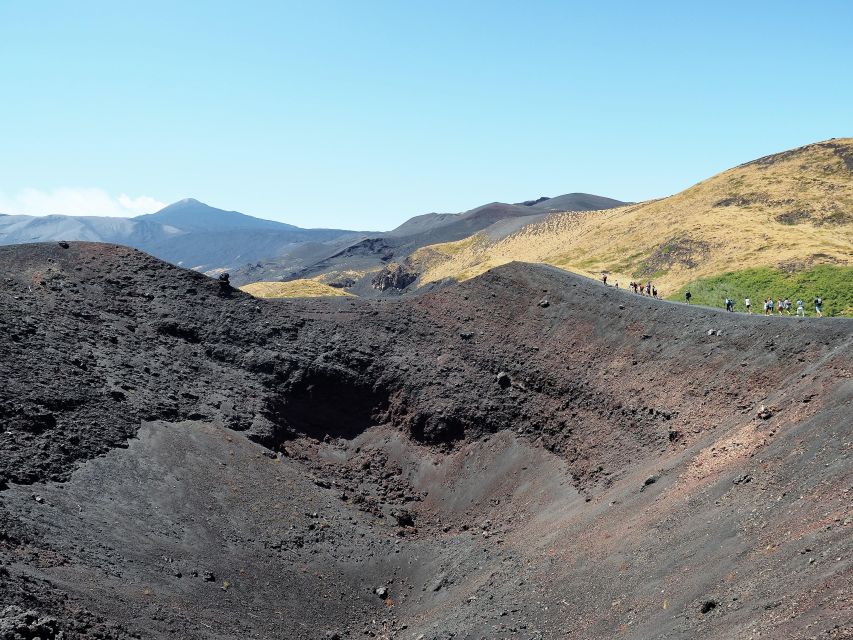
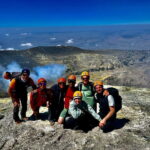
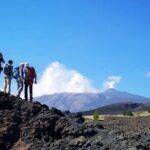
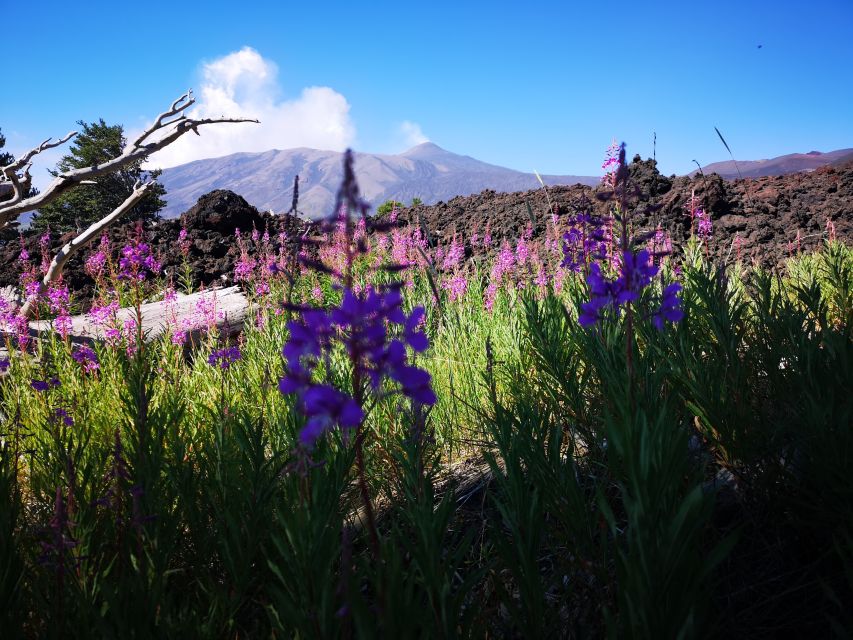
The main event is the guided walk along the eruptive fault on Etna’s northern flank. You’ll set out on a trail that runs right alongside the fault line linked to the 2002 eruption. This is where the tour earns its name: you’re seeing the evidence where it formed.
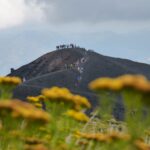
You’ll learn how eruptions build features. As you walk, your guide points out lateral cones created by strong explosions of gas and rock fragments along the fault. That detail makes the landscape feel less random. Instead of a pile of weird shapes, you start recognizing patterns tied to eruption mechanics.
Then you’ll peer into impressive craters. The exact view depends on where your group is at a given moment, but the idea stays the same: you’re getting close enough to understand what you’re looking at, while still staying on the safe side of the trail.
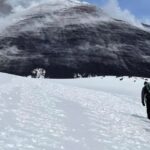
One small reality check: this is described as an easy trek, but you should still treat the ground with respect. Hardened lava can look rock-solid, yet footing can be irregular. If you’re the kind of person who hates slipping on uneven ground, wear shoes you trust and keep an eye on where you step.
Crater-and-coast views: Bay of Naxos and Calabria from above
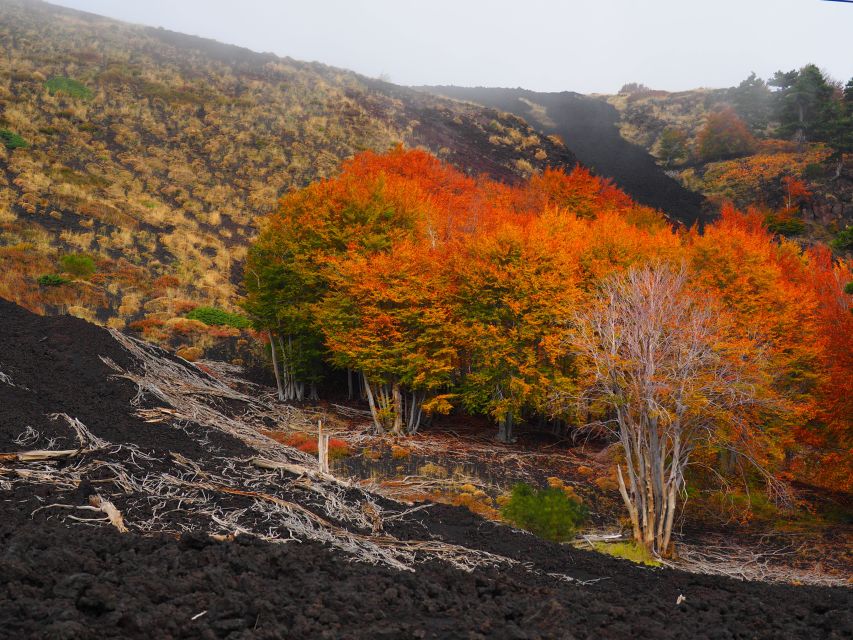
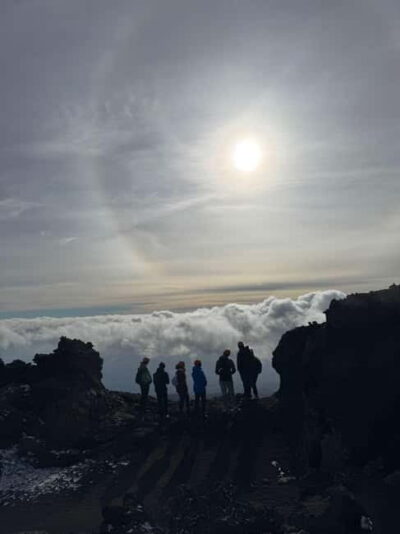
After the science part of the walk, you get a scenic reward. From higher points, you’ll take in stunning views of the Bay of Naxos and the Calabrian coast.
This is the kind of view that makes you understand why Etna stays so central to local life. The volcano isn’t just a faraway mountain in the background. It shapes weather, routes, and agriculture—then you see the region spread out under you.
I also like that the viewpoints feel earned. You earn them by walking along the fault and paying attention to the geology, so the scenery isn’t just something you passively watch while someone talks. It’s connected.
Etna beyond the eruption: mythology, UNESCO status, and local farming
This tour isn’t only about 2002. You’ll also learn about the history of Mount Etna and its impact on the region. The mountain is described as a significant site in Greek mythology, and it’s also UNESCO World Heritage-listed.
That context matters. When you hear myths tied to earthquakes, smoke, and fire, you can understand why Etna has always been more than a natural landmark. It’s been part of how people explain the world long before modern geology existed.
You’ll also hear how the volcano still plays a major role in regional lifestyles, especially because the area’s fertile soils support extensive local agriculture. That’s not a random add-on. It’s a reminder that living with a volcano isn’t only fear. It can also mean workable land and food from it.
What to bring for a 2.5-hour Etna hike (and what to skip)
The tour has a clear packing list, and following it will keep you comfortable even if conditions shift. Here’s what you should bring:
- Comfortable shoes (no exceptions; you’ll be walking on lava rock terrain)
- Sunglasses
- Sun hat
- Water
- Jacket
- Rain gear
You also need to follow the simple rule: no sandals or flip flops. That’s not just about comfort. It’s about traction and safety on volcanic ground.
If you run hot easily, bring a jacket anyway. Etna’s weather can change and even an easy trek can feel different depending on wind and cloud cover.
Guide-led learning in English, French, and Italian
A big reason this tour scores so well is the human element: you get a live guide and learning that feels tied to what’s on the ground. The tour includes an official English and French-speaking guide, and the activity states the guide is available in Italian, French, and English.
If you’ve ever been on a tour where someone reads facts from a card, you’ll appreciate this setup more. The information here is meant to match the route—eruption geology, what those lateral cones mean, and why craters matter. That makes the walk feel organized, not random.
There’s also something reassuring about choosing a tour with strong feedback. With a 4.9 rating from 9 reviews, the standout theme in the rating data is the guide experience—especially the idea that the activity works well for families and stays top-notch.
Difficulty, fitness, and who should consider booking
The trek is listed as easy, and the time commitment is about 2.5 hours. That makes it a good option if you want a meaningful Etna experience without committing to a full-day hike.
This is a good fit for:
- People who can handle walking outdoors for a couple of hours
- Travelers who like geology explanations paired with real views
- Families looking for a guided experience that stays manageable in length
It’s not suitable for:
- Pregnant women
- People with mobility impairments
- People with vertigo
If any of those apply, skip this specific trek and look for a different Etna option that matches your needs.
Price and value: is $39.86 worth it?
At $39.86 per person, this isn’t a bargain tour, but it also isn’t priced like a private expedition. The value comes from what’s included: a guided tour plus an official English and French-speaking guide.
You’re paying for two things you can’t easily replicate on your own:
1) A route that’s designed around the 2002 eruptive fault and what you’ll see there
2) Interpretation of the geology—how the eruption produced the features you’re walking past, like lateral cones and crater formations
The tour also lasts long enough to feel substantial. Two and a half hours is enough time to walk, stop, listen, and enjoy the views over Naxos and Calabria without rushing.
Food and drinks are not included, so budget a small extra amount for water you might want beyond what you bring. But the core experience is guided and structured, and that’s where the price makes sense.
Stop-by-stop feel: what happens from start to finish
You’ll begin at the meeting point by Piano Provenzana, then head out with your guide for the guided walk. The core time is spent trekking along the eruptive fault on Etna’s northern flank and pausing to look at key geology features.
Along the way, you’ll check out:
- Hardened lava flow you’re walking across
- Lateral cones linked to gas and rock blasts
- Craters you can peer into
- Wide views toward the Bay of Naxos and the Calabrian coast
Near the end, you return back to Piano Provenzana, ending at the same meeting point. The loop-style structure keeps it simple. You’re not navigating transfers or guessing where to go next. You show up, walk with the guide, and finish where you started.
Should you book this Mount Etna crater trek?
I’d book it if you want a guided, easy-ish Etna experience with real geology built into the route. You’ll get the connection between a specific event (the 2002 eruption) and the shapes it left behind—plus big views over Naxos and Calabria.
Skip it if you have vertigo, mobility limitations, or you’re pregnant. Also, take the footwear and weather prep seriously. Even an easy walk on a volcano deserves respect.
If those points work for you, this is a smart way to see Mount Etna without turning your day into a logistics puzzle—just show up at the Gruppo Guide Etna Nord meeting point, bring water and rain gear, and let the mountain’s 2002 story unfold one crater and lava patch at a time.
FAQ
How long is the Mount Etna trek to the 2002 craters?
The tour lasts about 2.5 hours. The exact timing can vary depending on the rhythm of the group.
Where do I meet the guide?
You meet at the first parking area at the wooden house with the sign Gruppo Guide Etna Nord, in the Piano Provenzana area. The tour ends back at the same meeting point.
What difficulty level is it?
The trek is listed as easy.
What languages are offered for the live guide?
The live guide is available in Italian, French, and English.
What should I bring, and what is not allowed?
Bring comfortable shoes, sunglasses, a sun hat, water, a jacket, and rain gear. Sandals or flip flops are not allowed.
Is this tour suitable for everyone?
No. It is not suitable for pregnant women, people with mobility impairments, or people with vertigo.