REVIEW · POKHARA
Private 4 – Day Poon Hill Trekking
Book on Viator →Operated by Nepal Alternative Treks & Expeditions Pvt. Ltd. · Bookable on Viator
One early morning can change how you see the Annapurnas. This private 4-day Poon Hill trek is built around a less common route to help you get away from road noise and crush-crowds, while a local guide steers you toward quieter villages and stories you’d likely miss on the usual trail. I like that the plan also includes Poon Hill sunrise as the centerpiece, not as an afterthought.
What I like even more is how much care goes into the “getting there” part. You get pickup around Lakeside, permits handled through ACAP and required paperwork, and lodge accommodation plus meals during the trek—so you’re not playing logistics bingo in Nepal. The possible trade-off: the Poon Hill views are weather-dependent, so if clouds roll in, expect a slower, still-beautiful day rather than guaranteed peak photos.
In This Review
- Key Highlights You’ll Feel on the Trail
- A Quieter Poon Hill Trek: Why the Alternative Route Matters
- Price and Logistics: What $350 Buys (and What It Doesn’t)
- Where You Start in Pokhara: The 8:15 am Lakeside Meeting Point
- Day 1: Ulleri Views First, Then the Jeep-and-Steps Rhythm to Banthanti
- Day 2: Ghorepani at 2,874m and the Magar Village Feel
- Day 3: Poon Hill Sunrise (With a Weather Reality Check), Then Tadapani via Rhododendron
- Day 4: Ghandruk Gurung Culture, the Gurung Museum, and Back to Pokhara
- Guides and Team Vibes: The Human Part That Makes It Feel Smooth
- Lodges, Meals, and Comfort: Enough Basics to Keep You Moving
- Getting the Most from Your Trek: Pacing, Timing, and Packing Mindset
- Should You Book This Private 4-Day Poon Hill Trek?
- FAQ
- Where does the trek start?
- What time does the trek start?
- How long is the trek?
- Is this a private tour?
- How much does the private 4-day trek cost?
- What’s included for the guide and porter?
- Are trekking permits included?
- What meals are included during the trek?
- Where do you stay during the trek?
- Is travel insurance included, and what about cancellation?
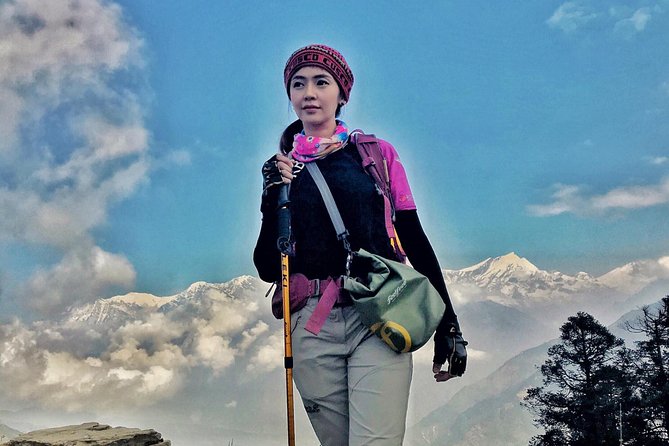
Key Highlights You’ll Feel on the Trail
- Alternative route aimed at avoiding road sections and common crowd-heavy timing
- Poon Hill (3,193m) sunrise with a return back to Ghorepani for breakfast
- Ghorepani’s Magar village setting at 2,874m with big mountain sightlines
- Rhododendron forest walking on the way to Tadapani through Deurali and Banthanti
- Ghandruk Gurung culture plus time for the Gurung Museum before your ride back
- Included support extras like a trekking map, water purification, and oxygen saturation monitoring mentioned in the package
A Quieter Poon Hill Trek: Why the Alternative Route Matters
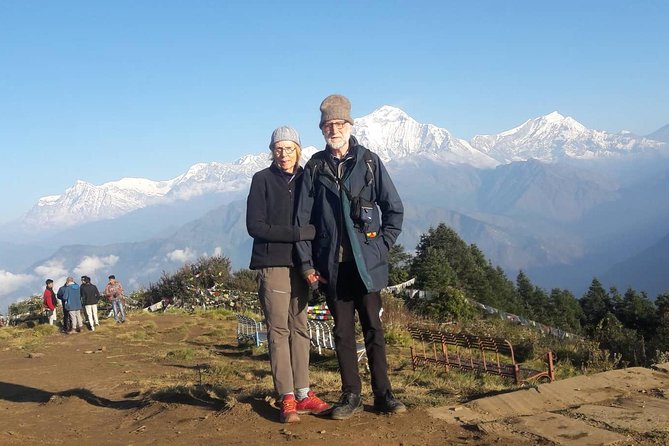
Most people pick Poon Hill because it’s famous—and famous usually means crowded at the worst times. What makes this trek appealing is the way it’s planned to avoid the standard feel. You’re told the itinerary was designed with alternative routes that aim to steer clear of road traffic, typical crowd bottlenecks, and the most overused segments.
In practical terms, that can mean a more relaxed pace when you’re walking through settlements and viewpoints. It also helps you spend more time on the “real” day-to-day Nepal mountain rhythm: terraces, village trails, and that in-between country where you can hear life around you—rather than just chasing the next photo angle.
You can also read our reviews of more tours and experiences in Pokhara.
Price and Logistics: What $350 Buys (and What It Doesn’t)
At $350 per person for a private 4-day trek, the value comes from what’s actually packed into the price. You’re not just paying for a guide and a route. The package includes:
- ACAP and necessary trekking permits
- A government registered guide and porter, plus their expenses
- Lodge accommodation during the trek
- Overland transport included as described (jeep drives on the way in and out)
- A trekking map, water purification, duffle bags, and oxygen saturation monitoring mentioned in inclusions
- A trekking completion certificate
- Emergency rescue evacuation assistance and public liability insurance
Meals are also covered during the trek: 3 breakfasts, 4 lunches, and 3 dinners. That matters because mountain food can add up, and you’ll want energy without negotiating menus every day.
Not included is the stuff that often surprises people:
- Hotel nights in Pokhara (and Kathmandu, if relevant)
- Travel insurance
- Drinks like tea/coffee, alcohol, device charging, and hot showers (these can vary lodge to lodge)
- Tips for guide and porters
One more practical note: the trek ends back at the meeting point in Pokhara, with an evening option to explore Lakeside.
Where You Start in Pokhara: The 8:15 am Lakeside Meeting Point
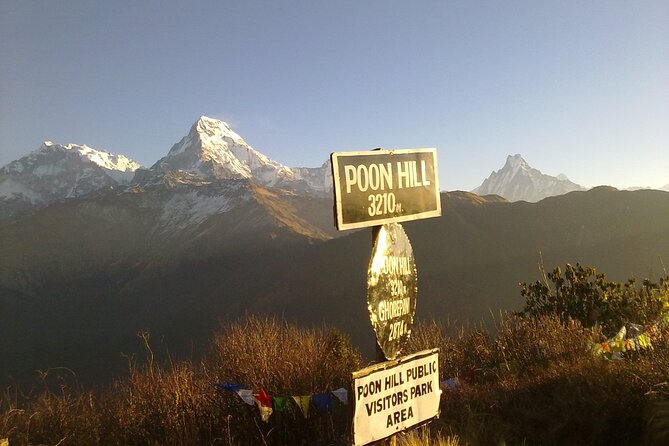
Your day begins at Pokhara Lakeside (meeting point near 6X84+3JQ, Lakeside Rd). Start time is 8:15 am, and the listing notes you’ll be near public transportation, with pickup offered.
Why this matters: Pokhara traffic and timing can be unpredictable, so having a confirmed start time helps you plan breakfast and avoid a rushed morning. Also, starting from Lakeside makes it easier to handle your pre-trek night and settle in without extra hotel shuttles.
Day 1: Ulleri Views First, Then the Jeep-and-Steps Rhythm to Banthanti
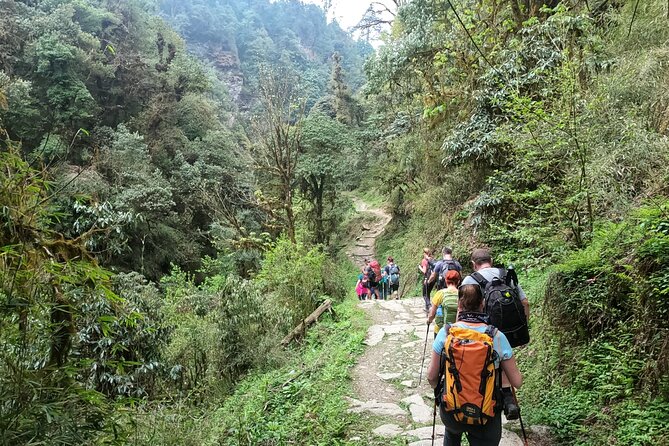
Day 1 has two moods: mountain beauty right away, then “put your legs to work.”
You begin with breakfast positioned for views of Annapurna I (8,091m) and Mt. Machhapuchhre (6,997m). After that, you prepare for the trek and head out on about a 2-hour jeep drive along the Baglung Highway toward Hile.
When you get out and start walking, the trail tracks the rhythm of the region:
- Terraced fields and a gradual transition into village paths
- A walk that connects areas like Hile and Tirkhedhunga
- A steep climb toward Ulleri
- Lunch in Ulleri, followed by about an hour walk onward to Banthanti
Overnight is in Banthanti.
What to consider: Day 1 includes a steep section. Even if your overall hike level is fine, the first day can feel sharp because you’re fresh and your body is still adjusting to the walking rhythm and altitude. Go slow on the climb. Short steps beat hero mode.
Day 2: Ghorepani at 2,874m and the Magar Village Feel
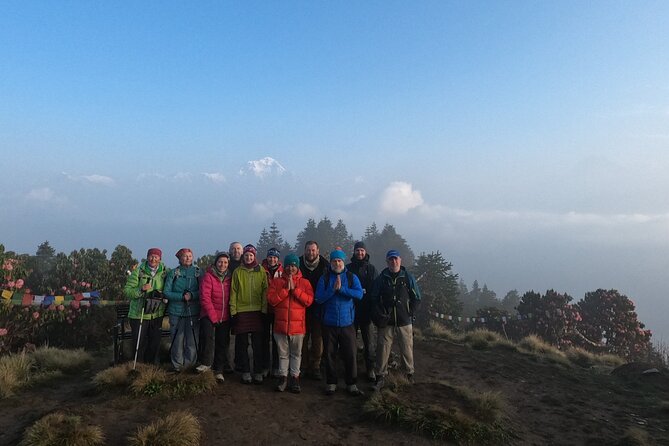
On Day 2 you move from Banthanti toward Ghorepani. This is where the trail begins to lean into classic Annpurna-region trekking style—stone steps and steady uphill effort.
The walk includes:
- Climbing stone steps starting from Banthanti
- A rise toward Nangethanti
- Arriving at Ghorepani at 2,874 meters
Ghorepani stands out because it’s described as a Magar village, not just a stopover town. It also has strong sightlines—especially toward Dhaulagiri, Nilgiri, and the Annapurna massif.
Overnight is in Ghorepani.
The practical benefit of this setup is that you’re not only hiking toward the big sunrise day. You’re also building comfort in the village setting—easier meals, familiar lodge routines, and a place to sleep well before the early start the next morning.
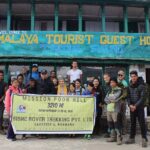
Day 3: Poon Hill Sunrise (With a Weather Reality Check), Then Tadapani via Rhododendron
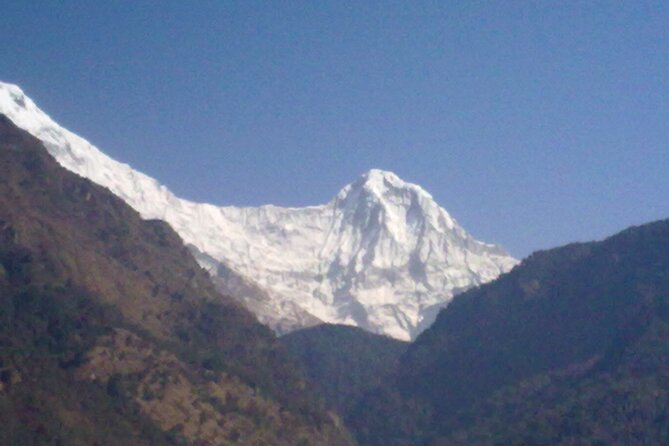
Day 3 is the headline: Poon Hill.
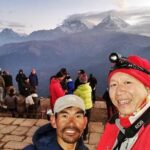
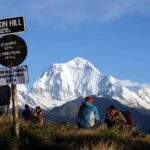
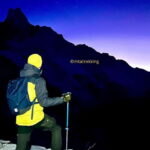
You start early for the walk to the famous viewpoint at 3,193m. The trail is described as about an hour-long walk from Ghorepani to the view tower area. The plan centers on sunrise—then you retrace your path back to Ghorepani afterward.
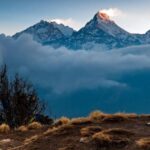
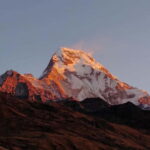
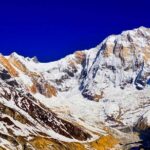
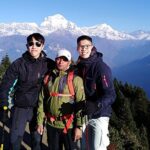
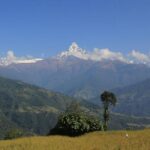
From the viewpoint, you’re set up for panoramic views of the Annapurna range, Machhapuchhre, Nilgiri, Himalchuli, and Dhaulagiri.
Here’s the balanced part: clouds can block Poon Hill views. One common disappointment I’d plan for is that you might not get the crisp postcard horizon, even when you do everything right. Still, the morning air, the early village quiet, and the mountain silhouettes (or even partial views) can be worth it for many people.
After breakfast back in Ghorepani, the trek continues to Tadapani. This is a long, scenic shift:
- Climb northeast toward Tadapani
- Walk past rhododendron forests
- Pass through areas like Deurali and Banthanti
- Reach Tadapani for the overnight
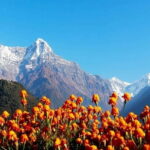
The description flags the rhododendron section as a key nature moment. If you like forest walking over just open-sky viewpoints, this is your day.
Day 4: Ghandruk Gurung Culture, the Gurung Museum, and Back to Pokhara
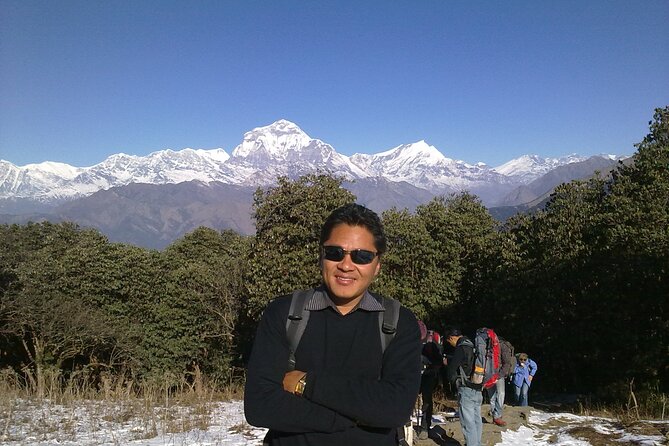
Day 4 brings a change in energy: less sunrise urgency, more cultural focus.
After breakfast in Tadapani, you trek to Ghandruk, another well-known village in the Annapurna region. The trek is described as a route that includes a segment with time to settle in and enjoy the village once you arrive.
In Ghandruk, you:
- Have lunch in the village
- Visit the Gurung Museum
- Take in village views with Annapurna (8,091m) and Machhapuchhre (6,997m) as backdrops
Then the day shifts to transport. You take a jeep back to Pokhara, with overnight in Pokhara. There’s also time to explore, especially around Lakeside in the evening.
What I like about ending in Pokhara is the decompression. A 4-day trek can be surprisingly intense in the legs, even when the days aren’t long. Having a clear return point means you can plan a real meal and a rest day without guessing.
Guides and Team Vibes: The Human Part That Makes It Feel Smooth
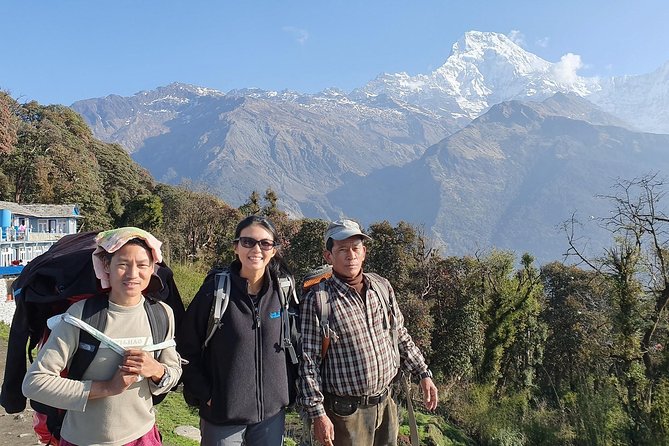
This kind of trek lives or dies on the people running it. The package includes a government registered guide and porter, and the emphasis from the experience is very much on care and smooth organization.
From the team names connected to the trek:
- Tej shows up as the organizer/manager type in the background
- Guides like Amar, Dhan, and Ritika are mentioned
- Porters such as Sanjay are called out
That matters because the “private” aspect isn’t just about who’s in the group. It’s about flexibility and communication—help getting through permits, transport timing, lodge arrangements, and pacing.
If you’re the type who wants a clear plan but also appreciates being able to ask questions on the trail, this setup tends to work well. And if you’re nervous about your first Himalaya trek, having a team that treats you like a person (not just a booking) can reduce stress fast.
Lodges, Meals, and Comfort: Enough Basics to Keep You Moving
Lodge standards vary in Nepal, but what’s clearly included here is the structure:
- All lodge accommodation during the trek
- Breakfast, lunch, and dinner during trekking days
- Water purification included, so you’re not left figuring out safe drinking on the spot
Device charging, hot showers, and drinks aren’t included, so if you care about those comforts, plan to handle them directly with lodges along the way. That’s not a dealbreaker. It just helps you pack and charge smart at the start.
Another included item I pay attention to is the mention of oxygen saturation monitoring. Even if you’re feeling fine, it can be reassuring to have altitude-related monitoring in your package.
Getting the Most from Your Trek: Pacing, Timing, and Packing Mindset
A short 4-day trek to Poon Hill can feel intense because the best viewpoint comes with an early start. My advice is simple:
- Treat the first day and the step-heavy day as conditioning, not a competition.
- When it’s time to move uphill, shorten your stride and breathe steadily.
- Build a habit of drinking water regularly, especially with physical effort and altitude exposure.
For the viewpoint outcome, I’d keep expectations flexible. If sunrise is cloudy, you still get:
- early-morning mountain atmosphere
- steady village trekking
- forest walking through rhododendron-covered sections
- cultural time in Ghandruk
That’s not consolation; it’s the actual point of going beyond just one peak shot.
Should You Book This Private 4-Day Poon Hill Trek?
You should book it if you want:
- a private experience with guide and porter included
- an alternative route approach aimed at avoiding road noise and common crowd timing
- the Poon Hill sunrise moment, plus a broader mix of villages, forests, and culture
- a package that handles permits, lodge stays, and most trekking-day meals for a clear cost
Skip or think twice if:
- you need guaranteed clear skies for Poon Hill photos (weather can interfere)
- you dislike early starts and steep sections like stone steps and uphill climbs
If you’re choosing your first Nepal trek and want a well-supported route that still feels authentic, this one has a lot going for it. The combination of Poon Hill + Ghorepani village life + rhododendron walking + Ghandruk Gurung culture gives you more than a checkbox trek. It gives you a full mountain story arc in only four days.
FAQ
Where does the trek start?
The trek starts at Pokhara Lakeside, near 6X84+3JQ on Lakeside Rd, Pokhara 33700, Nepal.
What time does the trek start?
Start time is 8:15 am.
How long is the trek?
It’s listed as approximately 4 days.
Is this a private tour?
Yes. It’s a private tour/activity, and only your group participates.
How much does the private 4-day trek cost?
The price is $350.00 per person.
What’s included for the guide and porter?
A government registered guide and porter are included, along with their expenses.
Are trekking permits included?
Yes. The package includes ACAP and necessary permits.
What meals are included during the trek?
Breakfast is included for 3 days, lunch for 4 days, and dinner for 3 days.
Where do you stay during the trek?
You stay in lodges during the trek, and lodge accommodation is included.
Is travel insurance included, and what about cancellation?
Travel insurance is not included. Cancellation is free, and you can cancel up to 24 hours in advance for a full refund. If you cancel within 24 hours, the amount paid is not refunded.
![Private Seoul Wall Trekking [Inwangsan, Bugaksan, Naksan Park, N-Seoul Tower] - Inwangsan: Where the City Looks Big and You Earn It](https://8.trekkingtravelguide.com/wp-content/uploads/private-seoul-wall-trekking-inwangsan-bugaksan-naksan-park-n-seoul-tower-400x267.jpg)