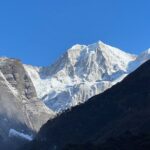
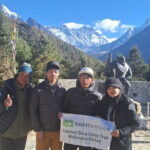
A steep-looking map turns into real magic on this trek. Annapurna Base Camp is the big finish, but the route there is what keeps you interested: village walks, rhododendron forests, and sunrise viewpoints that feel earned.
I love the way this trip bundles Poon Hill sunrise with the full ABC climb, so you get more than one wow moment. I also like the practical logistics: hotel pickup/drop-off, transfers to the trek start, and a guide who handles the route and day-to-day decisions in English.
One consideration: this is basic teahouse accommodation. Expect cold nights, simple rooms, and toilets/bathrooms outside, so pack for comfort in the cold, not for luxury.
In This Review
- Key things I’d zero in on before you go
- Annapurna Base Camp Trek with Poon Hill: what you really get in 9 days
- Price and value: what $835 covers (and what you’ll pay for yourself)
- Getting started: Kathmandu, Pokhara, and the hill-journey vibe
- Ulleri to Ghorepani: your first taste of altitude and rhododendron country
- Poon Hill sunrise and the shift toward Tadapani
- Chhomrong, Sinuwa, and Deurali: the “up and down” day and the river-trail recovery
- Reaching Annapurna Base Camp: sunset, sunrise, and staying smart at 4,310m
- Jhinu Danda hot springs: the recovery day that turns relief into a ritual
- Day 9: the ride back to Pokhara and the gentle crash afterward
- Teahouse comfort: what basic lodging feels like in practice
- Food and timing: how included meals shape your stamina
- Your guide and support: what to expect when things get real
- Who should choose this ABC trek, and who might not love it
- Should you book Annapurna Base Camp Trek with this operator?
- FAQ
- Where does this Annapurna Base Camp Trek operate?
- How long is the Annapurna Base Camp Trek?
- What is the price per person?
- Is pickup and drop-off included?
- What transfers are included?
- What kind of accommodation do you stay in?
- Are meals included?
- Are drinks or bottled water included?
- Do you have a guide, and is the guide included in the cost?
- What should I bring and wear for cold conditions?
- Is cancellation free?
Key things I’d zero in on before you go
- Poon Hill sunrise built into the route: it sets the tone early, then you keep climbing toward Annapurna
- Rhododendron forest day: especially beautiful in spring when blossoms cover the hillsides
- Altitude realities at 4,310m: ABC is high, so pace and warmth matter
- Hot springs recovery at Jhinu Danda: a welcome reset after Base Camp
- Guide-led, organized pacing: English-speaking support helps you stay focused on the trail
Annapurna Base Camp Trek with Poon Hill: what you really get in 9 days
This Annapurna Base Camp Trek is built like a classic Himalayan “slow climb” with a few smart breaks. You start in the hills around Ulleri, work your way through Gurung and Pun-influenced village landscapes, and then you push up to the base camp area at 4,310 meters. Along the way, you also get Ghorepani and Poon Hill, which means you’re not stuck waiting for the grand view on only the last days.
What makes it especially appealing is the mix of scenery and human scale. You’ll walk through terrace farmlands and then into thinner settlements as you climb. Forests and villages trade places as the elevation changes, so the trail never feels like a single long hallway. And you’ll spend real time in places where Nepali daily life keeps moving—people farming, carrying supplies, and living with the mountains as their everyday backdrop.
The route also includes a day where you’re mostly along the bank of the Modi River. That isn’t for everyone. If you hate trekking days without dramatic views, you might find that stretch mentally hard. If you’re okay treating it as a breather and a chance to watch river life and trail rhythms, it works.
You can also read our reviews of more tours and experiences in Kathmandu.
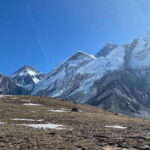
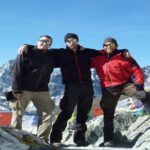
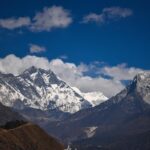
Price and value: what $835 covers (and what you’ll pay for yourself)
At $835 per person, this is not a bargain-basement trek, but it also isn’t inflated. The value comes from what’s included: guided trekking support, transportation tied to the route, and full board meals during the trekking days.
Here’s the practical breakdown of what your money buys:
- Guide: an English-speaking trekking guide, with the guide’s wages and travel-related costs handled
- Accommodation: basic teahouses on the trek (with outside toilets/bathrooms)
- Meals: lunch 9 times, breakfast 8 times, and dinner 8 times
- Key transfers: Pokhara to Hile and Jhinu back to Pokhara
- Support: emergency rescue assistance for evacuation/medication
What’s not included is also important. Beverages (cold drinks, bottled water, tea/coffee), personal snacks, and extras like wifi or hot showers are on you. And tips for the guide are expected. If you’re the kind of traveler who buys extra drinks at every stop, your real cost will climb.
Getting started: Kathmandu, Pokhara, and the hill-journey vibe
Even though the trek is in the Annapurna region, the operation is anchored in Kathmandu. You’ll have hotel pickup and drop-off, and then the trekking process connects through Pokhara.
This matters more than it sounds. The trek route starts after a drive from Pokhara. Your early uphill work isn’t one endless bus ride—there’s a mix of private jeep transfer and walking. On Day 1, the travel is split: first a private jeep segment until Hile, then a walk up to Ulleri. Total time is around 5 hours, ending with a check-in at a tea house.
That combo is a good rhythm for first-timers. You get your legs moving without wasting the whole day fighting transport. It also helps you settle into the tea-house cadence early, which is crucial if you want your body to adjust before the steeper sections.
Ulleri to Ghorepani: your first taste of altitude and rhododendron country
The first walking days are where you learn the trek’s personality. It isn’t just about mileage; it’s about constant small rises, switchbacks, and the way the air changes as you gain elevation.
From Ulleri you work toward Ghorepani, and this segment includes walking through rhododendron forest. If you’re traveling in spring, this can be a standout: the forests bloom and turn the trail into something visually softer than the typical rocky stair-stepping. Even if it’s not peak bloom season, it’s still a forest walk with that cool, shaded feeling that makes early climbs easier.
You’ll stop for lunch at a local restaurant along the way, then check in for the night in Ghorepani. Expect a tea-house sleep: basic room, a warm layer recommendation, and a bathroom setup that’s outside.
This is also where pacing pays off. If you treat the first days like a sprint, your breathing gets tight. If you slow down and keep your effort steady, the next viewpoints feel less stressful.
Poon Hill sunrise and the shift toward Tadapani
Poon Hill is one of the best “effort to payoff” viewpoints in Nepal. Here, you hike up early in the morning to catch sunrise. The point isn’t only the view—it’s the feeling of moving through cold morning air with other trekkers, then watching the light spread across the Annapurna range.
After sunrise, you head back down to Ghorepani for breakfast. That down-and-up cycle is common in Nepal treks, but it’s worth noticing: the breakfast timing helps you warm up and regain energy before the afternoon push.
Then you trek toward Tadapani. This is the day where the trek starts to feel more serious. You’re no longer just testing your legs—you’re building toward the higher sections. Pack layers you can peel off, especially after sunrise. Cold morning, warm afternoon is the pattern.
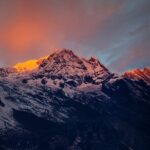
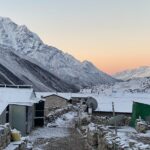
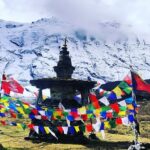
Chhomrong, Sinuwa, and Deurali: the “up and down” day and the river-trail recovery
Day 4 is described as full of ups and downs, and that’s exactly how it can feel on the ground. You hike down to Kimrong Khola, then up toward Chhomrong, and keep going further to Sinuwa. Chhomrong in particular is a name you’ll hear often on ABC-style routes because it sits in the zone where the trail steepens and the scenery begins to feel closer and sharper.
Then Day 5 changes the mood. Much of the walking is along the bank of the Modi River, and you may not see much mountain view that day. That doesn’t mean the day is wasted. River corridors can be easier on the nerves because you’re focused on footing, breath, and water rhythm rather than constantly scanning for peaks.
You finish the day at Deurali in a simple lodge. This is a good place to reset mentally: fewer big-picture distractions, more trail rhythm, and a chance to eat and recover before the push to Base Camp.
Reaching Annapurna Base Camp: sunset, sunrise, and staying smart at 4,310m
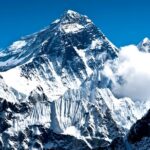
Day 6 is the big step. You walk to Annapurna Base Camp at 4,310 meters, then you get a sunset view and a night close to the Annapurna Himalayan ranges.
This is where your preparation matters. Your itinerary gives you a rhythm: gain elevation, arrive for sunset, sleep, then follow with sunrise the next morning. Even if you’re fit, altitude changes how you feel. Your steps might slow without you deciding to slow them down.
On Day 7, you’re up early again for sunrise from Annapurna Base Camp, then breakfast before descending back along the same trail to Bamboo. The descent is not just a victory lap—it’s also your chance to reduce altitude stress. You don’t need to rush. Comfort wins.
A smart approach here is to think in layers and time. Keep warm layers accessible. Use your headlamp early. Drink water regularly within what you can manage. The cold at higher elevations can make you feel more tired than usual.
Jhinu Danda hot springs: the recovery day that turns relief into a ritual
After Base Camp, the trek shifts into recovery mode. Day 8 goes down toward Jhinu Danda, check in at a lodge, then walk down to the Modi River bank to enjoy the natural hot spring.
This is one of the more memorable “bonus” rewards on the route because it’s not just a view—it’s an actual body reset. Your legs have been working hard for days, and soaking can help you feel less beat up as you approach the final transfer day.
You finish the night at a lodge. This part of the trek tends to feel lighter, too, because the hardest elevation work is behind you. Still, the walking downhill can be rough on knees, so take it slow and keep your footing steady.
Day 9: the ride back to Pokhara and the gentle crash afterward
On the last day you’ll walk for about an hour, then catch a ride to Pokhara. Your guide leaves you at your hotel, and that’s the official wrap.
The ride back matters because you’ve spent days on foot. It’s not just transport—it’s your transition from trek life to normal time. Expect to feel tired, even if you’re thrilled. That’s normal. Your body clock has changed.
If you have onward plans, keep them realistic. You’ll likely want a quiet evening, a warm shower if available locally, and a long meal where you don’t think about elevation.
Teahouse comfort: what basic lodging feels like in practice
This trek uses basic teahouse accommodation. Rooms are simple. Toilets and bathrooms are outside.
That’s not a dealbreaker, but it changes what “packing well” means. You’ll want warm sleep layers and a plan for the cold. The trek’s dress guidance is detailed for a reason: bring a down jacket, a warm hat, gloves, warm socks, and a headlight. A water bottle and day bag are standard, but the real difference-maker is your cold protection—especially for early starts and nights.
Also plan for the trail reality: hot showers aren’t listed as included, and wifi and extra comfort features fall under personal expenses. If you’re going in expecting camping-level roughness, you’ll be fine. If you’re expecting boutique rooms, you’ll feel disappointed.
Food and timing: how included meals shape your stamina
Meals are included on the trek days: lunch 9 times, breakfast 8 times, and dinner 8 times. That’s useful because you’re not constantly negotiating food stops while your body is adjusting.
What you should bring mindset-wise:
- Treat breakfast as your fuel for a cold start (especially with sunrise climbs)
- Lunch is usually your mid-day refuel during the walk
- Dinner is where you can warm up and take in calories before a night in cooler air
Beverages are not included, so if you like tea/coffee or bottled drinks, budget for them. Also remember: bottled water and cold drinks can feel tempting, but in the mountains you still need to manage hydration steadily rather than gulping at random times.
Your guide and support: what to expect when things get real
This experience includes a professional, experienced, English-speaking trekking guide, and the guide’s expenses are covered (wages, accommodation, meals, transportation, insurance, and more). That’s a big deal because it usually leads to smoother pacing and fewer awkward decisions on the trail.
There’s also emergency support listed: in an emergency, they’ll assist with evacuation and medication. That doesn’t remove the need for travel insurance, but it does tell you they’re set up to handle urgent situations with a plan.
In past interactions with Outdoor Himalayan Treks, their team has been praised by name—Ram, along with team members like Dilli and Tupie—for being organized and making Nepal feel well-managed. I can’t guarantee who you’ll get for your dates, but it’s a good sign that the operation runs with real people behind the planning, not just generic checklists.
Who should choose this ABC trek, and who might not love it
This trek fits best if you want a balanced mix of classic highlights:
- You want Annapurna Base Camp as a main goal
- You also want Ghorepani and Poon Hill for sunrise views and extra mountain moments
- You’re okay with teahouse basics and outside bathrooms
- You have moderate fitness and you can handle repeated climbs and descents
You might not love it as much if:
- You dislike long days without big mountain views (there’s a day along the Modi River where mountain views aren’t the focus)
- You want hotel-style comfort every night
- You expect lots of included drinks or snacks beyond meals
Should you book Annapurna Base Camp Trek with this operator?
I’d book this trek if you want an ABC experience that also gives you Poon Hill sunrise, rhododendron forest walking, and a built-in hot springs recovery day. The price makes sense because guide support, meals, and the key transfers are covered—so you’re not constantly tallying extra costs mid-trek.
Skip the booking if you’re sensitive to cold nights and basic lodging. This is a “dress warm, sleep simply” style of trekking, and you’ll enjoy it more if you lean into that rather than fighting it.
If you’re still deciding, use this test: are you excited to work for views at sunrise and again at Base Camp, then soak your legs at Jhinu? If yes, this is a strong fit.
FAQ
Where does this Annapurna Base Camp Trek operate?
It’s based in Kathmandu, Nepal. The trekking route connects through Pokhara for the transfers included in the package.
How long is the Annapurna Base Camp Trek?
The duration is listed as 9 days (approx.).
What is the price per person?
The price is $835.00 per person.
Is pickup and drop-off included?
Yes. Hotel/port pickup and drop-off are included.
What transfers are included?
Pokhara–Hile and Jhinu–Pokhara transfers are included.
What kind of accommodation do you stay in?
You’ll have basic teahouse accommodation during the trek. Toilets and bathrooms will be outside.
Are meals included?
Yes. Lunch is included 9 times, breakfast 8 times, and dinner 8 times.
Are drinks or bottled water included?
No. Beverages like cold drinks, bottled mineral water, tea/coffee are not included.
Do you have a guide, and is the guide included in the cost?
Yes. An English-speaking trekking guide is included, and the guide’s wages and related expenses are covered.
What should I bring and wear for cold conditions?
You’ll want warm clothes such as a down jacket, sleeping bag, full sleeves, warm hat, sunglasses, gloves, warm socks, trekking boots, thermal undergarments, fleece jacket, water bottle, day bag, and a gortex jacket. A headlight is also recommended.
Is cancellation free?
Yes. Free cancellation is allowed up to 24 hours in advance for a full refund. If canceled due to poor weather, you’ll be offered a different date or a full refund.