REVIEW · CHIANG RAI
Cultural trekking and boat trip
Book on GetYourGuide →Operated by Chai Machete Tours · Bookable on GetYourGuide
Some days feel built for stories.
This one pairs a long-tail boat up the Mae Kok River with a hands-on tree-planting trek, so you get scenery and meaning in the same day. I also love how the route is anchored in local life—food along the way is treated like part of the experience, not a pit stop. One thing to consider: the trail starts with a slightly tough, sun-exposed stretch, so you’ll want proper footwear and a relaxed pace.
What makes it work is the flow: boat, lunch, trekking through bamboo and farm areas, village time, then payoff stops like Huay Kaew waterfall and a mineral hot bath. I’m also glad they include the basics that matter outdoors—transport, guide, lunch, drinking water, boat time, and the hot spring bath—so you can focus on the day instead of logistics.
If you hate insects, plan ahead. Mosquito repellent and a swim suit aren’t included, and the waterfall swim spot means you’ll want the right gear (or you’ll just watch and enjoy the water). This is a full outdoor day, and it’s not the fit for everyone—people with diabetes and very young kids need to skip.
In This Review
- Key highlights you’ll feel right away
- A day made of river views, trekking, and a real reset
- Long-tail boat on the Mae Kok River and the Buddha cave views
- Trekking in Chiang Rai: bamboo forest, farm land, and that first sun stretch
- Planting a tree in your chosen spot: a memorial you can touch
- Lunch that feels local, plus a bamboo-hut style cooking highlight
- Lahu and Akha hill tribe villages: respectful village walking time
- Huay Kaew waterfall swim, Chinese village stroll, and tea plantation time
- Hot spring mineral bath included: the perfect ending after hiking
- Price and value: what $94 covers (and why it feels fair)
- What to bring for comfort: shoes, cash, and swim gear
- Who should book this Chiang Rai trek-by-boat day
- Should you book it? My practical take
- FAQ
- How long is the tour, and when does it start?
- How much walking is involved?
- How long is the boat trip on the Mae Kok River?
- Is tree planting included, and can I choose a spot?
- Which hill tribe villages do you visit?
- Is there time to swim at Huay Kaew waterfall?
- What’s included in the price?
- What should I bring, and what is not included?
- Where do you pick up from, and what languages are spoken?
Key highlights you’ll feel right away
- Mae Kok River boat ride: a scenic 45 minutes up the water to Buddha cave area views
- Your own tree-planting moment: you bring a sapling and pick a spot to plant with a memorial feel
- Lahu and Akha hill tribe village time: more than passing photos, you walk into their everyday world
- Huay Kaew waterfall with swim time: the second-largest waterfall option for a quick cool-off
- Hot spring mineral bath included: soak after the walking, not after you’ve given up
- English and Thai guides (TAT licensed): you’ll get context as you go, not random facts
A day made of river views, trekking, and a real reset
This tour is the kind of Chiang Rai day that stays interesting even when you’re tired. You start with water—the Mae Kok River by long-tail boat—then shift to walking through bamboo forest and farm land. After that comes the human part: Lahu and Akha hill tribe village time, plus a Chinese village and tea plantation stop. Finally, you finish with the comfort stop: a hot spring mineral hot bath.
You’re not just checking boxes. You’re moving through places in the order locals might experience them: river first, food, paths through working land, community visits, then cooling off and soaking. The day feels practical, not staged.
Duration is one day, with pickup from your hotel (and also airport or bus station pickup). The itinerary runs long enough to matter, but not so long that you feel trapped. Walking totals about 3 hours, split into sections.
You can also read our reviews of more tours and experiences in Chiang Rai.
Long-tail boat on the Mae Kok River and the Buddha cave views
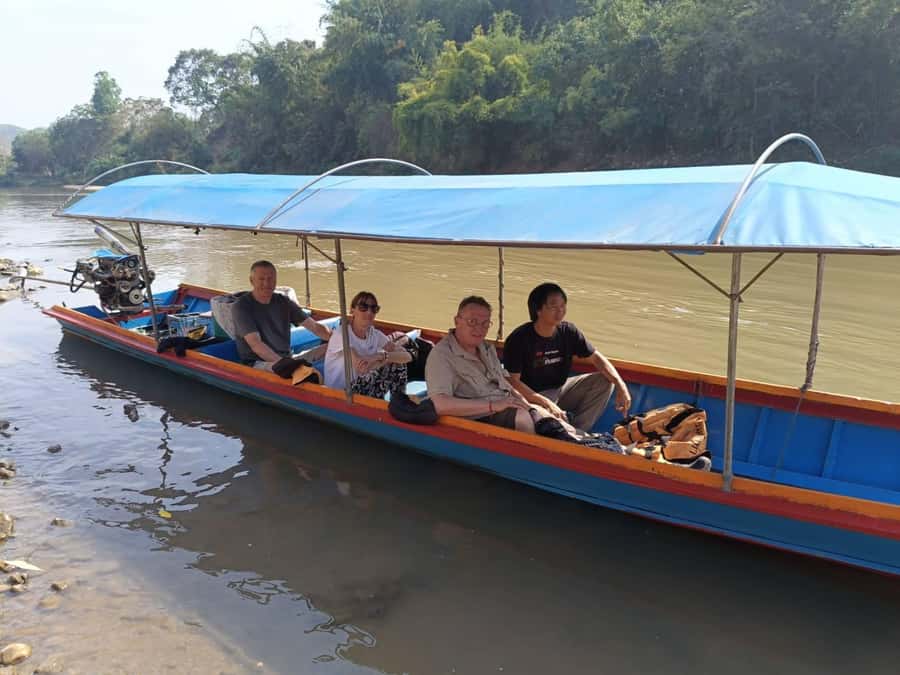
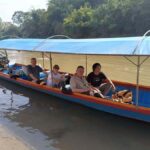
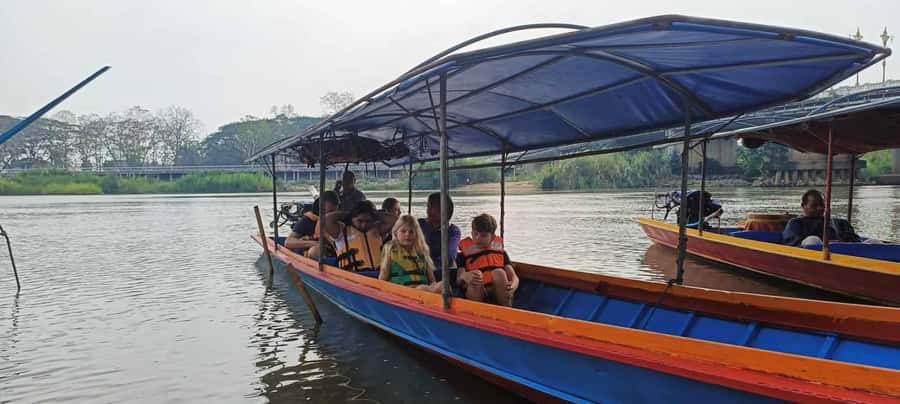
The first big reset is the boat. You leave your hotel for the pier, then head out by motor long-tail boat for about 45 minutes. This is where you start collecting the “easy-on-the-brain” scenery: river curves, jungle edges, and the sense that Chiang Rai is greener than people expect.
A highlight here is the ride up to the Buddha cave area. It’s not described as a long detour, but it’s the kind of landmark you notice more when you approach by water. You get a calmer perspective before the walking starts.
Practical tip: bring your camera, but also don’t film everything. The best river moments are short—the boat turns, light changes, and suddenly the view makes sense.
Trekking in Chiang Rai: bamboo forest, farm land, and that first sun stretch
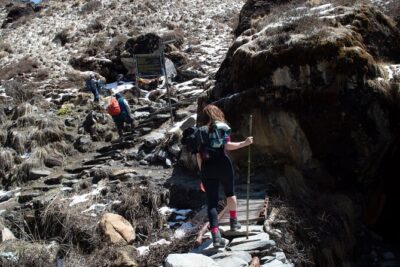
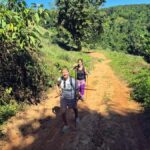
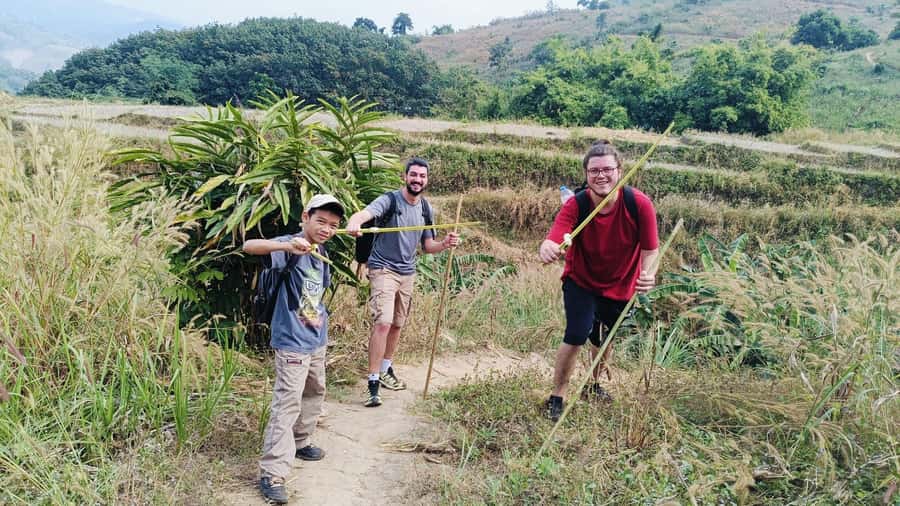
After the boat, you transition into the hiking part. The day’s walk is roughly 3 hours total. It’s split into a first trekking block (about 1.5 hours) and a second block (about 2 hours). You’ll also have lunch in between, which helps you keep energy for the later village and waterfall sections.
One thing to plan for: the first 20–30 minutes can feel more strenuous than you’d expect because it’s a sun-heavy start and the route trends steep upward. That doesn’t mean it’s extreme—more that you should start slow and let your breathing find rhythm.
The path described includes:
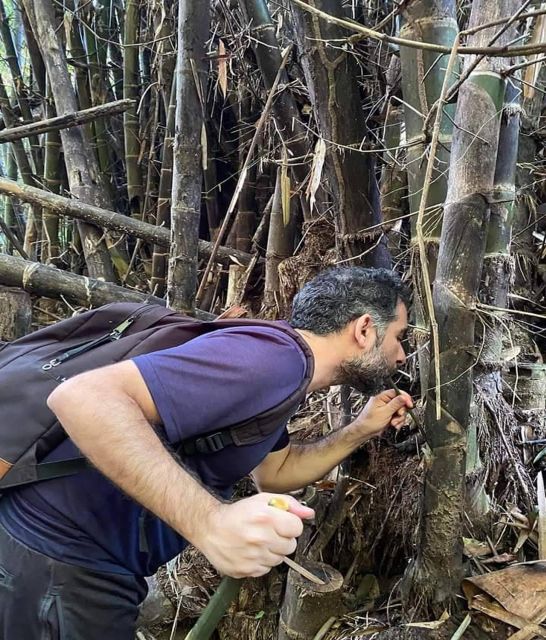
- bamboo forest sections
- farm land areas
- a trekking zone where you plant a memorial tree
- village routes toward Huay Kaew waterfall
Why this part is worth it: bamboo and farm land aren’t “background.” You’re passing through spaces people actually live and work around. Even when you don’t know the names yet, you can see why this matters for daily life.
Planting a tree in your chosen spot: a memorial you can touch
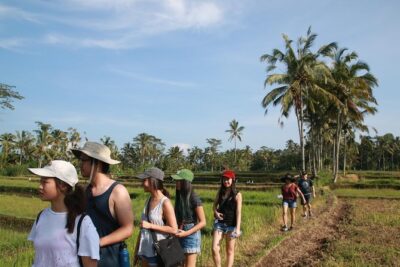
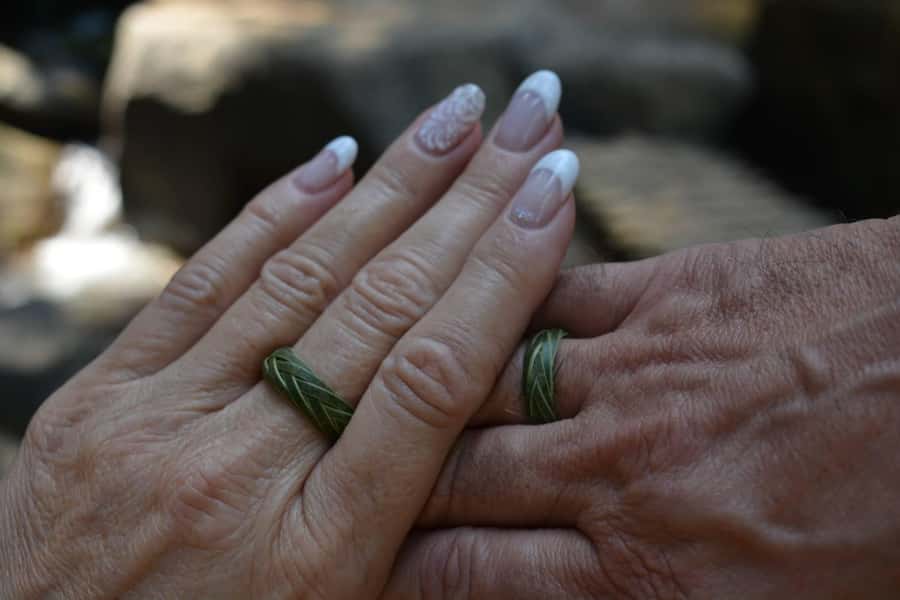
This tour doesn’t just ask you to look. It asks you to help. After lunch, you walk through bamboo forest and farm land while bringing the tree plant to plant on the trekking area. Then you get the moment: you choose your own spot to plant your sapling and create a memorial feel along the trail.
It’s one of the most meaningful parts of the day because it links effort to impact. You’re already walking through the landscape; now you leave something behind that connects your time to the place.
What to expect practically: you’ll have the plant as part of the flow, and you’ll do the planting on your route. That means you should be prepared to handle outdoor tasks, not just sightseeing steps. Wear shoes you can trust for uneven ground.
Balanced note: the planting moment can slow the pace a bit—great if you like doing things properly, less great if you’re the type who wants to rush through.
Lunch that feels local, plus a bamboo-hut style cooking highlight

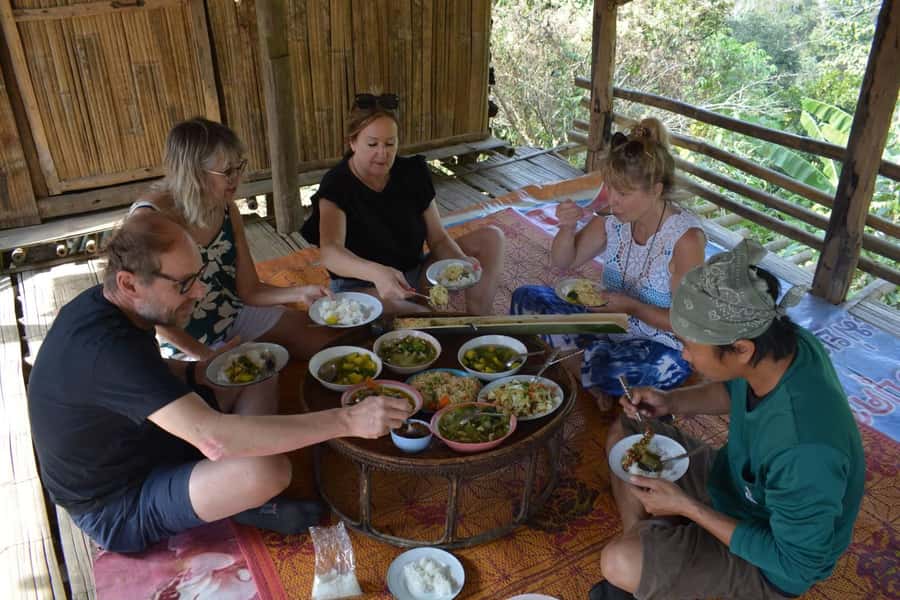
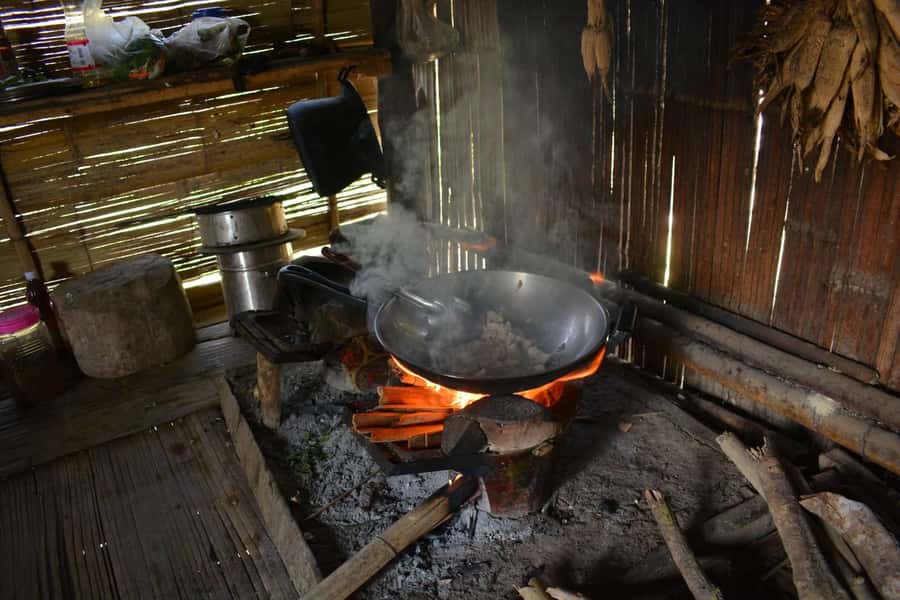
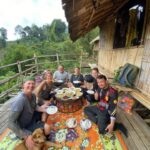
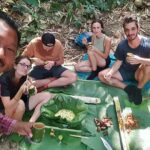
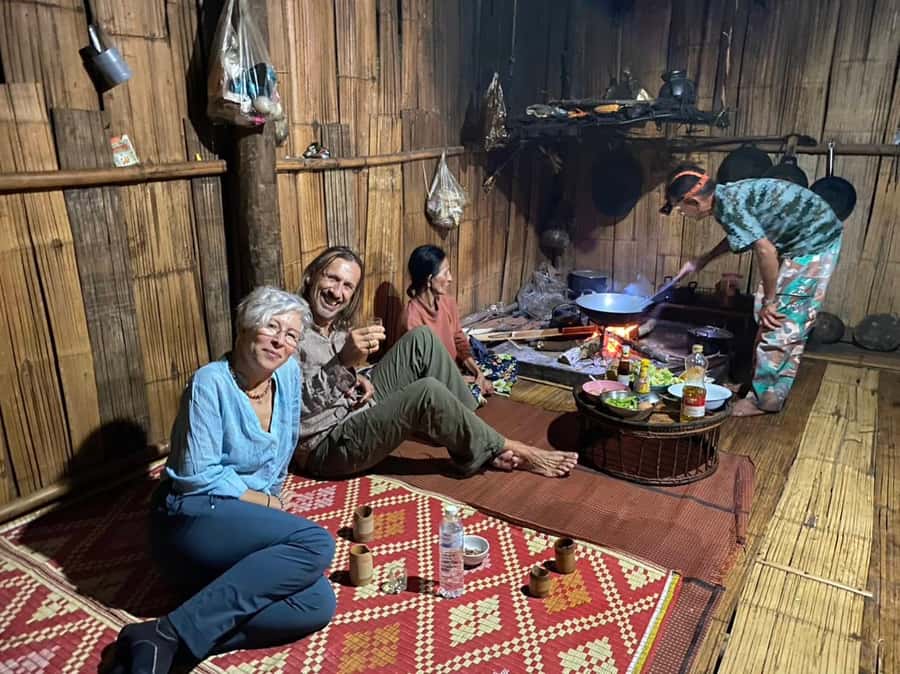
Lunch is included and typically lasts about an hour at a local restaurant. This matters because it’s not just “food served.” The tour keeps it tied to the route and the local way of life—eat and drink like you’re part of the area, not like you’re on a bus schedule.
One of the most praised parts from the experience is a shared cooking moment in a simple bamboo hut. Even if your own group schedule differs slightly, the fact that this is highlighted tells you the tour isn’t only about walking past culture. It’s also about participating in it.
What to do: if you’re offered a chance to join, say yes. It’s usually quick, hands-on, and gives you a better feel for how “small” ingredients become something satisfying.

Lahu and Akha hill tribe villages: respectful village walking time
After your second trekking segment begins, the tour continues to Lahu and Akha hill tribe villages. Then you move onward through the day toward Huay Kaew waterfall.
Village time can go two ways on tours: rushed photo stops or genuine walking and listening. Here, the pace is set up to allow interaction. A guide’s job is to explain what you’re seeing so it doesn’t turn into surface-level sightseeing.
A key thing I recommend: treat village stops like a conversation, not a display.
- Look, ask, and keep your questions simple.
- Don’t block paths.
- If someone is working, give them space.
You’ll get more out of the visit if you can match curiosity with patience. The tour is set for that slower mindset.
Huay Kaew waterfall swim, Chinese village stroll, and tea plantation time
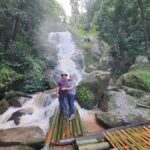
Huay Kaew waterfall is the next big payoff. The tour describes it as the second largest waterfall in Chiang Rai, and it offers time to enjoy a swim. That’s a rare perk on a trekking day—most tours offer photos only, but this one gives you water time.
After the waterfall, the route continues to:
- a Chinese village
- a tea plantation
This is where the “cultural trekking and boat trip” label becomes more than a phrase. You’re moving from hill tribe village context to a Chinese village setting, then into tea country. It’s a good mix of people, land use, and local livelihoods.
Water-safety note: the tour doesn’t include a swim suit. If you want to swim, pack one. If you don’t, you can still enjoy the waterfall as scenery, and just plan to keep your feet/legs dry enough for later walking.
Hot spring mineral bath included: the perfect ending after hiking
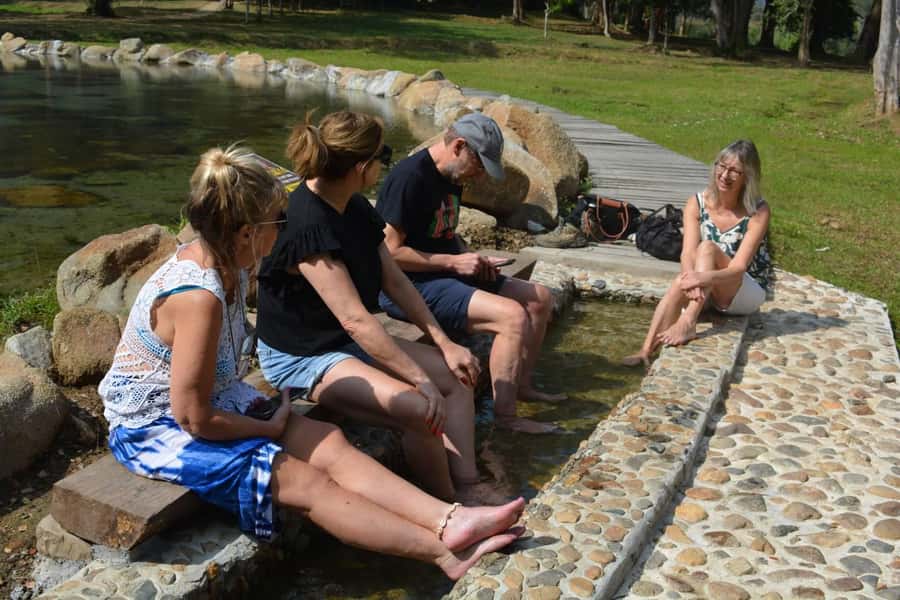
After the waterfall and tea/Chinese village stops, you finish at the hot spring. You take a mineral hot bath before heading back to your hotel by car.
This is the kind of ending I really like: your body gets the reset it needs right after the walking. If you’ve ever skipped the soaking step and regretted it later, you’ll appreciate this inclusion.
Practical tip: keep any valuables secure for the hot spring phase. You’ll be tired, and you don’t want to spend your evening worried about lost items.
Price and value: what $94 covers (and why it feels fair)
At $94 per person for a full day, this tour is priced like an outdoors-and-culture package, not a half-day stroll. You’re getting transportation, a licensed Thai/English guide, boat time, lunch, drinking water, tree planting, and the hot bath. Those are the expensive pieces that add up quickly if you tried to combine them yourself.
Here’s why the value feels decent:
- You don’t have to arrange the boat portion.
- The guided context is included, which matters when you’re walking through village settings.
- Tree planting isn’t a token gesture; you’re actually planting in the trekking area.
- The day ends with a hot bath that you’d otherwise pay for separately.
Could it feel expensive if you only care about one activity (say, the waterfall only)? Maybe. But if you like a full arc—river, trek, villages, water, then soaking—the price lines up with what you actually do.
What to bring for comfort: shoes, cash, and swim gear
You’ll get a smoother day if you pack for real outdoors conditions.
Bring:
- hiking shoes
- camera
- cash
Not included (so plan ahead):
- mosquito repellent
- swim suit
How I’d pack for this day:
- Wear shoes you’ve already broken in.
- Bring light layers for walking, then be ready for cooler moments near water.
- Add mosquito repellent if you’re the type who gets hit fast. Even if the guide helps, it’s your skin.
Who should book this Chiang Rai trek-by-boat day
This tour is a strong fit if you:
- like moderate hiking with clear structure
- enjoy cultural walking where you’re not just viewing from a distance
- want a memorable hands-on moment (tree planting)
- want a real end-of-day reward (mineral hot bath)
It may not be the right fit if you:
- have diabetes
- are traveling with babies under 1 year
- need comfort-first mobility support (people over 95 years aren’t recommended)
Also, if you want zero sweat, zero sun exposure, and zero uneven ground, choose a different day plan. This one earns its hot bath ending.
Should you book it? My practical take
Book this tour if you want one day in Chiang Rai that feels like more than sightseeing. The best reasons are simple: you get the Mae Kok boat ride, real trekking time, village context, the tree-planting memory, and then a hot spring bath to close the loop.
Skip it if you’re sensitive to sun on the first hike section, don’t want to swim at waterfalls, or you can’t handle a few hours of walking. And pack smart: shoes and mosquito repellent will make the difference between a good day and a day you remember for the wrong reasons.
If you’re looking for value, this one holds up because so much of the day is included—transport, guides, boat, meals, planting, and the bath.
FAQ
How long is the tour, and when does it start?
The experience is 1 day. Starting times depend on availability, so check available time slots when you reserve.
How much walking is involved?
Total walking time is around 3 hours, with hiking sections before and after lunch.
How long is the boat trip on the Mae Kok River?
The boat trip portion is about 45 minutes.
Is tree planting included, and can I choose a spot?
Yes. Tree planting is included, and you can choose your own spot to plant the tree on the trekking area.
Which hill tribe villages do you visit?
The tour includes visits to Lahu and Akha hill tribe villages.
Is there time to swim at Huay Kaew waterfall?
Yes. Huay Kaew waterfall is a stop where you can enjoy swimming.
What’s included in the price?
Included: transportation, a TAT-licensed tour guide, lunch and drinking water, the boat trip, tree planting, and the hot bath at the hot spring.
What should I bring, and what is not included?
Bring hiking shoes and camera (plus cash). Mosquito repellent and a swim suit are not included.
Where do you pick up from, and what languages are spoken?
Pickup is available from your hotel, the airport, or the bus station. The guide speaks Thai and English.
If you want, tell me your travel dates and your hiking comfort level (easy pace vs. you handle steep starts fine), and I’ll help you decide if this day plan fits your energy.