REVIEW · CHIANG RAI
Chiang Rai Trek:Jungle Hike, Bamboo-Cooked Lunch & Boat Ride
Book on GetYourGuide →Operated by R U tour and trek · Bookable on GetYourGuide
Bamboo lunch tastes different when you make it. This full-day trek from Chiang Rai blends hill-tribe village time with jungle cooking and a mountain hot-spring reset. I especially love the bamboo-cooked lunch and the long-tail boat ride up the Mae Kok River, and you’ll feel the day in your legs in a good way. One possible drawback: it’s a moderate hike with slippery footing in wet weather, so bring shoes with real grip and be ready for humidity and insects.
What makes this trip feel worthwhile is the way the guide runs it—names you may hear include Aryu, Ayu, and Arju. They don’t just point; they explain how people live with the forest around them, from making simple bamboo utensils to learning how to use natural resources with limited tools. If you want a day that’s more hands-on than bus-stops-with-a-souvenir, this one fits.
In This Review
- Key highlights worth planning for
- From Chiang Rai pickup to the Mae Kok River ride
- Karen village time and jungle trekking with bamboo know-how
- Tea plantation break: a breath of open air before lunch
- Bamboo cups Thai lunch: hands-on cooking, not just eating
- Waterfall swim with a current that feels like a massage
- Akha village lifestyle: quiet simplicity you can actually see
- Lahu village in the high mountain area and the hot spring payoff
- Price ($77) and what you truly get for the money
- What to bring (and what to skip)
- Who should book this tour in Chiang Rai
- Should you book Chiang Rai Trek: Jungle Hike, Bamboo-Cooked Lunch & Boat Ride?
- FAQ
- Is hotel pickup and drop-off included?
- What’s included in the $77 price?
- Do I have to pay extra for hot spring swimming?
- Can I swim at the waterfall?
- What languages do guides speak?
- Who should not book this tour?
Key highlights worth planning for
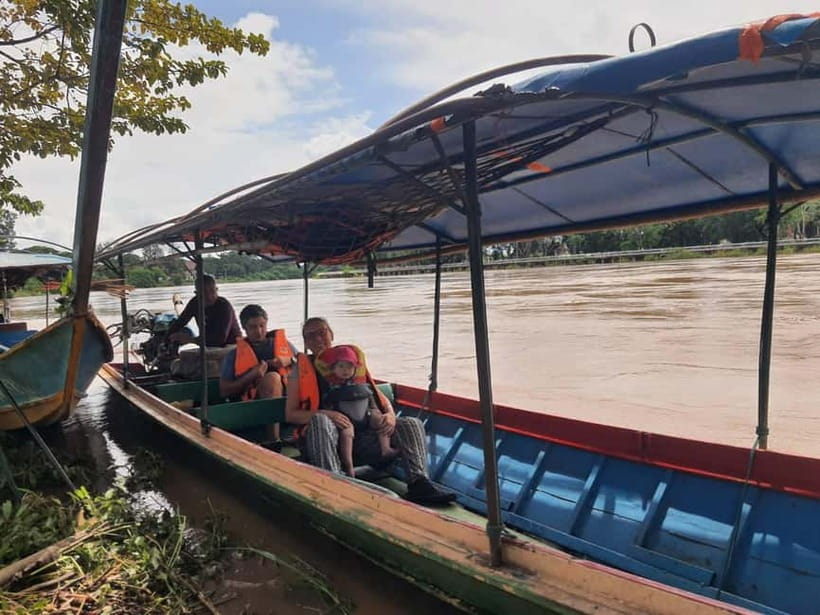
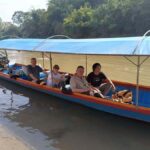
- Long-tail boat on the Mae Kok River, with time to reach the Karen village area (sometimes with a riverside elephant-camp stop)
- Hands-on bamboo crafting, like cutting bamboo cups and making utensils you later use to eat
- Waterfall swim as an option, with a current that can feel like a shoulder massage
- Hot spring pool in the mountains, usually requiring an extra 100 Baht ticket for swimming
- Karen, Akha, and Lahu village visits, focused on everyday life rather than staged performances
- A tea plantation walk-through, a nice change of scenery before lunch
From Chiang Rai pickup to the Mae Kok River ride
Your day starts with hotel pickup in downtown Chiang Rai, within about 3 km of the center. Plan to wait in the lobby around 8:30 a.m. if you’re staying nearby, since pickup is designed to be smooth and local.
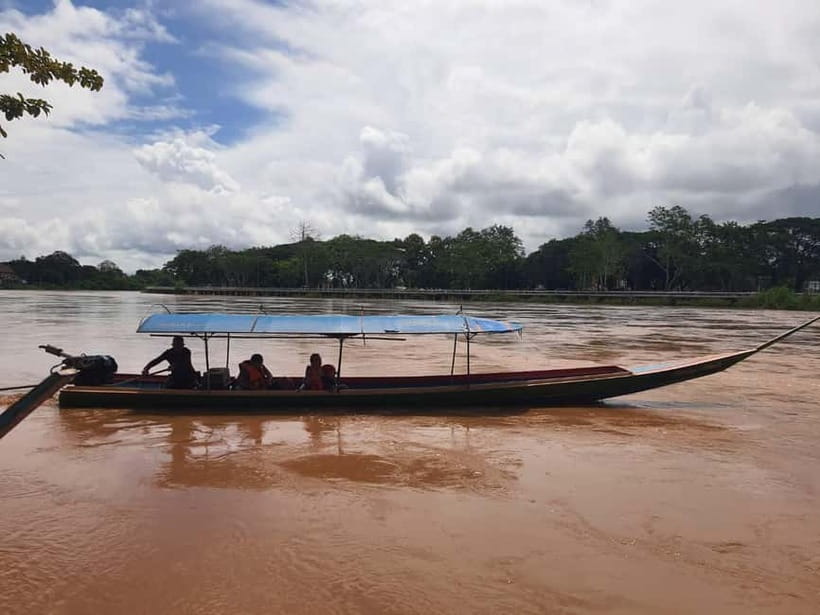
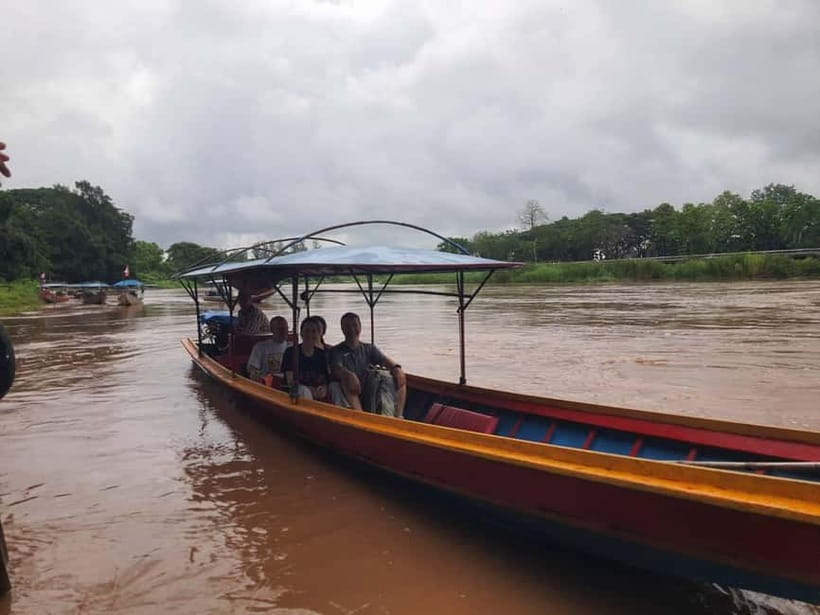
Then it’s on to the river area where you get a motorized long-tail boat ride up the Mae Kok River. This is one of the more relaxing parts of the trip, especially if you’ve been in the car a lot already in Thailand. It also sets the tone: you’re not just moving from one viewpoint to another; you’re getting deeper into the countryside.
Some routes include a stop at an elephant camp by the waterside where you can watch elephants from near the river. If this matters to you, it’s worth paying attention when the schedule is explained, since it can affect how the afternoon flows.
You can also read our reviews of more tours and experiences in Chiang Rai.
Karen village time and jungle trekking with bamboo know-how
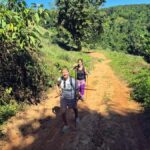
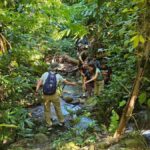
After the boat, you move toward the Karen tribe village area and the start of the trek. This section is where the day becomes physical, but it’s not a punishing slog if you pace yourself. Expect a mix of trails and uneven ground, and if it’s been raining, you’ll feel it in traction and footing.
The big theme here is bamboo and practical skills. You cut bamboo cups and chopsticks and learn how people cook and manage with what the forest gives them. It’s not a classroom lesson. You’re doing small tasks—things like making simple tools—and that makes the village-to-jungle connection click.
Also, don’t underestimate the humidity. Even on a dry day, you’ll likely feel sweaty. A long-sleeved shirt helps (especially if you’re using sunscreen), and insect repellent is not optional if you’re out there for hours. The guide is also usually good at adjusting the pace and, if needed, shortening the walking portion—handy if your group has mixed stamina.
Tea plantation break: a breath of open air before lunch
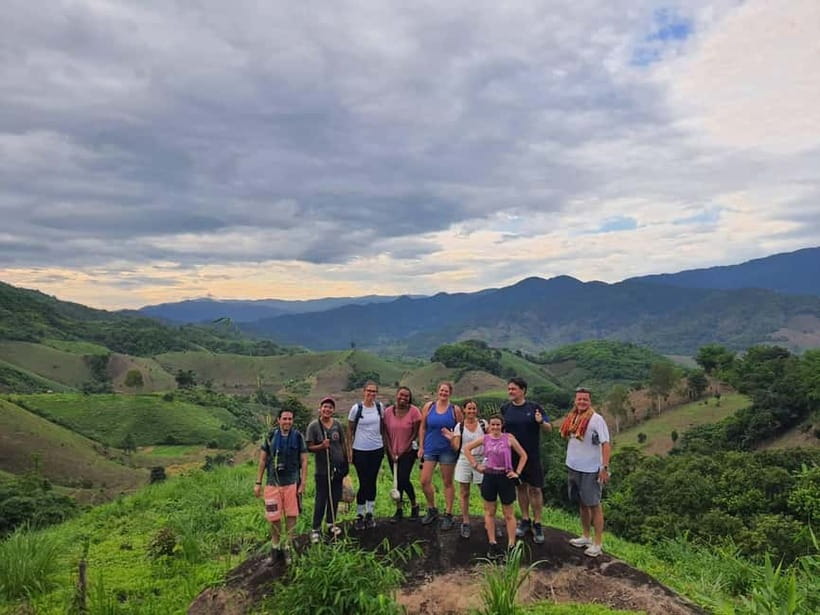
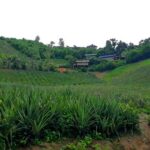
At some point during the trek, you’ll pass a large tea plantation. This is a relief from the dense jungle because the air feels more open, and your eyes finally get space to rest.
You’ll stop for lunch here, or continue briefly depending on timing. Either way, it’s a natural rhythm break: walk, breathe, eat, then head back into the forest.
Bamboo cups Thai lunch: hands-on cooking, not just eating
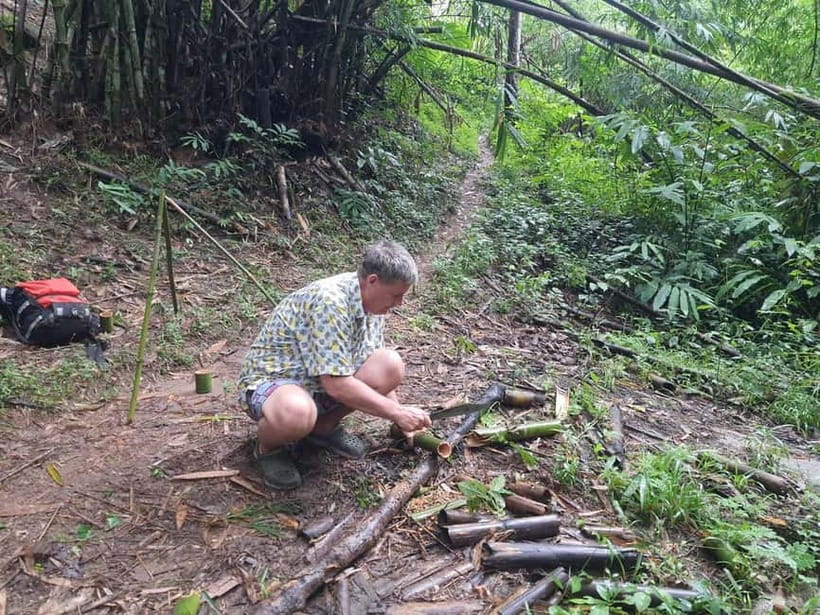
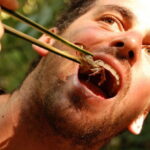
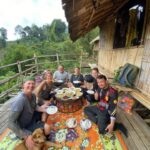
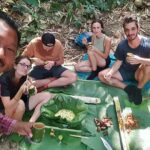
Lunch is included, and it’s one of the main reasons I think this tour is good value. You’re not handed a ready-made meal. You make parts of the setup—bamboo cups and utensils—then cook over a fire.
What you get out of this is simple: you can taste how the cooking process works because you were involved. Bamboo also changes the experience. Bamboo cups and utensils mean you’re eating with tools that connect directly to what you gathered and made earlier.
The quality of the meal tends to land well because it’s freshly cooked and prepared with basic jungle methods. One family-friendly detail I like from the experience reports: kids often get a chance to help prepare something, like cutting or assembling, which keeps energy up when you’re away from normal snacks and screens.
One thing to remember: water is included (drinking water), but you’ll still want personal snacks. Bring the extra food you like so you’re not stuck deciding between hunger and the next break.
Waterfall swim with a current that feels like a massage
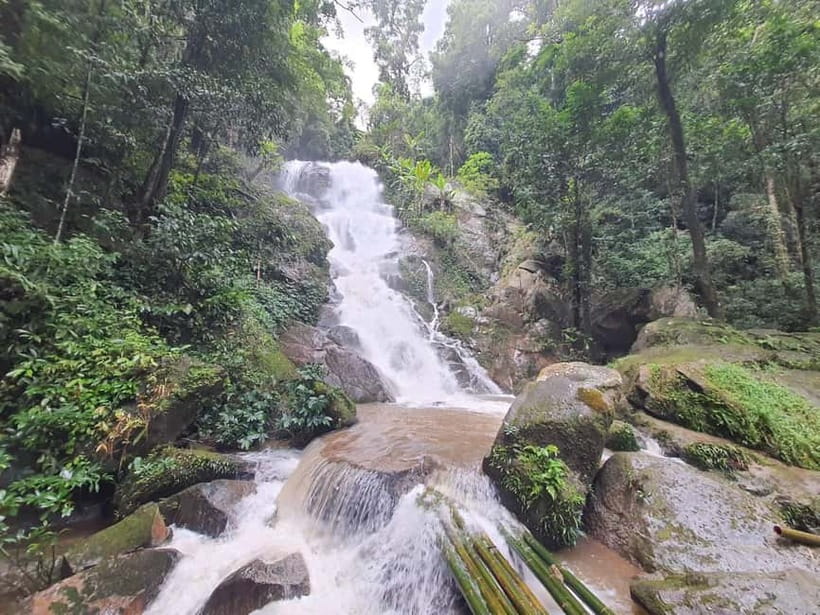
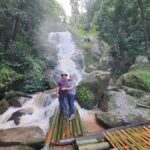
After lunch, you’ll walk to a waterfall close to the village area. Swimming is optional, so bring swimwear and a towel if you want the full effect.
The standout here is how physical the water feels. If the current is strong, it can feel like the waterfall is massaging your shoulders as you stand or float close to it. Even if you don’t swim, the stop is usually worth it for the cooling air and the contrast after trekking.
This part of the day also helps reset your energy before the later village visits. If you’re unsure about swimming, you can still enjoy the scenery and just get wet feet, then dry off and keep going.
Akha village lifestyle: quiet simplicity you can actually see
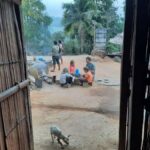
Next comes the Akha village. This is where the trip shifts from jungle skills to human scale: how people live, what routines look like, and how the community connects to its environment.
The tone tends to be respectful and everyday. You’re not looking for a performance. You’re observing simple life—how people move, what space looks like, and what matters locally. If you like cultural encounters that feel grounded instead of scripted, this stop usually lands well.
It helps to keep expectations flexible. Village visits mean you may spend time walking through areas that aren’t set up for tourists. Use a calm pace, follow the guide’s directions, and avoid touching things unless it’s clearly invited. Rules include not littering and not touching plants, which is also a nice reminder to keep the place intact.
Lahu village in the high mountain area and the hot spring payoff
The final village stop is the Lahu village, described as being in the middle of high mountain terrain. This is often the most striking part for visitors who like seeing how living changes with elevation and terrain.
You’ll likely notice a very simple way of living—fewer comforts, more practicality, and strong dependence on the surrounding resources. It’s a good counterbalance to city Thailand, and it gives you context for why bamboo and jungle skills matter earlier in the day.
Then comes the reward: a hot spring soak in a pool in the mountains. Swimming in the hot spring usually needs an extra ticket (100 Baht). The good news is that this is separate from your main tour price, so you can decide how much time and effort you want to put into the spa portion.
This is also where the day stops demanding and starts repairing you. After hours of walking and humidity, hot water feels like a real reset, especially if you were tough on your feet during the trek.
Price ($77) and what you truly get for the money
At $77 per person, this tour prices itself as a full-day countryside experience with real activities, not just transport. Here’s what that cost covers:
- Professional guide
- Lunch
- Long-tail boat transport on the river
- Trekking experience
- Insurance
- Hotel pickup and drop-off
- Drinking water
The extra costs to plan for are mainly personal choices and the hot spring swimming ticket (100 Baht). Soft drinks and alcohol are not included.
In practical terms, the value comes from three things working together: transport (boat plus land), activities (trek, waterfall, bamboo cooking), and time with people (Karen, Akha, Lahu, plus Akha). If you were to piece this together yourself—driver, guide, entrance fees, and a prepared lunch—you’d likely spend similar or more while taking on more uncertainty.
What to bring (and what to skip)
The tour is active and outdoors, so pack like you’re doing a real hike plus a swim.
Bring:
- Comfortable shoes for trekking (and hiking shoes if you have them)
- Hat, sunscreen
- Insect repellent
- Long-sleeved shirt and long pants
- Swimwear and a towel for the waterfall (optional, but you’ll want it)
- Camera
- Snacks (personal comfort food helps on long days)
- Water (you’ll get drinking water, but extras are useful)
- Cash (for the hot spring swimming ticket and any small needs)
Avoid:
- Touching plants
- Littering
- Smoking, alcohol, and drugs
Also note what the trip doesn’t work for: it’s not suitable for wheelchair users or people with mobility impairments, and it’s not suitable for pregnant women or people with back problems. It also isn’t listed as suitable for babies under 1 year.
Who should book this tour in Chiang Rai
This is a great fit if you:
- Want off-the-beaten-track nature time with real village visits
- Enjoy hands-on activities like making bamboo cups and utensils
- Don’t mind walking on uneven ground and dealing with humidity
- Like the idea of a cooking experience where you’re part of the process, not just watching
It’s especially good for families with kids around school age if the group is active and the weather cooperates. In one experience report, a family did it with children ages 9 and 11, and the guide kept everyone engaged with bamboo crafts and explanations along the way. Still, if your child is sensitive to heat, insects, or slippery trails after rain, you’ll need to think carefully.
If you want an easy, mostly seated day, this won’t be your match. It’s a trekking day first, with cultural stops and water breaks built in.
Should you book Chiang Rai Trek: Jungle Hike, Bamboo-Cooked Lunch & Boat Ride?
Book it if you like active travel that teaches through doing: boat ride, bamboo cooking, village visits, waterfall cooling, and hot spring recovery. The $77 price makes sense because the main “work” of the day—transport, guiding, lunch, and the key experiences—is already bundled.
Skip it if you need step-free movement, have back issues, are pregnant, or can’t handle a moderate hike with potential slippery conditions. In those cases, you’ll be happier choosing something gentler in Chiang Rai that keeps you off the trekking path.
FAQ
Is hotel pickup and drop-off included?
Yes. Pickup service brings you to and from downtown Chiang Rai (within 3 km) and returns you to the same meeting point at the end.
What’s included in the $77 price?
The tour includes a professional guide, lunch, motorized long-tail boat transport, trekking experience, insurance, hotel pickup and drop-off, and drinking water.
Do I have to pay extra for hot spring swimming?
Yes. Hot spring swimming requires a ticket costing 100 Baht, which is not included in the tour price.
Can I swim at the waterfall?
Swimming at the waterfall is optional. If you want to swim, bring swimwear and a towel.
What languages do guides speak?
The guide speaks English.
Who should not book this tour?
The tour is not suitable for pregnant women, people with back problems, people with mobility impairments, wheelchair users, and babies under 1 year.
If you tell me your travel dates and your group’s ages/fitness level, I can help you decide whether the trek portion will feel comfortable for your pace.