REVIEW · CHIANG RAI
Chiang Rai: 2-Day Jungle Trek only walk with Waterfall
Book on GetYourGuide →Operated by R U tour and trek · Bookable on GetYourGuide
Two days, one bamboo lesson. This Chiang Rai trek turns bamboo cooking and jungle survival skills into the walk itself, capped with Akha village life and hot-spring time. The catch: it is not a casual stroll. You should expect steep, uneven ground and a moderate-to-sporty pace around 10 km per day.
What makes it extra compelling is the mix of hands-on practice and real village stops, not just viewpoints. You go with an English small group (up to 10 people) and a live guide who can explain what you are seeing, including village culture and jungle basics.
In This Review
- Key things I’d mark on your shortlist
- Two days in Chiang Rai jungle: what the experience actually feels like
- Meeting at 9:00–9:30 and getting to the trail
- Day 1: hot spring start, Lesu lunch, Chinese tea hills, waterfall swim, Akha overnight
- Lesu village lunch
- Chinese village tea plantation and a waterfall break
- Akha village for overnight
- Bamboo carving, bamboo-cup lunch, and knife skills you can actually use
- Day 2: Lahu mountain trek, Pasoet hot spring pool, and the drive back
- Pace and fitness: moderate trekking with some real ups and downs
- Waterfalls and hot springs: how to pack for comfort and safety
- Food and sleep: what included meals usually mean on a homestay trek
- Price and value: is $122 fair for what you get?
- Guide quality: Mo, RU, Aryu, and what great guidance looks like
- Who should book this Chiang Rai jungle trek
- Should you book this trek?
- FAQ
- How long is the Chiang Rai jungle trek?
- How much walking is involved each day?
- When is pickup, and where do I meet the guide?
- Is the tour guide English-speaking, and how many people are in a group?
- What meals are included in the price?
- Are hot spring swimming fees included?
- Where will I sleep overnight?
- What should I pack and wear for the trek?
- Who should not book this tour?
- Can I cancel for a refund?
Key things I’d mark on your shortlist
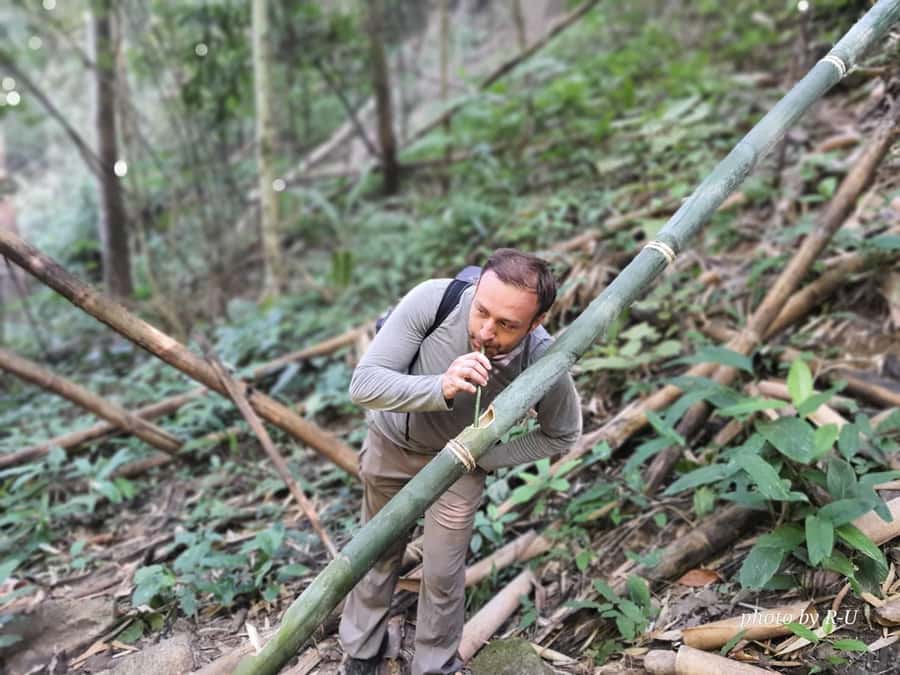
- Hands-on bamboo making: cut bamboo cups and chopsticks, then cook lunch using natural tools
- Knife and survival skills: carry a long-bladed jungle knife and learn practical jungle basics
- Waterfall swim plus hot spring pool: cool off during the trek, then soak later (with a small extra fee)
- Hill-tribe village visits: Lesu, Chinese, Akha, and Lahu villages with culture and homestay time
- Tea plantations and bamboo forests: you get scenery that feels tied to daily life, not just scenery for photos
Two days in Chiang Rai jungle: what the experience actually feels like
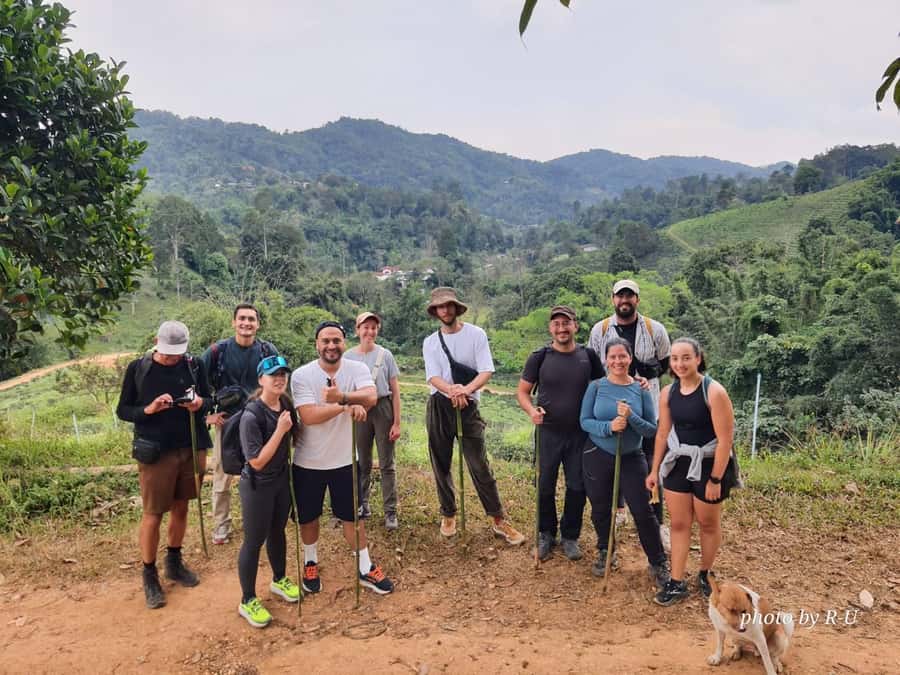
This trek is built around one simple idea: if you spend time in the jungle, you should learn how people use what is around them. You are not just looking at plants and trees. You are making bamboo items, cooking with bamboo, and learning practical ways to move through the terrain.
The “2-day” format matters. You get at least one full morning for jungle walking, one afternoon for hands-on craft and village time, and a second day that keeps the skills going while adding a mountain feel and a hot-spring stop. It is enough time to feel like you changed pace from city travel, without it turning into a full-on expedition.
And yes, there is fun built in. You swim in a waterfall during the day and later relax in a hot spa pool. It is a nice rhythm: hike, learn, cool down, then sleep in a village setting.
You can also read our reviews of more tours and experiences in Chiang Rai.
Meeting at 9:00–9:30 and getting to the trail
The day starts with hotel pickup in downtown Chiang Rai, within 3 km of the center. Plan to wait in the lobby between 9:00 and 9:30 a.m. so the group can depart smoothly, and you will be returned to the same meeting point at the end.
This kind of pickup schedule is actually useful for two reasons. First, you do not waste your morning hunting for the meeting spot. Second, it keeps the trek together so you can settle in before the walk ramps up.
You’ll want to arrive ready for heat and humidity. Even if you mostly walk in the cooler morning light, the jungle can feel warm fast. Bring a reusable water bottle, plus sunscreen and insect repellent.
Day 1: hot spring start, Lesu lunch, Chinese tea hills, waterfall swim, Akha overnight
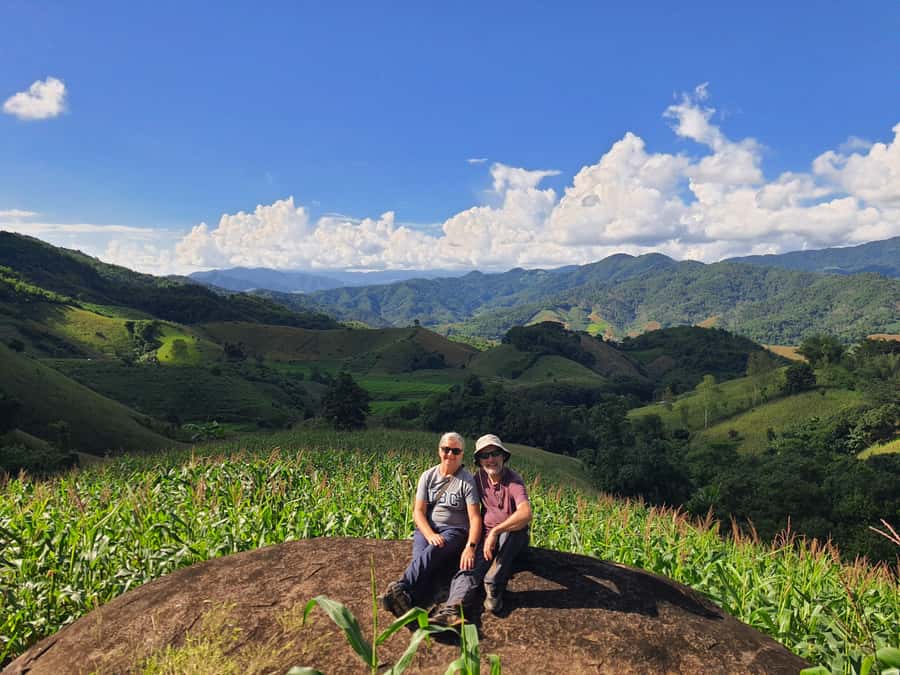
Day 1 begins with a drive from Chiang Rai to a hot spring area, then the real trekking starts through the jungle. This is where the guide’s job becomes more than “pointing.” You learn facts about flora and fauna, and you practice using a traditional long-bladed jungle knife.
One detail I like here is the focus on practical survival basics. You are carrying the knife during the walk, and the guide shows how to make useful items with traditional methods. In this kind of environment, that is more valuable than learning a random pile of plant names.
Lesu village lunch
Next comes Lesu village. You stop for lunch in the village, which helps break the hiking into something that feels like a sequence of community moments rather than one long effort.
Lunch in a village setting is also where the experience starts to feel genuinely local. You are not eating in a restaurant that could be anywhere. You are part of the day’s routine, and the guide can explain how village life and jungle resources connect.
Chinese village tea plantation and a waterfall break
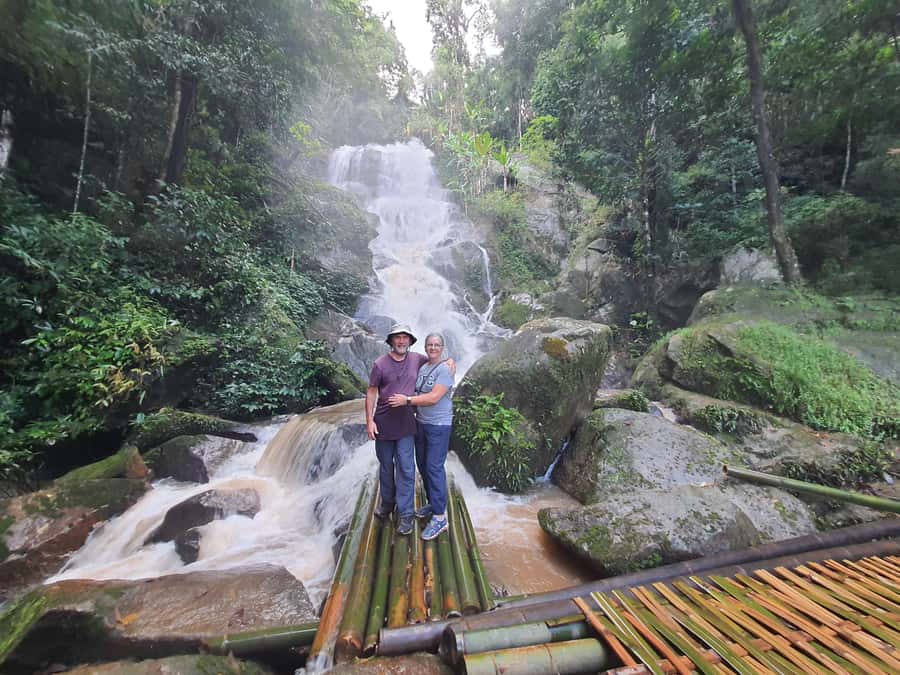
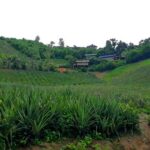
After lunch, you walk to the Chinese village, and the setting includes a large tea plantation and a waterfall. This is one of the best “scenery-meets-daily-life” moments on the route. Tea isn’t just a view; it is work, seasonality, and local knowledge.
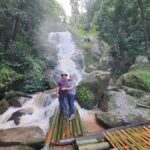
Then you get your first waterfall swim. It is a welcome reset for legs that have been working on uneven ground. Do keep expectations realistic: if conditions limit access on the day, you may not get the long swim you pictured. One review flagged that this part can be more about a quick refreshing break than a guaranteed swim session.

Akha village for overnight
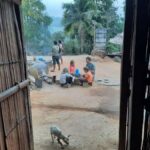
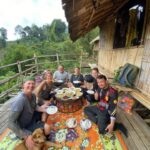
You finish Day 1 at Akha village for your overnight stay. This is a highlight for me because it shifts the trek from “outdoor activity” to “living with the rhythm of the place.”
In the homestay setting, sleeping arrangements can be very simple. One reviewer noted the beds felt like thin mattresses on bamboo floors. That is normal for village homestays, but it is the kind of detail you will want to know before you assume hotel comfort.
You should also expect village food to be a big part of the evening. Reviews mention hearty meals and even a social feel like music and dancing with local children. That is the sort of moment that makes the overnight feel like more than a bed for the night.
Bamboo carving, bamboo-cup lunch, and knife skills you can actually use
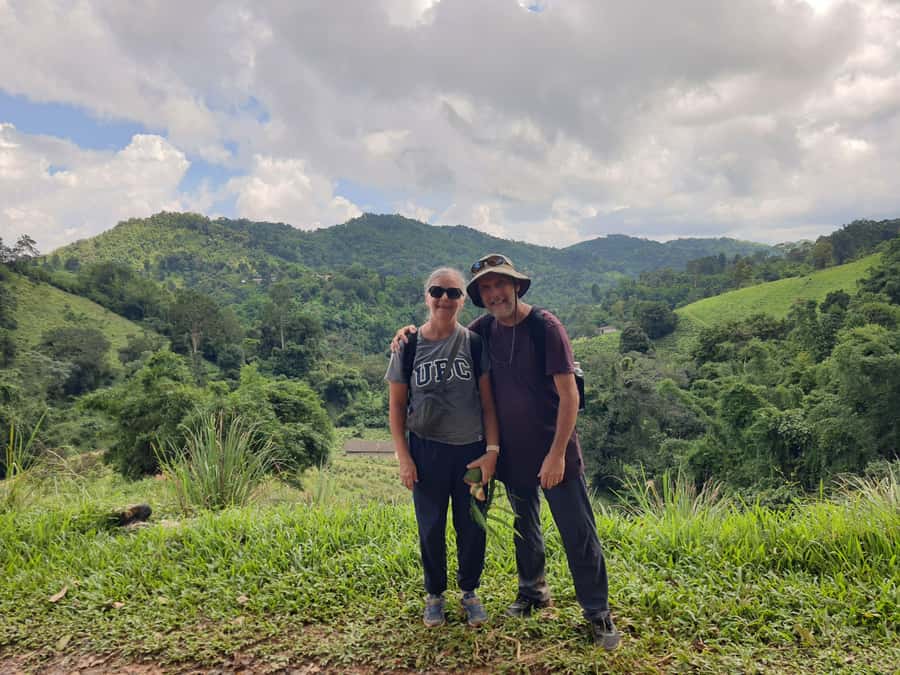
The hands-on part is what turns this from a standard hike into a memorable workshop you can carry home as stories (and maybe habits).
On Day 2, you’ll cut bamboo cups and chopsticks, then cook lunch using bamboo and natural resources. This is not theoretical. You do the work with the guide’s help. And you learn a logic that fits the jungle: if you have bamboo, you can make tools, serving items, and cooking setups without much modern gear.
Why it matters for you: it gives your brain something to focus on besides just footing. When you are walking 10 km a day, it helps to have a purpose for your attention. Bamboo-craft moments break up the physical load and turn the trail into a sequence of achievable steps.
It also improves the way you see the villages. Bamboo is not a prop; it is a building material and a daily tool. You start noticing how people solve problems with what is around them.
Some reviews mention extra flexibility from guides too, like accommodating vegetarian or vegan preferences when possible. If you have dietary needs, it is worth bringing them up early.
Day 2: Lahu mountain trek, Pasoet hot spring pool, and the drive back
Day 2 starts with more trekking right from the village. You continue moving through the mountains, and you add Lahu village along the way. The route keeps the pattern of walking + learning + breaks that make the effort feel worth it.
After your lunch crafting and cooking session in the bamboo-cup style, you trek onward to the Pasoet Hot Spring. This is where you get the second big “relax” moment: a chance to swim in a hot spa pool.
One practical note: the hot spring swimming pool ticket is not included and costs 100 baht. This is small, but it matters for planning. Keep some cash handy so you do not spend your relaxation time hunting for a payment.
Once the soaking is done, you drive back to Chiang Rai. You should feel tired in a good way. After two days of jungle walking and village evenings, the city return can feel like a reset button.
Pace and fitness: moderate trekking with some real ups and downs
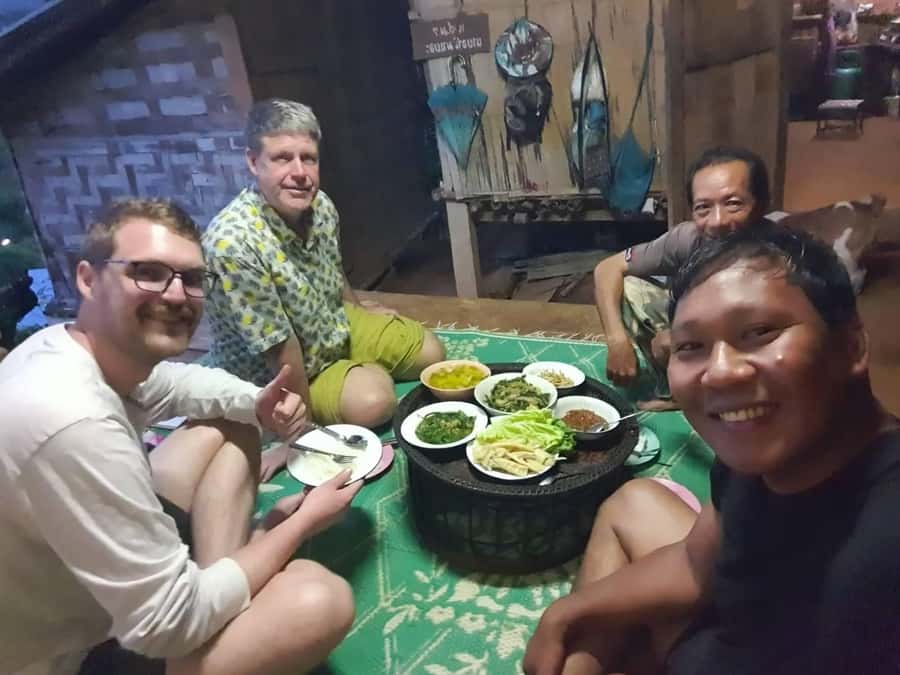
This trek is rated as moderate physical activity, and the total walking distance is about 10 km each day. That sounds straightforward, but jungle terrain is rarely flat.
Expect uphill sections and uneven ground. One review described it as more for sportier walkers, with a lot of elevation and climbs, and they felt the payoff on a small cascade swim was limited. On the other hand, another review said the walking wasn’t too difficult and the guide adjusted the pace to the group’s fitness level.
The key is to plan like the terrain is challenging even if the guide is skilled. You can still have a great time, but you should not treat it as an easy nature walk.
If you have back issues or heart concerns, skip it. The tour is not suitable for pregnant women, people with back problems, people with heart problems, wheelchair users, babies under 1 year, or anyone over 70.
Waterfalls and hot springs: how to pack for comfort and safety
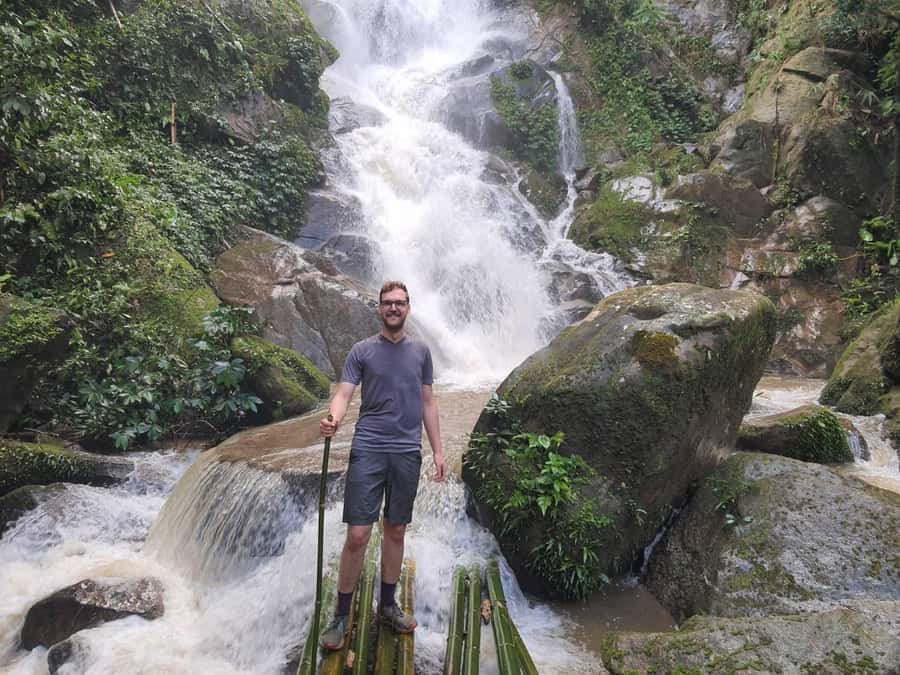
This trip is built around water stops, so pack accordingly.
Bring swimwear, a towel, and a change of clothes. You’ll be walking with damp gear at times, so having something dry ready matters more than you think. A camera helps, but secure it well and use it fast when you are in slippery areas.
Also bring insect repellent. Jungle trekking means bugs. You’ll walk long enough that insect bites become annoying if you skip repellent.
And remember the tour rules. No smoking, no littering, no making fire, and no touching plants. That last one can feel strict, but it’s part of keeping the area respectful and safe for everyone.
Food and sleep: what included meals usually mean on a homestay trek
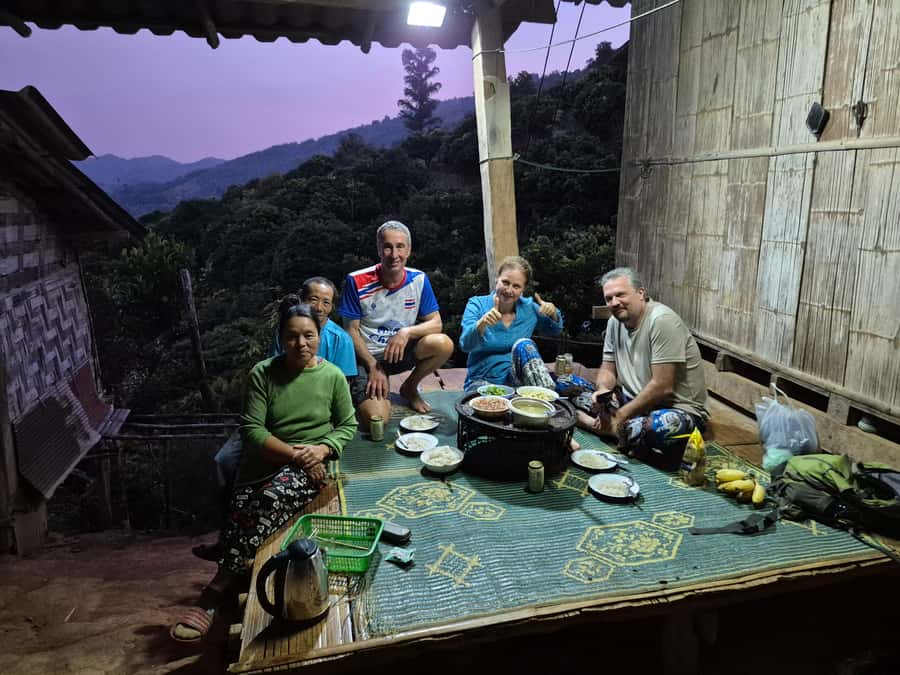
Meals are one of the quiet reasons this tour is good value. You get 4 meals included: lunch Day 1, dinner Day 1, breakfast Day 2, and lunch Day 2.
That matters because jungle trekking costs energy, and you do not want to be rationing snacks or buying meals during the long walk windows. Having food handled keeps your schedule moving and makes the experience smoother.
The overnight is in an Akha village homestay, and the sleeping setup can be simple. One reviewer mentioned bamboo-floor sleeping with a thin mattress. If you know you need thicker padding, bring what you can within practical limits (and ask your guide what they recommend).
Food quality seems to be a strong point. Reviews describe delicious village meals and a special bamboo-cooked dinner on Day 2 in one case, with the bamboo cooking process itself being a highlight.
Price and value: is $122 fair for what you get?
For $122 per person, you are not only paying for a guide. You’re paying for a full package of logistics and real experiences: hotel pickup and drop-off, overnight accommodation in Akha village, 4 meals, trekking guidance, drinking water, and insurance.
What you still pay extra for is limited. The hot spring pool entry ticket is 100 baht, and soft drinks and alcohol are not included.
In value terms, the best part is that the money goes toward time and access: village visits, hands-on bamboo and jungle-skills instruction, and the fact you sleep in the community setting rather than returning to a hotel after each hike.
If you are comparing this to a standard day hike, this costs more because it includes the night, meals, and cultural access. That is also why the experience lasts long enough to feel real.
Guide quality: Mo, RU, Aryu, and what great guidance looks like
The guide can make or break a trek like this. In reviews, names that come up are Mo, RU, and Ayu/Aryu. Across the feedback, the pattern is the same: guides who explain what you’re seeing and keep the day paced to the group.
One reviewer praised Mo for being relaxed, funny, and highly skilled in jungle cooking and bamboo carving, plus the guide being local to the area. Another noted that RU could handle individual requests and even route adjustments if someone had an injury. That kind of flexibility is not guaranteed on every tour, but it is a sign of a guide who thinks beyond a fixed script.
If you want to maximize your experience, ask questions during natural pause points: plants, cooking methods, village life, and how people use natural resources. A good guide will turn those moments into mini lessons.
Who should book this Chiang Rai jungle trek
Book it if you want:
- Hands-on jungle craft like bamboo cups, chopsticks, and bamboo-cooked meals
- A two-day format that includes an overnight in a hill-tribe village
- Real time with villages like Lesu, Chinese, Akha, and Lahu, not just a quick stop-and-go photo
- Water time: a waterfall swim plus hot spring soaking
Consider skipping if:
- You need a flat, low-effort walk
- You have back, heart, pregnancy, or mobility limitations
- You are expecting hotel-style bedding and easy conditions
Should you book this trek?
Yes, if you like active travel with a strong cultural and skills component. This is one of those tours where the details matter: bamboo work you can see and do, knife-and-jungle basics you can understand, and a village night that feels tied to daily life rather than staged entertainment.
Just be honest about your fitness and expectations. With roughly 10 km walking each day and real jungle terrain, you’ll enjoy it more if you come ready for effort and simple sleeping. If you want gentle sightseeing, this probably won’t match.
If you’re the type who likes learning and hands-on moments, book it. Keep swimwear and a spare set of clothes in your bag, and go in with patience for how the jungle and villages shape the day.
FAQ
How long is the Chiang Rai jungle trek?
It runs for 2 days.
How much walking is involved each day?
You should expect about 10 kilometers of walking each day.
When is pickup, and where do I meet the guide?
Pickup is available in downtown Chiang Rai within 3 km, and you should wait in the lobby between 9:00 and 9:30 a.m. You’ll be dropped back at the same meeting point.
Is the tour guide English-speaking, and how many people are in a group?
Yes. The tour includes a live English guide and is limited to a small group of up to 10 participants.
What meals are included in the price?
The tour includes 4 meals: lunch on Day 1, dinner on Day 1, breakfast on Day 2, and lunch on Day 2.
Are hot spring swimming fees included?
No. The hot spring swimming pool ticket is 100 baht and is not included.
Where will I sleep overnight?
You’ll have overnight accommodation in the Akha village.
What should I pack and wear for the trek?
Wear comfortable trekking shoes and bring a hat, swimwear, a towel, and a change of clothes. Also pack sunscreen, insect repellent, camera, snacks, and water (a reusable water bottle is recommended).
Who should not book this tour?
It is not suitable for pregnant women, people with back problems, people with heart problems, wheelchair users, babies under 1 year, or people over 70.
Can I cancel for a refund?
Yes. You can cancel up to 24 hours in advance for a full refund.