REVIEW · KATHMANDU
Everest Base Camp Kalapathar Trek 14 Days
Book on Viator →Operated by Eco Holidays Nepal · Bookable on Viator
This trek is about getting to the roof of the world by foot. You’ll move through classic Khumbu Valley stops inside Sagarmatha National Park, then finish with the big payoff at Kalapathar above 5,545 m. The route is paced for altitude, so you’re not just walking until you collapse.
Two things I really like: the plan builds in acclimatization time in Namche (with a viewpoint and a museum visit), and it keeps you focused on big moments—Everest Base Camp on day 9 and the Kalapathar climb on day 10. A third plus is that the logistics are handled end-to-end, from Kathmandu transfers to Lukla flights and tea-house lodging.
One possible drawback to plan for: even though you get a professional guide, some travelers note English may not be perfect. You can still expect helpful, friendly support, but if you need very detailed technical explanations, you may want to communicate your preferences in advance.
In This Review
- Key points before you go
- Why This Everest Base Camp + Kalapathar Plan Feels Right for 14 Days
- Kathmandu Warm-Up: Thamel Basecamp and Swayambhunath Orientation
- Lukla Flights and the First Descent to Phakding
- Namche Bazaar Acclimatization: Museum, Viewpoints, and a Real Rest Day
- Tengboche to Dingboche: Forest Views to Exposed Peak Country
- Dingboche to Lobuche: Prayer Flags, Thugla, and the Glacier Edge
- Everest Base Camp at Gorakshep: The Main Moment
- Kalapathar Above 5,545 m: Close Everest Views and the Descent Strategy
- Return Trek: Pangboche to Namche, Then Back to Lukla
- Back in Kathmandu: Your Buffer Day and How to Use It
- Price and Logistics: Is $1,990 Good Value for a 14-Day Everest Trek?
- Altitude Reality Check (and What the Itinerary Does About It)
- Gear, Fitness, and Packing Smart with Provided Equipment
- Who This Trek Fits Best (and Who Might Want a Different Style)
- Should You Book This Everest Base Camp + Kalapathar Trek with Eco Holidays Nepal?
- FAQ
- How long is the Everest Base Camp Kalapathar trek?
- Where does the trek start?
- Are flights included?
- Are permits included?
- What kind of accommodation do you get during the trek?
- Is a sleeping bag included?
- How are meals handled?
- Do I need to pay for entrances like Swayambhunath or the Tengboche monastery?
- Is a porter included?
- Do I have to be very fit?
Key points before you go
- Private tour format: only your group, so you’re not stuck with random pacing.
- Acclimatization built in: Namche rest day plus a day to reach Dingboche/Pangboche before pushing higher.
- The Everest Base Camp day is the main event: close to the Khumbu Icefall and glacier zone from Gorakshep.
- Kalapathar is the height win: an early climb above 5,545 m for close-up Everest views.
- Tea-house trekking with included essentials: sleeping bag and duffel bag are provided, and you’ll stay in tea-house accommodation.
- Meals are partially included: breakfast, lunch, and dinner counts are listed, but drinks and extras are on you.
Why This Everest Base Camp + Kalapathar Plan Feels Right for 14 Days
Everest Base Camp treks can feel like a blur of checkpoints. This one does better: it spreads the work across 14 days and doesn’t treat your body like an item you can just force uphill. You get the rhythm—walk, rest, walk again—without long gaps that make the altitude feel worse.
What makes the structure especially useful for you is the way it matches terrain to altitude. You start with a downhill day from Lukla to Phakding, then you climb into Namche and build in a rest-and-adjust day. Later you push up toward Tengboche, Dingboche, Lobuche, Gorakshep, and finally Kalapathar. That sequence matters because it helps you arrive at the high points with less drama.
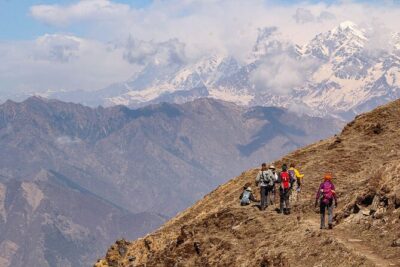
Also, the trek stays inside the Khumbu story you came for. You’re not just chasing elevation; you’re walking through Sherpa villages, temple stops, prayer flags, and the dramatic shift from forest to exposed moraine and glacier country.
You can also read our reviews of more tours and experiences in Kathmandu.
Kathmandu Warm-Up: Thamel Basecamp and Swayambhunath Orientation
Your trip starts in Kathmandu with an airport arrival pickup and a transfer to a hotel in the Thamel area. That’s practical. Thamel keeps you close to the tourist services you’ll need before a trek: last-minute gear checks, cash/ATM access, and simple meal options.
Day 2 adds a cultural warm-up. You’ll visit Swayambhunath Temple with a city guide and get time to prep for the trek in the afternoon. This part is valuable because it helps you get your bearings fast before the mountains take over your day.
A small budgeting note: the Swayambhunath admission ticket is not included. It’s also listed as about a 2-hour visit, so don’t expect a long sit-down day—you’ll still be preparing for your early start.
Lukla Flights and the First Descent to Phakding
Day 3 is your Lukla transition day. After an early breakfast, you’ll fly from Kathmandu to Lukla (listed as about 30 minutes), then start walking immediately.
The route begins with a descent toward the Dudh Kosi River, aiming for Phakding village for your first overnight. This is a smart way to begin. Instead of forcing a big ascent on day one, you ease into trekking with lots of opportunities to settle your pace and check your stride, footwear, and pack weight.
Time-wise, you’re not wandering all day either. You’ll cover roughly a full trekking day (the plan implies normal daywalking hours, though not every day gives exact distance). Expect to be busy, but not wrecked.
Namche Bazaar Acclimatization: Museum, Viewpoints, and a Real Rest Day
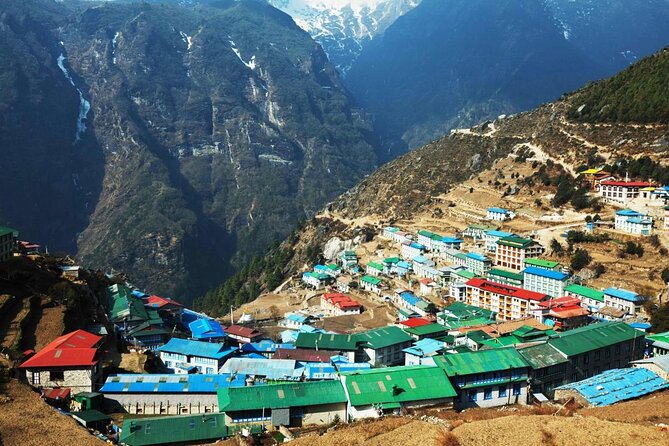
Namche Bazaar is where altitude stops being theoretical. It’s listed at 3,440 m, and day 4 gets you there after crossing into Sagarmatha National Park.
The day is more than travel. You’ll enter the park area and then shift into a lodge stay in Namche, with time to browse the town’s streets and shops and grab food. That matters because Namche is where you’ll feel the trek turning from “walk to survive” into “walk with a plan.”
Day 5 is the acclimatization day. You’ll get a short excursion to a viewpoint above Namche and a visit to the park museum about the Khumbu area and Sherpa culture/mountaineering history. The museum ticket is marked as not included, so if you care about the context, budget a little extra.
This is one of the most praised practical choices built into the itinerary pacing: resting here gives your lungs time to adjust. It also gives your legs time to stop complaining.
Tengboche to Dingboche: Forest Views to Exposed Peak Country
On day 6, you head toward Tengboche. This is a classic turning point in the Everest trek experience. The plan highlights forest walking up to a famed viewpoint and the grand views from Tengboche—especially Everest and close views of Amadablam—plus time around Tengboche Gompa/monastery.
Two things make Tengboche worth building into your day:
1) The scenery payoff is high while you’re still not at peak altitude.
2) The temple stop slows you down in a good way. You’re walking, then pausing, then walking again.
The monastery visit admission is listed as not included, so don’t assume it’s free.
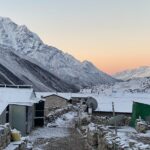
Day 7 pushes you onward to Pangboche (listed as the last permanent village on the route toward Everest Base Camp), then you climb to Dingboche—an exposed area with big views including Island Peak and Amadablam.
This day is a transition: less thick forest, more open air, and a clearer sense that you’re approaching glacier terrain. It’s also where you’ll really feel why the trek builds in earlier stops—Dingboche isn’t just a place on a map; it’s a buffer.
Dingboche to Lobuche: Prayer Flags, Thugla, and the Glacier Edge
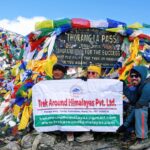
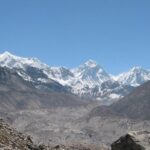
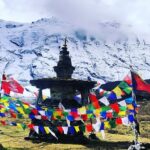
Day 8 moves from Dingboche toward Thugla and then on to Lobuche. The route includes Buddhist monuments and prayer flags, then a stretch described as super views of giant peaks.
After Thugla, you continue to Lobuche for an overnight stay. This is where the walking starts to feel more like “route travel in high country” rather than village-to-village strolling.
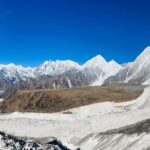
What you should expect here is the emotional shift. You’re still trekking in the Khumbu Valley, but the visual language changes: more stark ground, more cold-air feel, and a stronger sense of being near the big ice systems that feed the region.
Everest Base Camp at Gorakshep: The Main Moment
Day 9 is your headline day. The plan takes you to Gorak Shep and then onward to the main highlight: Everest Base Camp.
You’ll spend time at base camp with that once-in-a-lifetime thrill described as being close to the Khumbu Icefall and glaciers, and under the presence of the world’s highest mountain. Then you return to Gorakshep for overnight.
Even without obsessing over the technical details, this is the day where your entire 14-day effort clicks into place. You didn’t just hike for scenery—you hiked to stand in the place that has driven mountaineers for decades.
Also, note the itinerary’s structure: you’re not being sent across 10 different “must see” spots in one day. It’s built around one central goal.
Kalapathar Above 5,545 m: Close Everest Views and the Descent Strategy
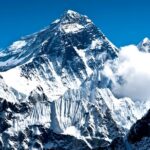
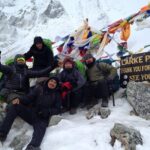
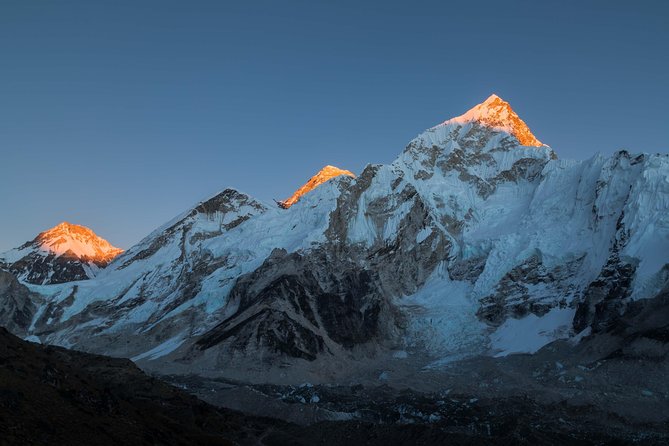
Day 10 is early and focused. You’ll do the climb to Kalapathar, listed as above 5,545 m, described as the highest point of the adventure and a key moment for magnificent views with Mt. Everest at close distance.
After viewing, you descend to Gorakshep for breakfast, then keep trekking to Thugla and down toward Pheriche (with a possible lunch stop). The plan then continues for a few hours to reach Pangboche village for your overnight.
Here’s why this is a strong design for your body: you’re rewarded at Kalapathar, then you start the process of coming down. You’re not forced into a huge additional push after reaching the top view point of the trip.
It also helps mentally. Some treks keep ratcheting up until the final day. This one gives you the summit-view-style payoff earlier, then shifts toward return travel.
Return Trek: Pangboche to Namche, Then Back to Lukla
Day 11 is the “now we know the rhythm” day. You’ll trek from Pangboche to Namche, returning via Thayangboche, and you get time around Thyangboche before overnighting back in Namche.
This is a relief day in disguise. You’re still trekking for about a full day, but the altitude context is easier because you’re moving downward overall compared with the climb days.
Day 12 continues the descent and travel back to Lukla. It’s listed as a long walk from Namche Bazzar to Lukla, with an overnight in Lukla. This day can feel like it’s taking its time because you’re likely eager to be done with the mountain walking, but it’s still part of the classic Everest timeline: it’s what makes the Kalapathar win feel earned.
Back in Kathmandu: Your Buffer Day and How to Use It
Day 13 sends you back to Kathmandu by flight from Lukla, then a transfer to your hotel. The plan leaves you time to enjoy the remainder of your trip with memories of 14 days of Everest region trekking.
This buffer matters because it gives you a chance to:
- rehydrate and eat normally again,
- do a gear check (you’ll want to confirm what you have after dust and cold),
- and recover your sleep.
Day 14 is simply the fly-out day: you travel to your respective country.
Price and Logistics: Is $1,990 Good Value for a 14-Day Everest Trek?
At $1,990 per person for 14 days, you’re paying for a lot more than “somebody guides you.” This package includes permits, round trip flights Kathmandu–Lukla–Kathmandu, a professional trekking guide, and tea-house accommodation during the trek.
You also get key gear support: the itinerary lists necessary equipment like a sleeping bag and duffel bag. That’s not a small line item if you’d otherwise have to rent or buy it.
The cost also covers private-vehicle transport within the itinerary, plus meals: breakfast (12), lunch (10), dinner (11). That’s a meaningful chunk because the Everest trail can add up quickly if you’re paying for every meal and every extra.
Things not included (and worth budgeting for):
- personal expenses and soft/hard drinks
- WiFi and shower costs (or similar personal comforts)
- a porter if needed
One last value point: the reviews included in your plan show strong satisfaction with the on-the-ground team. Names like Dhruba (owner), and guides such as Sagar, Anup, Balaram, and Bikram show up in credited experiences, including notes about the guide being kind and experienced even if English isn’t perfect.
Altitude Reality Check (and What the Itinerary Does About It)
You’re going to work at height for days. The itinerary includes an acclimatization rest day in Namche, then another high-country buildup through Tengboche, Dingboche, and Lobuche. It also includes the Kalapathar climb and then an organized descent back to lower villages.
That approach matters because altitude isn’t just about being “tough.” It’s about your pace, sleep, and how often you slow down when you feel off. This trek’s pacing gives you those built-in opportunities.
You should also plan your expectations for tea-house style accommodation: it’s functional, not luxury. If you’re the kind of person who needs hot showers and high-end beds every night, you might feel the contrast. If you’re okay with basic and focused travel, you’ll enjoy it.
Gear, Fitness, and Packing Smart with Provided Equipment
The plan says your trek includes a sleeping bag and duffel bag, plus you’ll have tea-house accommodation and a guide. That reduces the amount you have to wrestle with on travel day.
But you still need to show up ready for cold at altitude. Even without the exact temperature numbers, the itinerary’s high points (5,545 m Kalapathar and Everest Base Camp area) mean you should pack for layers, warmth, and safe footing.
Fitness-wise, the tour requires at least moderate physical fitness. That’s fair. You should feel comfortable walking for many hours over uneven paths, and you should be willing to slow down on the steep parts.
Also consider whether you need extra help. The plan notes a porter is not included if you decide you need one. For some people, adding a porter can make the trek more enjoyable. For others, carrying their own gear is part of the experience.
Who This Trek Fits Best (and Who Might Want a Different Style)
This is a strong match if you want:
- a private trek (only your group),
- a structured 14-day timetable with acclimatization,
- tea-house comfort without planning meals or permits yourself,
- and a finish that includes Kalapathar rather than turning back earlier.
It’s also a good fit for solo travelers who want guided support but not a chaotic group dynamic.
The main mismatch is for travelers who can’t handle altitude pacing or who absolutely need polished English explanations. The program is built around mountain walking and practical guidance, and while English can vary from guide to guide, the support style is still described as friendly and service-focused.
Should You Book This Everest Base Camp + Kalapathar Trek with Eco Holidays Nepal?
If you want a proven Everest route with logistics handled, plus the two big wins—Everest Base Camp and Kalapathar—this itinerary makes sense. The included permits, Lukla flights, guide support, and tea-house setup reduce the “what do I do next” stress that can ruin the joy.
I’d book it if you’re comfortable with a moderate fitness challenge, can handle basic tea-house conditions, and are happy to budget a bit extra for personal drinks and comfort upgrades. If you’re picky about language precision or you know you’ll need help carrying your load, plan ahead about a porter and bring clear priorities for your guide.
One more way to make your decision: if you care about doing it at a reasonable pace (not rushed), this schedule has the right internal stops—Namche acclimatization and the high-country buildup before the headline days.
FAQ
How long is the Everest Base Camp Kalapathar trek?
It’s listed as 14 days (approx.).
Where does the trek start?
It starts in Kathmandu, Nepal, with arrival support and a transfer to a hotel in Thamel.
Are flights included?
Yes. The package includes round trip flights Kathmandu – Lukla – Kathmandu.
Are permits included?
Yes. The itinerary includes necessary all permits.
What kind of accommodation do you get during the trek?
You’ll stay in tea house accommodation during the trekking days.
Is a sleeping bag included?
Yes. The package includes necessary equipment like Sleeping Bag and Duffel Bag.
How are meals handled?
Meals are partially included: breakfast (12), lunch (10), and dinner (11) are listed in the inclusions.
Do I need to pay for entrances like Swayambhunath or the Tengboche monastery?
Some admissions are not included. Swayambhunath Temple admission is not included, and Tengboche monastery admission is also not included (as shown for those stops).
Is a porter included?
A porter is not included if needed.
Do I have to be very fit?
The tour says travelers should have moderate physical fitness level.