REVIEW · ARUSHA
3 Days Mount Meru trekking
Book on Viator →Operated by Rupia Adventure · Bookable on Viator
Mount Meru rewards early mornings. This 3-day trek from Arusha blends a private guide with a real midnight summit plan, plus wildlife encounters that make the hike feel more like a moving safari than a slog.
I especially like that porters handle the heavy stuff, so you can hike lighter and spend your energy on the trail and your breath. Hut accommodation and meals are included too, which removes a lot of the usual planning stress.
One thing to consider: it’s not an easy walk. You’ll need strong physical fitness, and there’s also a single low-rating comment about payment problems—so double-check booking details and keep your records.
In This Review
- Quick hits
- From Arusha to Momella Gate: Day 1’s Walking-Safari Start
- Ridge Climb and Crater Views: Day 2 for Acclimatization and Options
- Midnight to Sunrise: Day 3 Summit Attempt on Meru’s Steep Finish
- Wildlife, Ranger Rules, and the Real Meaning of Safety Here
- Guides, Porters, and Food: What Makes the Trek Feel Organized
- Price and Value: Is $800 for 3 Days Worth It?
- Who Should Book This and Who Should Rethink It?
- Should you book this 3-Day Mount Meru trek?
- FAQ
- How long is the Mount Meru trek?
- What is the pickup like?
- Where does the trek start?
- What time do you start each day?
- Are meals included?
- Is hut accommodation included?
- Do you need to buy admission tickets?
- Is an armed ranger required?
- What group size should I expect?
- What is the cancellation rule?
Quick hits
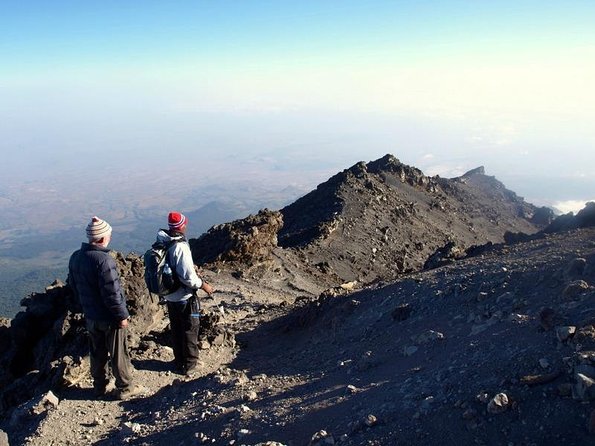
- Midnight wake-up, 1:30am start, sunrise summit at 4,565m
- Armed ranger requirement for the whole hike due to wildlife activity
- Porters pack and manage your hike items, plus hut stays and meals
- Stage-by-stage effort with an option to hike Little Mt. Meru (3,820m)
- Wildlife you might spot includes zebras, giraffes, buffalo, and more
- Small group size (max 15) with a personalized feel
From Arusha to Momella Gate: Day 1’s Walking-Safari Start
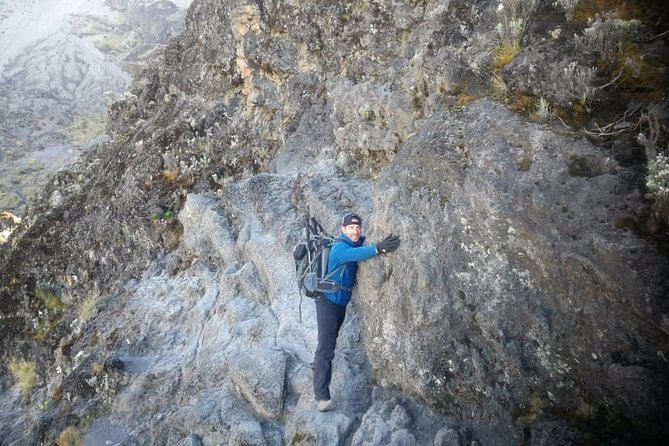
Your trek starts with pickup in Arusha and a ride to Momella Gate in Arusha National Park. Expect an early breakfast around 1,400m, then you’ll register with TANAPA while the porters organize and pack your hiking items. The start time is listed as 9:00am, so it’s very much a morning-focused day.
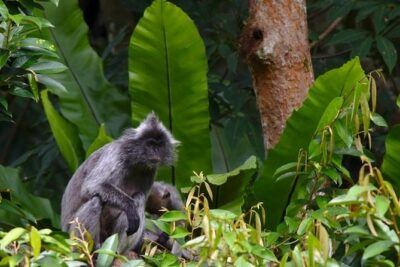
Day 1 is about getting your legs moving without jumping straight into the hardest steep sections. You’ll be hiking in the park in a way that feels like a guided wildlife walk—think animals spotted at eye level rather than the far-off kind you get from a vehicle. The route is described as similar to a walking safari, and you should be alert for zebras, giraffes, antelope, buffalo, and potentially elephants near the trail.
One detail that matters: an armed ranger is required on the hike because wildlife sightings are so likely. That sounds intense, but in practice it’s part of how the area works. It also means you’re not just “hoping” for wildlife—you’re in a protected, managed setup where your guide and ranger are there for both safety and wildlife management.
Timing-wise, Day 1 is listed at about 6 hours. That’s a helpful reality check: you’re building altitude and stamina on Day 1, but you’re not thrown into the summit attempt yet.
You can also read our reviews of more tours and experiences in Arusha.
Ridge Climb and Crater Views: Day 2 for Acclimatization and Options
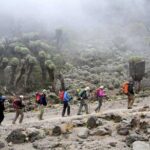
After breakfast, Day 2 shifts toward ascent up a steeper trail along the ridge near the saddle. This is the day where you start feeling the altitude and the workload a bit more, because you’re not just walking through the park—you’re working your way higher with views that keep you motivated.
You’ll have chances for wildlife sightings along the way, and you’ll also start getting those “mountain from inside the story” moments. The trail includes views of Mt. Meru Crater and the Ash Tray, which is one of the signature visual features people watch for on this route. Even when you’re tired, it helps to have something to look at besides your feet.
When you reach camp, there’s a smart option: you can hike Little Mt. Meru to acclimate further (listed at 3,820m). If you’ve ever regretted pushing too hard too fast on a mountain, this is the kind of built-in choice that helps. It’s not mandatory from the schedule, but it’s offered as a way to help your body adjust before the summit push.
Dinner is early so you can rest. Getting to sleep by 7:00pm is part of the plan, and it matters because the final day is a night operation. If you tend to run hot, you might still find yourself cold in the early morning hours—this area can feel very different once the summit attempt gets underway.
Day 2 is listed at about 4 hours. That can sound shorter, but don’t treat it like an easy interlude. It’s a steady, higher-altitude climb day, plus an acclimatization option.
Midnight to Sunrise: Day 3 Summit Attempt on Meru’s Steep Finish
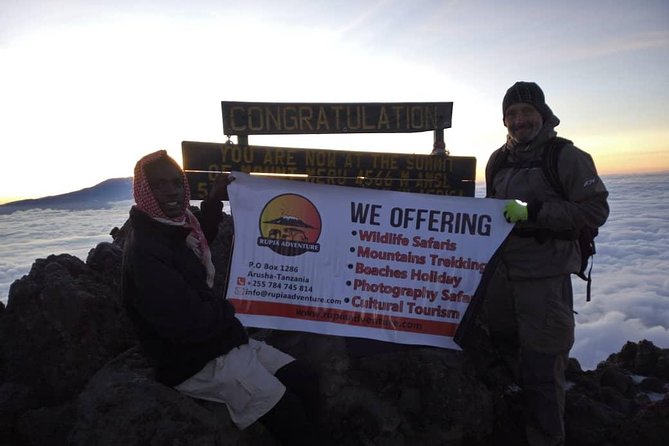
Day 3 is where the whole trek makes its promise. Your guide wakes you at 00:30 with tea and biscuits, then the summit attempt begins at 1:30am. This means you’ll be hiking in the dark for a while, with the kind of steady focus that’s easier than trying to sprint or rush.
The trail starts steep toward Rhino Point (3,800m) and then continues onward to Cobra Point (4,350m). These named waypoints help break the summit attempt into stages, and that’s a real mental trick: you get checkpoints, not just one scary “top” in the distance.
As you gain height, the last hour is described as scrambling on a rocky ridge between the crater and the inner cliffs of Meru. That’s not a boulder field adventure where you can wander freely—it’s careful movement on uneven ground while you keep your pace controlled. Good balance helps, and slow steps win here.
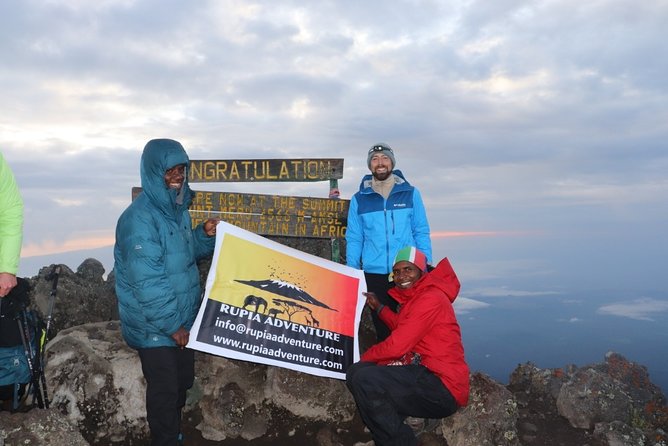
Finally, you reach the summit (4,565m) at sunrise. The views are described as spectacular, especially looking toward the Ash Tray and Mt. Kilimanjaro. You’ll get time for the summit moment and then you’ll descend back to Momella Gate and return to Arusha.
The night-to-sunrise schedule is the core reason this trek stands out as a classic. It’s also why you should plan your fitness and expectations carefully: you’ll be tired, you’ll be cold at the start, and you’ll still need to move efficiently for several hours.
Wildlife, Ranger Rules, and the Real Meaning of Safety Here
This trek includes wildlife activity as a major part of the experience, not a side bonus. The schedule specifically notes that wildlife sightings are very possible, which is why an armed ranger hired through the National Park is required for the duration of the hike.
From a practical standpoint, this matters in two ways. First, you’re more likely to actually see animals because the trek is operating in the right protected zones with the right staff. Second, you’re hiking with professionals who understand how to move in an animal-rich environment.
Also keep in mind that the trek has a strong “follow the system” feel. Registration with TANAPA on the first day, ranger accompaniment, structured rest and dinner timing—it’s all designed to keep the climb controlled and predictable. That predictability is a comfort when the last day begins at 1:30am.
Guides, Porters, and Food: What Makes the Trek Feel Organized
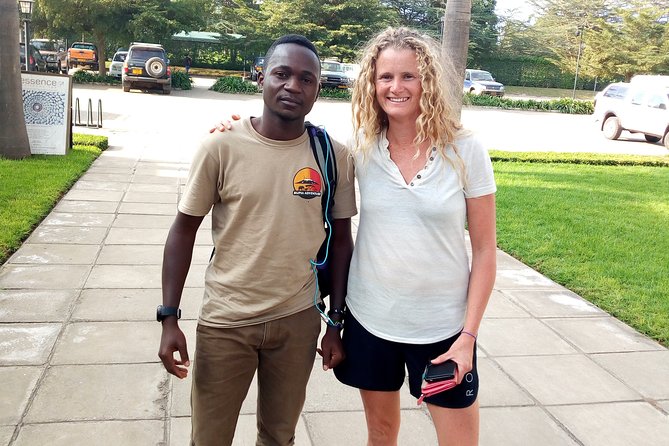
This is a private tour, which you’ll feel in the way the team supports you. You’ll have a private guide and a ranger, plus a cook and porters who help make the trek run smoothly.
The porters are more than carry-bags-and-smiles. They’re described as organizing and packing belongings for your hike early on Day 1. That directly affects your hiking comfort, because you’re not balancing a heavy pack while you climb steep sections and adjust to altitude.
Meals and hut accommodation are included. That’s a big value point in the real world, because planning food and lodging on a mountain can turn into extra cost and extra decisions. Here, your energy management is built into the itinerary: early dinners on Day 2 so you can rest, and a structured night wake on Day 3 so you can summit at sunrise.
One of the strongest signals from the feedback is how much people appreciated the team’s friendliness and support. In one account, the guide Frank was highlighted for sharing information about flora, fauna, and general mountain life. That kind of explanation turns “a tough day on a trail” into “I learned something while I worked.”
Price and Value: Is $800 for 3 Days Worth It?
The price is listed at $800 per person for an approximately 3-day trek. That’s not a budget number, so you should judge it by what you’re actually getting.
Here’s what’s clearly included:
- All meals and hut accommodation
- Admission ticket included (listed with each day)
- Porters who pack and organize your hiking items
- A private guide
- An armed ranger required for wildlife protection
- Pickup offered in Arusha
- Mobile ticket is included
So you’re paying for a package that handles the heavy logistics and the permits/park admission, not just someone walking with you. If you tried to piece this together on your own, the biggest costs would usually be the support team (ranger, guide, porters, cook), the legal park requirements, and the lodging/food supply chain.
Two value checks for you:
- You’re getting a real sunrise summit attempt rather than a short hike with a flexible ending. That night timing is costly to run well.
- You’re not hiking alone. Small group size is listed with a maximum of 15, and the tour is private, so the experience is designed for attention and coordination.
The main “hidden cost” is the one you can’t pay someone else to fix: your fitness and your willingness to move steadily through steep, rocky sections at altitude.
Who Should Book This and Who Should Rethink It?
This trek fits best if you’re comfortable with a physically demanding climb and a night schedule. The booking info asks for strong physical fitness, and the itinerary backs that up with a steep ascent, then a midnight summit push, then a rocky ridge scramble.
It’s also a good match if you like wildlife settings. The hike begins in Arusha National Park and is expected to include wildlife such as zebras, giraffes, buffalo, and possibly elephants. If you’re hoping for animals and not just “views from a mountain,” this route is built for that.
I’d rethink it if:
- You want an easy hike with lots of flexibility and no early morning wakeups.
- You’re not ready for cold start conditions and steep, uneven terrain.
- You’re sensitive to concerns about payment reliability. One low-rating comment mentions issues with wrong bank account details and repayment/communication problems. I can’t verify anything beyond that one statement, but it’s a signal for you to confirm payment instructions carefully and keep proof of transfer.
Should you book this 3-Day Mount Meru trek?
If you want a classic Tanzania mountain experience with wildlife, organized support, and a true summit timing for sunrise, this trek looks like strong value for the inclusions. The combination of porters, hut lodging, meals, admission tickets, and an armed ranger means your job is mainly to hike well and follow the schedule.
I’d book if you’re fit, curious about wildlife in Arusha National Park, and okay with the midnight start. I’d hold off if your fitness level is borderline or if you have any unanswered questions about payment details—because on a trip like this, peace of mind is part of the quality.
FAQ
How long is the Mount Meru trek?
It’s listed as a 3-day trek (approx.).
What is the pickup like?
Pickup is offered from your hotel in Arusha.
Where does the trek start?
You travel to Momella Gate in Arusha National Park for the hike.
What time do you start each day?
The meeting point start time is listed as 9:00am. On Day 3, you’re woken at 00:30 and start the summit attempt at 1:30am.
Are meals included?
Yes. All meals are included.
Is hut accommodation included?
Yes. Hut accommodation is included.
Do you need to buy admission tickets?
Admission tickets are included (listed as included for each day).
Is an armed ranger required?
Yes. An armed ranger hired through the National Park is required for the duration of the hike due to the possibility of wildlife sightings.
What group size should I expect?
The tour is described with a maximum of 15 travelers.
What is the cancellation rule?
This experience is non-refundable and cannot be changed for any reason. If canceled due to poor weather, you’ll be offered a different date or a full refund. If canceled because a minimum number of travelers isn’t met, you’ll be offered a different date/experience or a full refund.