REVIEW · ARUSHA
5 Days Marangu Route – Mount Kilimanjaro Trek
Book on Viator →Operated by Rupia Adventure · Bookable on Viator
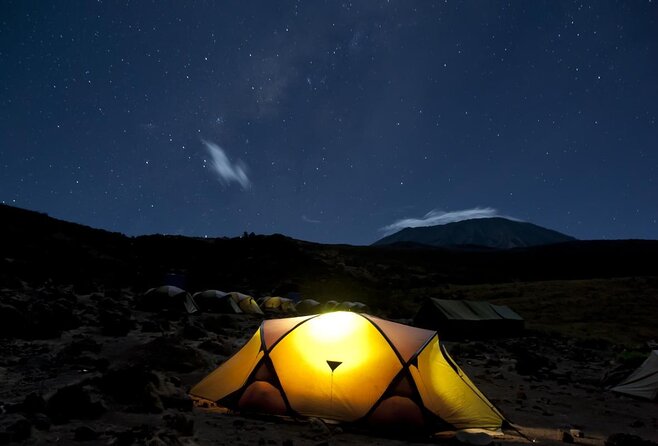
Midnight on Kilimanjaro changes your mood. What makes this trip work is the clear hut-to-hut pacing plus the way Rupia Adventure handles the messy start—airport pickup and a thorough gear check so you don’t arrive under-prepared. I also like the small-group feel (max 15 travelers), which usually means more attention on the trail and at the huts. The only real drawback: the “big day” is long, cold, and tough, especially when you start near midnight.
I really like how the Marangu route stacks nature variety into one trek: rainforest breathing on day two, then the high-zone shift later. You’ll also get strong payoff built into the schedule—views from Horombo Hut and a sunrise milestone at the crater rim before you push on to Uhuru Peak. One consideration: this trek depends on good weather, and conditions can change fast on Kilimanjaro.
In This Review
- Key things I’d circle before you book
- First Step: Kilimanjaro Airport Pickup, Moshi/Arusha Hotels, and Gear Check
- From Marangu Gate to Mandara Hut: Rainforest Walking and Maundi Crater Views
- Mandara to Horombo Hut: Timberline, Heath, Moor Zones, and Big-Time Views
- Horombo to Kibo Hut: Last Water, the Saddle, and a Long Tough Stage
- Summit Night to Uhuru Peak: Midnight Start, Hans Meyer Cave, and Sunrise at Gillman’s Point
- Descent to Mandara and Out at the Park Gate: Warm Lunch, Rainforest Again, and a Real Shower
- Price and Logistics: Does $1,500 Per Person Feel Like Value?
- Who This Trek Fits Best (and Who Should Think Twice)
- Practical Tips to Make Marangu Feel Easier
- Should You Book Rupia Adventure for the 5 Days Marangu Route?
- FAQ
- How long is the trip for this Kilimanjaro trek?
- What does pickup include?
- Where do you start the trek?
- What is the maximum group size?
- What huts and key stops are included?
- When do you start the summit attempt?
- Is gear provided, or can it be rented?
- What is included at the huts and during the descent?
- Are add-ons available after the trek?
- What happens if the trek can’t run due to weather or minimum travelers?
Key things I’d circle before you book
- Airport-to-hotel pickup with a guided equipment check so missing gear can be rented before trekking
- Mandara Hut in the rainforest, with a chance to spot primates along the way
- Horombo Hut at 3,700m and wide views toward Mawenzi, Kibo, and the Masai steppe
- Long, tough progress to Kibo Hut via the Last Water point and the saddle
- Summit push at night: Hans Meyer Cave, then Gillman’s Point at sunrise before Uhuru Peak
- Warm lunch and a real exit from the park through rainforest to the gate, then time to shower and celebrate
First Step: Kilimanjaro Airport Pickup, Moshi/Arusha Hotels, and Gear Check
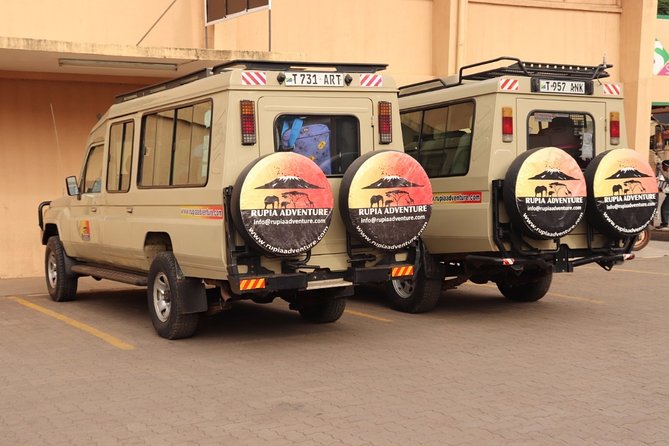
This trek starts the way you want a mountain trip to start: with help before you even step onto Kilimanjaro. You’re picked up at Kilimanjaro International Airport and transferred to your hotel in the Moshi/Arusha area. Then you meet your guide, get a trek briefing, and do an equipment check. If something key is missing, you can rent gear on that day rather than scrambling later.
I like this approach because it lowers risk. On Kilimanjaro, small mistakes snowball. A day bag that’s not comfortable. Shoes that are already broken in… or not broken in enough. Gloves you didn’t think you needed until you’re shivering at altitude. This kind of check makes your first night on the mountain plan feel more solid.
You also get the first “real” sense of the trip from the guide. Even if you’re confident, it’s reassuring to hear how the climb is timed, what to expect from the huts, and what your day rhythm will look like. The trip runs with a maximum of 15 travelers, so you’re usually not lost in a crowd.
You can also read our reviews of more tours and experiences in Arusha.
From Marangu Gate to Mandara Hut: Rainforest Walking and Maundi Crater Views
The trek day begins after breakfast when you’re collected from your lodge in Moshi and taken to the Marangu Gate. There’s paperwork before you start, then it’s straight into dense rainforest walking.
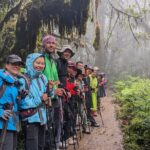
I love rainforest stages on Kilimanjaro because they’re more than scenic. They set your tempo. Trails in the trees tend to be steady, and your body is still warming up. And the guide’s job matters here—guides know how to keep you moving without burning you out early.
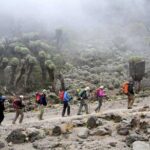
The day’s highlight is how quickly the environment feels alive. You’ll pass impressive vegetation and you may spot primates along the way. Then you reach Mandara Hut for a rest.
After that, your route includes the Maundi Crater viewpoint. You’re not at the summit yet, but this is one of those moments where Kilimanjaro starts looking big-big. It also gives you a sense of perspective for what’s coming later—crater terrain, changing altitudes, and weather shifts.
Mandara to Horombo Hut: Timberline, Heath, Moor Zones, and Big-Time Views
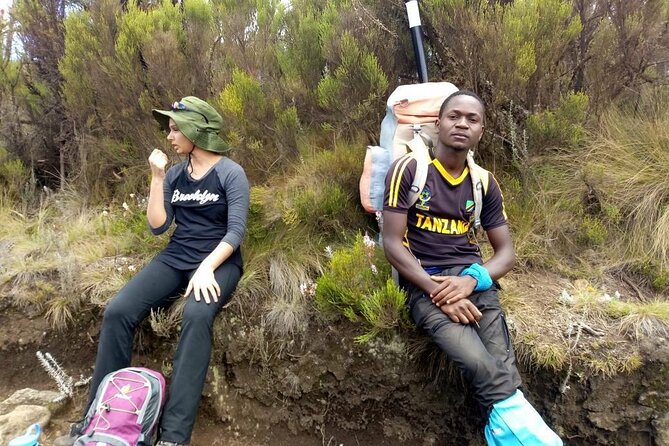
This is where the mountain starts changing its personality. After an early breakfast, you leave Mandara Hut and soon reach the timberline, then continue into heath and moor zones. These areas can feel cooler, more exposed, and more “high altitude” even before you hit the highest points.
The route typically takes around 4–6 hours before Horombo Hut appears at about 3,700m. This hut stop matters. It’s a classic spot for acclimatization because you’re high enough to feel the altitude, but not yet pushing straight into summit terrain.
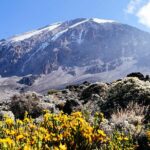
From Horombo Hut, you get fantastic views toward Mawenzi and Kibo, plus wide scenery over the Masai steppe. This is the kind of view that makes you stop eating and just stare for a minute. Don’t worry—you’ll get more of those moments later, but this one is early enough to remind you why you’re doing it.
Horombo to Kibo Hut: Last Water, the Saddle, and a Long Tough Stage
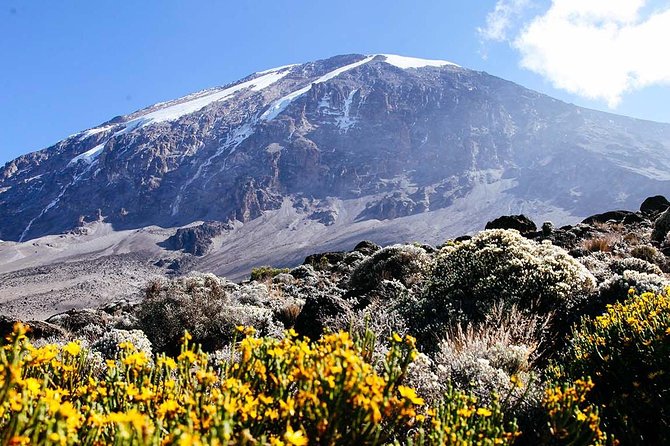
Day four is the grind. Today is described as a long and tough stage, and you should plan for it that way. The trail is well-built, but altitude plus distance equals fatigue.
You’ll pass the Last Water point, then head toward the saddle—a nearly vegetation-less plateau that connects the main summit area around Kibo with Mawenzi. This section can feel stark. It’s also where your pacing strategy really matters: steady, not sprinting.
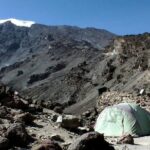
Your target is Kibo Hut, usually reached in about 5–6 hours. Once you arrive, the plan is built for summit night. You’ll eat early and sleep early, because the night is short and your body needs whatever rest it can get.
This is a good moment to be honest with yourself. Summit days are not the time to suddenly decide you love hiking. The whole system depends on you managing effort. If you’ve been pacing well up to Kibo Hut, you’re giving yourself a better chance of handling the cold and the steep push later.
Summit Night to Uhuru Peak: Midnight Start, Hans Meyer Cave, and Sunrise at Gillman’s Point
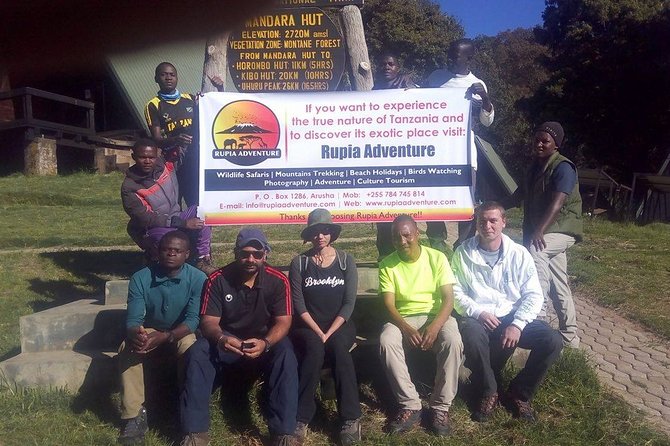
This is the big day—and Kilimanjaro rewards preparation for the cold and the effort more than it rewards luck.
You start your final ascent around midnight, in a long, strenuous climb. At about 5,220m, you pass Hans Meyer Cave. From there, the climb continues upward slowly but persistently.
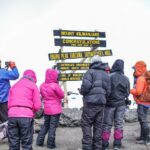
Then comes the payoff: at sunrise, you reach Gillman’s Point (5,681m), the crater rim. This is the moment where the cold from the night starts to feel manageable because the land warms up. You then hike another 1–2 hours to reach Uhuru Peak (5,895m).
Once you’re back down to Kibo Hut, a warm meal is waiting for you. There’s also a 1–2 hour break before you continue the descent to Horombo Hut.
One of the best things about a well-run summit day is how it keeps you mentally busy. Guides help with pacing, with small tips, and with staying focused when the climb turns slow. In past climbs with Rupia Adventure, guides like Franky have shared lots of tips along the way, and other guides such as Meshack and Maziku have been described as fun and smiling throughout—exactly the kind of energy that helps when your legs feel like rubber.

Descent to Mandara and Out at the Park Gate: Warm Lunch, Rainforest Again, and a Real Shower
After summit day, your body will want to move, but your legs won’t always agree. The final descent is planned in stages so you’re not rushing.
The next leg passes back through the heath and moor zone to Mandara Hut (around 2,700m). You’ll have a warm lunch waiting there, which is a big deal. After cold summit conditions, warm food helps your recovery more than you’d expect.
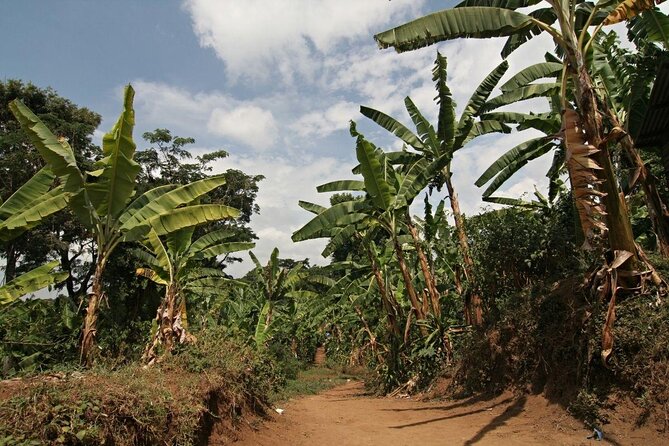
Then you move back down into tropical rainforest. After about 6 hours trekking total on this stage, you’ll reach the Kilimanjaro National Park gate (about 1,860m). From there, you say goodbye to your mountain guides, then transfer back to your hotel in Moshi.
And yes—this part matters. You’ll have time for a warm, relaxing shower and a chance to actually celebrate instead of immediately packing and heading somewhere else.
Price and Logistics: Does $1,500 Per Person Feel Like Value?
At $1,500 per person, this trip sits in the range where you should judge value by what reduces hassle and risk, not just by the route name.
Here’s what you’re paying for that matters:
- Airport-to-hotel pickup and guided transitions around Moshi/Arusha
- A guide-led equipment check so you can rent missing gear before trekking
- A guided, hut-based route with planned stops at Mandara, Horombo, and Kibo
- A maximum group size of 15, which often improves communication and care
- A summit plan with clear timing: midnight start, sunrise at the crater rim, then Uhuru Peak
When you compare the cost to the work involved, the biggest value factor is not the trail—it’s the support system. A good guide and organized logistics reduce the odds that you’ll have to improvise on summit night, when improvising is not fun.
Also, the experience includes mobile ticketing, and you get confirmation at booking time. Those are small things, but when you’re traveling to a remote mountain, any system that lowers friction is worth something.
Who This Trek Fits Best (and Who Should Think Twice)
Most travelers can participate, and this route is a classic option for people who want a structured climb with hut stops and set daily stages.
This fits you if:
- You want a well-timed summit attempt starting around midnight
- You prefer guided navigation and planned meal/hut stops over DIY climbing
- You like having time to rest at Horombo (3,700m) and take on the summit with a focused plan
You should think twice if:
- You struggle with very long days and cold nights
- You’re not comfortable with a tough stage to Kibo Hut and a summit push that feels relentless
- You know you’re sensitive to altitude (and you don’t have a strategy for it)
Kilimanjaro isn’t just a hike. It’s altitude travel. A strong physical effort helps, but smart pacing and the willingness to follow your guide’s rhythm matter just as much.
Practical Tips to Make Marangu Feel Easier
You won’t need fancy mountaineering gear for Marangu the way you would for some other peaks, but you do need comfort at altitude. A few practical pointers based on how the route is run:
- Handle the cold early. Summit starts near midnight, and you’ll be higher and colder than you expect. Plan for wind and temperature drops.
- Pace your day four effort. The route to Kibo Hut is described as long and tough. Start slow; save energy for the saddle section.
- Use your hut time. Your rest at Horombo Hut and the early meal at Kibo Hut are part of the plan, not breaks from it.
- Rely on your guide’s tips. In past trips with Rupia Adventure, guides like John and Julius have been described as professional and strong, and others like Franky shared tips that help on the climb. Listen.
Should You Book Rupia Adventure for the 5 Days Marangu Route?
I’d book this trek if you want the Marangu experience with organized support, a plan that builds toward a midnight summit attempt, and logistics that start with an actual gear check instead of hoping you’re ready.
If you’re unsure, the main thing to weigh is the reality of the mountain. This experience requires good weather, and on Kilimanjaro, conditions can decide your outcome. Also, this booking is non-refundable and can’t be changed for any reason—so make sure your schedule is firm.
But if your dates are solid and you’re ready for a serious climb, this route has a satisfying arc: rainforest into moorland, a classic hut rhythm at Horombo and Kibo, a sunrise moment at Gillman’s Point, and a controlled descent back into warm lunches and showers.
FAQ
How long is the trip for this Kilimanjaro trek?
The full experience is listed as about 7 days. The mountain trekking covers the core 5-day Marangu route stages, with time before and after for pickup, hotel overnight, and winding down.
What does pickup include?
You can be picked up and transferred. You are picked up at Kilimanjaro International Airport and transferred to your hotel in Moshi town, and you’re also collected from your lodge in Moshi to start trekking at Marangu gate.
Where do you start the trek?
You start trekking at the Marangu gate after paperwork is completed.
What is the maximum group size?
This experience has a maximum of 15 travelers.
What huts and key stops are included?
You hike from Mandara Hut to Horombo Hut and then to Kibo Hut for the summit stage. After the summit, you descend back through Horombo Hut to Mandara Hut and then exit via the Kilimanjaro National Park gate.
When do you start the summit attempt?
You begin the final ascent around midnight, pass Hans Meyer Cave at about 5,220m, reach Gillman’s Point at sunrise (about 5,681m), and then hike on to Uhuru Peak (about 5,895m).
Is gear provided, or can it be rented?
There is an equipment check at the start, and gear which is missing can be rented on the first day.
What is included at the huts and during the descent?
Meals are planned around the hut stages. For example, there’s a meal at Kibo Hut after the summit, a warm meal and early night before the summit stage, and a warm lunch at Mandara Hut during the descent.
Are add-ons available after the trek?
Yes. Safari and Zanzibar add-ons are available if you want to continue exploring Tanzania.
What happens if the trek can’t run due to weather or minimum travelers?
This experience requires good weather. If it’s canceled due to poor weather, you’ll be offered a different date or a full refund. If it’s canceled because the minimum number of travelers isn’t met, you’ll be offered a different date/experience or a full refund.