REVIEW · ARUSHA
6 Days Trekking Marangu Route Mount Kilimanjaro
Book on Viator →Operated by MERU SLOPES TOURS AND SAFARIS · Bookable on Viator
Huts beat tents on Kilimanjaro. I love how the Marangu Route stays constant and moderate for most of the trek, and I love that it uses simple mountain huts instead of camping. It’s set up for comfort and flow, but you still have to respect the mountain.
My one real caution is the summit push: the final night gets steep and rocky, with tough sections that demand grit and good pacing. You’ll do more work than you expect, especially around the crater area. Still, the schedule includes a helpful acclimatization day, which makes a difference.
The guiding matters here, and the names Michael and Yano show up for good reason. This operator also keeps communication tight and looks after food and accommodation well. For a first Kilimanjaro attempt, that matters more than fancy promises.
In This Review
- Key things that make this trek worth your attention
- Why the Marangu Route feels easier, even when the mountain won’t play nice
- Day 1: rainforest breathing, Kisambioni picnic, and Mandara Hut comfort
- Day 2: moorland trekking to Horombo Hut and Mawenzi/Kibo views
- Day 3 acclimatization at Horombo: Zebra Rocks is the smart move
- Day 4 into the alpine desert: last water at 13550 ft and an early sleep
- Day 5 summit night: Hans Meyer Point to Gillman’s Point on steep stone scree
- Day 6 descent to Marangu Gate: cloud forest, slippery steps, and certificates
- Huts, food, and the guide-porter machine that keeps you moving
- Price and value: $1,900 plus what you still need to plan for
- Who should choose this trek, and who might want a different plan
- Should you book this 6-day Marangu trek?
- FAQ
- How long is the Marangu Route trek?
- Where does the trek start?
- What kind of accommodation is used during the climb?
- Are meals included?
- What’s included in the tour price?
- What is not included?
- How do summit certificates work?
- What is the cancellation policy?
Key things that make this trek worth your attention
- Hut-based comfort on a route often seen as the easiest option: simple mountain huts for overnight stays.
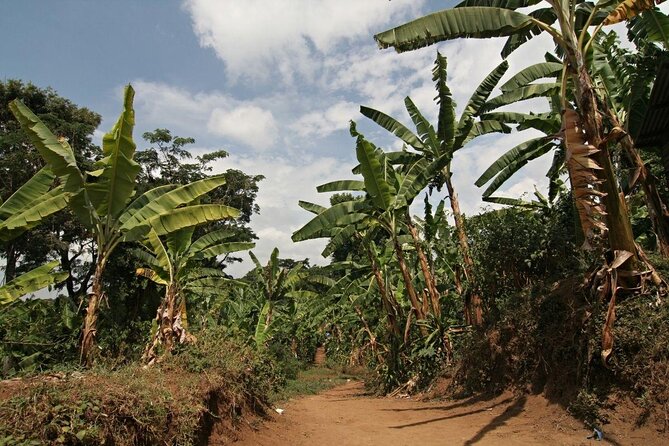
- Rainforest to moorland to alpine desert to cloud forest: big changes in scenery across the 6 days.
- An acclimatization day that isn’t wasted time: extra time at Horombo and a recommended hike toward Mawenzi/Zebra Rocks.
- Clear schedule for the summit night: wake at about 2330hrs and tackle the steep crater rim sections.
- Small group size (up to 6): easier to manage pacing and logistics.
- Summit certificate clarity: silver for Gillman’s Point and gold for Uhuru Peak.
Why the Marangu Route feels easier, even when the mountain won’t play nice
The Marangu Route is often chosen for one main reason: it’s well-developed and keeps you moving at a manageable rhythm for much of the climb. You get a steady progression through distinct zones of Kilimanjaro, which helps your mind stay focused and your body work without constant surprise steepness.
The big comfort win is sleeping in mountain huts. These aren’t luxury rooms, but they’re usually easier to handle than tent camping, especially if you’re tired from a full day of walking. If you’ve been worried about wind, wet gear, or setting up camp, this style reduces that stress.
That said, Kilimanjaro is still Kilimanjaro. The schedule may feel gentle most days, but the summit night and the crater rim are physically demanding. Think of Marangu as more “human-friendly” than “easy.”
You can also read our reviews of more tours and experiences in Arusha.
Day 1: rainforest breathing, Kisambioni picnic, and Mandara Hut comfort
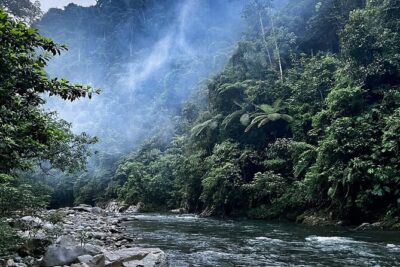
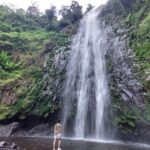
You start from Arusha/Moshi around 0800hrs, then head to Marangu Gate for mountain climb registration. After that, your trek begins on a narrow trail through rainforest. This is where the mountain starts teaching you its rules: steady effort, focused steps, and getting used to the feel of the air.
Most of the day is spent in the rainforest. Then you stop for a picnic lunch at Kisambioni, the halfway point for Day 1. I like this mid-day reset because it breaks the monotony—also it gives you a moment to re-check your layers.
After lunch, you keep going through the rainforest until you reach Mandara Hut. You relax the rest of the day, or you can take a short walk toward Mahundi Crater. On clear days, the short hike is worth it for the views, including eastward outlooks over Taveta and northwest views toward Mawenzi Peak.
Practical note: rainforest trails can be slippery underfoot, so slow down even if the gradient feels mild.
Day 2: moorland trekking to Horombo Hut and Mawenzi/Kibo views
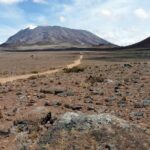
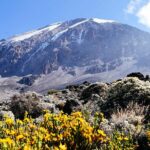
Day 2 begins after breakfast at Mandara Hut. You move from forest into Kilimanjaro moorland, which feels more exposed and rocky—like a high-altitude desert with tough plants. This change is important. It means less shade, different footing, and a stronger need for steady breathing.
Your picnic lunch is at Kambi ya Taabu before continuing toward Horombo Hut. If the skies cooperate, you can enjoy views of Mawenzi and Kibo. Even if the weather isn’t perfect, the rhythm of the trail is what counts: you’re building altitude gradually without burning yourself out.
You typically arrive at Horombo around 1500hrs, then have the afternoon to rest. Use this time well: sleep if you can, drink fluids, and keep your body calm.
Day 3 acclimatization at Horombo: Zebra Rocks is the smart move
Day 3 is your built-in altitude insurance. You stay another day and night at Horombo, which helps your body adjust before the summit push. This extra time isn’t just for show—it often determines how you feel when temperatures drop and the trail steepens.
The standout activity is a hike toward Mawenzi, passing Zebra Rocks on the way. The hike is about 3 hours up and 1.5 hours down, so it’s long enough to help acclimatization but not so long that it wrecks you. I like routes that give you a guided way to acclimatize instead of just telling you to rest.
On a clear day, this is also when you’ll likely feel the mountain’s scale. You’re still walking, but it feels more purposeful because you know why you’re doing it.
Day 4 into the alpine desert: last water at 13550 ft and an early sleep
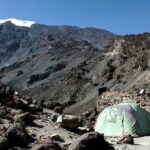
After breakfast on Day 4, you climb into the Alpine desert. This is where the air feels thinner and the terrain turns harsher. You pass the last water point at 13550 ft / 4130m, so you’ll need to fill your water bottles with everything you’ll need until you return to Horombo in about two night’s time. Mineral water is mentioned as something you can buy at Kibo Hut, but the key idea is planning ahead.
Then comes the big jump in height: the summit is another 3921 ft / 1195m up, and your final ascent begins the same night. Your guide will have you go to bed around 1830hrs, and the goal is simple: sleep as much as possible.
This is one of those “boring but decisive” days. If you treat it like a normal travel afternoon, the night climb can feel brutal. If you protect your sleep and stay disciplined with drinking, you’ll be in a better position.
Day 5 summit night: Hans Meyer Point to Gillman’s Point on steep stone scree
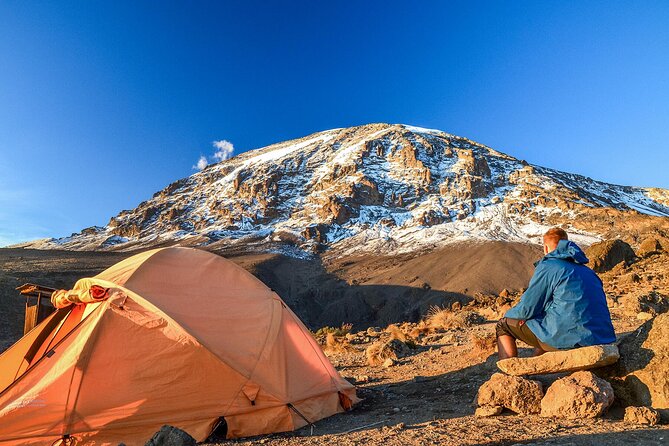
Around 2330hrs, you wake up. You get tea and biscuits, then you start the climb into darkness. This is where Marangu becomes real Kilimanjaro: the trail is rocky and the effort is heavy.
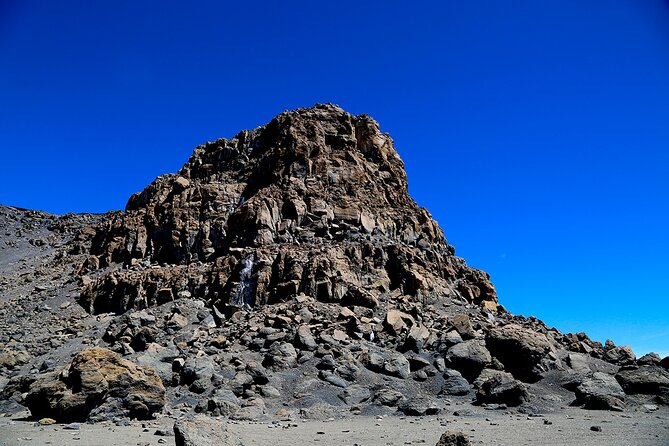
First you reach Hans Meyer Point (17225 ft / 5250m), which also works as a solid resting spot. Then you tackle the zigzag up to Gillman’s point (18639 ft / 5681m). This section runs on a crater rim and is described as very steep with lots of stone screed. Expect a lot of pushing and a lot of concentration.
If you’ve never climbed on loose, slanted rock at altitude, it’s worth knowing that your legs may feel fine while your mind tires. The trick is steady movement, short pauses, and staying calm when the slope looks mean.
Day 6 descent to Marangu Gate: cloud forest, slippery steps, and certificates
After breakfast, you end the trek with a descent to Marangu Gate. The final walking is described as beautiful through Kilimanjaro’s cloud forest. This part often feels like relief because you’re moving downhill, but don’t assume it’s easy.
The trail can be slippery on the way down. Watch your step, keep your weight balanced, and don’t rush. Knee fatigue is common on any steep descent, even when the scenery helps.
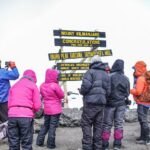
At Marangu Gate, you sign for departure. This is also where summit certificates are issued. If you reached Gillman’s Point, you receive silver. If you reached Uhuru Peak (19341 ft / 5895m), you receive gold.
I like that the certificate system is clear. It turns the day into a trackable goal, even if conditions limit what you can safely do.
Huts, food, and the guide-porter machine that keeps you moving
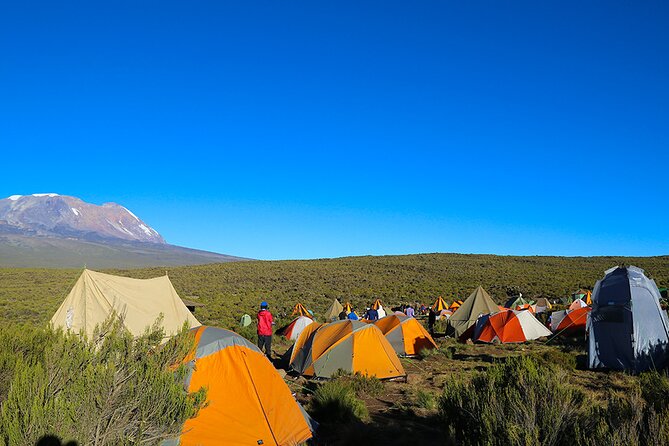
Marangu uses simple mountain huts, and that’s the balance of the route. You trade a more rugged camping experience for easier overnight logistics. Your comfort level may not feel like a hotel, but it can reduce the mental load of managing gear in harsh conditions.
Meals are included throughout the trek: breakfast (7), lunch (7), and dinner (7). This matters more than people expect. When you’re climbing at altitude, inconsistent meals become fuel problems, and fuel problems become mood problems. With meals planned by the team, you can focus on the next step.
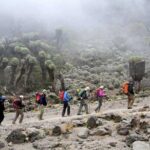
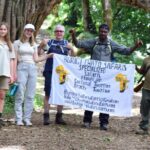
The operator includes guides, porters, and cooks’ salaries in the price. From the feedback associated with this company, there’s a strong emphasis on attentiveness—especially when guides like Michael and Yano are involved. One note that stands out: porters are described as hardworking, and they may also help with smaller daypacks so you’re not carrying everything. That can make a real difference in comfort.
Group size is capped at 6 travelers, so your guide can manage pacing and help troubleshoot slowdowns. A smaller group also usually makes it easier to keep a consistent hiking rhythm.
Price and value: $1,900 plus what you still need to plan for
At $1,900 per person, you’re paying for a fully guided, organized climb with a lot of the “paperwork and staff” costs handled. Included items cover all fees and taxes, park fees, professional guides, porters and cook staffing, plus arrival and departure transfers and private transportation. There are also nights accommodation before climbing included, which helps you avoid scrambling for a bed before your first trek day.
You also get all meals during the trek, and the tour includes pickup. Add a mobile ticket and you’ve got fewer moving parts before you even step on the trail.
What’s not included is important: international and domestic flights, visa fees, tips, mountaineering insurance, and alcoholic beverages. If you’re budgeting, tips and insurance are the two easy-to-miss items, and they can change your real total.
Bottom line: this price feels most like value if you want less logistics stress and more guided structure—especially for your first Kilimanjaro attempt.
Who should choose this trek, and who might want a different plan
This tour says most travelers can participate, and the Marangu Route’s “moderate and constant” description fits people who want an easier route to summit. If you prefer huts over camping, like the idea of staying in one main lodging style most nights, and want clear meal support, you’ll probably appreciate this setup.
It’s also a good fit if you want a schedule that includes a real acclimatization day at Horombo. The recommended Zebra Rocks hike is a useful way to build comfort with altitude rather than guessing your way through.
If you hate early nights, dislike steep rocky climbing in the dark, or want a more adventurous camping-based experience, Marangu might feel like the wrong match. The summit night is still tough—just more “manageable” in planning than in physical effort.
Should you book this 6-day Marangu trek?
I’d lean yes if you want a structured Kilimanjaro attempt with hut accommodation, full meal support, and a route that stays steady for most days. The extra acclimatization day plus a clear summit-night plan are the kind of details that help you finish with energy instead of regret.
Before you book, be honest with yourself about the hardest part: the steep, rocky climb at night toward the crater rim. If you train your legs and you take sleep and water seriously, you give yourself the best odds.
Also, since the maximum group size is 6, it’s worth making sure your hiking pace is compatible with the group. If you tend to go fast, ask for a steady tempo from day one.
FAQ
How long is the Marangu Route trek?
The itinerary runs for 6 days approximately.
Where does the trek start?
You depart Arusha/Moshi around 0800hrs to Marangu Gate for registration, and the start time is listed as 7:00 am.
What kind of accommodation is used during the climb?
Overnights are in simple mountain huts.
Are meals included?
Yes. Breakfast, lunch, and dinner are included for 7 meals total each day type across the trek.
What’s included in the tour price?
The price includes all fees and taxes, private transportation, pre-climb nights accommodation, professional guides, arrival and departure transfers, guide/porter/cook salaries, park fees, and the meals listed above.
What is not included?
Not included are international and domestic flights, visa fees, tips, alcoholic beverages, and mountaineering insurance.
How do summit certificates work?
If you reach Gillman’s Point you receive a silver certificate. If you reach Uhuru Peak, you receive a gold certificate.
What is the cancellation policy?
You can cancel for a full refund up to 24 hours before the experience’s start time. If it’s canceled due to poor weather, you’ll be offered a different date or a full refund.