REVIEW · ARUSHA
5 Days Marangu Route Kilimanjaro Trekking
Book on Viator →Operated by Mafie Adventures · Bookable on Viator
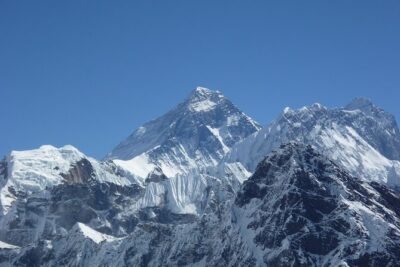
Climb in huts, then chase sunrise at 5,895m. The Marangu Route is the classic Kilimanjaro option, nicknamed the Tourist Route and the Coca-Cola Route for a simple reason: it’s the most popular way up, and it uses mountain huts for sleeping. I like that it also mixes big scenery changes in a short time, from dense rainforest to high moorland and finally the crater rim views.
I love the sleeping huts style of trekking here. Your package also includes porterage and the day-to-day meals (breakfast, lunch, dinner), so you can focus on pacing and breathing instead of logistics. One possible drawback: this route is busy by design, and the summit day is still brutally long, so the “popular” factor doesn’t make it easier.
I also like the human side of the operation. In one solo climb experience connected with Mafie Adventures, the guide Walter was described as patient and helpful with comfort, and the team stepped in when someone hadn’t done much prep last minute. This is a private tour, so the experience stays more tailored to your group than a big cattle-train model.
5 key reasons the Marangu Route trip feels worth it
- Hut-based trekking with drinks stops: Marangu’s reputation for hut sleeping and refreshment breaks is built into the route style.
- The summit plan has clear milestones: midnight ascent, sunrise at Gillman’s Point, then Uhuru Peak at 5,895m.
- Support is baked in: porterage plus meals throughout the trek reduce the number of things you must carry and manage.
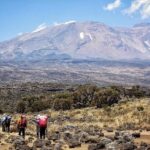
- You switch ecosystems fast: rainforest, timberline, heath and moor, saddle, and the crater rim—within five days.
- Guides can matter on hard days: prior experience tied to this provider highlighted a patient guide (Walter) and responsive support.
In This Review
- Marangu Route Hut Trek: what makes it different on Kilimanjaro
- Price and what you actually get for $1,800.16 per person
- Where the trek starts: Arusha meeting point and Moshi pickup timing
- Day-by-day Marangu Route: rainforest to moorland to crater rim
- Day 1: Moshi pickup, paperwork at Marangu Gate, and Mandara Hut in the rainforest
- Day 2: Mandara to Horombo Hut at 3,700m and the Mawenzi/Kibo views
- Day 3: The long stage to Kibo Hut via Last Water and the saddle
- Day 4: Summit night—Hans Meyer Cave, Gillman’s Point at sunrise, and Uhuru Peak
- Day 5: From Mandara Hut back to the gate through tropical rainforest
- The summit stage mindset: timing at midnight, sunrise, and coping with cold
- Huts, meals, and porterage: why included comfort matters at altitude
- What to bring (and what you can rent)
- Who this Marangu trek suits best
- My booking check: should you book this 5-day Marangu climb with Mafie Adventures?
- FAQ
- How long is the Kilimanjaro trek on the Marangu Route?
- What time does the trek start?
- Where does the trekking start and where does it end?
- Is this a private tour?
- What meals are included?
- Do I need to bring a sleeping bag and climbing gear?
Marangu Route Hut Trek: what makes it different on Kilimanjaro
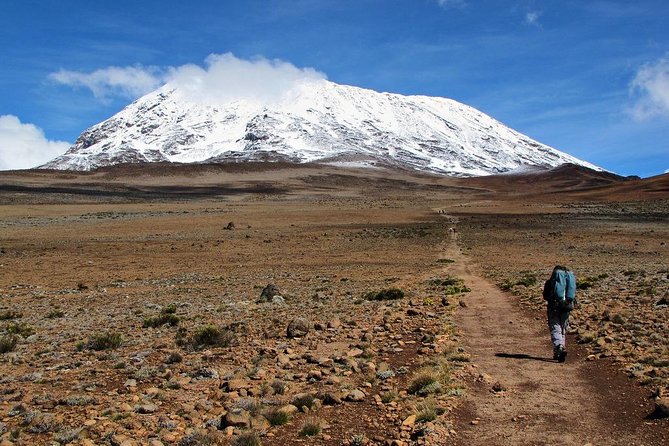
The Marangu Route is often the first Kilimanjaro trek people compare, and for good reason. It’s the mountain’s best-known “tourist-friendly” route because it’s accessible, well-trodden, and built around huts instead of long stretches of camping.
That choice changes the feel of the climb. With huts as your base stops, you’re not constantly dealing with pitching tents or full camp chores. You still carry yourself (and you’ll still work hard), but your energy goes into walking and acclimatizing, not camp setup.
It also earns the nickname Coca-Cola Route for a very practical reason: on Marangu, you’ll find hut rest stops along the way that serve beverages during the trek. Don’t treat it like a guarantee of soda at every turn, but the route’s identity is drinks and comfort breaks—helpful when temperatures drop fast at altitude.
Price and what you actually get for $1,800.16 per person
At $1,800.16 per person for about 5 days, this trek isn’t a budget hike. It can still be good value if you look at what’s included versus what most people end up paying separately.
Here’s what your package covers:
- Camping equipment like tents, mess tent, mattress, and cooking equipment
- Accommodation during the trek (the route is hut-based, and the package covers lodging)
- Rescue fees, parking fees, and taxes/VAT
- Professional driver/guide
- Porterage
- Meals: 4 breakfasts, 5 lunches, and 4 dinners
Then the main things left for you:
- Climbing gear and sleeping bag (rentals are available)
- International flights
- Accommodation before and after
- Personal items like souvenirs, travel insurance, and visa fees
- Bath towels
- Tips
- Possible changes in park fees/taxes if government-imposed increases happen
The value equation for me is simple: if you’d otherwise have to arrange guides, transport, porter help, and most meals separately, this package saves real time and stress. If you already have the right gear and you’re confident planning every detail, you might save money by going leaner. But for most people, the included support is the point.
You can also read our reviews of more tours and experiences in Arusha.
Where the trek starts: Arusha meeting point and Moshi pickup timing
The tour is anchored in Arusha, Tanzania, with the meeting structure starting at the Arusha meeting point and the activity ending back at the meeting point. Your day-one flow includes pickup from your lodge in Moshi, then paperwork at the Marangu gate before the hike begins.
Also note the timing: the experience lists a start time of 1:30am. That matters because Kilimanjaro runs on mountain-clock logic. You’ll likely be up early, and you’ll want to be rested enough to handle midnight-to-dawn summit work on Day 4.
If you’re the type who hates waiting around in the dark, build in extra buffer time in Arusha/Moshi. You don’t want your logistics to steal energy from your acclimatization.
Day-by-day Marangu Route: rainforest to moorland to crater rim
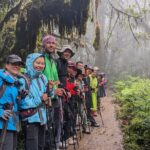
Day 1: Moshi pickup, paperwork at Marangu Gate, and Mandara Hut in the rainforest
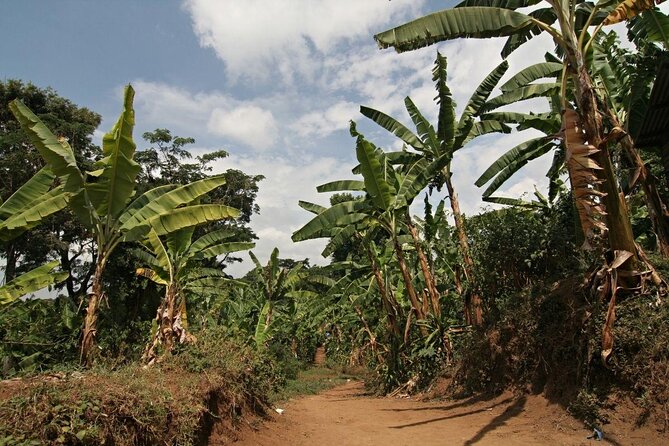
You’ll start after breakfast with pickup from your lodge in Moshi, then transfer to the Kilimanjaro National Park area. After the necessary paperwork, your trek begins through dense rainforest.
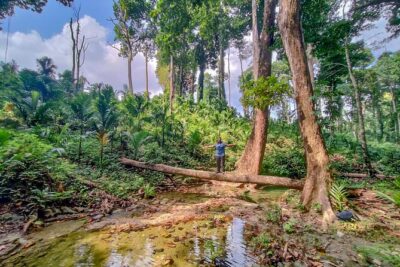
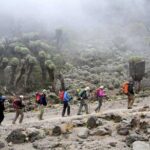
This is the day where the mountain feels alive. You’ll move along with thick vegetation, and there’s a decent chance to spot primates as you hike. The walking isn’t trivial, but the rainforest can make the early hours feel less like a cold expedition and more like a long nature walk with altitude in the background.
Stop: Mandara Hut
Distance: 8.3 km / 5.2 mi
Time: about 5 hours
Later, your guide can take you to Maundi Crater for views toward the Kenyan interior. That’s a nice bonus because it breaks up the day and gives you something to look at besides your boots.
Day 2: Mandara to Horombo Hut at 3,700m and the Mawenzi/Kibo views
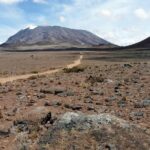
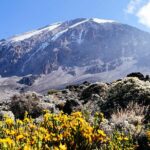
Day 2 is longer: you leave Mandara Hut, climb through timberline, then enter heath and moor zone. The change in plants is one of the clues you’re working upward into a different climate. It’s also where the air can feel drier and colder than the rainforest days.
Stop: Horombo Hut at 3,700m
Distance: 12.5 km / 7.8 mi
Time: about 9 hours
From the hut, you get expansive views over Mawenzi, Kibo, and the wide plain of the Masai steppe. This is the “slow down and take it in” stage. The hike is hard, but the reward is big.
Day 3: The long stage to Kibo Hut via Last Water and the saddle
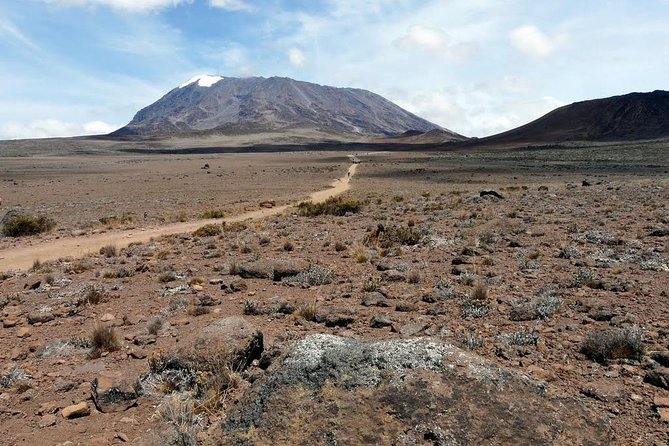
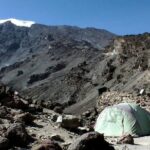
Today’s route is tough and mentally draining, mostly because it’s a long, steady push. The trail passes the so-called Last Water point. After that, you’ll reach the saddle, a nearly vegetation-less plateau connecting the main summit area and the views between major peaks.
Stop: Kibo Hut
Distance: 9.5 km / 5.9 mi
Time: about 7 hours
You’ll usually reach Kibo Hut in 5 to 6 hours, then have an early evening meal. The plan calls for an early night because your summit day is coming fast. This is one of those “your body will thank you later” moments—sleep and warmth are fuel here.
Day 4: Summit night—Hans Meyer Cave, Gillman’s Point at sunrise, and Uhuru Peak
This is the Big Day, and it’s the one you should prepare for the most. You begin the final ascent around midnight, long and strenuous.
Along the way you pass Hans Meyer Cave at 5,220m. The climb is slow but steady. Then you’ll aim for sunrise at Gillman’s Point (5,681m), where the crater rim views start to warm up as the sun hits.
After another 1 to 2 hours, you reach Uhuru Peak (5,895m). That’s the headline moment, but the best way to think about it is as a finish line you work toward in stages. You’re going up into cold air, often in a slow grind. When you reach the peak, it feels earned in every step.
Then comes the return. On the way back, warm meal time is built in at Kibo Hut. After a short break (1 to 2 hours), the plan continues down toward Horombo Hut. So even after the summit, you’re still walking.
Distance: 22 km / 13.7 mi
Time: about 12 to 15 hours
Day 5: From Mandara Hut back to the gate through tropical rainforest
By Day 5, your legs are tired, but the route is a relief in a different way. You pass through heath and moor zone to Mandara Hut (2700m), where a warm lunch is waiting.
Then you head down into tropical rainforest again. It’s a nice contrast from the stark high zones. The final stretch is your last major transition from high altitude back toward the gate area.
Finish point: back at the Kilimanjaro National Park Gate (1,860m)
Distance: 20.8 km / 12.9 mi
Time: about 8 hours
Once you wrap up trekking, your mountain guides are thanked, and you’ll transfer back to your hotel in Moshi. Then you get the practical reward: warm shower and time to breathe like a normal human.
The summit stage mindset: timing at midnight, sunrise, and coping with cold
The itinerary gives you a detailed rhythm: midnight start, sunrise at Gillman’s Point, then peak access. That structure is useful because it keeps you oriented when everything feels cold and slow.
Here’s what I think you should focus on during the summit window:
- Keep your pace controlled rather than racing your breath.
- Expect cold from the first hours. The plan is designed so warmth becomes more manageable once sunrise warms the crater rim.
- Treat every altitude milestone as a marker, not a full destination. Hans Meyer Cave (5,220m) is a checkpoint. Gillman’s Point (5,681m) is the sunrise goal. Uhuru Peak is the final step.
Also: this route is known as popular. That can mean more people on the mountain, which can help with morale when you see others moving. It can also mean a packed feel. Either way, don’t let the crowd set your pace.
Huts, meals, and porterage: why included comfort matters at altitude
Your trek includes meals throughout: breakfast on 4 days, lunch on 5 days, dinner on 4 days. That’s important because altitude appetite changes. When food is handled for you, you can eat when you can, not when you happen to find a shop.
Porterage is another underrated value. It reduces your load and helps you stay in the walking zone, especially during the long sections and the summit day.
And while the route is hut-based, your package also includes camping equipment like tents and a mess tent. That suggests your support team is managing the on-the-ground setup so you can focus on moving. For you, that typically means less time worrying about gear organization and more time putting energy into steps.
What to bring (and what you can rent)
The tour leaves some key items to you, with rentals available:
- Climbing gear (rentable)
- Sleeping bag (rentable)
So you should plan to pack for cold nights and early mornings. Even if it doesn’t say exact temperatures, the summit time and the altitudes (up to 5,895m) make cold weather gear non-negotiable.
You should also plan for:
- Personal items (souvenirs are optional, travel insurance might be important for you)
- Bath towels are not provided
- Tips are not included, so keep some budget aside for your guide and crew if that’s your style
If you’re tempted to travel light, remember this trek uses specialized equipment. A last-minute gear scramble can happen if you don’t arrange rentals early.
Who this Marangu trek suits best
This is a good fit if:
- You want a classic route with hut stops rather than a full camping setup
- You prefer a guided experience with meals and porterage included
- You like an established path where the mountain is easier to follow
- You’re traveling with a group and want a private setup that stays focused on your team
It may be less ideal if:
- You dislike crowded trails and the “touristy” feel that comes with Marangu
- You want maximum solitude on summit night
- You’re hoping to make the trek very budget-friendly by handling everything yourself
Family-style trekking can be possible because the route is structured and supported, but the summit day is still a long hard push. Your comfort and fitness level should match the demands.
My booking check: should you book this 5-day Marangu climb with Mafie Adventures?
If you want a well-supported Kilimanjaro climb where your days have structure—rainforest start, hut stops, a clear summit rhythm, and a final return through rainforest—this option makes sense. The included meals, porterage, and support equipment are where the value sits.
Before you say yes, I’d do two things:
- Confirm what you already own versus what you must rent (sleeping bag and climbing gear).
- Mentally commit to the reality that Day 4 is long. You’re walking in cold and thin air for many hours, even after sunrise.
Also, this experience is listed as non-refundable and not changeable, so check your calendar twice. A trek like this deserves firm plans.
If you can meet the gear needs, respect the summit day, and don’t mind a popular route, you should feel confident booking.
FAQ
How long is the Kilimanjaro trek on the Marangu Route?
The itinerary is set for about 5 days.
What time does the trek start?
The experience lists a start time of 1:30am.
Where does the trekking start and where does it end?
The tour starts with an Arusha, Tanzania meeting point. The trek begins after pickup from Moshi and paperwork at the Marangu gate, and the activity ends back at the meeting point.
Is this a private tour?
Yes. It is described as a private tour/activity, meaning only your group participates.
What meals are included?
The included meals are 4 breakfasts, 5 lunches, and 4 dinners.
Do I need to bring a sleeping bag and climbing gear?
Sleeping bag and climbing gear are not included, but they are available for rent.