REVIEW · KATHMANDU
Everest Base Camp Trek – 16 Days
Book on Viator →Operated by Nepal Intrepid Treks · Bookable on Viator
Everest starts with a flight. From Kathmandu, you go straight to the sharp drama of Lukla before settling into the Kalapatthar sunrise that makes the whole trek feel real. You’ll walk through Sherpa villages, spin prayer wheels, and spend days gaining altitude the smart way.
I love the way this itinerary builds in acclimatization stops in Namche Bazaar and Dingboche, so you’re not just rushing higher and higher. I also like the practical package: most trek meals are included, you get hot showers in key stops, and you’re even provided a sleeping bag and down jacket for the trek.
One consideration: Lukla flights are weather-dependent. If conditions are bad, expect potential delays and plan to stay flexible.
In This Review
- Key things I’d highlight before you go
- Kathmandu warm-up: where the trip starts to feel tangible
- Getting your first real altitude: Lukla flight and Phakding
- Namche Bazaar plus Sagarmatha National Park: the real acclimatization practice
- Day 5: rest that counts in Namche
- Tengboche and monastery mornings: forests, prayer flags, and focus
- Dingboche and Nagarsan Hill: altitude management you’ll respect later
- Toward Lobuche: going slow, passing memory, and feeling the thinner air
- Everest Base Camp and Gorekshep: the prayer-flag payoff
- Kalapatthar sunrise: why the early wake-up feels worth it
- The return to Namche and beyond: same trail, different brains
- Kathmandu days 15 and 16: the decompression you earn
- What you get for your money: included value that helps you focus
- The real risks and how this trek handles them
- Who should book this Everest Base Camp trek
- Should you book this trek?
- FAQ
- Where is the trek meeting point in Nepal?
- Are the flights to Lukla included?
- How many people are in the group?
- What’s included for meals during the trek?
- Is hot water available while trekking?
- Do I need my own trekking equipment?
- Can oxygen be provided?
Key things I’d highlight before you go
- Acclimatization days you can actually feel in your body (Namche and Dingboche)
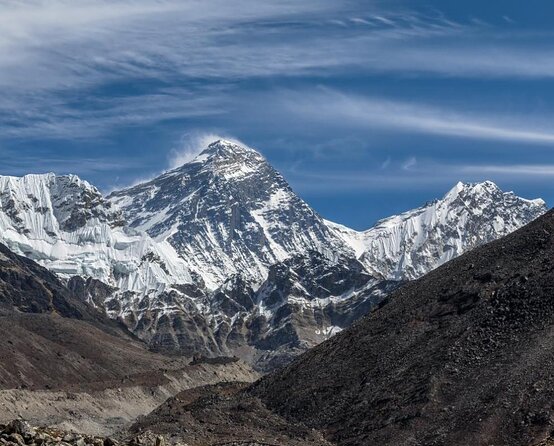
- Two big view moments: Everest View Hotel in the afternoon and Kalapatthar for sunrise
- A guided, staffed trek team setup with an English-speaking guide and porter support
- Included trek essentials like permits, paperwork, meals, and key warm gear
- Route highlights without extra fuss: monasteries, bridges, and the Everest Base Camp prayer-flag stretch
Kathmandu warm-up: where the trip starts to feel tangible
Your trek begins in Kathmandu, with a dedicated travel companion and a private vehicle pickup and drop. Day 1 is simple: get from Tribhuvan Airport to a 3-star hotel with room and breakfast, then get your bearings. This matters more than it sounds. Kathmandu is busy, noisy, and hot, and you’ll burn energy just staying awake and figuring out logistics.
Day 2 is a prep day plus a stroll. I like that it’s not packed with driving and long tours. You need time to take in Nepal’s rhythm, buy or double-check essentials, and mentally shift from city mode to mountain mode. If you’re prone to travel stress, this kind of buffer helps a lot.
You can also read our reviews of more tours and experiences in Kathmandu.
Getting your first real altitude: Lukla flight and Phakding
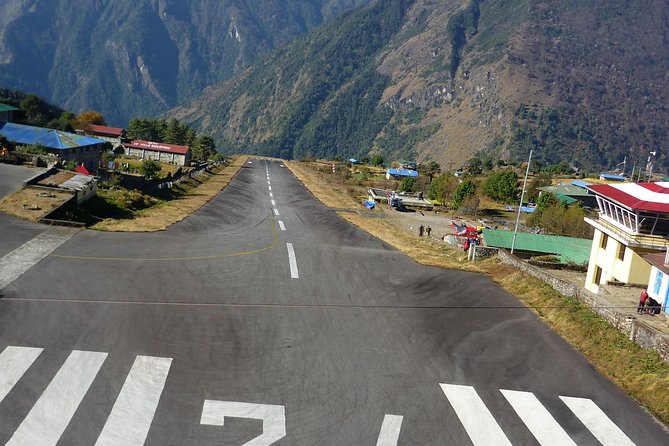
Day 3 starts with a domestic flight from Kathmandu to Lukla, and yes, Lukla’s airstrip is famous for a reason. Even if you’ve seen photos, it still feels intense when you’re sitting on the plane. From the airport, you step into the Khumbu region and begin with trail basics: prayer wheels you can spin clockwise, a descent toward the Dudh Koshi River, and a suspension bridge crossing.
Then it’s on to Phakding, a small village where you’ll sleep in a guesthouse with breakfast, lunch, and dinner included. The biggest value of this day is that it gives you time to settle into the routine: walk, breathe, hydrate, eat, repeat. Your legs learn the pace before the trail starts to climb in earnest.
A practical note: the domestic flight luggage allowance is 15 kg. Pack smart, because you don’t want to lug more than necessary once you’re carrying your own trekking equipment.
Namche Bazaar plus Sagarmatha National Park: the real acclimatization practice
Day 4 is your climb day to Namche Bazaar. You’ll walk through rhododendron forests and pass plenty of working life: donkeys, yaks, and Sherpas carrying heavy loads. No roads in this region means everything you see has to be transported on foot or by pack animal, and that context changes how you view the trail.
You also enter Sagarmatha National Park, which holds the Everest region as a UNESCO World Heritage Site. That’s not just a label. It’s part of what makes the area so protected and tightly managed, from permits to trail rules.
Along the way you’ll pass Monjo, cross two swinging bridges at different levels, and work uphill for roughly three hours before reaching Namche. Namche itself is a hub—lively, layered, and busy enough that you’ll feel the difference from smaller villages.
Day 5: rest that counts in Namche
Day 5 is acclimatization, not another grind. You can either take it easy in Namche or do a short hike. I like this approach because at altitude, your best strategy is to keep moving lightly without exhausting yourself.
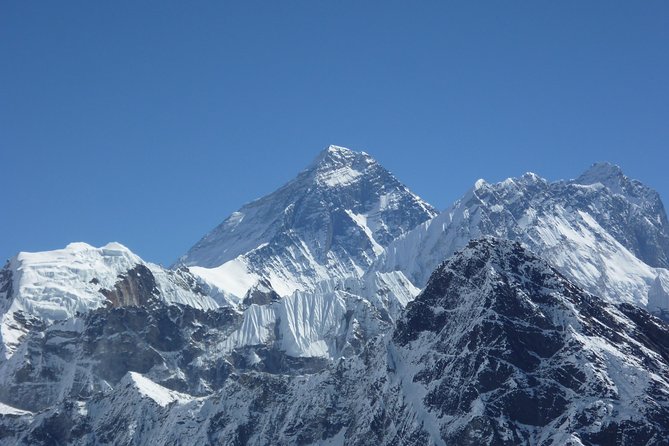
The short hike option is to the world’s highest-placed hotel area, the Everest View Hotel. From there you get big views of Mt. Everest, Mt. Ama Dablam, and several other peaks. You’re not going to summit, but you’re getting the payoff that makes the next stages easier to handle.
Tengboche and monastery mornings: forests, prayer flags, and focus
Day 6 takes you to Tengboche. The trail alternates uphill and downhill, so it’s tiring without being a nonstop wall. You’ll pass through pine and rhododendron forests, cross rolling pastures with yak herders, and eventually reach Tengboche with views that keep appearing like rewards you didn’t earn yet.
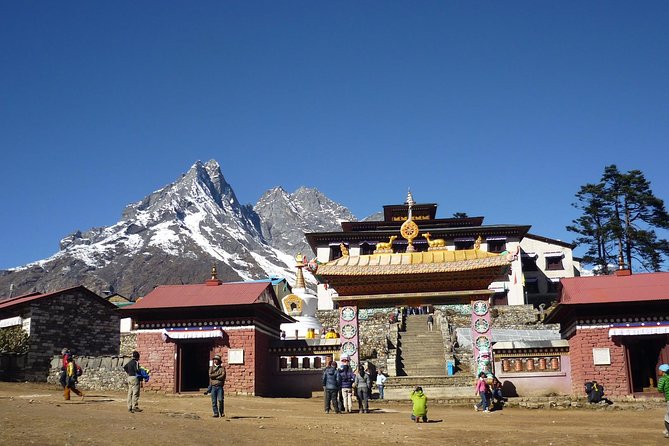
Tengboche is also about spirituality and stillness. The monastery here is a key stop, and if timing works, you might catch monks in everyday moments, like playing football near the village center. Even if you don’t see that, the morning light over the monastery and peaks like Ama Dablam is the kind of scene that makes you slow down and actually look.
Dingboche and Nagarsan Hill: altitude management you’ll respect later
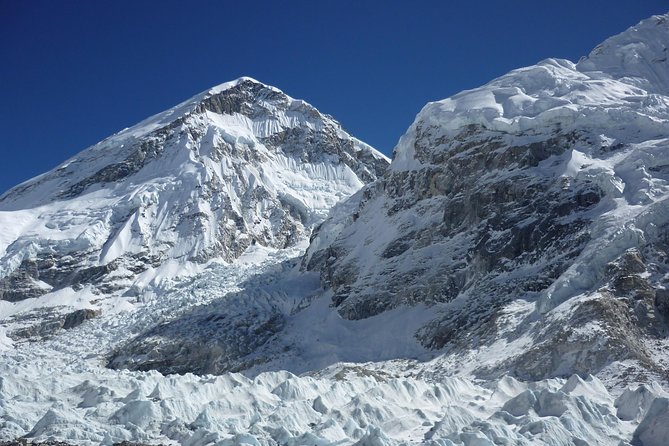
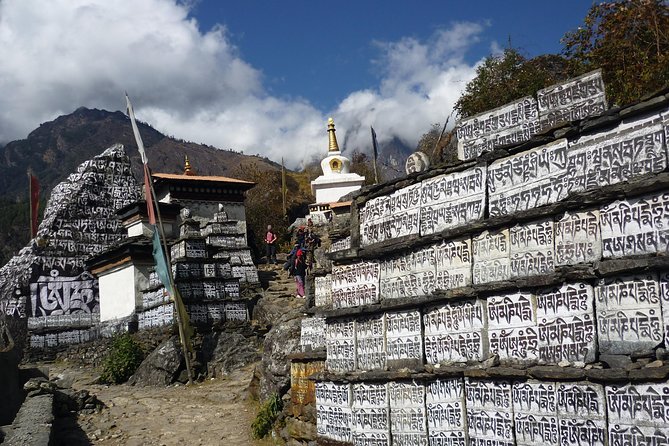
Day 7 continues the trek with an early sunrise moment and time to visit Tengboche Monastery again. Prayer wheels, wooden details, and prayer flags flying for the five Tibetan Buddhist elements (earth, wind, fire, water, and consciousness) give you a sense of how deeply religion is woven into daily life here.
Then the route continues more slowly toward Deboche and onward to Pangboche, crossing the Imja Khola along the way. Eventually you reach Dingboche for the night.
Day 8 is the key acclimatization day in Dingboche. You’ll hike up to Nagarsan Hill around 5,100 meters. Even if you take it slow—and you should—you’ll feel the thin air while ascending. This hike is important because you’re not just exercising. You’re training your body to handle altitude safely before moving into the higher, harsher zones.
From the top, the views expand again: Island peak, Ama Dablam, Lhotse, Makalu, Nuptse, and more. Then you go back down to recover. That “up and down” rhythm is one of the best skills this trek teaches.
Toward Lobuche: going slow, passing memory, and feeling the thinner air
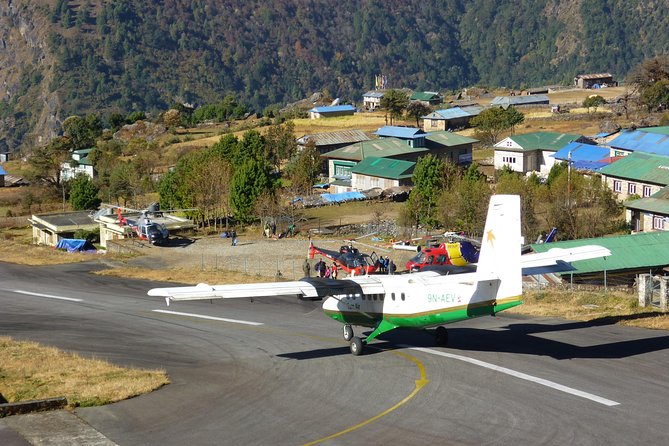
Day 9 is a shift toward the more serious altitude territory. You’ll walk toward Dugla and then to Lobuche. The route leaves the Khumbu glacier behind for a bit and introduces a somber but meaningful stop: the cemetery where climbers who lost their lives during Everest attempts are resting.
Standing there changes your mindset. It’s a reminder that this trek is a privilege, not a guarantee. The guidance here is clear: at this critical point, go slow so you don’t exhaust yourself.
You’ll arrive in Lobuche with views of peaks like Pumori, Lingtren, Khumbutse, and Mahalangur. Nuptse comes into sight too as the route crosses toward the Khumbu glacier again. If you’ve felt strong earlier, this is where you’ll see how altitude changes your definition of strong.
Everest Base Camp and Gorekshep: the prayer-flag payoff
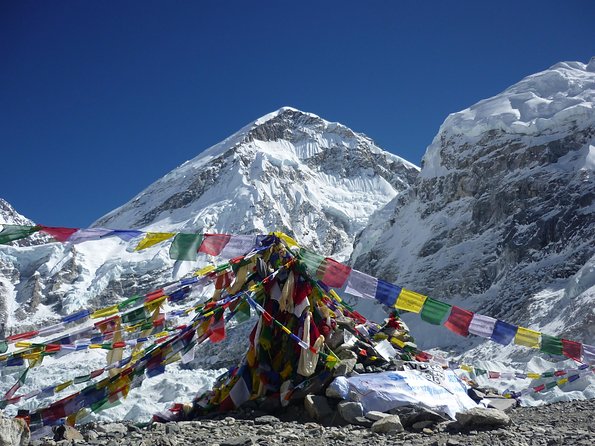
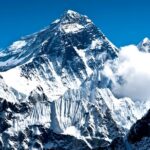
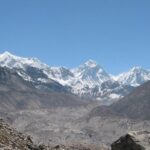
Day 10 is the main dream day: Everest Base Camp. You’ll see the northern ridge of Everest along with surrounding peaks like Pumori, Lingtren, Khumbutse, and Nuptse.
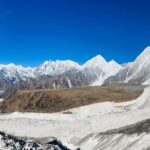
The trail involves a steep climb up the Changri glacier, and then Kalapatthar comes into view, setting up what you’ll chase the next morning. From there, you reach Gorekshep. The walking here moves you through a world of snow and ice: glaciers, frozen rivers, and long stretches where your breath gets louder in your head.
The last hundred meters are rocky and short, but they feel like the final gate. When you reach the prayer flags at Everest Base Camp, the scale hits all at once. You’re not just looking at mountains. You’re seeing the staging area of the whole Everest story.
Practical reality: after days of walking, your body will be tired, but the adrenaline makes you forget fatigue for a while. Just don’t treat that as a reason to rush. Everest doesn’t care.
Kalapatthar sunrise: why the early wake-up feels worth it
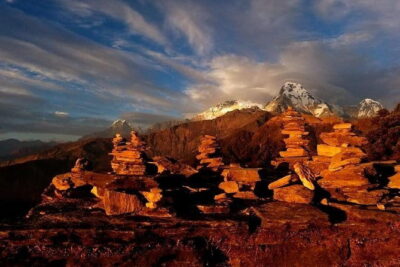
Day 11 is the sunrise day. Kalapatthar is where the whole trek’s effort tightens into a single moment. You’ll rise very early to catch daybreak with golden light behind white-capped peaks. Many people come for Everest, but this scene also frames the whole chain of mountains in reddish morning glow.
You’ll likely see Mt. Everest clearly, with surrounding peaks glowing as the light hits them. After that, you descend to Pheriche for the night.
If you’re a photographer or you just love clear light, this day can be the highlight. If you hate early mornings, it can also be a highlight because you’ll realize how much you gain by forcing yourself up once.
The return to Namche and beyond: same trail, different brains
Day 12 returns via the same route, down to Namche Bazaar. But it doesn’t feel repetitive because you’re walking with new knowledge. You’ve already reached Everest Base Camp, so the trail becomes a review of everything you’ve survived and learned.
The route back includes gorgeous mountain views again and time to feel comfortable in your footing. You’ll sleep in Namche for the night.
Day 13 continues back to Phakding and onward to Lukla. The Dudh Koshi River, suspension bridge, and the green valleys feel like reverse flashbacks. The big change is mental: you’re not wondering if you can do it. You already did.
Day 14 flies back from Lukla to Kathmandu and transfers you to your hotel. The day is at your convenience afterward, which is smart. Your legs need time to go from trek mode to normal walking.
Kathmandu days 15 and 16: the decompression you earn
Day 15 is leisure time in or around Kathmandu. You can choose an optional day trip, relax, or wander. If you want comfort, this is the right day for a massage and a slow lunch. If you want souvenirs, it’s also when you’re least likely to feel rushed.
Day 16 is departure: hotel pickup and escort to the airport for your flight home. The trek ends here, but the routine doesn’t. Even after the trek, you’ll notice your body still craves water, warmth, and quiet.
What you get for your money: included value that helps you focus
Even when the headline price isn’t the story, the value here comes from how much is bundled.
You get:
- Airport pickup and drop with a private vehicle
- Round-trip flights Kathmandu–Lukla–Kathmandu (or Kathmandu–Ramechhap–Lukla–Ramechhap, depending on operations)
- 2 nights in Kathmandu at a 3-star category hotel with room and breakfast
- Three meals daily during the trek with tea or coffee
- Hot showers in your stated stops (Lukla, Phakding, Namche)
- Trek permits and all necessary paperwork
- An experienced English-speaking guide plus trekking staffing (with 2 travelers per porter)
- Key trek gear for warmth: sleeping bag and down jacket during the trek
- A trekking map, T-shirt, and an achievement certificate
For solo trekkers: if there’s no one to share accommodation with on your departure date, there’s a USD 230 single surcharge. That’s the tradeoff for traveling alone. The upside is you’re still in a structured group trek with the staff support.
Also worth noting: personal Sherpa guidance can be added for extra charge. And oxygen cylinder and oxygen mask are available on request for extra charge. That’s not the same as bringing oxygen automatically, so it’s good to know the option exists.
One more practical point: cold drinks and water aren’t included. Plan for that cost and hydration needs, because in the mountains you’ll spend more time thinking about fluids than you expected.
The real risks and how this trek handles them
This is not a walk in the park. Altitude, weather, and pacing are the three big factors.
Altitude: the itinerary handles this with acclimatization days in Namche Bazaar and Dingboche, plus the Nagarsan Hill hike at about 5,100 meters. That’s the difference between surviving altitude and just hoping you do.
Weather and flights: Lukla flights require good conditions. When weather is poor, you may need flexibility. That’s not a failure. It’s just how the region works.
Pacing: the guidance repeatedly emphasizes taking things slow, especially around the higher stages near Lobuche. Your body is your pace partner here.
From the experiences shared with this company in general, one theme comes up again and again: when someone starts feeling unwell, the guide support matters. That’s not a promise that nothing will go wrong, but it is a strong hint that you’re not left to manage issues on your own while others move forward.
Who should book this Everest Base Camp trek
This trek fits best if you:
- Can handle hiking days of roughly 4 to 8 hours with changing effort levels
- Want guided support, permits taken care of, and meals organized
- Like the idea of acclimatization days rather than nonstop climbing
- Want a classic Everest route with monasteries, bridges, and the Kalapatthar sunrise moment
You should think twice if you:
- Know you hate early mornings and long travel days, since Kalapatthar sunrise requires very early starts and there are flights on both ends
- Are not comfortable with flight uncertainty related to Lukla weather
- Prefer fully independent travel with no group structure, since this is a private group trek limited to a maximum of 14 people
Should you book this trek?
If your goal is Everest Base Camp with a schedule that respects altitude, I think it’s a solid choice. The included gear (sleeping bag and down jacket), the meal plan, and the staff setup mean you can focus on walking and adjusting instead of scrambling for logistics.
Book it if you’re ready for early mornings, thick air, and the reality of mountain travel timing. Don’t book it if you want guaranteed flight smoothness or you’re looking for a casual stroll. Everest is the main event here, and it runs on patience.
FAQ
Where is the trek meeting point in Nepal?
The meeting point is Tribhuvan Airport in Kathmandu, Nepal.
Are the flights to Lukla included?
Yes. The trek includes round-trip domestic flights Kathmandu to Lukla and back, or Kathmandu to Ramechhap to Lukla and back to Ramechhap, depending on the operation.
How many people are in the group?
The maximum group size is 14 travelers. This is also described as a private tour/activity, meaning only your group participates.
What’s included for meals during the trek?
Meals are included three times daily with cup of tea or coffee: breakfast, lunch, and dinner.
Is hot water available while trekking?
Hot shower rooms are listed as included in Lukla, Phakding, and Namche Bazaar.
Do I need my own trekking equipment?
Yes. You’ll need to arrange personal trekking equipment. The trek package includes a sleeping bag and a down jacket during the trek.
Can oxygen be provided?
Oxygen cylinder and oxygen mask are available on request, but with extra charge.