REVIEW · HANOI
Sapa 2D1N Trekking to Giang Ta Chai Village from Hanoi by Bus
Book on Viator →Operated by GADT Travel · Bookable on Viator
Two treks, one cozy homestay in Sapa.
This 2D1N trip links Ta Van and Giang Ta Chai with rice terraces, streams, and ethnic village life, all wrapped into a guided route by modern A/C bus from Hanoi. I also love the homestay dinner that turns an active day into a genuinely local evening. The only catch: you do serious walking on Day 1 (about 9km), so cold weather or rain can change how fun the pace feels.
Pick-up starts in the Hanoi Old Quarter around 6:00–6:30, and you’ll return to the same area afterward (you handle the short ride back to your hotel).
In This Review
- Key things I’d focus on before you go
- Hanoi to Sapa by A/C bus: the part that makes the trek realistic
- First afternoon in Sapa: costumes, lunch, then you hit the trail
- Day 1 Ta Van to Lao Chai: terraces, Muong Hoa Stream, and Black Hmong village views
- Day 2 Giang Ta Chai: bamboo forest photos, red Dzao views, and Giang Ta Chai Bridge
- Food and lodging reality check: what’s included, and what’s basic
- Price and value: what $88.47 buys you in real terms
- Fitness, cold, and rain: the practical stuff that decides your mood
- Human support matters: guides, timing, and how the group stays on track
- Should you book this Sapa 2D1N Trek to Giang Ta Chai from Hanoi?
- FAQ
- What does this Sapa trek cost?
- How long is the trip?
- Is round-trip transport between Hanoi and Sapa included?
- Where are the pick-up and meeting points?
- Is pick-up from my hotel included?
- Is dinner included?
- How far do you hike on Day 1 and Day 2?
- Is the cooking class included?
- Is a single room available for solo travelers?
- Is drop-off back to my hotel included after the tour?
Key things I’d focus on before you go
- Two village days, not just one photo stop: Ta Van (Giay) then Giang Ta Chai (red Dzao) with different trekking rhythms.
- A guided route with built-in meal timing: breakfast, dinner, and two lunches help you keep your energy up.
- Day 1 is the workout day: ~9km and ~3.5 hours, with terraces plus the Muong Hoa Stream area.
- Giang Ta Chai is shorter but scenic: ~4km and ~2 hours, including bamboo forest and a bridge crossing.
- Small group cap (15 people): you’ll move at a human pace and get more guide time.
- Weather gear isn’t optional: Sapa can be cold and unpredictable, especially from September to March.
Hanoi to Sapa by A/C bus: the part that makes the trek realistic
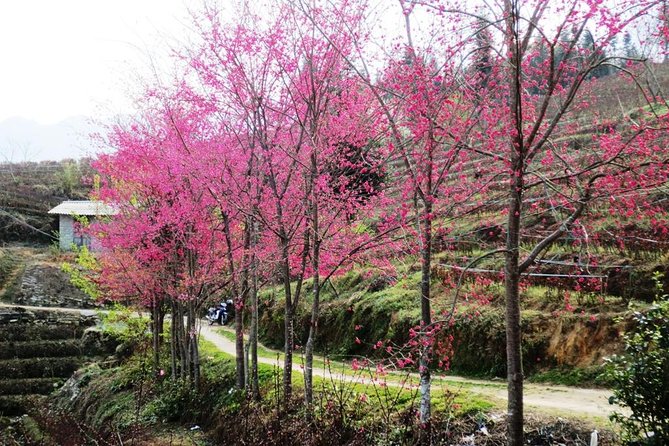
Getting to Sapa can feel like a logistics puzzle. This tour keeps it simple: round-trip transport between Hanoi and Sapa Town by modern A/C bus, plus an English-speaking guide who stays with the group during the main trekking days.
You’re picked up at 30 P. Lý Thái Tổ (Hanoi Old Quarter area). The schedule has you leaving early (6:00–6:30 pick-up window), then breaking the ride with two rest stops: one around 9:30 on the highway toward Lao Cai, and another around 11:00 at Lao Cai City before continuing to Sapa.
Arriving at Sapa Town around 13:30 matters because it shapes your whole Day 1. You don’t just get dumped at the hotel—you get enough time to eat and then start hiking the same afternoon. That’s a big win when you only have two days.
One practical heads-up: your return is also centered around the meeting point. The tour’s not offering hotel drop-off at the end, so plan a short transfer back to your lodging yourself.
You can also read our reviews of more tours and experiences in Hanoi.

First afternoon in Sapa: costumes, lunch, then you hit the trail
Day 1 starts with the drive, then quickly transitions into culture and hiking. When you reach Sapa Town at about 13:30, you’ll see colorful traditional clothing tied to ethnic communities like H’mong, Dzao, and Tay—a good visual introduction before you start walking.
Right after arrival, the guide handles a lunch stop at a local restaurant. This matters more than it sounds: trekking days often fall apart when people try to wing meals. Here, lunch is built into the flow so you can refuel before the trail.
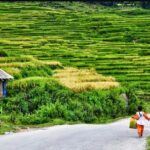
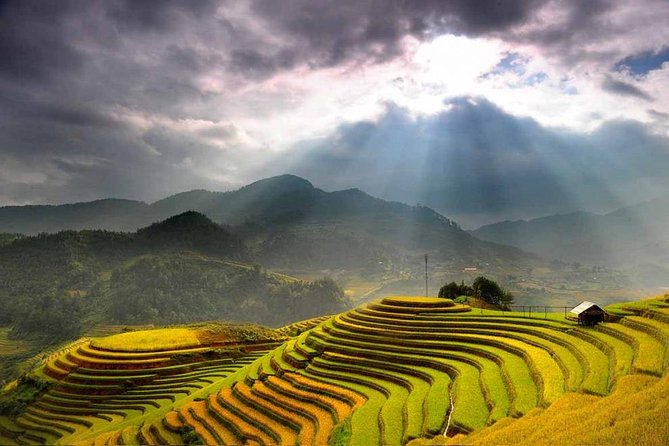
By around 14:30, it’s trekking time. The day is designed to move from iconic Sapa scenery toward actual village areas. You begin through the Y Linh Ho area, then head across rice terraces and along the Muong Hoa Stream before reaching village homes.
If you’re the type who needs a little buffer time to shake off travel fatigue, you’ll want to make sure you eat well and take a warm layer with you. Sapa weather can flip fast, even when Hanoi still feels normal.
Day 1 Ta Van to Lao Chai: terraces, Muong Hoa Stream, and Black Hmong village views
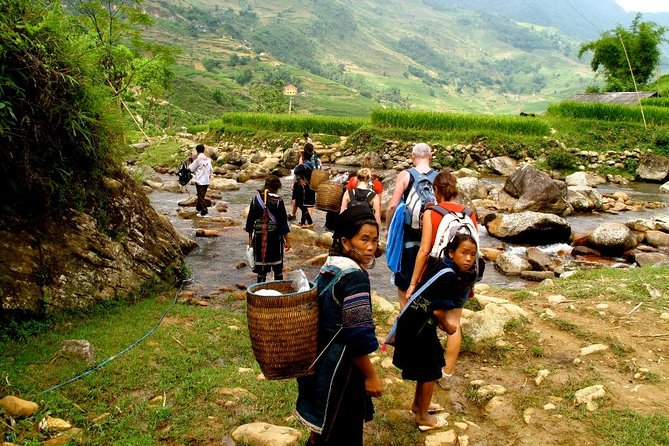
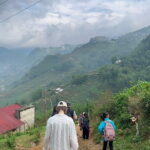
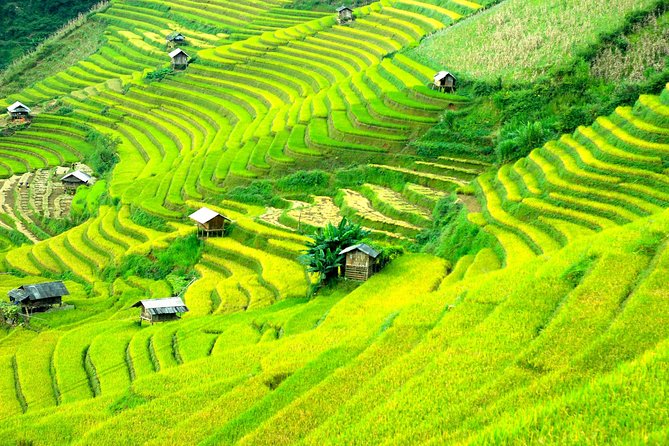
This is your longer hiking day. The trek covers about 9km and lasts around 3.5 hours, paced for a moderate fitness level. You’ll start at roughly 14:30 and you’re moving through a mix of terrain: terraces, stream-side stretches, and village-adjacent paths.
What I like about this day is the sequence. You’re not just walking to one village and calling it done. You work through a chain of scenery changes:
- Y Linh Ho at the start
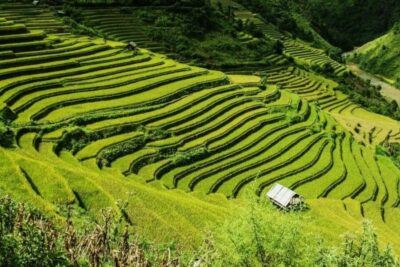
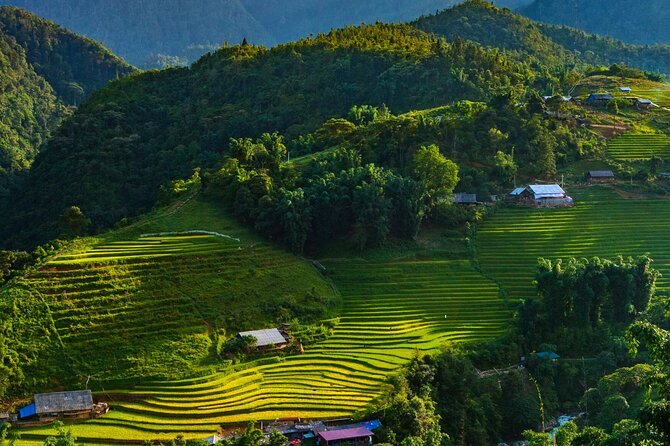
- Rice terraces that open views as the path rises and falls
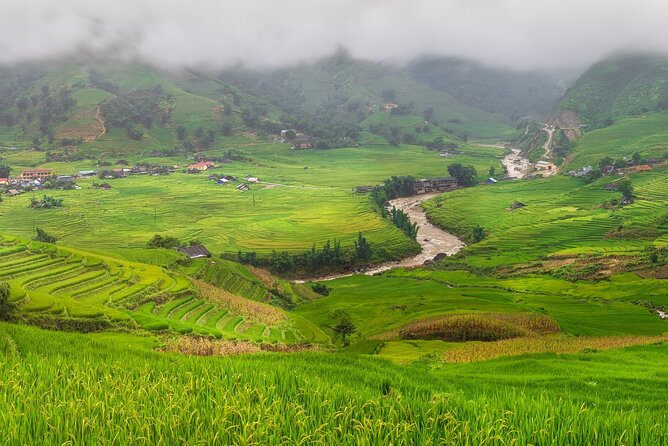
- The Muong Hoa Stream area, where the scenery feels more alive and less staged
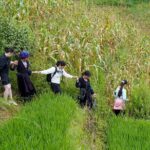
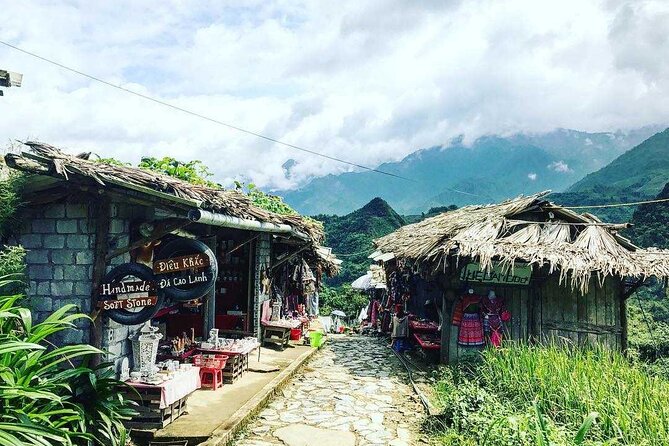
- The Black Hmong village of Lao Chai, where you can see everyday village life up close
- Approaching Ta Van village, where the Giay people live
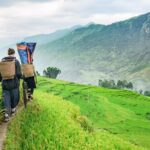
You also get spectacular mountain framing around the Hoang Lien Son area as you approach the village zones. Even if clouds roll in sometimes, this region’s ridgelines and terrace shapes usually still land well.
When you finish, it’s check-in time at your homestay (scheduled around 17:45). Dinner is included, and this is where the “tour” turns into something you remember: you’ve got a full evening at the homestay after hiking.
What to watch out for: Day 1 is long, and the tour notes that children and older adults, or anyone with low physical health, aren’t allowed due to trek distance and potential danger if rain hits. If you’re on the edge fitness-wise, Day 2’s shorter walk won’t fully compensate for Day 1.
Day 2 Giang Ta Chai: bamboo forest photos, red Dzao views, and Giang Ta Chai Bridge
Day 2 runs at a calmer pace, but it’s still active. You start at 7:00 with an optional cooking class. It’s not included automatically; it opens upon request, and the extra cost is $7–10 per person. If you book it, it’s focused on making Vietnamese dishes like pho and nem cuốn.
Then you eat. Breakfast is prepared by the family at your bungalow/home base around 8:00, which keeps the morning feeling connected to village life rather than a quick hotel-style scramble.
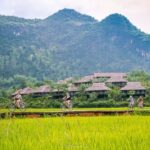
By about 8:45, you’re trekking again, and this route is built for views. You pass through rice paddies and get a nice photo session with the surrounding area. Then you walk through a bamboo forest, followed by a panorama stop to see Giang Ta Chai village, home of the red Dzao people.
This trek is about 4km and takes around 2 hours. It’s shorter than Day 1, which makes it easier to enjoy the scenery rather than just survive it.
Around 11:00, you trek through the Giang Ta Chai Bridge and continue toward the main road. After that, you head back to the bungalow around 12:00 to shower and get ready for lunch. The return trip to Hanoi starts around 13:30, with pickup to the bus station for your onward travel.
Food and lodging reality check: what’s included, and what’s basic
This tour is heavy on meals, which is great for value. You’re covered with:
- Breakfast
- Dinner
- Lunch (2)
You’ll get breakfast prepared by the family on Day 2, and dinner is included on Day 1. The overall vibe here tends to be that the food is part of the experience, not just a checkbox.
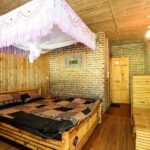
Lodging is where expectations need to match reality. Overnight is in a home-stay / bungalow, and the tour makes it clear that a bungalow is very different from a hotel with basic, simple facilities. That’s common for village-based trekking, but it’s still worth planning for: pack patience, and don’t expect the comforts of a city bed.
Drinks for meals aren’t included, and you’ll want cash ready for personal spending. Since Vietnam Dong is the local currency, having it on hand saves time and frustration.
If you’re the kind of person who hates surprises, take this as your gentle warning: comfort is not the main product here. Connection, scenery, and a real village rhythm are.


Price and value: what $88.47 buys you in real terms
At $88.47 per person, this is a budget-friendly way to get two full trekking experiences plus transport from Hanoi without having to coordinate everything yourself.
Here’s what’s bundled:
- Free pick-up from Hanoi Old Quarter hotels (within the Old Quarter area)
- Round-trip Hanoi–Sapa–Hanoi by modern A/C bus
- English-speaking guide
- Overnight in home-stay/bungalow
- Breakfast, dinner, and two lunches
- Admission ticket included (for the tour experience components)
What’s not bundled:
- Drinks with meals
- Tips/personal expenses
- Drop-off at your hotel after the tour ends
- Optional cooking class cost if you request it ($7–10 per person)
- Single room extra ($15) for solo travelers
- National holiday extra ($20)
So is it worth it? For most people, yes—because the expensive parts in northern Vietnam are usually time and coordination, not just the cost of a bus. This package hands you the route, the guide, and most meals.
If you already know you want a private guide, or you can confidently arrange transport plus homestays independently, the total might be cheaper elsewhere. But if you want a guided, structured 48 hours with minimal hassle, this price looks fair.
Fitness, cold, and rain: the practical stuff that decides your mood
This tour is built for moderate physical fitness. The key point is the distance and timing: Day 1 is about 9km over roughly 3.5 hours, and Day 2 is about 4km over about 2 hours. That’s doable for many people, but it’s not a stroll.
Also, don’t ignore the weather notes. Sapa weather is pretty unpredictable. It’s normally cold from September to March, so you’ll want to bring warm clothes and layers you can adjust. The tour specifically recommends:
- Warm clothes, scarf, hat, cap
- Trekking shoes
- Sun glasses and sun cream
- Insect repellent
- Cash in Vietnam Dong for personal expenses
Finally, the route has safety limits. The tour states that children, older people, or anyone with low physical health are not allowed, partly because of the long trek and partly due to rain-related danger.
If you’re the type who gets grumpy when plans shift, this is still manageable—but you should go in expecting some weather stress, not a perfect hiking day every time.
Human support matters: guides, timing, and how the group stays on track
Two review notes stood out to me as proof that this kind of trip lives or dies on the guide. One trip report praised a planner named Mr Carl Nguyen for mapping out a multi-city Vietnam journey with attention to small customer needs. Another mentioned a guide named Khoi staying composed during a Vietnamese holiday period when the start was heavily delayed, then sorting out the day’s itinerary without much issues.
That tells me something practical: even when transport timing wobbles, you want someone on the ground who can adjust the schedule. With a small group cap of up to 15 travelers, it’s easier for a guide to re-route or pace the group so nobody gets left behind.
You’ll also be with an English-speaking guide, which helps if you have questions about what you’re seeing—especially when village areas and cultural context are part of the walking.
Should you book this Sapa 2D1N Trek to Giang Ta Chai from Hanoi?
I’d book this if you want a structured two-day Sapa trek with real village stops, meals mostly handled, and a schedule that doesn’t waste your time in Hanoi or Sapa. It’s especially good if you like scenery with walkable access: terraces, streams, bamboo, and village panoramas.
I wouldn’t book it if you:
- hate cold or aren’t willing to layer up,
- struggle with a 9km day,
- need a hotel-style comfort level at night,
- or are traveling with kids/older adults who might not meet the tour’s fitness expectations.
If you go, pack for weather, take Day 1 seriously, and treat the homestay dinner and family breakfast as part of the point—not the bonus.
FAQ
What does this Sapa trek cost?
The price is $88.47 per person.
How long is the trip?
It’s a 2-day, 1-night style trek (approx. 2 days total).
Is round-trip transport between Hanoi and Sapa included?
Yes. Round trip Hanoi–Sapa–Hanoi by modern A/C bus is included.
Where are the pick-up and meeting points?
The start and end meeting point is 30 P. Lý Thái Tổ, Lý Thái Tổ, Hoàn Kiếm, Hà Nội, Vietnam.
Is pick-up from my hotel included?
Free pick-up is offered from hotels in the Hanoi Old Quarter area. If your hotel is outside that area, you’ll need to come to the meeting point.
Is dinner included?
Yes. Dinner is included, along with breakfast and two lunches.
How far do you hike on Day 1 and Day 2?
Day 1 trekking is about 9km for about 3.5 hours. Day 2 trekking is about 4km for about 2 hours.
Is the cooking class included?
A cooking class at 7:00 on Day 2 is opened upon request and costs $7–10 per person. It is not automatically included.
Is a single room available for solo travelers?
Yes, but there is a single room extra charge of $15 for solo travelers.
Is drop-off back to my hotel included after the tour?
No. The drop-off after the tour is not included. You should take your own transfer back to your hotel from the bus stop.