REVIEW · ARUSHA
13 Days Adventure in Tanzania – Trekking and Wildlife Safari
Book on Viator →Operated by Rupia Adventure · Bookable on Viator
A week of high-altitude walking is a special kind of focus. Add Serengeti, Tarangire, and Ngorongoro Crater and you get a trip that mixes wide-open wildlife with real mountain effort. This is the kind of itinerary that keeps your brain busy: spot animals, then gear up, step up, and acclimatize.
I especially love two things about this experience. First, the wildlife planning is practical for big-animal chances: Serengeti for the Big Five, Tarangire for big herds of elephants, and Ngorongoro Crater (locally called the garden of animals) for strong odds at multiple species. Second, the Machame Route trekking sounds built for acclimatization: it climbs through different ecological zones so your body has time to adjust.
One possible drawback: this is active travel. Cold nights, changing weather, and the sheer grind of the Machame ascent mean you should not treat the trek like a casual hike. If you’re not comfortable walking uphill for long stretches, you’ll feel it.
In This Review
- Key highlights you should know
- Safari + Machame Route: why this combo works
- Arusha start and the trek “first altitude win”
- Machame Route trekking: what the scenery changes actually mean
- Where the Big Five and elephants fit in (and why each park matters)
- The small-group advantage (and what you might feel on the ground)
- Logistics that matter: pickup, mobile ticket, and start time
- Value check: is $3,000 per person fair for this mix?
- What to pack and how to prepare (so the trek part doesn’t steamroll you)
- When weather changes your plan: how to think about risk
- Is this tour for you? Best-fit traveler types
- Should you book? My honest take
- FAQ
- What parks are included in this Tanzania experience?
- How many travelers are in the group?
- Is pickup provided?
- Where does the trek start, and what altitudes are mentioned?
- How long is the trekking route portion?
- Is there a mobile ticket?
- Can I cancel for a full refund?
Key highlights you should know
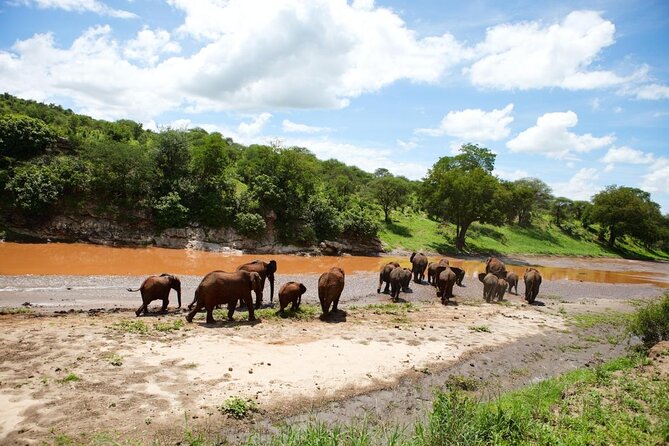
- Northern circuit wildlife across Serengeti, Tarangire, and Ngorongoro Crater, each with a different animal “style”
- Machame Route trekking with big altitude shifts to help acclimatization on the way up
- Small group size capped at 4 travelers, which usually means a smoother pace and less waiting
- Pickup offered and a mobile ticket for easier coordination
- Arusha to the trailhead starting with Machame Gate at 1,790m and reaching Machame Camp at 3,010m
- Weather-dependent planning for the mountain portion, with an option to switch dates or get a full refund if canceled due to poor weather
Safari + Machame Route: why this combo works
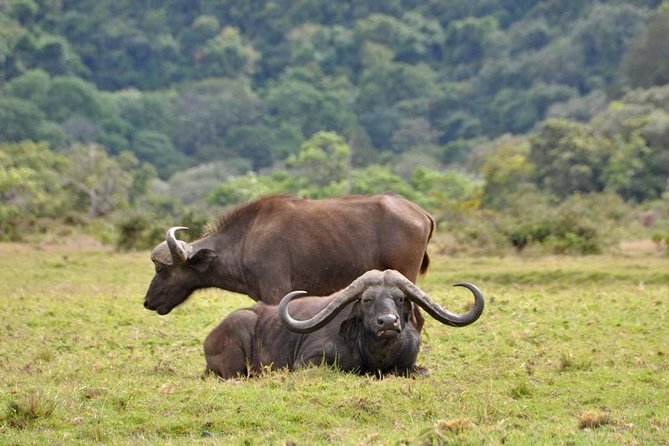
This trip is built around two different kinds of awe. One is animals. The other is altitude. When you combine them, you stop waiting for a single highlight. You get momentum.
Northern Tanzania wildlife is not just about seeing animals. It’s about seeing ecosystems that shape behavior. Serengeti is classic open-country viewing, where you can track patterns: predators working the edges, herbivores moving like a living map. Tarangire is a different scene—more focused on elephants and the kind of sighting that feels personal because the herd activity can be steady and close-range when conditions are right. Then you finish with Ngorongoro Crater, which is famously productive because the crater environment concentrates life in a smaller area. Locals calling it the garden of animals is not just marketing talk; it hints at why the sightings can feel dense.
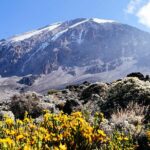
Then comes the mountain. The Machame Route isn’t described as a straight line up a single kind of scenery. Instead, it moves through forest, then heath and moorland, then higher zones that get colder and harsher. That matters for you because it matches what acclimatization needs: gradual adaptation plus time to adjust as altitude and temperature shift.
You can also read our reviews of more tours and experiences in Arusha.
Arusha start and the trek “first altitude win”
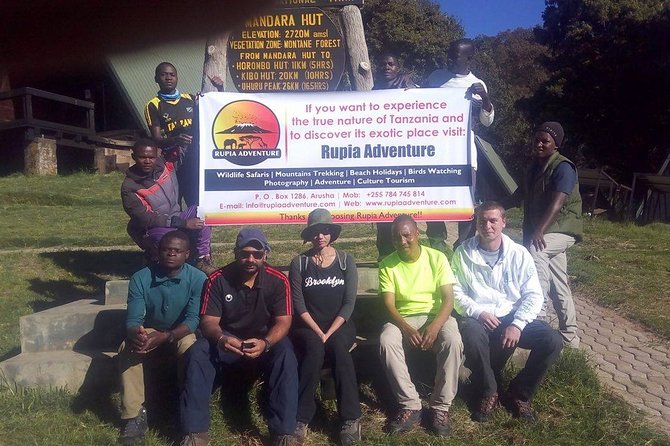
The day begins in Arusha, then you move toward the trek. The specific trail progression starts at Machame Gate (1,790m) and then to Machame Camp (3,010m). That tells you two important things.
First, the trek is not “train for two hours and call it hiking.” The altitude climb early on is real. Even before you reach the highest sections, you’re already moving your body into a thinner-air rhythm. If you tend to get headaches or feel out of breath at elevation, this is where you’ll notice it.
Second, starting with Machame Gate as a defined point helps you mentally. It gives you a clear start line. For me, that makes the trek feel structured instead of random. You know you’re walking toward a goal and your daily effort has a purpose.
Practical tip: plan for hydration and simple pacing from the first day. The mountain part rewards steady steps more than heroic speed.
Machame Route trekking: what the scenery changes actually mean
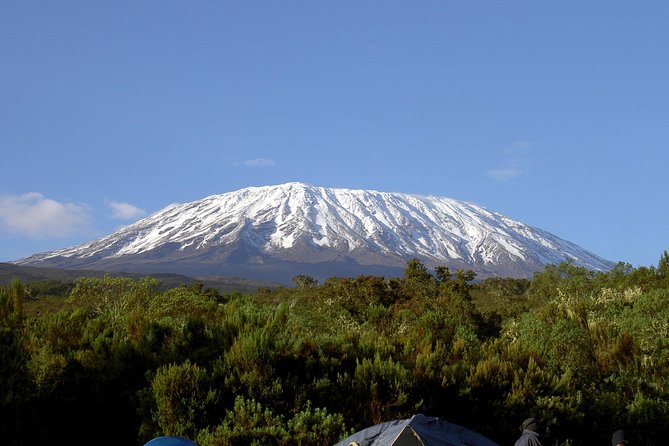
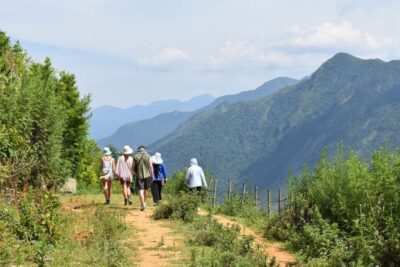
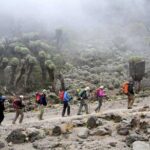
The Machame Route is described as a climb through lush rain forest, then heath and moorland, and eventually toward cold mountain-top zones with icy caps. That’s a lot of elevation storytelling, but it also affects your daily experience.
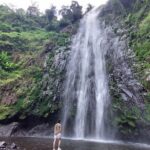
In the forest section, your hike tends to feel more shaded and damp. You also have a chance of seeing colobus monkeys, which is mentioned as part of the route. Even if you don’t spot them every day, the idea is clear: this is not only a workout. It’s also a chance to notice wildlife behavior in a different habitat than the safari plains.
As you rise into heath and moorland, the vegetation shifts. The route description mentions ferns and ericas, which tells you you’re walking through cooler, windier ground conditions. This is often where trekkers start feeling the temperature drop more consistently. Your legs may also start to feel the work as the air gets thinner.
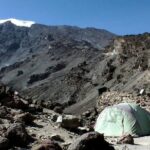
Then you approach the icy caps at the top. That’s where the trek becomes more about grit than about scenery photos. The description also mentions acclimatization built into the altitude profile and a little help from “lady luck,” which is a nice way of saying: weather can shape your final success. You can control your preparation, but you cannot control clouds and cold.
Who does well here? People who enjoy steady effort and can handle discomfort without spiraling. If you’re the type who hates slow breathing and cold hands, you’ll want to prepare mentally and physically.
Where the Big Five and elephants fit in (and why each park matters)
The wildlife portion focuses on three headline destinations, and each one gives you a different viewing advantage.
Serengeti National Park: This is the “endless plains” part of your story. It’s where the chances for Big Five viewing are highlighted, including predators and large herbivores moving across open ground. If your goal is classic safari drama—animals in motion, sightings at distance that you track across the day—Serengeti is the place for it.
Tarangire National Park: Tarangire is singled out for huge numbers of elephants. That matters because elephant sightings can be frequent enough to keep your eyes busy and your day feeling alive. If you like elephants up close—families, herds, and the way they use water sources—Tarangire often delivers a strong “I’m really here” feeling.
Ngorongoro Crater: This is locally known as the garden of animals. A crater setting can concentrate animals because geography funnels them into a smaller space. That tends to boost the intensity of sightings. The package also frames Ngorongoro as a good chance for Big Five, which is a strong promise—just remember wildlife is wildlife. Your timing, weather, and animal behavior still control what you see.
The real value here is variety. You’re not just doing one long safari drive and calling it a day. You’re moving between habitats that encourage different animal patterns.
The small-group advantage (and what you might feel on the ground)
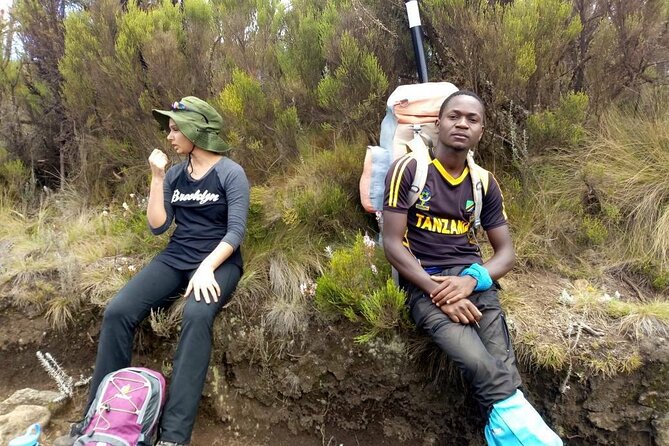
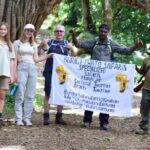
This tour has a maximum of 4 travelers. That number is not a detail you should ignore. In practice, small groups usually mean:
- less time waiting for everyone to get ready
- more flexibility if you need to pause for photos or breaks
- a better chance of getting clearer guidance on what to look for
For the trek, small-group pacing can also help with acclimatization. You can walk at a rhythm that suits your body rather than forcing everyone into a single fast tempo. For the safari days, smaller groups can mean more time focused on sightings rather than logistic shuffle.
If you like the idea of wildlife viewing without a crowded scene, this setup is a plus.
Logistics that matter: pickup, mobile ticket, and start time
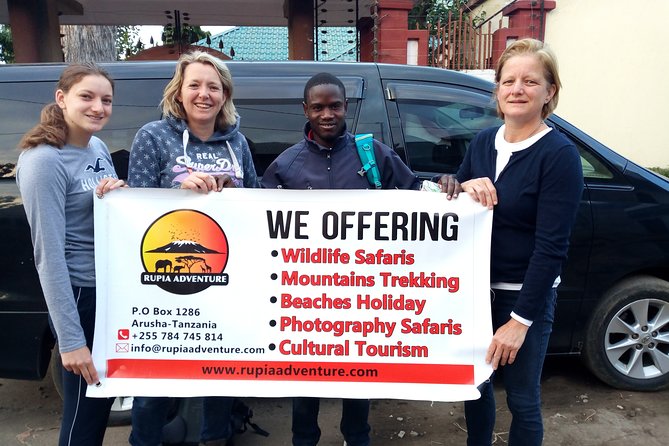
The experience offers pickup, and you’ll have a mobile ticket. That may sound small, but it affects your stress level before you ever see an animal.
Also, the meeting start time is listed as 12:00 am, and the duration is approx. 12 days, within a “13 days” framing. That mismatch can happen when operators count travel days differently. My advice: confirm the exact schedule day-by-day once you have your final itinerary details in hand.
Practical takeaway: pack for early starts and for big time shifts. Even if you don’t know every hour yet, assume early driving time is part of the plan.
Value check: is $3,000 per person fair for this mix?
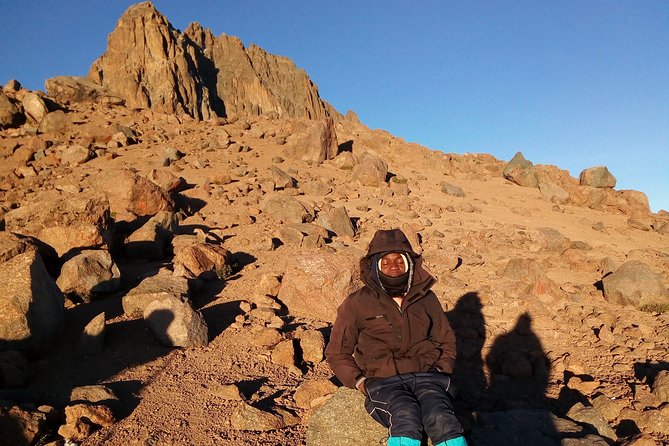
At $3,000 per person for about 12 days, the value question is really about what kind of “hard work” you get for the money—and how reliably that work leads to the goals.
What you are paying for here is not one thing. You’re paying for a package that attempts to deliver:
- multiple northern wildlife zones (Serengeti, Tarangire, Ngorongoro)
- a serious trek component on the Machame Route
- small-group handling (max 4)
Safari alone can get expensive when it includes good guiding and multiple park stops. A Machame climb can also cost serious money because altitude treks require planning and on-the-ground support. So the combination is the economic logic: you’re stacking two high-effort experiences in one trip rather than booking separate journeys.
That said, the package price does not automatically guarantee comfort. The trek will still be physically demanding, and cold nights are part of the deal when you head toward icy zones. If you go in with the right expectations—walking, weather, and endurance—you’re much more likely to feel the price is worth it.
What to pack and how to prepare (so the trek part doesn’t steamroll you)
The provided info emphasizes altitude, changing ecosystems, and icy caps at the top. That points to a simple packing theme: layers and cold-weather readiness.
I’d plan on:
- warm layers you can adjust as temperatures swing from forest shade to higher, colder zones
- rain protection, because “forest to moorland to cold” usually means at least some wet or windy days
- solid hiking boots and socks that won’t give up after long walking hours
- a mindset that expects slow progress on higher sections
Also, prioritize acclimatization behavior. “Lady luck” helps, but your habits matter: pace yourself, drink water, eat what you can, and don’t treat altitude like an obstacle you can bully.
If you’re heading for both safari and trek, build your fitness like a gradual ramp. You don’t need to be an athlete, but you do need to be comfortable walking uphill day after day.
When weather changes your plan: how to think about risk
Weather matters on a mountain trek. The experience description says it requires good weather, and if it’s canceled due to poor weather you’ll be offered a different date or a full refund. That’s a clear sign the operator plans around safety and conditions rather than forcing the same outcome no matter what.
Here’s how you should use that information:
- Stay flexible with expectations around summit-day timing
- Keep your schedule open for date changes if you can
- Don’t pack your whole life around one single departure window
This is also where the phrase “help from lady luck” fits. You can train and prepare, but clouds and conditions still decide what’s possible.
Is this tour for you? Best-fit traveler types
This experience is a strong match if you want:
- one trip that mixes wildlife safari energy with a real trekking goal
- a smaller group experience (max 4 travelers)
- a route known for altitude variety on the Machame path (forest to heath and moorland)
It’s also a good fit if you like your travel to have both movement and meaning. Safari days give you the animal world. Trek days give you the mountain world—and the mental satisfaction of pushing through hard altitude work.
If you want a purely luxury or purely relaxed vacation, you might find this exhausting. You’ll be doing long walks and spending time in changing weather zones.
Should you book? My honest take
I’d book this if you want a two-part Tanzania adventure and you’re ready for the mountain workload. The standout strengths are the wildlife mix across Serengeti, Tarangire, and Ngorongoro Crater, plus the Machame Route’s altitude progression starting at Machame Gate (1,790m) and reaching Machame Camp (3,010m). Small group size is the extra comfort factor.
I’d think twice if you hate cold conditions, get discouraged by slow altitude pacing, or need a trip where everything feels casual. This is active travel. It pays off when you lean into effort and flexibility.
If you do book, do one smart thing before you go: confirm the exact day-by-day schedule so you’re clear on how the “13 days” count breaks down against the approx. 12 days listed, and double-check your exact start time for pickup.
FAQ
What parks are included in this Tanzania experience?
The wildlife safari focuses on Serengeti National Park, Tarangire National Park, and Ngorongoro Crater, which is locally known as the garden of animals.
How many travelers are in the group?
The tour has a maximum of 4 travelers.
Is pickup provided?
Yes, pickup is offered.
Where does the trek start, and what altitudes are mentioned?
You start with Arusha, then head to Machame Gate (1,790m) and continue to Machame Camp (3,010m).
How long is the trekking route portion?
The Machame Route portion is described as a 7 day tour.
Is there a mobile ticket?
Yes, a mobile ticket is included.
Can I cancel for a full refund?
You can cancel up to 24 hours in advance for a full refund. If you cancel less than 24 hours before the start time, the amount paid is not refunded. Weather-related cancellations can also result in a different date or a full refund.