REVIEW · ARUSHA
7 Days Machame Route Trek Mount Kilimanjaro
Book on Viator →Operated by Rupia Adventure · Bookable on Viator
Kilimanjaro is not a casual hike.
This 7-day Machame Route trek from Arusha mixes rainforest time, high-altitude acclimatization, and an early-morning summit payoff at Uhuru Peak. I love how the route is built for acclimatization, not just “walk and hope.” I also love the way the days change scenery fast—green forest, then heath and moorland, then true alpine desert before the glaciers show up. The one drawback to consider: you’ll be hiking at altitude with cold nights and long day legs, so you need real stamina and good planning for gear and pacing.
The promise here is simple: tents on the mountain, an expert guide with you throughout, and a crew focused on getting you safely up and back down.
In This Review
- Key Takeaways Before You Commit
- Entering the Machame Route: Why This Trek Fits the Kilimanjaro Goal
- Day 1: From the Gate to Machame Camp in the Rainforest
- Day 2: Shira Camp Jump and the View That Changes Everything
- Day 3: From Shira Plateau to Lava Tower, Then Down to Barranco Camp
- Day 4: Barranco Wall Moves With Help From Your Guide to Karanga Camp
- Day 5: The Dry Desert Push to Barafu Camp
- Day 6: Midnight Start, Stella Point, and the Uhuru Peak Sunrise
- Day 7: Mweka Gate Descent, Farewell Ceremony, and Hotel Recovery
- Your Crew and Guides: What Small Groups and Real Experts Feel Like
- Tents, Timing, and What Cold Nights Really Mean
- Price and Value: Is $2,200 a Fair Deal?
- Should You Book This 7-Day Machame Trek From Arusha?
- FAQ
- What start time should I plan for on this Kilimanjaro trek?
- How long is the Machame Route trek?
- Where does the trek start and is pickup included?
- What route is this tour using?
- Do you camp in tents on the trek?
- What’s the maximum group size?
- What kind of guides and support should I expect?
- Is there any requirement around weather?
- How does cancellation work?
- Is a mobile ticket provided?
Key Takeaways Before You Commit
- Acclimatization-focused route: you climb higher while controlling your sleep altitude on key days
- Big scenery shifts: rainforest to moorland to alpine desert, all on one steady schedule
- Expert guiding for the hard parts: help through the Barranco Wall steps
- Sunrise summit moment: Stella Point to Uhuru Peak timing for early light
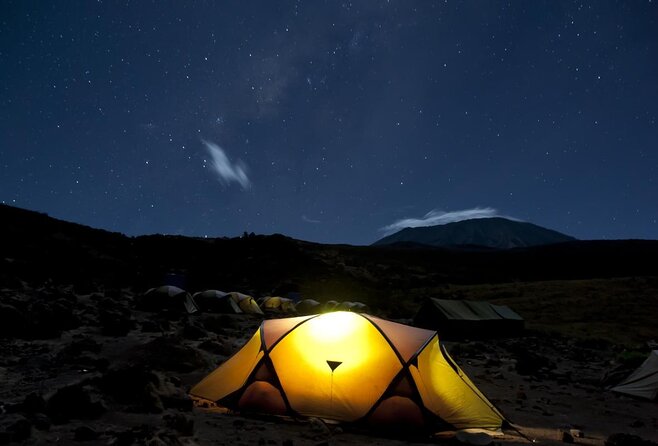
- Tents on route: expect mountain nights, not lodge comfort
- Small group size (max 4 travelers): easier pacing and more attention from your guide
Entering the Machame Route: Why This Trek Fits the Kilimanjaro Goal
If you want Kilimanjaro, you’re signing up for altitude as much as distance. The Machame Route works because it gives you “climb up, then adjust” rhythms. That matters because the mountain doesn’t care how motivated you are.
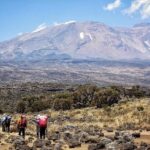
The trek also keeps things interesting in a way that feels practical, not just scenic. Day after day, you watch the ecosystem shift. You start in forest with older trees and endemic plants. Then the air dries out and the vegetation thins. Higher up, you move through alpine desert, where every step feels louder in your body. By the time you’re near the crater rim, the mountain feels completely different than it did at the gate.
And yes, this route is mentally tough. But the good kind of tough. Your guide’s job is to keep you moving at a pace that matches your breathing, not someone else’s Instagram stamina.
You can also read our reviews of more tours and experiences in Arusha.
Day 1: From the Gate to Machame Camp in the Rainforest
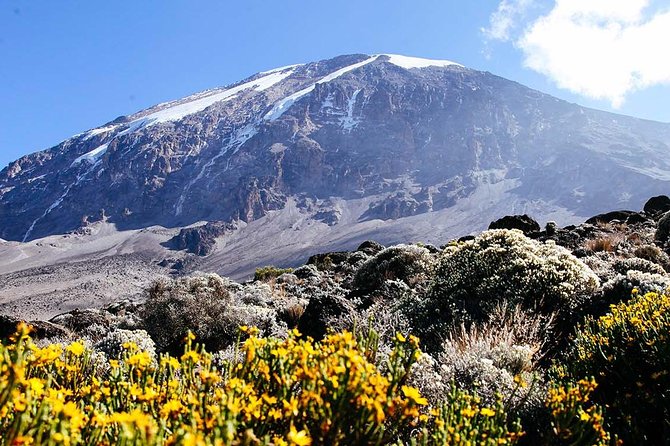
Your day starts with pickup after breakfast and a drive to the Kilimanjaro National Park gate, plus the paperwork that gets you officially on the mountain route. Then the trek begins: about 5–6 hours to Machame Camp.
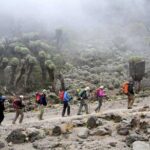
This is rainforest hiking. Expect large ancient trees, primeval ferns, and flowers like Impatiens kilimanjari. The air feels cooler and greener. The trail tends to be more forgiving underfoot than later stages, but you still earn every kilometer because you’re hiking every day and you’re building altitude gradually.
One detail I like here is the wildlife potential. You might spot colobus monkeys with their distinctive coloring, peeking through leaves. It won’t be guaranteed, but it’s the kind of chance that makes the first day more than just a warm-up.
At camp, you get time to stretch, relax, and eat a hearty meal before sleeping in a tent. That combination—movement, then proper downtime—is what helps you show up better for Day 2.
Day 2: Shira Camp Jump and the View That Changes Everything
Day 2 starts early, not because you’re pushing super fast, but to help you reach Shira Camp around mid-afternoon. The big deal is the transition. You go from lush rainforest into drier moor and heath land.
You’ll notice the change in texture and color of the world around you. The greens fade. You’re walking through a quieter, more open zone where the mountain becomes more visible. When you arrive, you get a view that opens up in a serious way—exactly what you want after spending the morning climbing through changing terrain.
And then there’s the moment of seeing Kilimanjaro’s glaciers catching light near sunset. The Kibo glaciers glistening in the golden hue is one of those Kilimanjaro details that makes the cold, the wind, and the effort feel worth it.
You’ll eat again at camp and sleep in your tent, still building altitude without rushing.
Day 3: From Shira Plateau to Lava Tower, Then Down to Barranco Camp
Day 3 is where acclimatization stops feeling like a buzzword. Today you climb roughly 700 meters, but you avoid sleeping much higher than the previous night. That “climb up, sleep carefully” approach helps many hikers adjust better.
You start on Shira Plateau and work your way toward Lava Tower (4,640m), where you rest. This section sits at the heart of the Machame Route’s “high enough to acclimatize” philosophy. The air gets thinner. Your pace needs to slow. You’ll likely spend more time checking in on your breathing and energy than thinking about speed.
After resting, you continue through the Barranco Valley to Barranco Camp. The trek takes about 6–7 hours, and the distractions help. You pass small lobelia plants and giant senecio. Those are the kinds of details that keep your mind from fixating on the uphill meters you still have ahead.
At Barranco Camp, dinner and a proper overnight follow. It’s a camp day, not a summit day, so you can focus on recovery: eat, hydrate, and settle in.
Day 4: Barranco Wall Moves With Help From Your Guide to Karanga Camp
Day 4 is short on hours compared to some days, but it’s strong on effort. The Barranco Wall is the signature feature: expect sections where you use your hands for better grip.
The key point for planning: this is not technical rock climbing. Your guide is there step by step and helps when needed. That matters because you’re at high altitude and your balance matters more than it does on a normal hike.
The route includes ascents and descents, which gives you more acclimatization support. You move along the ridge, taking in sharp contrasts of desert and vegetation. Then you finish by reaching Karanga Camp (about 3–4 hours of trekking).
There’s also a nice mental trick here. The day is demanding, but it’s not “forever hard.” You still have camp time afterward—enough time for rest, maybe a card game, and a chance to look ahead without panicking.
At Karanga Camp you eat and sleep in a tent again.
Day 5: The Dry Desert Push to Barafu Camp
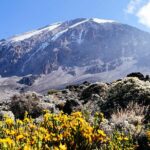
If Day 4 helps you build confidence, Day 5 feels like the warm-up for summit focus. You wake up to sunlight dancing on Kibo Summit—a sight that makes the next climb feel personal.
After breakfast, you trek to Barafu Camp. Most of the day is dry desert terrain. The mountain stays to your left side as you hike through the harsh-looking zone that sits between “pretty” and “serious.”
You’ll reach Barafu Camp after around 3–4 hours. Then the plan turns to saving energy. You’ll have an early dinner and overnight here because the highlight is only a few hours away.
Barafu Camp is where many hikers start to feel the atmosphere shift: not just altitude, but urgency. This is where you want to be ready—sleep as much as you can and follow your guide’s pacing instructions.
Day 6: Midnight Start, Stella Point, and the Uhuru Peak Sunrise
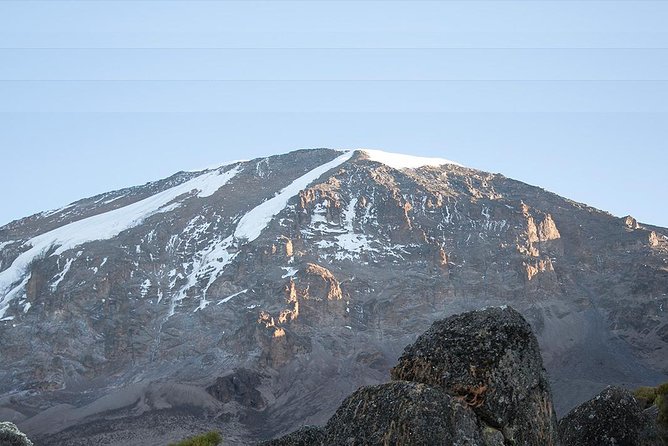
Day 6 is the heart of Kilimanjaro. Around midnight, you’ll wake up and your guide prepares you with a warm drink—tea and biscuits—so you can start the final ascent with energy in your system.
It’s dark. Your moon and headlamps are your light. You hike up toward Stella Point, reaching the crater rim in about 5–7 hours.
Then comes the final stretch: another 1–2 hours to Uhuru Peak (5,895m). Timing is built around the sun rising. When it hits, you get that pink-toned glow over the African landscape and glaciers that sparkle like diamonds around the peak.
This is the part that people remember years later. Not because it’s easy. Because it’s earned.
After the view and photos, you descend along the same route back to Barafu Camp to regroup with your team and settle back into camp mode.
Also, one practical note from experience-minded hikers: the descent can feel worse than expected. Your legs may be tired in a different way because you’re absorbing impact while still adjusting to altitude. Go slowly. Your guide will help keep the pace controlled.
Day 7: Mweka Gate Descent, Farewell Ceremony, and Hotel Recovery
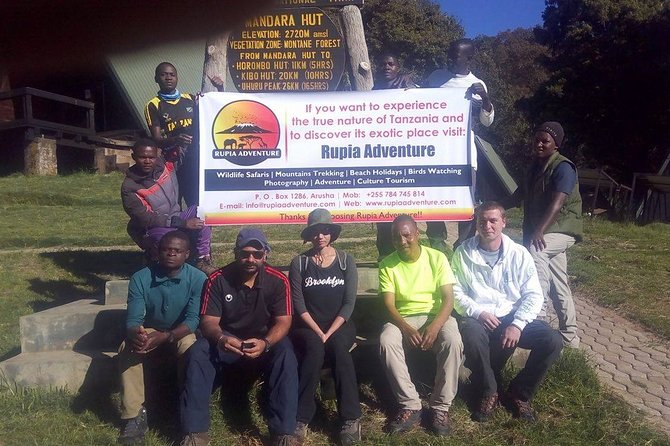
Day 7 starts with breakfast, then a traditional farewell ceremony from your mountain crew. That moment matters. It’s a reminder that Kilimanjaro is teamwork: guides, porters, cooks, and your own perseverance.
Then you trek down. You’ll head through rainforest again, which brings a welcome change in temperature and scenery. You may even spot those cheeky colobus monkeys one more time as you get your bearings on the trail below the summit.
You reach the Mweka gate in about 2–3 hours, then you’re met there and taken back to your hotel. Expect time for a long shower, a relaxed day by the pool, and a more normal dinner and overnight.
It’s a satisfying ending because you don’t go straight from peak adrenaline to chaos. You get reset time.
Your Crew and Guides: What Small Groups and Real Experts Feel Like
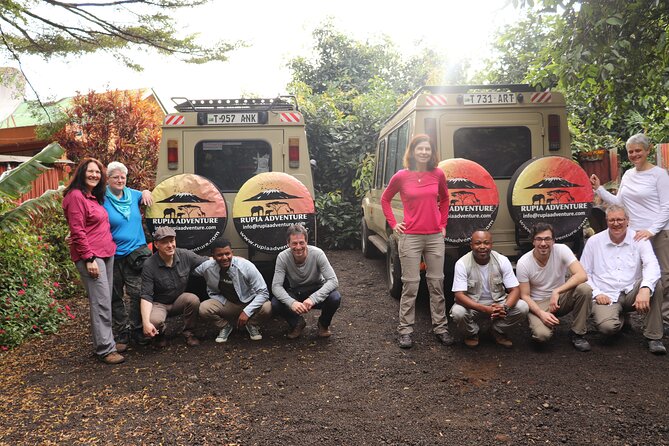
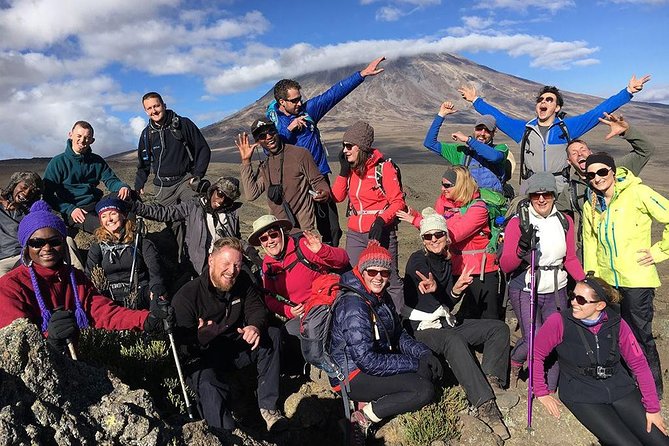
This trek is set for a maximum of 4 travelers, which is a big deal on Kilimanjaro. Smaller groups usually mean you get more personal pacing choices and more attention from the guide when you need it.
The guides are described as experts and part of what makes summit success more likely. Names you may come across include Gideon and Laurent (during pre-climb briefing and the trek crew), plus Emanuel and Meshack on other Kili climbs. One operator staff member named in planning conversations is Janniken, and guide names like Frank, Mathias, Julius, and Johnny show up in real trip experiences. The common thread is the same: solid English, steady coaching, and a team that stays focused on getting you safely up and back.
Also pay attention to the idea of pre-climb prep. Some groups report doing a gear check and briefing at a hotel such as Mvuli Hotel. Even if your schedule differs, it’s worth asking your operator what the pre-trek gear check looks like and when it happens.
Tents, Timing, and What Cold Nights Really Mean
This trek uses tents for overnight stays on the route. That sounds straightforward until you remember Kilimanjaro nights can feel cold even when you’re exhausted. Your best defense is preparation and layering.
The itinerary timing matters too. You’ll start days early, then hike for a set number of hours, then settle in at camp before dark fully closes in. The midnight summit push makes Day 6 feel like a marathon in short segments. You’ll be moving when most people sleep.
So bring what keeps you comfortable:
- warm layers for cold mornings and camp time
- a system for keeping essential items usable in cold (water, meds, headlamp batteries)
- good boots and socks that won’t fall apart under daily hiking
The trekking schedule also suggests you should plan to move at your pace. The route’s acclimatization plan works best when you don’t force “fitness speed” onto altitude.
Price and Value: Is $2,200 a Fair Deal?
At $2,200 per person, you’re paying for the hard-to-replicate parts of Kilimanjaro: experienced guiding, the mountain crew, tent-based camping support, and a route designed to help with acclimatization. You’re also paying for the fact that you’re not doing this alone. The crew logistics are not optional on Kilimanjaro—they’re the whole point.
What you should weigh against the cost:
- You’re getting a structured route with major acclimatization support days.
- Pickup is offered from your hotel after breakfast (so you’re not figuring it out).
- The group size limit (max 4) can improve attention and pacing.
What could affect value for you personally:
- If your gear is lacking, you’ll need to spend extra time and money fixing it.
- If you’re not physically ready for daily altitude hiking, you may face a harder route experience than the schedule suggests.
Still, relative to the effort and summit-focused planning, this feels like a solid value for many hikers who want Machame with expert support.
Should You Book This 7-Day Machame Trek From Arusha?
If you want a real chance at acclimatization and you like having a plan instead of guessing, this trek fits. The Machame Route’s design—especially the climbing-and-sleeping strategy and the way Barranco day is handled with guided help—makes it a strong match for most first-time Kilimanjaro goals.
I’d also recommend it if you value a small group feel and you want your guide to stay engaged throughout. The whole experience runs on pacing, not bravado.
But don’t book it if you’re hoping for an easy vacation. This is strenuous, cold at night, and demanding on your legs. If you’re unsure about altitude, talk to a travel-medicine professional before you go. And for those who use it, one trip piece of advice shows up in a big way: someone flat-out recommended taking Diamox. That’s personal medical territory, so treat it as a discussion point with your clinician, not a casual instruction.
FAQ
What start time should I plan for on this Kilimanjaro trek?
The start time is listed as 8:30 am.
How long is the Machame Route trek?
The duration is about 7 days.
Where does the trek start and is pickup included?
The trek starts in Arusha, Tanzania, and pickup is offered from your hotel after breakfast to take you to the Kilimanjaro National Park gate.
What route is this tour using?
It’s the Machame Route to Mount Kilimanjaro.
Do you camp in tents on the trek?
Yes, tents are used for overnight stays on the Machame Route.
What’s the maximum group size?
This experience has a maximum of 4 travelers.
What kind of guides and support should I expect?
You’ll be accompanied by an expert guide throughout the trek, including help on sections like the Barranco Wall.
Is there any requirement around weather?
Yes. The experience requires good weather. If it’s canceled due to poor weather, you’ll be offered a different date or a full refund.
How does cancellation work?
Free cancellation is available up to 24 hours in advance of the experience start time for a full refund. If you cancel less than 24 hours before, the amount paid will not be refunded.
Is a mobile ticket provided?
Yes, the tour notes include a mobile ticket.
If you tell me your fitness level and whether this is your first high-altitude trek, I can help you sanity-check whether the 7-day Machame plan matches your pace and comfort needs.