REVIEW · UBUD
Sidemen Trekking Through Rice Terraces and Villages
Book on Viator →Operated by Sidemen Guide Trekking and Scooter Tour · Bookable on Viator
Early mornings in Sidemen are pure magic. This trek through rice paddies and village paths is all about seeing how the Subak irrigation system keeps Bali’s iconic fields alive, while you pass temples and village work along the way. It starts from the market area, then you follow irrigation channels toward Mount Agung for that slow, step-by-step look at everyday life.
I especially like the way this trip mixes scenery with real farming details, from planting and plowing to harvesting rhythms you can actually picture. And with guide Wayan leading many groups, the walk often turns into a plant-and-culture chat as you move between paddies, channels, and local spots.
One thing to plan for: depending on the season, some paddies may be already harvested, so you might not get the classic sea-of-green look the whole time.
In This Review
- Key things to know before you go
- Sidemen Trekking Through Rice Terraces: the morning feel
- Getting there: meeting point and how the start works
- The route: market area to rice terraces to village paths
- Subak of Ogang: the irrigation story that makes the walk click
- Temples, farmers, and Mount Agung views: what you’ll notice as you walk
- The wooden bridge and tricky footing: comfort tips that actually help
- Guide Wayan: why a local host changes the whole experience
- Time, price, and value: is $9.80 really fair?
- Who should book this Sidemen trek (and who might want another option)
- Should you book this Sidemen rice terrace trekking tour?
- FAQ
- What time does the trek start?
- How long is the trek?
- Where is the meeting point?
- Is hotel pickup included?
- What’s included in the price?
- Is cancellation free?
Key things to know before you go
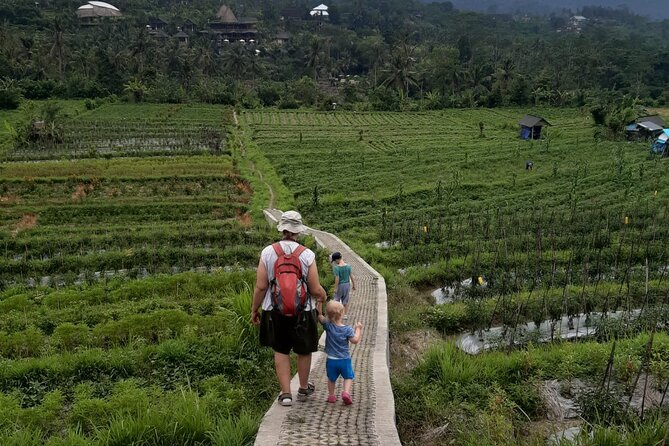
- Local rice farming system: You’ll see how the Subak irrigation network shapes daily field work.
- Village life on the route: Temples, farmers, and working landscapes you can walk right through.
- Mount Agung in view: The trek’s direction helps set up those mountain outlook moments.
- Shared wooden bridge: You’ll cross a bridge used by locals and motorbikes, so watch your footing.
- Wayan’s guide style: Friendly, curious, and good at explaining plants and how rice is grown.
- Good value timing: Start at 7:00 am for cooler walking and better light in the terraces.
Sidemen Trekking Through Rice Terraces: the morning feel
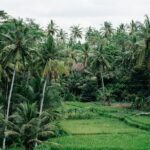
If you’ve ever wished Bali felt less like a postcard and more like a daily routine, this walk fits. Sidemen’s rice terraces don’t just sit there for photos; they’re part of how people live, eat, and work. The trekking format keeps you moving slowly enough to notice irrigation channels, footpaths, and the small changes between paddies.
The timing matters. A 7:00 am start means the air is usually calmer and the light is gentler on the terraces and temple areas. It also gives you that early-morning village energy without the heat that can make any countryside walk feel longer than it is.
You can also read our reviews of more tours and experiences in Ubud.

Getting there: meeting point and how the start works
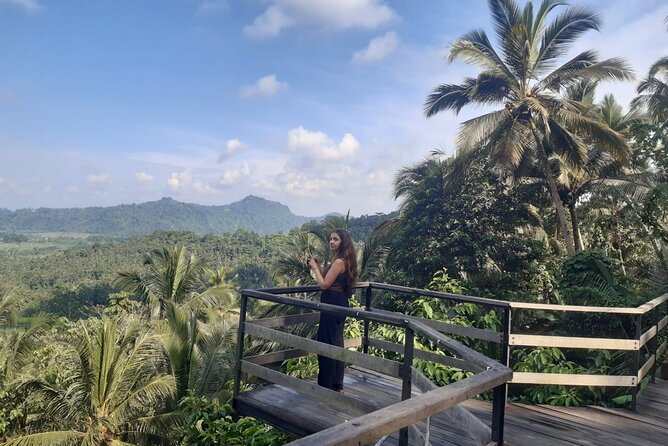
You’ll meet at SIDEMEN RICE TERRACE GCJP+77P in Sidemen (Jl. Sidemen – Sangkan Gn., near Sangkan Gn., Kec. Sidemen, Kabupaten Karangasem). The activity ends back at the same meeting point, so you’re not dealing with a complicated drop-off.
Pickup is listed as optional for hotel hotel-to-hotel convenience. If you’re staying in Ubud, decide whether you want the door-to-door ease or prefer to keep it simple and self-navigate to the start. The tour is also described as being near public transportation, which can help if you don’t want to rely on a private car.
This is a private experience, meaning it’s only your group. That’s a big deal on a trek like this, because it makes it easier to move at a comfortable pace and ask questions without feeling rushed.
The route: market area to rice terraces to village paths
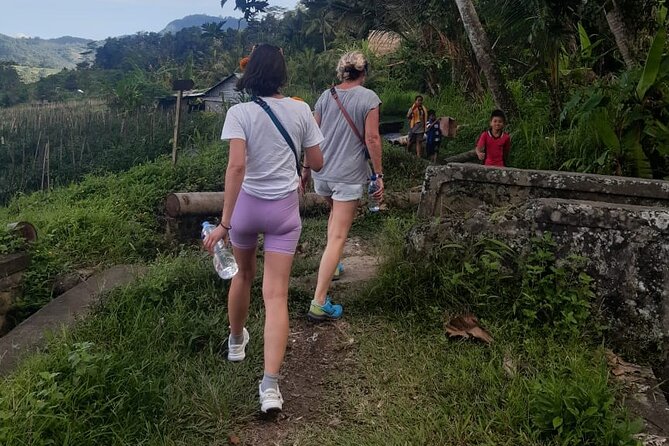
The trek begins from the traditional market and village center, then you head into the rice-growing areas. That first stretch is nice because it sets context quickly. You’re not dropped straight into “nature only.” You start with the village rhythm, then you transition from homes and foot traffic into working farmland.
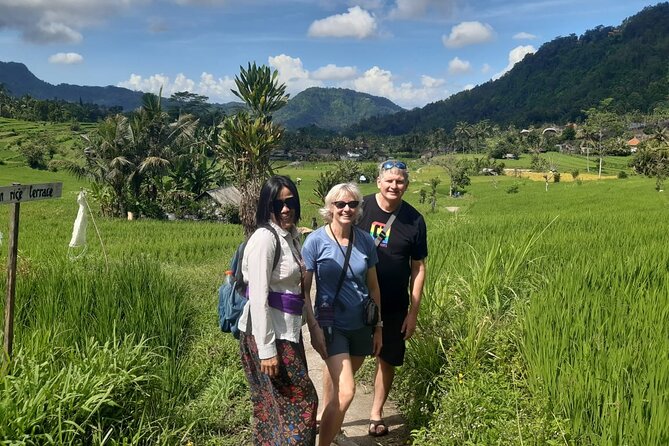
From there, you’ll follow irrigation channels and walk through lush rice paddies toward Mount Agung. Along the way, you’ll pass temples and see daily routines connected to farming—things like planting and harvesting cycles you can observe as you move.
A practical note: the trek’s length is listed at about 1 hour (approx.), but at least one guide-led experience is described as closer to 2 hours. That’s common on countryside walks depending on your group pace, how long you stop for views and questions, and how weather affects the path.
Subak of Ogang: the irrigation story that makes the walk click
The highlight for me is how the tour focuses on the Subak irrigation system, including the Subak of Ogang as you pass through. If you’ve ever wondered why Balinese rice terraces look so organized (instead of random), this is where it becomes understandable.
Subak is basically a community-based water management system. On the ground, that means irrigation channels aren’t just scenery; they’re the practical network that supports growth in the terraces. As you follow the channels during the walk, you get a clearer sense of why the water flow, field layout, and farming decisions are linked.
Why you’ll care: without this context, rice terraces can feel like “pretty layers.” With the Subak explanation, the same views become functional—water routes, timing, and local knowledge all shape what you see.
Temples, farmers, and Mount Agung views: what you’ll notice as you walk
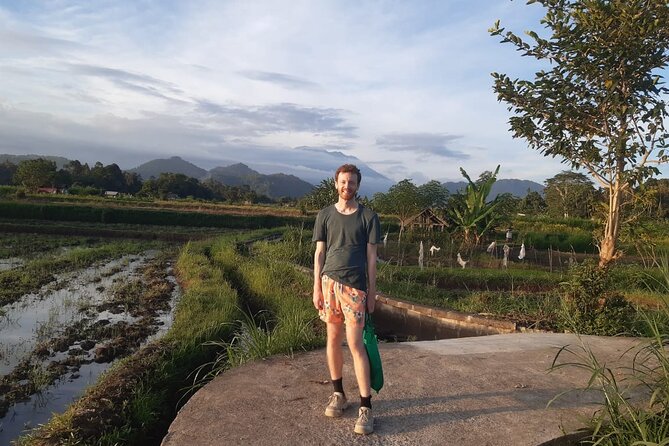
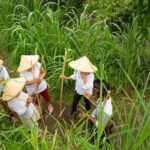
This trek moves through working village areas, so you’ll likely spot farmers in the fields doing routine tasks. The exact work you see (plowing, planting, harvesting) can vary, but the tour is built around that connection between people and paddies.
You’ll also pass by temples, which changes the mood. Instead of a pure hike through greenery, you’re walking through a lived-in landscape where spiritual sites and farming areas overlap. Even if you’re not studying Balinese culture deeply, that combination helps the trek feel grounded and authentic.
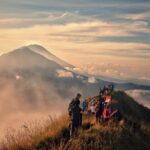
And then there’s Mount Agung. The route is oriented so you get mountain outlook moments while you’re still in the terraces, not after you’ve already finished the walk. Those are the points where you slow down, look up, and realize you’re seeing a whole system—not just a single viewpoint.


The wooden bridge and tricky footing: comfort tips that actually help
One of the route details I like is the wooden bridge that you cross, shared by locals and motorbikes. It’s a small piece of infrastructure, but it signals something important: you’re moving through real transit routes, not a theme park trail.
Because the bridge and paths can get slippery, especially after rain, wear footwear that can handle uneven ground. In wet conditions, expect mud and water on the trail. The good news is that the trek involves a guide who can help you through the trickier spots, so you’re not left figuring it out alone.
Also bring a rain layer if the forecast looks questionable. Even if it’s not raining hard, morning humidity or a brief shower can turn the walk slick. Bottled water is included, but you’ll still want to dress for the conditions, not just the forecast temperature.
Guide Wayan: why a local host changes the whole experience
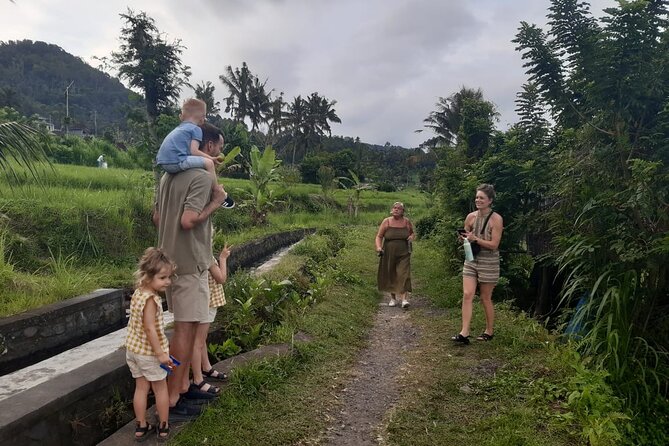
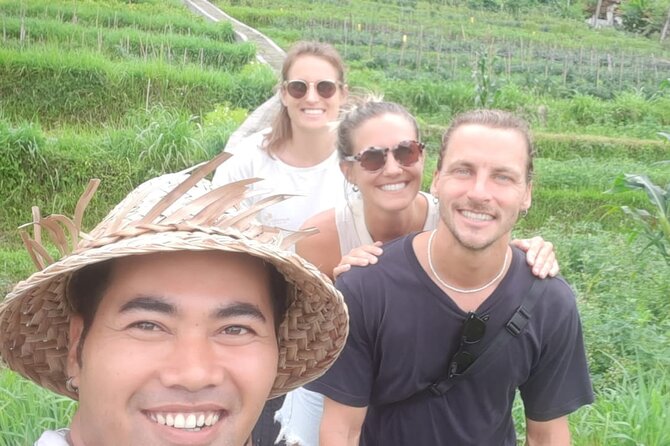
A tour like this lives or dies by the guide. The stand-out here is Wayan, who’s described as fun, friendly, and full of practical knowledge. His explanations aren’t just “rice is important.” You get the story behind rice culture, what people grow, and how the work fits together.
What makes Wayan’s style useful for you: he’s engaging enough that you can ask questions and actually get answers in plain language. You’re walking the terrain anyway—so when your guide ties what you’re seeing to farming practices and local plant knowledge, you’re learning without it feeling like class.
One added perk some groups get is a chance to eat at his family’s warung for a late lunch. That’s not listed as included, so treat it as a possible add-on if the timing works for your day and if you’d enjoy a simple local meal with a friendly host.
Time, price, and value: is $9.80 really fair?
At $9.80 per person, this is priced as an easy-access countryside morning. The tour includes:
- Bottled water
- Guide trekking
- Hotel pickup and drop-off (optional)
The value comes from what you get for that money: a private guided walk in a real agricultural area, with context on Subak and village life—plus the convenience of optional pickup. You’re not paying a premium for a vehicle-based sightseeing loop.
There are a couple of “value caveats,” though. First, the visibility of rice stages depends on the season, so your photos might look more or less lush than you expect. Second, the trek duration is listed around 1 hour, but can run closer to 2 hours depending on pace. Either way, you’re getting a short, satisfying walk rather than a long-day hike.
In short: this is best value if you want cultural context and real walking—not if you’re only chasing a specific photo-perfect stage of the rice cycle.
Who should book this Sidemen trek (and who might want another option)
This is a good fit if you:
- Enjoy walking and want countryside views with context
- Like asking questions and learning how things work locally
- Prefer a private pace over a crowded group tour
- Want a family-friendly option for lighter trekking (especially with a guide who’s comfortable adapting to your needs)
It may be less ideal if you’re expecting untouched, fully green paddies in every direction. If you travel at a time when many fields are already harvested, the experience can shift more toward irrigation, terraces, and village life than toward dramatic peak-rice visuals.
If that’s your top priority, it’s still worth going—but keep expectations flexible. Some mornings you’ll get the wow factor of thriving paddies; other mornings you’ll appreciate the “how it works” story more.
Should you book this Sidemen rice terrace trekking tour?
I’d book it if you want a morning in Sidemen that feels like a village walkthrough with a real guide—especially if learning the Subak system and daily farming routines matters to you. The price is friendly, the walk is straightforward, and having a guide like Wayan can turn a simple trek into a meaningful cultural experience.
Skip it (or choose carefully) if you’re only here for peak-season rice visuals and you’re not flexible about what stage the fields are in. Also, if you hate uneven ground or muddy paths, plan footwear accordingly.
Overall, this is a practical, low-cost way to see why Sidemen rice terraces look the way they do—water management, village life, temples, and walking routes all in one morning.
FAQ
What time does the trek start?
The tour starts at 7:00 am.
How long is the trek?
The duration is listed as about 1 hour, though it may run longer depending on pace and stops.
Where is the meeting point?
You’ll meet at SIDEMEN RICE TERRACE GCJP+77P in Sidemen. The exact start area is listed at Jl. Sidemen – Sangkan Gn., Sangkan Gn., Kec. Sidemen, Kabupaten Karangasem, Bali.
Is hotel pickup included?
Hotel pick up and drop off is optional. You can arrange it if you want convenience.
What’s included in the price?
The price includes bottled water and a trekking guide.
Is cancellation free?
Yes. Free cancellation is offered, with full refund if you cancel up to 24 hours before the experience starts.