REVIEW · ARUSHA
Lemosho Route 7 Days Trekking at Mount Kilimanjaro
Book on Viator →Operated by Suricata Safaris · Bookable on Viator
Kilimanjaro feels different on the Lemosho route. With Suricata Safaris, I like the calmer pace of the Lemosho start and the way the team keeps things organized from Arusha to the gate. It’s a 7-day climb built around real acclimatization, not just “walk until you’re tired,” and that balance matters on summit day.
One thing to plan for: the itinerary still ends with a hard midnight summit push. Even if you’re fit, altitude and weather can turn any plan into a slower, more careful climb.
In This Review
- Key highlights that matter on the 7-day Lemosho climb
- Starting in Arusha: Gate Day and Why Lemosho Feels More Roomy
- Day 1 to Mti Mkubwa Camp: Rainforest walking and your first altitude gain
- Day 2 to Shira One Camp: Heath and moorland, plus a big climb
- Day 3 via Lava Tower to Barranco Camp: Acclimatization with a purpose
- Day 4 Barranco Wall to Karanga Camp: Shorter trek, smart rest
- Day 5 to Barafu Camp: Pre-summit build-up at 4600m
- Day 6 summit night to Uhuru Peak: the tough part, paced by strategy
- Day 7 down to Mweka Gate: rainforest walking and a certificate moment
- Guide and team setup: what a max of 8 trekkers changes
- Meals, camping, and included park fees: where the value shows up
- Weather reality: rain happens, and it affects how you feel
- Price and Logistics: what you get, and what you must handle yourself
- Who should book this Lemosho route (and who should reconsider)
- Final take: should you book the 7-day Lemosho trek with Suricata Safaris?
- FAQ
- How many days is the Kilimanjaro trek on this route?
- Where does the trekking start and where do you finish?
- What’s included in the price?
- What’s the highest point on the summit day?
- How big is the group?
- Is cancellation free, and how far in advance do I need to cancel?
Key highlights that matter on the 7-day Lemosho climb
- Small group size (max 8 trekkers), which usually means more personal attention and a smoother rhythm on the trail
- Londorossi Gate permit day with about 1 hour for registration/payment before you start hiking
- Lava Tower acclimatization (around 4600m) before you drop to Barranco Camp at 3940m
- Uhuru Peak summit (5895m) starting around midnight, then a long descent to recover
- Park admission plus full meal plan through the trek (breakfast, lunch, dinner) so you’re not micromanaging costs
Starting in Arusha: Gate Day and Why Lemosho Feels More Roomy
Your trip begins in Arusha, Tanzania, with transport to the Londorossi Gate in 4×4 Land Cruisers/Land Rovers. Expect about 1 hour for registration and payment of the permit, then you drive to the Lemosho starting point around 2100m.
What I like about starting this way is how it frames the whole climb: you’re not thrown onto the trail instantly. You get a real “before we start” moment—time to get oriented, adjust layers, and make sure your kit is packed the way you like it. On a route like this, organization is not boring. It helps you conserve energy for the harder days ahead.
Also, the Lemosho approach is known for feeling less crowded than the popular shortcuts. That can mean more quiet trail time and fewer traffic jams when you’re trying to keep a steady pace.
You can also read our reviews of more tours and experiences in Arusha.
Day 1 to Mti Mkubwa Camp: Rainforest walking and your first altitude gain
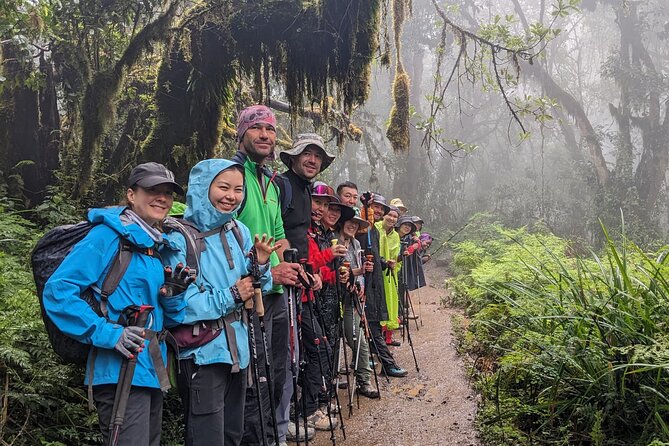
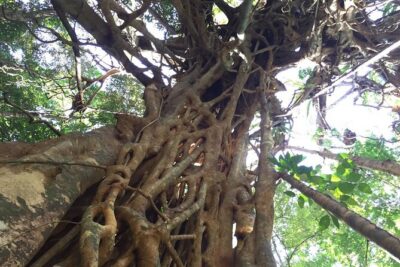
Day 1 is all about gently starting the rhythm. You’ll climb from about 2250m at the gate area to the trailhead around 2100m, then hike through rainforest for roughly 6 km to Mti Mkubwa Camp (Big Tree Camp) at 2750m. Plan around 3 hours for that section, with an altitude gain of about 650m.
This is the “don’t race it” day. You’ll feel like you can go faster, but the whole point is to start building consistency. If you’ve done shorter hikes before, you might be tempted to power up—don’t. On Kilimanjaro, the smartest hikers look calm and controlled.
Dinner and an overnight stay at the campsite are included. That means you can focus on acclimatization instead of chasing logistics.
Day 2 to Shira One Camp: Heath and moorland, plus a big climb
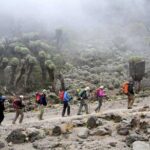
Day 2 takes you from the forest zone into heath and moorland, ending at Shira One Camp (3500m). You cover about 13 km and climb roughly 1100m. That’s a lot of altitude in a single day, and it’s why pace becomes your best tool.
The trail asks for steady effort more than speed. If you go out too hard, you’ll pay for it later. If you keep breathing controlled, you’ll arrive with enough energy to enjoy the camp setup and rest well.
You’ll be eating well on this trek (breakfast, lunch, dinner are built in). That’s not a small detail. On high-altitude days, you don’t want to arrive at camp hungry and grumpy, especially when you’re still learning how your body handles the air.
Day 3 via Lava Tower to Barranco Camp: Acclimatization with a purpose
Day 3 starts early, with a hike to Barranco Camp (3940m). The key move is passing through Lava Tower (4600m) for acclimatization. That means you’ll go up, then you’ll recover by continuing toward Barranco.
Total hiking time is around 6 to 7 hours, including a picnic lunch. Distance is about 10.75 km, and the climb is broken into two chunks:
- About 750m gain up to Lava Tower (4600m)
- Then about 660m gain from Lava Tower onward to Barranco (3940m)
What I find valuable here is the logic of the route. You’re not simply “going higher every day.” You’re training your body to handle altitude while still setting up tomorrow’s moves.
Expect the emotional rhythm too. Many hikers find Barranco is where Kilimanjaro starts feeling real—less like walking, more like working with your breathing and staying patient.
Day 4 Barranco Wall to Karanga Camp: Shorter trek, smart rest
Day 4 focuses on Barranco Wall (around 4250m) and then continues to Karanga Camp (4000m). You’ll hike about 4.25 km and gain around 250m, with hot lunch on arrival.
The walking time is about 3 to 4 hours, and the route is intentionally shorter so you can build recovery. You’ll also have time for rest plus an acclimatization walk.
This day can feel like a relief after the longer pushes. But don’t treat it like a vacation. Use the rest the right way: hydrate, eat, and keep your legs calm. A good Day 4 often turns into an easier Day 5 and a better shot at summit night.
Day 5 to Barafu Camp: Pre-summit build-up at 4600m
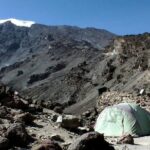
On Day 5, you climb through heath and moorland to Barafu Camp at 4600m. It’s about 3 to 4 hours of hiking, with a distance around 4.25 km and about 600m altitude gain.
At camp, you’ll get hot lunch, then time to rest. Dinner is early, and you’ll sleep for a short stretch before the midnight summit plan.
This is one of the most mentally important days. The climb to Barafu sets up your body and your camp timing. You want to be awake enough for the summit push without spending the day panicking or overthinking gear.
And yes—this trek is included with park admission and a full meal plan, so you shouldn’t have to spend your energy tracking what you’re supposed to eat when. That’s real value when you’re running on limited calories and thin air.
Day 6 summit night to Uhuru Peak: the tough part, paced by strategy
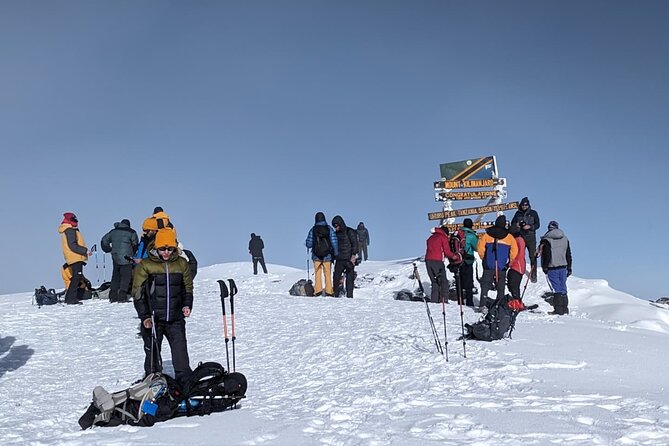
Day 6 starts around midnight (12:00am). You’ll wake up, pack essential items, then begin the ascent to Uhuru Peak (5895m). The climb takes about 6 to 7 hours, covering roughly 4.86 km with an altitude gain of about 1295m.
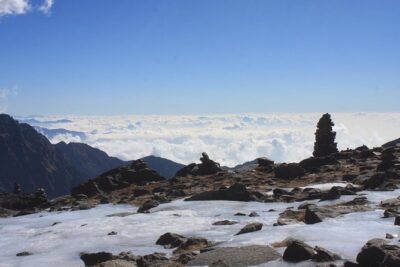
Then comes the other half: you descend from the summit back to Barafu Camp for breakfast in about 3 hours. After that, you rest and have hot lunch before continuing the descent through alpine desert, heath, and moorland. You’ll finish at the rainforest edge at Mweka Camp (3100m).
Overall, the distance from Uhuru Peak to Barafu and on to Mweka Camp is about 11.5 km, with a total altitude decrease around 2795m.
This is where the guides and team really matter. A high summit is not just a physical effort—it’s a pacing and decision-making challenge. I also picked up a consistent theme from the experiences shared with this company: the guides are experienced enough to keep people steady when conditions get rough.
If you’re thinking about guides, names that stand out in this setup include Freddy and Modest, with Mike also mentioned in one group. That kind of consistency usually means you’ll get more than directions—you’ll get actual mountain judgment.
Day 7 down to Mweka Gate: rainforest walking and a certificate moment
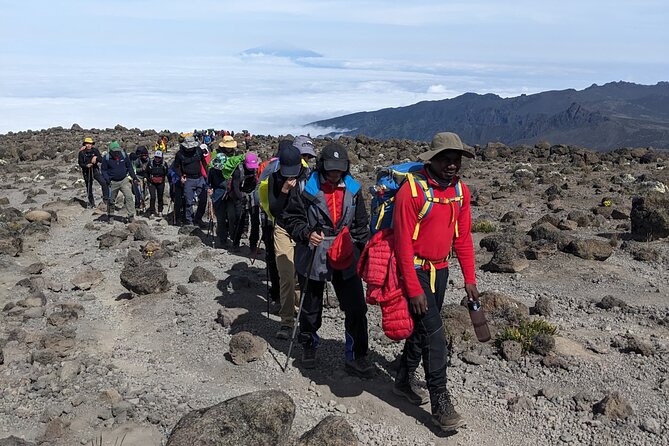
Your final hiking day goes from Mweka Camp down to Mweka Gate (1800m) through rainforest for about 3 to 4 hours. The trek is around 9.1 km, with about 1400m descent.
Once you reach the gate, if you successfully summited, you’ll receive a certificate. Then you meet your vehicle and transfer back to Jevas Hotel in Arusha for drop-off. This is a satisfying finish: you’re coming down through trees, not staring at the sky for one last push.
Even if you feel wrecked, Day 7 tends to feel strangely light—because it’s closure. You can finally let your body relax and reflect on how many days of controlled effort got you to 5895m.
Guide and team setup: what a max of 8 trekkers changes
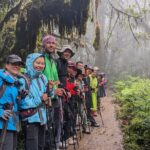
This trek caps at 8 travelers. In practice, that makes a difference. You’re less likely to feel lost in a crowd, and the group tends to move with fewer bottlenecks on narrow sections.
The company’s approach also shows up in the way meals and camp life are handled. In one example shared, a small group of 3 trekkers hiked with Fred and Mike as guides, plus a cook and 9 porters. Another note mentioned 25 people total, which likely includes porters and staff. The takeaway for you: camp operations usually feel supported and staffed, not improvised.
That matters because Kilimanjaro rewards calm. When someone is coordinating food, camp timing, and trail rhythm, you’re free to focus on your breathing, your temperature layers, and your footing.
Meals, camping, and included park fees: where the value shows up
This climb includes:
- Certified guide
- Breakfast (6), lunch (7), dinner (6)
- Admission ticket(s) included for the days listed
- Camps at each stop (implied through the campsite overnight structure)
Here’s the practical value: summit climbs fail when people run short on energy, don’t eat properly, or spend time on unnecessary tasks. With a built meal plan and included admission tickets, you’re buying time and confidence.
You’re also paying for a lot of behind-the-scenes work: permit handling at the gate, food planning at altitude, and camp routines while you hike. That’s not glamorous, but it’s exactly what keeps the trek from turning into chaos.
Price check: you’re paying $2,800 per person. For this part of the world, that’s not the cheapest option, but it’s also not a random high price. It includes core needs (guide, meals, admission) and follows a full 7-day structure that gives you multiple acclimatization days.
Weather reality: rain happens, and it affects how you feel
Kilimanjaro isn’t always dramatic sunshine. In the experiences shared, weather was tough at times, including rain on multiple days. When it rains, you’ll likely face:
- slippery footing on sections you normally walk faster
- colder nights, even when daytime feels manageable
- more time spent drying gear and managing warmth
So I’d plan like this is a hike, not a beach day. Bring layers that handle damp conditions, and keep your most important items protected. If you get your packing right, the rain becomes annoying instead of dangerous.
Also, the route itself includes big altitude moves and a midnight summit. Bad weather doesn’t remove the difficulty—it changes the experience. That’s why having an experienced team matters.
Price and Logistics: what you get, and what you must handle yourself
The headline price is $2,800 per person. From the provided details, you’ll also need to budget for what’s not included:
- International flights and departure taxes
- Medical, travel, and luggage insurance
Everything else that affects day-to-day comfort is covered: guide, meals, and the park admission tickets for the listed trek days.
For logistics, you’ll have pickup offered, and you receive a mobile ticket. The meeting window is broad (open all day), and the location is described as near public transportation.
One more thing: you should have moderate physical fitness. This does not mean casual fitness is enough. It means you can handle long days of walking, steep sections, and the mental demands of altitude.
Who should book this Lemosho route (and who should reconsider)
This trek fits you if:
- you want a 7-day plan with acclimatization stops built into the itinerary
- you’re comfortable camping at altitude
- you’re aiming for a realistic summit attempt with a nighttime push to Uhuru Peak
- you value a smaller group setting (max 8 trekkers)
You might reconsider if you’re not prepared for cold, rain, and the physiological grind of altitude. Even strong hikers can struggle on summit night because that’s the nature of the mountain, not a sign of poor fitness.
One practical way to decide: ask yourself if you can commit to pacing and patience. This trek rewards that mindset more than raw speed.
Final take: should you book the 7-day Lemosho trek with Suricata Safaris?
If you’re choosing between routes, I think the Lemosho approach works well when you want a less rushed feeling and multiple chances to adjust before the summit bid. The structure is clear: rainforest start, Shira for altitude build, Lava Tower for acclimatization, then Barranco and Karanga to prepare you for Barafu and the midnight climb.
So yes, I’d book it if you want a guided, meal-supported, park-admission-included Kilimanjaro attempt with a small group and experienced staff like Freddy and Modest (plus Mike mentioned in guide teams). Just be honest about the main challenge: summit day is still hard, and weather can add friction—rain changes how your legs feel.
FAQ
How many days is the Kilimanjaro trek on this route?
The trek is approximately 7 days.
Where does the trekking start and where do you finish?
You start from the Londorossi Gate area and trek through to Mweka Gate, then you are transferred to Jevas Hotel in Arusha for drop-off after reaching the gate.
What’s included in the price?
Included items are a certified guide, breakfast (6), lunch (7), dinner (6), and admission ticket(s). Pickup is also offered.
What’s the highest point on the summit day?
The summit day targets Uhuru Peak (5895m).
How big is the group?
The trek has a maximum group size of 8 travelers.
Is cancellation free, and how far in advance do I need to cancel?
There is free cancellation. You can cancel up to 24 hours in advance of the experience start time for a full refund. If you cancel within 24 hours, the amount paid is not refunded.