REVIEW · KATHMANDU
Kathmandu: 8-Day Annapurna Circuit Trek via Thorong La Pass
Book on GetYourGuide →Operated by MTA Trekking Pvt. Ltd. · Bookable on GetYourGuide
Eight days. One big mountain lesson. This trek shines because it sends you over the Thorong La Pass at 5,416m early in the morning, then drops you into one of Nepal’s most dramatic religious stops at Muktinath Temple. I love how the route mixes high-altitude payoffs with real village life in places like Pisang and Manang. I also like that the plan builds in a dedicated acclimatization day, not just a token rest. One consideration: the overall pacing is fairly brisk, so if you’re not well trained, you’ll want to take altitude seriously and move slower than your ego.
I especially like the way the trek is structured around logistics that actually matter: long travel days that get you to the trailhead, short-to-medium hiking days that are easier to manage, and a very clear pass-day strategy starting around 4 AM to reduce wind on Thorong La. From the guide side, names that came up again and again include Chakra, San Bhai, Shishir, and Ghanshyam, and their common thread is attentiveness and calm planning.
If you go, plan for winter-cold conditions and pack for it. You might find you need your own sleeping bag for winter treks (November–December), and hot showers and extra snacks are not guaranteed unless you budget for them.
In This Review
- Key Highlights You’ll Care About on This Trek
- Entering the Annapurna Circuit World: Why This Route Works
- Kathmandu to Trail Start: The Chame and Besisahar Travel Day
- Chame to Pisang: Pine Forests, Apple Orchards, and Suspension-Bridge Moments
- Pisang to Manang: Braga, Monasteries (If Open), and Bigger Feel Views
- Manang Acclimatization Day: A Real Breathing Space
- Yak Kharka to Thorong Phedi: Alpine Pastures and Pass-Day Setup
- Thorong La Pass and Muktinath: Early Start, Deep Gorge, Sacred Arrivals
- Muktinath to Pokhara: The Long Bus Ride and Lakeside Recovery
- Price and Value: What $348 Buys (and Where You Might Add On)
- What to Pack and How to Stay Comfortable at Altitude
- Who Should Choose This Trek (and Who Should Skip It)
- Guides and Organization: The Calm That Makes the Big Days Work
- Should You Book This 8-Day Annapurna Circuit via Thorong La Pass?
- FAQ
- What is the highest point on the trek?
- How long is the tour?
- Where do you start and end the journey?
- What kind of accommodation do you get during the trek?
- Are meals included?
- Is a porter included in the price?
- What should I bring for colder months?
- What languages are the guides available in?
- Who is this trek not suitable for?
Key Highlights You’ll Care About on This Trek
- Thorong La Pass at 5,416m: the main high point, crossed very early for safer, calmer conditions
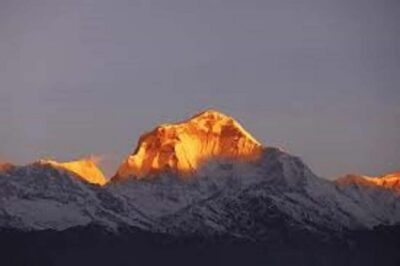
- Upper Pisang views: big, clear mountain sightlines and a village feel rather than only trekking through emptiness
- Muktinath Temple: a sacred stop for Hindus and Buddhists after a long pass day
- Manang acclimatization day: a true reset day to help your body adjust
- Kali Gandaki Gorge descent: one of the world’s deepest gorge passages on your way to the finish
Entering the Annapurna Circuit World: Why This Route Works
The Annapurna Circuit via Thorong La Pass is for people who like their trekking with variety. You’re not just hiking uphill every day until you’re done. You’re shifting elevations, shifting cultures, and shifting weather. That matters because altitude is not only a number. It’s how your appetite, sleep, and energy change from day to day.
I like that this itinerary keeps you moving through the classic corridor—Chame to Pisang, to Manang, onward to higher alpine pastures—while still giving you at least one full day to adjust in Manang. That makes a big difference for comfort. It also makes the whole trip feel more “earned” because the pass doesn’t come immediately after long travel.
You’ll also notice the route is built around teahouses and lodge life. That’s not fancy in a city way. It’s cozy, basic, and social—just enough comfort to let you focus on the trail and the views instead of finding supplies.
You can also read our reviews of more tours and experiences in Kathmandu.
Kathmandu to Trail Start: The Chame and Besisahar Travel Day
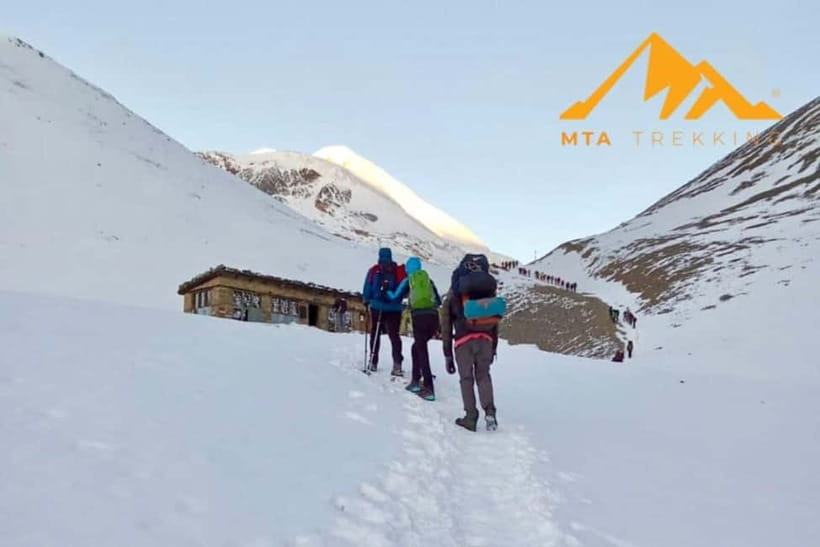
Your trekking story begins with real travel time. Day 1 is a long drive from Kathmandu to Chame, typically 9–10 hours total, passing through Besisahar and switching to a local jeep for about 3–4 hours toward Chame.
Why this is valuable: you’re arriving to the hiking region already “in rhythm.” Instead of doing a half-day trek the same day you arrive, you get the chance to sleep at elevation-side lodges. You also get time to watch the country slide by—towns, green hills, rivers, and village life—so the trek feels like a continuation, not a jump into the unknown.
Downside: it’s a long day of sitting. If you’re someone who hates being cramped for hours, stretch early. Plan a light dinner. Then sleep.
Chame to Pisang: Pine Forests, Apple Orchards, and Suspension-Bridge Moments
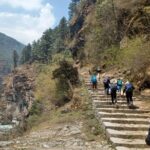
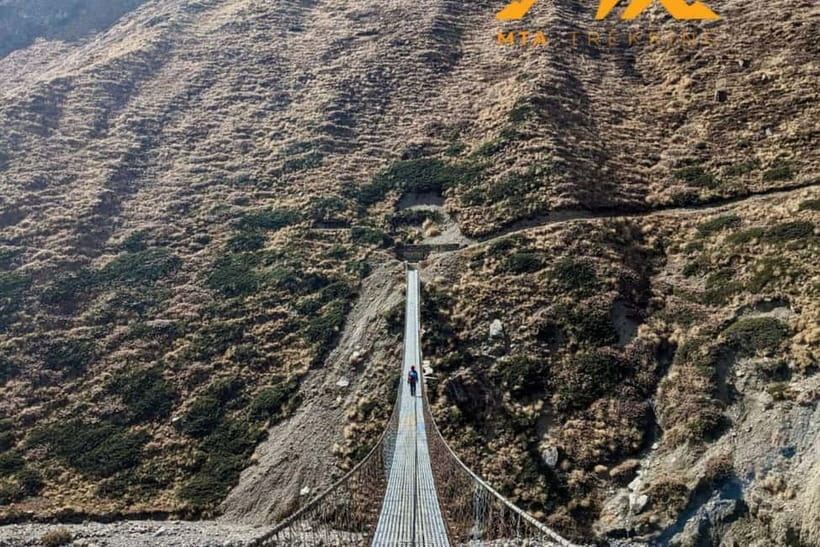
Day 2 runs from Chame to Pisang (about 4–5 hours). The hiking starts through pine forests and apple orchards. You’ll cross a suspension bridge and then climb toward Dhukur Pokhari for lunch.
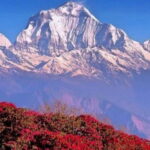
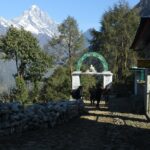
After lunch, you keep going into Pisang, where the views start showing off. The route points out sightlines toward Annapurna II, Annapurna IV, and Pisang Peak. Then you explore Upper Pisang and Lower Pisang before settling into a teahouse.
What makes this part special: Pisang is the kind of place where you get a “village trek” feeling. Upper Pisang is a big deal on this itinerary because you’re there for the mountain drama and the settlement textures. You’re not just passing through; you’re spending time there.
One possible drawback: if you’re expecting a gentle warm-up, note that suspension bridges and climbs can still feel punchy once you’re in Nepal’s mid-elevation range. Take your time. Short steps win.
Pisang to Manang: Braga, Monasteries (If Open), and Bigger Feel Views
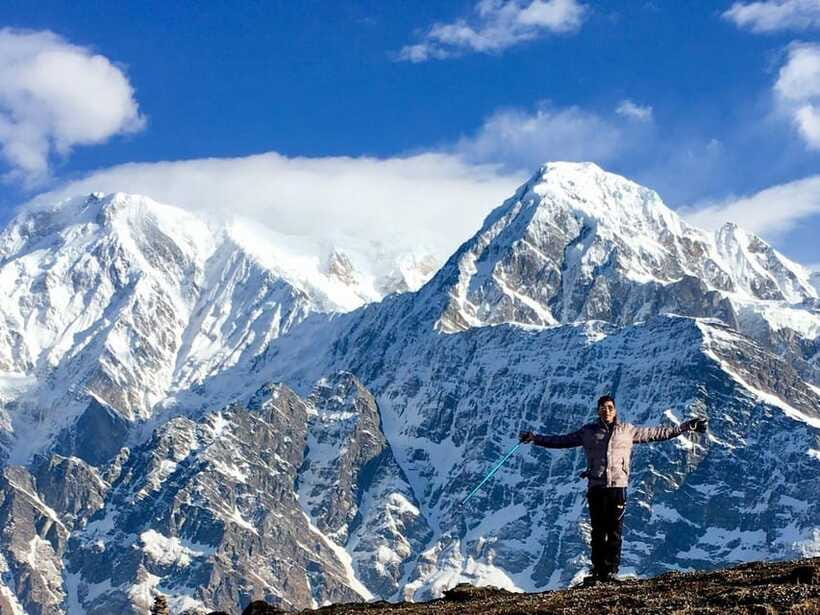
Day 3 is Pisang to Manang (about 5–6 hours). You trek through pine valleys, pass through Braga, and may visit its hillside monastery if it’s open. Then you cross suspension bridges again and continue over slopes before reaching Manang.
Manang is where the trip starts to feel more “high altitude trek” and less “hillside stroll.” You’ll settle into a teahouse, then have time to enjoy views toward Annapurna and Gangapurna.
A practical tip: monasteries and small sites depend on hours. If the Braga monastery is closed, don’t treat it like a loss. Use that time to slow down and watch the way the valley changes as you gain elevation.
Manang Acclimatization Day: A Real Breathing Space
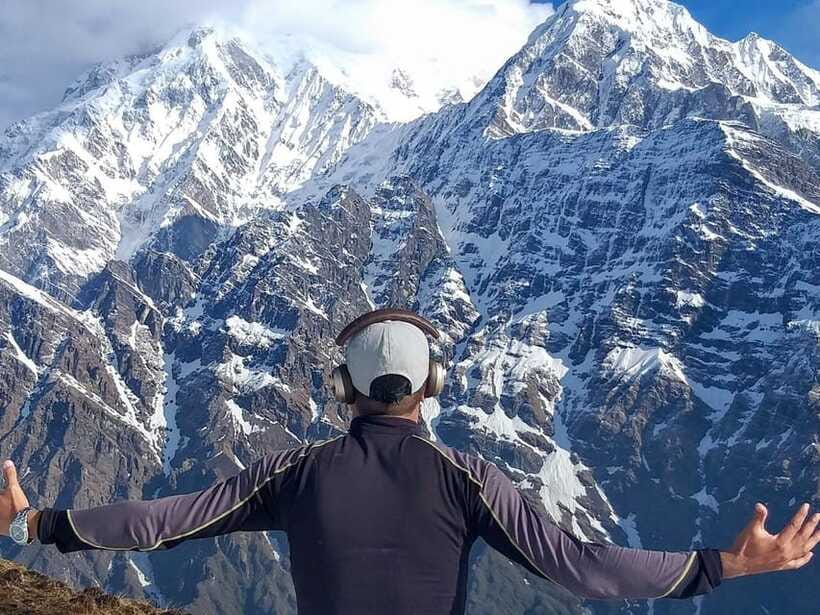
Day 4 is your acclimatization day in Manang. This is one of the most important pieces of the whole plan, because altitude sickness doesn’t care about your schedule.
The itinerary here is flexible: rest and acclimatize, explore viewpoints, monasteries, and a cultural museum at a relaxed pace. There are also optional short hikes toward glacial lakes with views of Gangapurna and Tilicho peaks.
Why this is worth it: it helps you adjust before the bigger climb sections. Also, it lets you practice the trekking habit that saves trips—slow pace, steady breathing, and watching how your body responds.
Keep your expectations realistic. This trek can still feel fast overall, and one guide-led experience note pointed out that the schedule leaves relatively little time for acclimatization if you’re not young or well trained. That’s exactly why you should treat Manang day like your main safety tool: don’t rush it.
Yak Kharka to Thorong Phedi: Alpine Pastures and Pass-Day Setup
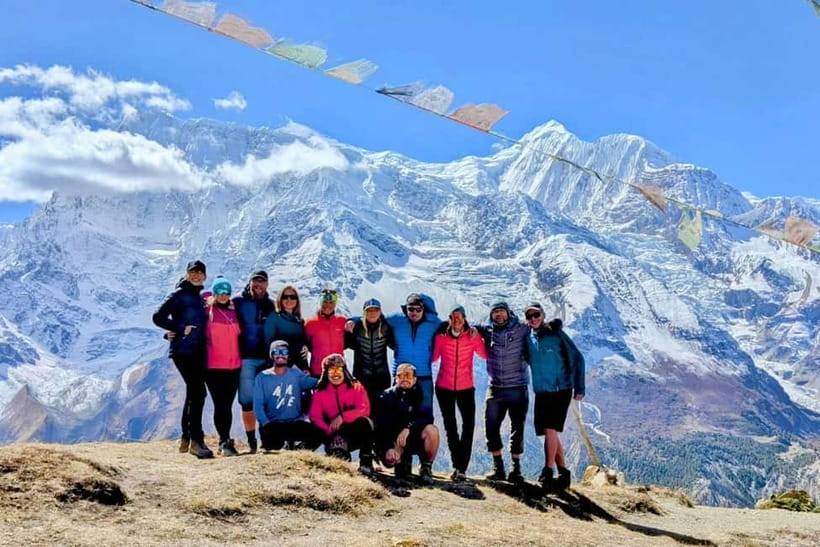
Day 5 goes from Manang to Yak Kharka (about 4 hours). You climb steadily past Tengi, meet locals with pack animals, stop for lunch in Gunsang (with views of Annapurna II and IV), and continue through juniper forests to Yak Kharka.
Day 6 is Yak Kharka to Thorong Phedi (about 4–5 hours). This is more alpine. You trek across alpine pastures where horses can roam, and you may spot Himalayan griffons. Then you arrive at Thorong Phedi, the base camp area for Thorong La Pass, after crossing a suspension bridge and tackling rocky slopes.
What to know before you read the word rocky: these stretches matter because they condition you for the next day. Thorong Phedi is your staging area. You’re building endurance and learning what your body feels like when the air is thinner.
The other big win here is mental: by the end of Day 6, you’ve had a full day of “high country” exposure. You’ll be less shocked when pass day arrives.
Thorong La Pass and Muktinath: Early Start, Deep Gorge, Sacred Arrivals
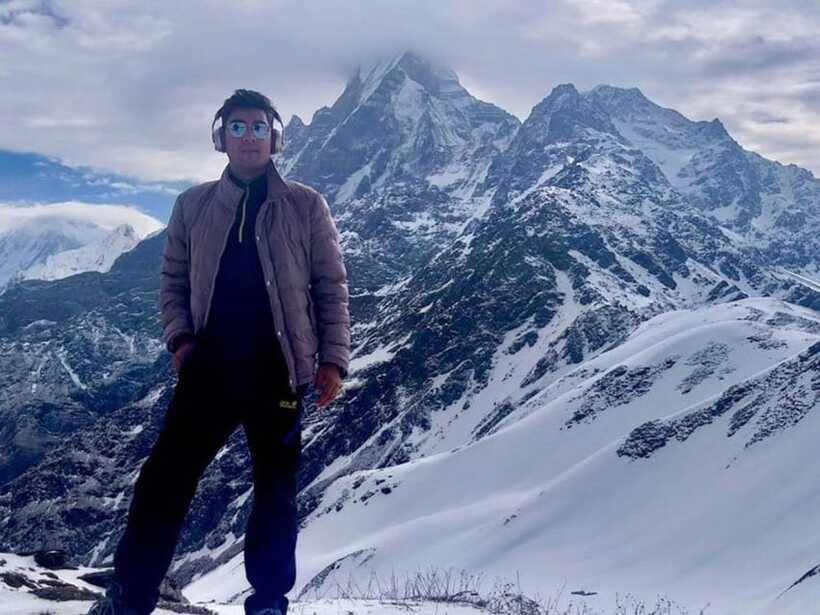
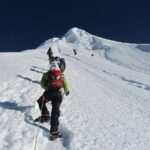
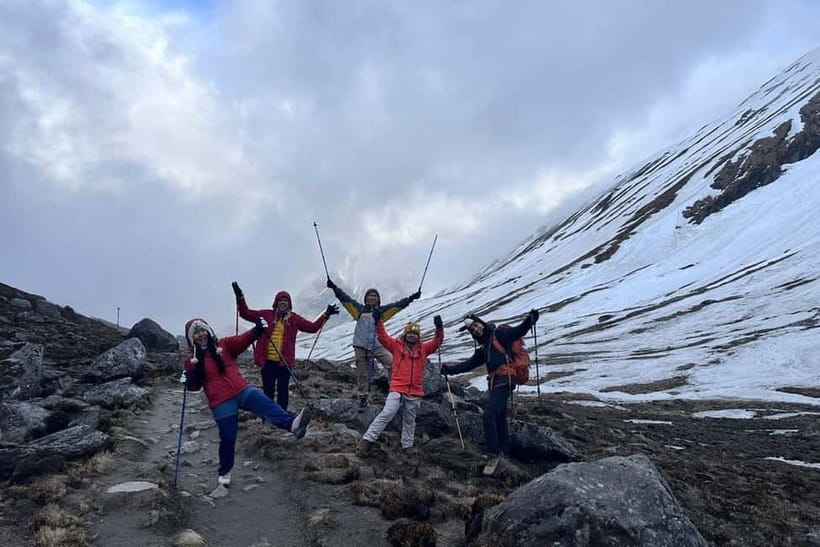
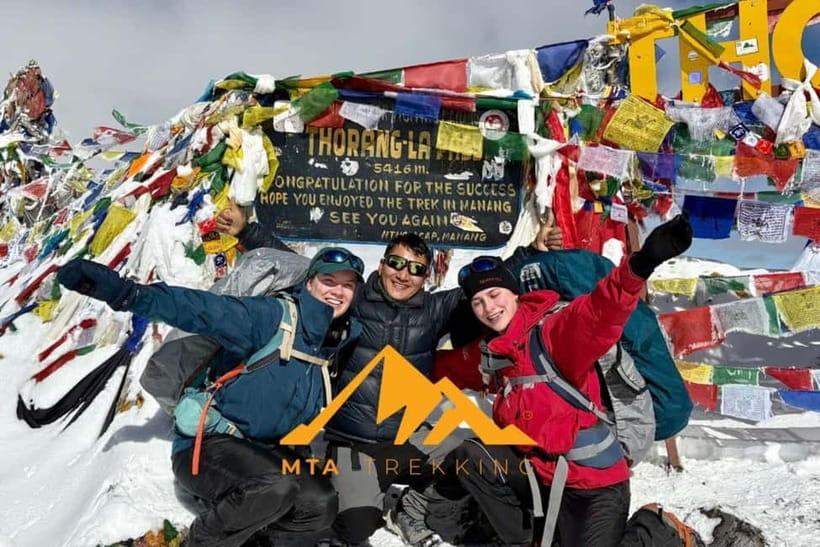
Day 7 is the showpiece: Thorong Phedi to Muktinath via Thorong La Pass (about 7–8 hours). You start very early, around 4 AM, specifically to avoid strong winds on Thorong La. The pass elevation is listed at 5,416 meters.
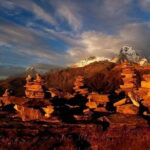
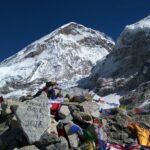
As you climb, you’ll see snow-capped peaks and prayer flags fluttering. This part is often about patience more than speed. Your guide plays a huge role here in safety and timing.
Once you cross, you descend into the Kali Gandaki Gorge. The itinerary calls it one of the world’s deepest, and you’ll feel that in the way the terrain folds away below you.
Then you reach Muktinath Temple, a pilgrimage site for both Hindus and Buddhists. You spend time exploring temples and shrines and settle into a teahouse for your night.
Why this day is so memorable: it turns the trek into a full “journey arc.” You go from a harsh-looking high point into an intensely meaningful religious space. You also go from physical exertion to a calmer kind of focus—walking slower near shrines, noticing people’s routines, and understanding why this place draws pilgrims year after year.
One consideration: start time means you need to sleep well the night before. Keep your layers ready. Don’t be the person hunting for a glove at 3:45 AM. (I say that with love.)
Muktinath to Pokhara: The Long Bus Ride and Lakeside Recovery
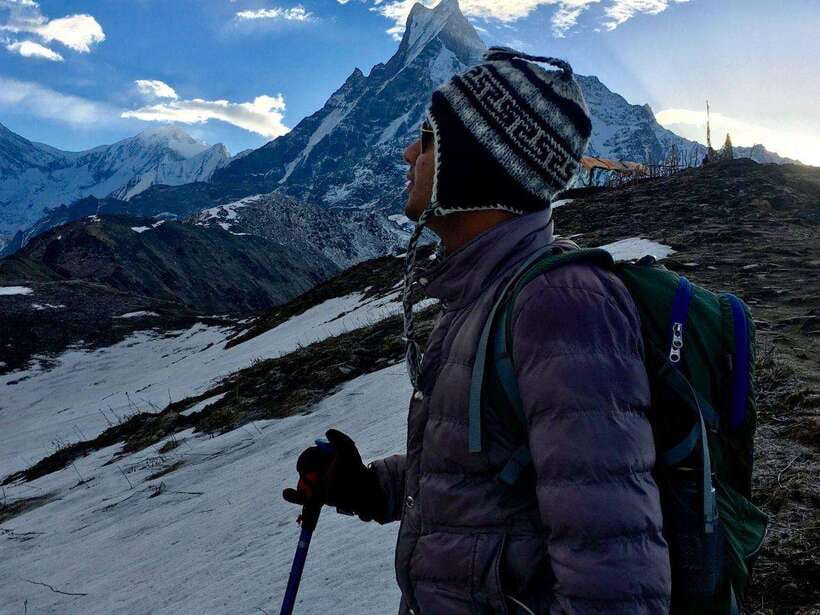
Day 8 is drive from Muktinath to Pokhara by local bus (about 9–10 hours). The route goes through the lower Mustang Valley. When you arrive, you check into a tourist-standard luxury hotel in Pokhara—Hotel Orchid—and then you can rest. After that, you can explore the lakeside streets and choose whatever food and pacing feel right.
This finish matters because it gives your body an actual recovery day structure. A trek like this can wear you out in small ways: sore knees, stiff hips, even sleep that’s not fully back to normal. Pokhara is the right kind of reset—more comfortable, easier distractions, and a chance to breathe without looking for the next altitude marker.
Price and Value: What $348 Buys (and Where You Might Add On)
The listed price is $348 per person for an 8-day trek. For Nepal treks, that can be either a bargain or a red flag depending on inclusions, and here the value is mostly in the “you don’t have to juggle details” category.
Included items that drive value:
- Permits and paperwork: trekking permits plus the TIMS fee(s) and government taxes are covered
- 7 nights of teahouse/lodge accommodation during the trek
- A hotel night in Pokhara (Hotel Orchid)
- Meals during the trek for Full Package (this is a big deal; food costs can add up on the trail)
- Transport: Kathmandu to Besisahar by bus, Besisahar to Dharapani style shared jeep travel is included per the itinerary structure, plus the bus ride back via the route to Pokhara
- A licensed English-speaking guide (porter charge extra) and guide insurance
- Farewell Nepalese dinner in Lakeside Pokhara
Where you may need to budget extra:
- Mineral water, tea/coffee outside breakfast, and hot water/hot showers are not included
- A porter is optional at $20 per day
- If you’re on the STANDARD package, not all meals may be included, since the “all meals” detail is tied to Full Package
My take: this looks like solid value if you’re the kind of traveler who wants the framework handled—permits, routing, and basic comfort—so you can focus on hiking and adjusting. If you already plan to hire a porter, or you want frequent showers and bottled drinks, your final cost will climb. That’s normal. Just plan for it.
What to Pack and How to Stay Comfortable at Altitude
This trek is won or lost in the clothing layers, not in willpower. You’ll want warm clothing, sunglasses, and sunscreen. Comfortable clothes matter more than you’d think because you’ll wear them for long days and cold nights.
A key detail: bring your own sleeping bag for winter treks in November–December, or arrange a rental through the organizer. That tells you the nights can get cold enough that a regular blanket setup might not be comfortable.
Also plan for paperwork. You’ll need your passport, and a copy accepted, plus an ID card copy. Sending a passport copy ahead of time helps prepare permits.
Water and heat are practical: hot showers and hot water aren’t included, and bottled drinks can cost more than you expect. If you rely on warm fluids, consider bringing a plan for that.
Who Should Choose This Trek (and Who Should Skip It)
This trek fits best if you:
- Want a classic Annapurna Circuit experience with the Thorong La Pass centerpiece
- Like village sections (Pisang, Manang) instead of only high-country trekking
- Appreciate cultural stops like Muktinath Temple after a major hike day
- Are comfortable with early mornings and long travel segments
It may not be a good fit if you fall into the listed “not suitable” groups: pregnant women, people with altitude sickness, and people over 70. Altitude is the main factor here, and the itinerary includes high elevations that require careful health judgment.
If you have any altitude concerns in general, treat this as a serious health decision, not just a sporty vacation.
Guides and Organization: The Calm That Makes the Big Days Work
One pattern that stands out from the guide feedback is attentiveness. Names that came up include Chakra, San Bhai, Shishir, and Ghanshyam, and their service style appears consistent: they answer questions quickly before you go, plan the route well, and keep you feeling secure while crossing the toughest sections.
That matters because the hardest day isn’t only the altitude. It’s the combination of early timing, cold air, and a long descent. When your guide keeps arrangements smooth—food timing, movement pace, and pass-day safety—that turns a scary day into a manageable one.
Also, the itinerary is built for smooth transitions: drive day to hiking start, short-to-medium hikes in the early section, then acclimatization before the big push.
If you hate surprises, this is the kind of trip that reduces them.
Should You Book This 8-Day Annapurna Circuit via Thorong La Pass?
Book it if you want a structured, well-supported Annapurna Circuit trek with the signature Thorong La Pass crossing and a meaningful finish at Muktinath. The route’s value is in the mix: village life, a real acclimatization day in Manang, and the big pass moment done with an early-start strategy.
Don’t book it if you’re looking for a slow, leisurely walking vacation. The pace can feel fast, especially for people who aren’t acclimated or who want more time in each elevation band. And if cold weather is likely for your travel month, plan for winter gear like a sleeping bag.
If you decide to go, take the Manang day seriously, start pass day rested, and pack for cold nights. Do those three things, and you give yourself the best chance of enjoying the whole experience instead of merely surviving it.
FAQ
What is the highest point on the trek?
The trek crosses Thorong La Pass at 5,416 meters.
How long is the tour?
It’s an 8-day trek.
Where do you start and end the journey?
You start in Kathmandu and end in Pokhara after a drive from Muktinath.
What kind of accommodation do you get during the trek?
During the trek, you stay in tea houses or lodges for 7 nights, plus one night in Pokhara at Hotel Orchid.
Are meals included?
Meals are included during the trek for the Full Package option. The STANDARD package does not include all meals.
Is a porter included in the price?
Porter service is not included. You can hire a porter for $20 per day.
What should I bring for colder months?
For winter treks (November–December), you should bring your own sleeping bag or arrange a rental. Also bring warm clothing, sunglasses, and sunscreen.
What languages are the guides available in?
The guide is available in English and Hindi.
Who is this trek not suitable for?
It is not suitable for pregnant women, people with altitude sickness, and people over 70.