REVIEW · ARUSHA
7 Days Kilimanjaro trek via Machame route
Book on Viator →Operated by Mountain Warriors Tours and Safaris · Bookable on Viator
Kilimanjaro at walking speed can change you. On this 7-day Machame route with Mountain Warriors, I like the straightforward start from Arusha plus the team that handles the heavy lifting like registration and camp setup. I also love the steady, human summit approach: guides keep you moving at a calm pace (pole pole), so you can conserve energy. The one drawback to plan for: summit day is still a long, cold, steep push, and you’ll be out there when most people are in bed.
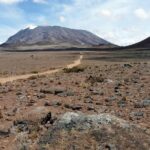
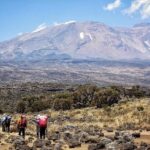
What makes Machame especially appealing is the mix of environments in just a week. You’ll go from mossy cloud forest to high-alpine plants, then into colder, drier zones with big views of Kibo and Mawenzi. Barranco Camp sits in the middle of it all, and it’s a favorite stop among the mountain staff for good reason.
One more thing you’ll feel on this trek is the energy of the guide team. Guide Gasto is known for enthusiasm and even singing during summit night, which helps when the air is thin and your legs start bargaining.
In This Review
- Key takeaways before you go
- Why Machame Works for Real Acclimatization
- Arusha to Machame Gate: Registration Meets Cloud Forest
- Shira Plateau: High-Altitude Plants and Big View Windows
- The Crucial Acclimatization Move to Barranco Camp
- Barranco Wall Scramble and Karanga River Valley
- Barafu Camp Views and Glacier Stops Before Midnight
- Stella Point to Uhuru Peak: Midnight Summit Schedule
- Mweka Forest Exit: Finish to Mweka Gate
- Guides, Camps, and What Is Actually Included
- Price and Logistics: Is $2,800 Good Value Here?
- Packing and Pace: The Non-Negotiables
- Should You Book This Machame Trek?
- FAQ
- How long is the Kilimanjaro trek on the Machame route?
- Where does the trek start?
- Is park and rescue coverage included?
- What’s included in the trek package?
- What do I need to bring?
- Can I cancel and get a full refund?
Key takeaways before you go
- Machame puts you close to the trailhead, so you lose less time to getting started.
- Day 3 is built for acclimatization, climbing high and then descending to set you up for Barranco.
- Barranco Wall is the day-four test, with an hour-and-a-half scramble where you may use your hands.
- You get glacier views without going off-route, including the Heim, Kersten, and Decken Glaciers area.
- Summit night has a clear structure, from headlamp hiking to Stella Point and then the long walk to Uhuru Peak.
- Team support is front and center, including a calm pole pole cadence and high spirits (yes, singing).
Why Machame Works for Real Acclimatization
The Machame route is one of the most popular choices for a reason. You don’t just walk uphill in a straight line; you earn altitude in phases. You start on the west side of Kilimanjaro, and you’ll see the vegetation thin out as you climb—trees get smaller, then give way to high-altitude plants like Senecio kilimanjari and Lobelia deckenii.
What I like about this route is that it gives your body jobs to do: learning how breathing changes, how fatigue builds, and how to keep going when the effort feels bigger than the distance. The plan includes a day that may sound mild on paper, but it matters for acclimatization—then it sets you up for the more dramatic sections afterward.
You can also read our reviews of more tours and experiences in Arusha.
Arusha to Machame Gate: Registration Meets Cloud Forest
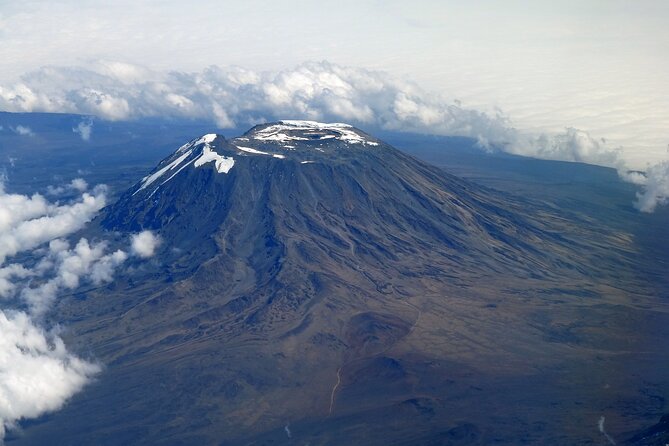
You’ll leave Arusha for Machame Gate (the drive is about 1.5 hours). At the gate, you meet your guides, cooks, and porters, then wait while your climb is registered. That registration step matters more than you’d think on Kilimanjaro: it connects you to park logistics and the rescue coverage that’s built into the trip.
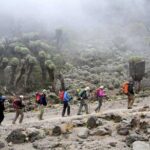
Once you’re moving, the first day feels like a warm-up with a wow factor. The hike to Machame Camp runs through Kilimanjaro’s cloud forest—moss-covered trees, cool air, and that thick, misty “mountain world” feeling. As the forest thins later, you’ll transition into heathers, tall grasses, and wildflowers. If the weather cooperates, you can catch striking views of Kibo Peak, the big target looming ahead.
Why this day is good for you: it helps you settle into the routine—walking, drinking, eating on schedule—before the altitude starts talking back.
Shira Plateau: High-Altitude Plants and Big View Windows
Day two brings several uphill sections, and the altitude starts to make every stop feel a little more intentional. Carry plenty of drinking water; on a clear day, the hike can feel hot even when you’re gaining elevation.
You’ll get viewpoint moments looking down at the plains and forests behind you, while Kibo and Mawenzi sit above. One of the cool educational bits here is the Shira Plateau itself. It was formed when Kibo’s lava flows filled the Shira crater—meaning your path is literally walking across an old volcanic story.
Then you climb toward Shira Camp and relax. This is where you start noticing how the mountain’s living things change with altitude. The trees diminish in size and you shift into those famous alpine species. It’s one of those Kilimanjaro details that turns the hike from scenery-checking into understanding what altitude does.
The Crucial Acclimatization Move to Barranco Camp
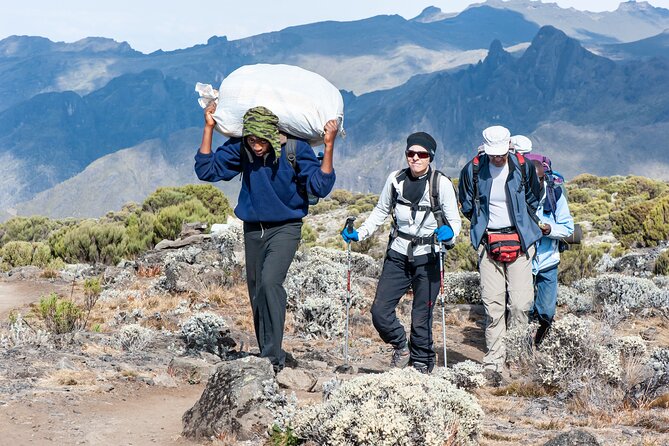
Day three is a big deal even though the elevation gain for the day is described as only about 110 meters. Here’s the key: you hike to a height around 4,530 meters before beginning the descent to Barranco Camp. That means your body gets acclimatization benefits without you stacking too much altitude stress all at once.
After breakfast, you head east on the Shira Plateau. You’ll reach the junction where the Shira and Lemosho routes meet, then continue through barren terrain. The vibe changes from lush to stark, and you’ll feel the altitude more. After lunch, you reach the highest point of the day, then descend fairly quickly to Barranco Camp.
If you’re feeling strong, there’s a detour option for faster hikers to Lava Tower, a roughly 300-foot lava formation jutting out of the mountainside. It’s not mandatory, but it’s the kind of side feature that keeps the day interesting.
Why this day matters for summit odds: acclimatization is not a slogan. It’s the plan your legs and lungs follow to make the later parts less of a shock.
Barranco Wall Scramble and Karanga River Valley
Barranco Camp is followed by a day that people tend to remember. Leaving after breakfast, you go to Karanga Valley, and the day begins with an hour-and-a-half scramble up the Barranco Wall. This is the toughest part of the day, and in some places you may need to use your hands.
That scramble changes your focus fast. Instead of thinking about distance, you think about foot placement and steady effort. The good news is once you’re over the wall, the terrain eases into fairly level walking before dropping into the green Karanga River Valley.
This is also a good time to remind yourself what a mountain guide is for. They can help you pace the scramble, choose lines, and keep you calm if your breath gets uneven. That matters because the wall is short compared with the overall trek, but it hits hard.
Barafu Camp Views and Glacier Stops Before Midnight
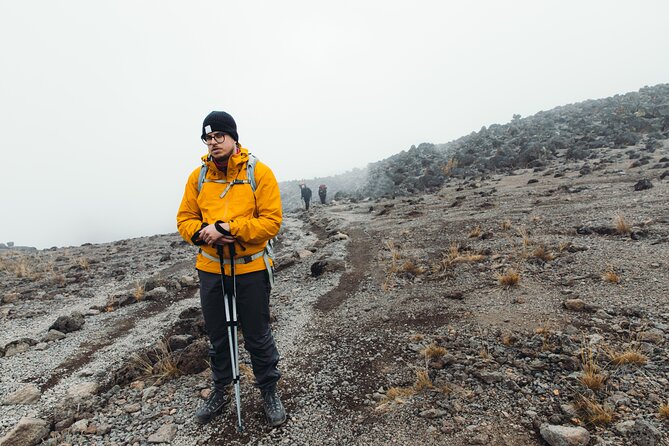
Day five is about getting to Barafu Camp with enough energy left for the summit push. After breakfast, you hike toward Barafu, and on the way you can view several of Kibo’s glaciers plus a key junction where the Mweka descent route connects with the Machame trail.
You’ll also pass near the Heim, Kersten, and Decken Glaciers. These glacier views are one of those moments that feel unreal because you’re used to thinking of glaciers as permanent background features. Here, they’re close enough to look at while you walk.
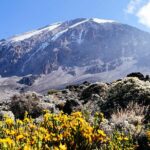
The trail passes through alpine desert with limited vegetation, so the day can feel more open and exposed. At Barafu Camp, though, the views of Kibo and Mawenzi peaks are stunning, and the camp sets the stage for what’s next.
Then comes the schedule that everyone needs to respect. You’ll try to sleep after dinner, because you’ll wake before midnight. This is where the trip’s organization becomes a safety tool, not just a convenience.
Stella Point to Uhuru Peak: Midnight Summit Schedule
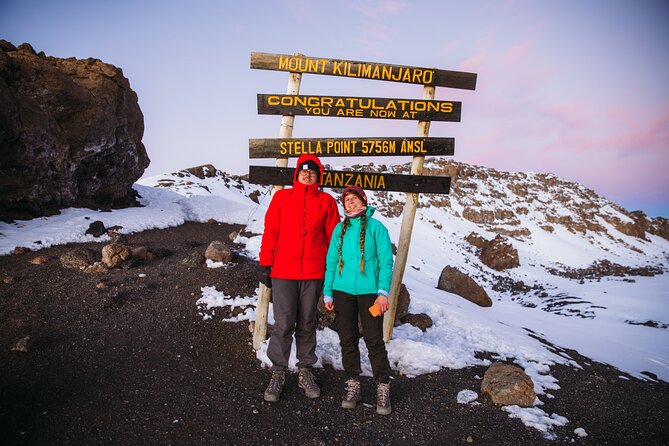
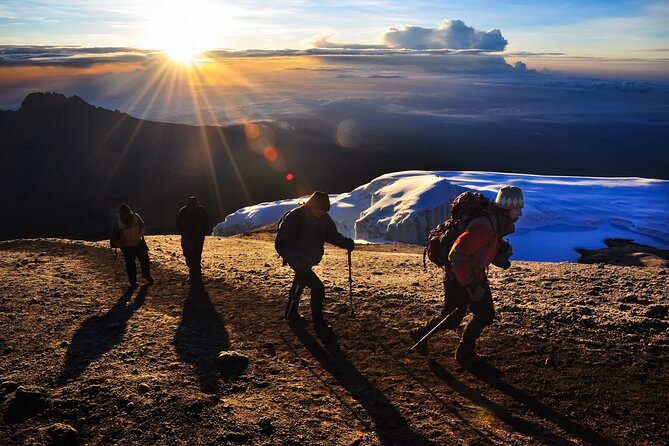
Around midnight you start the final ascent to Uhuru Peak. You’ll hike for about six hours using headlamps. The early stretch is very steep until you reach the crater rim at Stella Point.
From Stella Point, the walk to Uhuru Peak is more gradual. As far as hikes go, that section is not very difficult, but altitude makes it long and tiring. The crater-rim hike takes about one hour, so think of it as a focused push within a bigger climb.
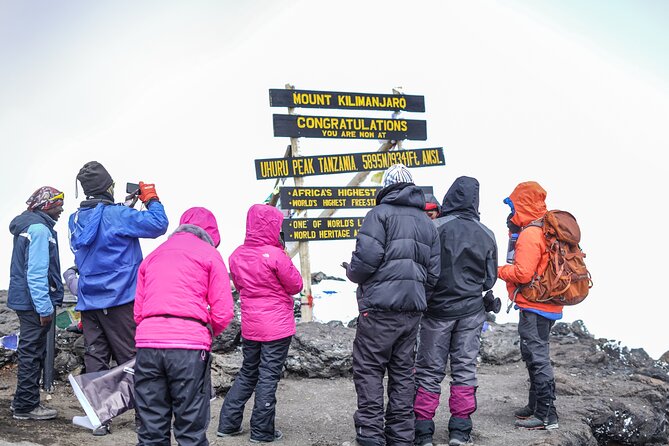
When you finally reach Uhuru, you take photos with your guide and group. Then you start descending to Mweka Camp. On the way down, you can enjoy views of the mountain, the crater, clouds, and glaciers—plus the relief that comes with moving downhill when your body has been craving it.
This is also where the guide team’s morale matters. People often remember the sound of singing in the cold dark because it keeps everyone moving together, and it turns a hard climb into a shared story. With Gasto and the team’s upbeat vibe, the summit night energy can feel like a tailwind instead of a burden.
Mweka Forest Exit: Finish to Mweka Gate
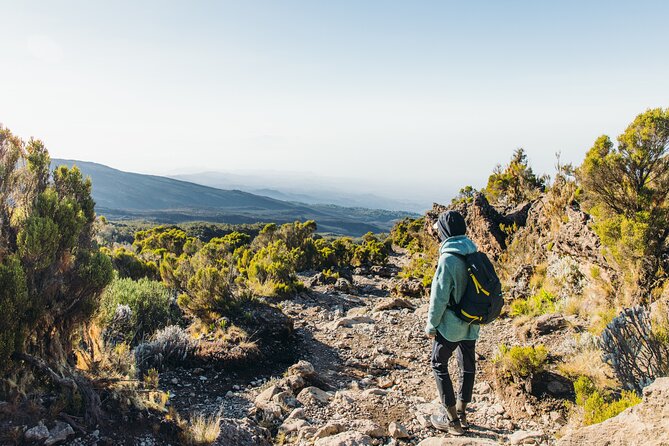
After breakfast on day seven, you hike to Mweka Gate through forest. If it’s rained, the trail can be slippery, so slow down and keep your footing. Kilimanjaro punishes careless steps, even on the final day.
Vehicles meet you at the lower station of Mweka Gate, and then you’re back to Arusha. The emotional rhythm shift is real here: you go from altitude effort to a more grounded, green walk, then you end with transport waiting for you.
Guides, Camps, and What Is Actually Included
This trip’s big value isn’t just the route. It’s the infrastructure around it.
You’ll have:
- Professional mountain guides plus porters and cooks for day-to-day camp support
- Quality waterproof sleeping tents at the camps
- Quality mess tents with table and chairs (yes, that comfort helps when you’re tired)
- All meals on the mountain (breakfasts, lunches, dinners)
- Clean, purified drinking water
- All park fees and rescue fees
- Airport transfers
- A mobile ticket
And you’re not expected to handle the mountain logistics alone. That’s the point of paying for a guided operation on Kilimanjaro.
In the camp rhythm, you’ll also notice how service reduces decision fatigue. When food shows up on schedule, water is handled, and camp setup is done, you spend more mental energy on walking well and saving your strength.
Price and Logistics: Is $2,800 Good Value Here?
$2,800 per person is a serious chunk of money, so you should ask what’s included versus what you’ll still pay.
From what’s listed, you’re getting a full guided package with:
- guides and camp staff support
- tents and mess-tent setups
- all meals while on the mountain
- purified water
- park and rescue fees
- airport transfers
- pickup offered
- admission ticket coverage handled through park fees
What’s not included is also clear: person climbing gear, tipping, and visas fees. So your true cost depends on how much you already have for gear and what tipping amount you choose.
Where the money can feel like value: you’re paying for experienced leadership and systems that reduce risk. On summit day, that matters. The team’s role isn’t just pointing at a peak; it’s helping you pace the climb, decide when to push, and keep everyone safe while making it enjoyable.
Packing and Pace: The Non-Negotiables
You don’t need to be an athlete, but you do need to be prepared. The trek is rated for moderate physical fitness, and you should expect long walking days plus a midnight ascent.
A few practical planning notes that match the trek’s reality:
- Bring plenty of water on the uphill sections, especially when it’s hot and clear.
- Accept that you’ll hike in the dark for summit day, so headlamp use is central.
- Be ready for hand-on-rock moments on Barranco Wall.
- Plan for the schedule: sleep timing on day five affects how you feel at midnight.
Since climbing gear isn’t included, you’ll want to check your personal equipment list early. Don’t wait until the last week. Also budget for tipping; it’s not included in the price.
Finally, embrace the pacing. A pole pole approach isn’t just cute language. It’s how you stay steady at altitude when rushing feels tempting and pays you back with exhaustion.
Should You Book This Machame Trek?
I’d book this if you want a Machame route that’s well-run from the first gate registration onward, with camps supported by tents, mess setups, purified water, and meals. If you’re the type who appreciates a positive group mood during hard moments, the guide team energy described by Gasto and crew is a big plus.
I’d think twice if you’re not comfortable with the physical reality of summit night. This trek includes a headlamp climb, steep sections, and real altitude fatigue. If you train, pace, and go in with the right expectations, Machame can be an incredibly satisfying route. If you’re expecting a casual walk, Kilimanjaro will correct that idea fast.
FAQ
How long is the Kilimanjaro trek on the Machame route?
It’s listed as 7 days approximately.
Where does the trek start?
You’ll depart from Arusha for Machame Gate, and you’ll register at the gate before starting the hike.
Is park and rescue coverage included?
Yes. All park fees and rescue fees are included.
What’s included in the trek package?
The package includes professional guides, quality sleeping tents, quality mess tents with table and chairs, all meals while on the mountain, clean purified drinking water, airport transfers, and pickup is offered. It also includes admission ticket coverage through the included park fees.
What do I need to bring?
Your personal climbing gear is not included, so you’ll need to bring it yourself.
Can I cancel and get a full refund?
Yes. You can cancel up to 24 hours in advance for a full refund. Within 24 hours of the experience start time, there is no refund.