REVIEW · KAMPALA
From Kampala: Gorilla Trekking in Bwindi Forest 3-Day Tour
Book on GetYourGuide →Operated by Inspire African Safaris · Bookable on GetYourGuide
Gorillas stop time in Bwindi. What makes this trip special is how gorilla tracking is built around real trail time, not just a quick stop-and-snap. I also like the 4WD Land Cruiser with a pop-up roof, which makes the long route feel less like being stuck and more like moving through the countryside.
The big thing to consider is the trade-off: you’re committing to long road days (about 9 hours each way). If you’re hoping most of the trip is spent out of the car, this plan will test your patience a bit—especially on travel days.
In This Review
- Key Points You’ll Care About
- Bwindi Impenetrable National Park: why this trek beats a checklist
- Day 1: Kampala to Bwindi (about 9 hours) with a real road-trip rhythm
- The lodge choice: Gorilla Valley Lodge vs Travellers Rest Hotel
- Day 2 Gorilla Tracking: briefing at 7:45, start at 8:30, and then you follow the forest
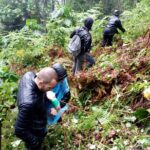
- The hike: what 3 to 9 hours really means for your body
- Up close with mountain gorillas: how to make that hour count
- Batwa evening: cultural time that’s scheduled, not random
- Day 3 back to Kampala: lunch stop, equator break, and the drive finale
- Transport comfort: pop-up roof 4WD and what it feels like in real life
- Price and value: what $2,800 really buys (and what to double-check)
- Who should book this Bwindi 3-day gorilla tour
- Should you book this tour?
- FAQ
- What’s included in the $2,800 per person price?
- Is the gorilla permit included?
- Where will I stay for the two nights in Bwindi?
- When do you start the gorilla tracking day?
- How long is the gorilla trek, and how long do you observe the gorillas?
- What time do you have to be back after gorilla tracking?
- Is the Batwa experience included?
- How is transportation handled, and how long is the drive?
- Do I have to pay immediately to reserve my spot?
- What is the cancellation window?
Key Points You’ll Care About
- Up to one hour with the gorillas after they’re found, with the rest of the day devoted to the trek and follow-the-rules guiding
- 3 to 9 hours of hiking on uneven terrain, depending on where the gorillas are
- Strict timing: you’ll return to the starting point by 7:00 PM
- Batwa cultural evening included on the tracking day’s schedule
- Igongo Cultural Centre and Uganda Equator stops break up the drive with food and a quick souvenir break
- Two strong lodge options near Bwindi: Gorilla Valley Lodge or Travellers Rest Hotel
Bwindi Impenetrable National Park: why this trek beats a checklist
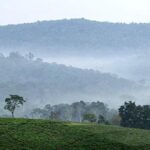
Bwindi Impenetrable National Park is the reason people keep coming back to Uganda. You’re not walking in a flat, easy park loop. You’re working your way through forest terrain where footing changes, visibility isn’t always great, and the ranger guidance really matters.
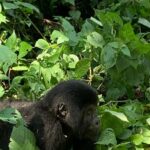
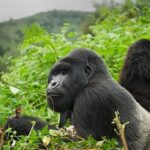
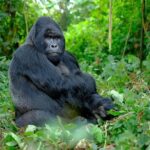
That changes the whole feel of the day. The point isn’t to “see gorillas” like they’re an attraction behind glass. The point is to reach them the way nature wants you to. Once you’re close enough, you get the payoff: an hour to watch and observe the mountain gorillas in their environment, following the rules set by the forest staff and guide team.
One more thing I like about this format: it’s time-bound and disciplined. You get a briefing before the trek, you have a clear start time, and the group comes back by an established deadline. That structure keeps the day from turning into guesswork, and it helps you plan your energy.
You can also read our reviews of more tours and experiences in Kampala.
Day 1: Kampala to Bwindi (about 9 hours) with a real road-trip rhythm
You leave Kampala early—after breakfast, pickup is at 7:00 AM—and then you’re headed southwest toward Bwindi. The ride is long, but the itinerary tries to make it feel less monotonous than a straight transfer.
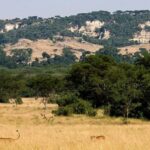
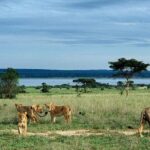
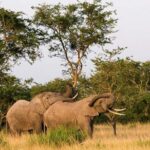
First stop: lunch in Mbarara at the Igongo Cultural Centre. It’s a built-in break that keeps you from arriving hungry, tired, and cranky. From there the route continues through Rukungiri District, where you’ll pass villages, cultivated farms, and hillsides before reaching the Buhoma sector of Bwindi Impenetrable National Park.
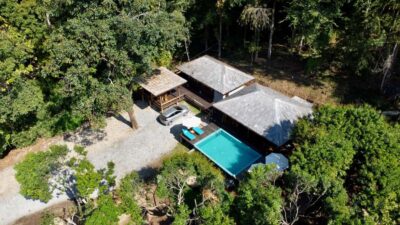
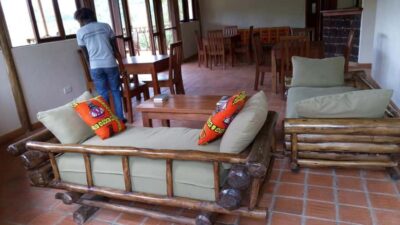
When you arrive, you check in for two nights at Gorilla Valley Lodge or Travellers Rest Hotel. The rest of Day 1 is about reset: dinner, then sleep early so you can handle the tracking day ahead.
A practical note: this is the kind of day where you’ll want to dress for layers. The climate shifts, and you’ll be spending a lot of time in the vehicle before you ever set foot in the forest.
The lodge choice: Gorilla Valley Lodge vs Travellers Rest Hotel
You don’t pick your exact lodge on your own here—the tour plan gives you a choice between Gorilla Valley Lodge or Travellers Rest Hotel for two nights. Either way, you’re staying close enough to start tracking the next day without adding extra chaos to your schedule.
What matters most for your comfort is what you do with those two nights. You want:
- a good shower before a muddy, steep day
- a decent meal so you don’t enter the forest running on empty
- early sleep so 7:45 AM briefing doesn’t feel like a prank
Both lodge options are positioned as the base for the gorilla experience. That’s a value point: your hotel isn’t a random stop. It’s part of the workflow.
And if you’re planning for the physical side of tracking, a quiet evening helps. The more rested you are, the more you’ll enjoy the forest walk instead of just surviving it.
Day 2 Gorilla Tracking: briefing at 7:45, start at 8:30, and then you follow the forest
On tracking day, you arrive at the starting point at 7:45 AM for a briefing. That briefing is more than formalities. It’s where you get the rules and the rhythm for the trek and for how to behave once you’re with the gorillas.
At 8:30 AM, the trek starts. This is where you shift from “travel mode” into “walking mode.” The trek itself can take 3 to 9 hours, depending on where the gorillas are.
Once the group finds the gorillas, you’re allowed to observe them for up to 1 hour. That hour is both the highlight and the reminder that this is wildlife. You don’t control the timing. The gorillas decide where they go, and your group follows the guidance of the rangers.
There’s also a hard boundary: you’re expected back at the starting point by 7:00 PM. That matters because you’re not dealing with a casual stroll. You’re dealing with a managed, scheduled day that includes hiking time, tracking time, and observation time.
If you’re tempted to go with a serious “I can power through anything” attitude, don’t. Instead, go with a steady pace. Uneven ground and steep bits add up fast.
The hike: what 3 to 9 hours really means for your body
“3 to 9 hours” sounds like a wide range, and it is. Here’s what that range means for you:
- If the gorillas are closer to the trailheads, you might get a shorter trek.
- If they’re farther in, you’ll spend more time walking and navigating uneven terrain.
Either way, this isn’t a smooth path. The tour data calls out real hiking and uneven terrain, so physical fitness is recommended. That doesn’t mean you need to be an athlete. It does mean you should be honest about your leg strength and stamina.
My practical advice: train for uneven ground if you can. If you can’t, wear shoes you trust and plan to slow down on the steep sections. The people who enjoy tracking the most are usually the ones who pace early, not those who sprint and then pay for it later.
And pack your mindset accordingly. There’s no use being frustrated if the day runs long. The forest doesn’t move on your schedule.
Up close with mountain gorillas: how to make that hour count
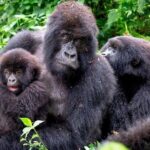
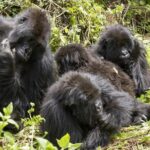
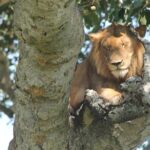
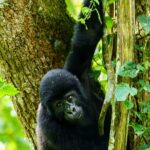
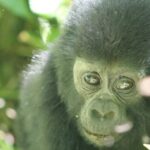
When you reach the gorillas, the experience becomes quiet in a powerful way. The hour isn’t a show. It’s observation—watching behavior, watching movement, learning how they interact with their surroundings.
Because the tour limits observation to up to 1 hour, you should treat that time like it matters:
- Stay focused on what’s happening rather than trying to rush for the perfect photo.
- Expect the group to move if the gorillas shift position.
- Listen to your guide’s instructions so you don’t disrupt the moment.
One detail I love from how this trip is organized is the emphasis on competent guiding. In particular, a guide named Mark is described as punctual, caring, and focused on safety. If you’re paired with someone like that, you’ll likely feel calmer because you’ll know what’s happening next and why.
You also get a reminder of why this is special: you’re not looking at gorillas in an abstract “natural habitat” sense. You’re near them in the actual forest, on their terms.
Batwa evening: cultural time that’s scheduled, not random
A big plus on this itinerary is that a special evening with the Batwa people is included. That’s not a generic “optional add-on” you might skip if you’re tired. It’s built into your day.
Why it matters: you’re spending days in the forest, but you’re also living in the human context of Uganda’s landscapes. The Batwa experience is a way to connect what you’re seeing—forest life, survival knowledge, and long-standing cultural ties—to people who understand this environment.
Timing can vary based on the day’s trek length, but the key point is that it’s intentionally included. It adds meaning to your trip beyond the gorillas, and it helps you understand the forest as more than scenery.
Day 3 back to Kampala: lunch stop, equator break, and the drive finale
After breakfast, you head back toward Kampala. The driving time is again about 9 hours, and the plan keeps the long day from feeling like pure monotony.
You stop for lunch in Mbarara, then continue past Masaka town. After that, you reach the Uganda Equator, where you’ll get a tea or coffee break and the chance to buy souvenirs.
That equator stop is short, but it’s a helpful morale break. By the time you’re heading back, you’ve already spent your big energy day in the forest. A pause with a warm drink helps you finish the trip in better shape.
Finally, your driver drops you at your hotel in Kampala. If you’re continuing your journey, the driver can bring you to the airport for check-in.
Transport comfort: pop-up roof 4WD and what it feels like in real life
This trip uses a 4WD Land Cruiser with a pop-up roof and comfortable window seat. That detail matters more than it sounds.
On a road trip that can be close to all-day driving, you need:
- visibility for passing scenery
- enough space to shift positions
- a ride that feels sturdy on rougher sections
The pop-up roof setup is ideal for viewing, since you’re not stuck staring through a narrow window for hours. It also makes it easier to take photos without playing the awkward “lean forward and hope” game.
Still, let’s be honest: you’re traveling in a vehicle for a long time. One review described fear and stress during a return trip that involved serious delays. You can’t control road problems, but you can control your expectations. Bring patience. Pack snacks if you’re someone who gets hungry between meals. And accept that Uganda’s roads can be unpredictable outside the main routes.
Price and value: what $2,800 really buys (and what to double-check)
The price listed is $2,800 per person, and the gorilla permit is included at $700 in the tour inclusions. That makes the pricing easier to understand, because the gorilla permit is one of the largest, non-negotiable costs in gorilla trekking.
What you should feel good about in the value picture:
- Gorilla permit included (big-ticket item)
- 2 nights accommodation at Gorilla Valley Lodge or Travellers Rest Hotel
- Food and drinks
- Hotel pickup and drop-off
- All transportation
- Guide
Where the value can feel less satisfying is the time cost. The car time is real, and the itinerary is built on that distance between Kampala and Bwindi. If you’re looking for the “maximum gorilla time per hour spent,” this is not a compact trip. You spend a meaningful portion of your schedule driving.
Also, one participant felt the overall price was high if park fees weren’t fully covered. The only safe move is this: before you pay everything, confirm exactly what fees are included versus what might be added locally on your final invoice. Since the permit is listed as included, any extra fee would be an accounting detail you’ll want cleared up early.
Who should book this Bwindi 3-day gorilla tour
I’d point you toward this tour if you want:
- a structured gorilla trekking day with a clear briefing, start time, and return deadline
- lodging near the tracking area (not a far-away hotel)
- a guide and ranger-led experience where safety and rules are emphasized
- a true forest day that includes hiking, not just a quick encounter
I’d think twice if you:
- struggle with uneven terrain or long hiking days
- hate long vehicle travel
- expect a gorilla-focused trip where nearly every hour is spent with the animals
This also isn’t positioned as suitable for people with mobility impairments, based on the tour’s stated limitations.
Should you book this tour?
If you can handle the physical side and you accept long drive days as part of the price of seeing gorillas in the wild, this is a strong, well-organized way to do Bwindi. The combination of gorilla tracking, forest hiking, and an included Batwa evening gives you more than one highlight.
But if your priority is minimizing road time, be honest with yourself. You may feel the same frustration others have described: two of your days are largely about getting in and out of the park area. For the right traveler, that’s worth it. For the impatient traveler, it can feel like a lot of travel for a single hour of viewing.
If you’re planning to book, focus on one thing: show up ready for the trek. When you do, the payoff at the gorillas is exactly the kind of memory you’ll keep for years.
FAQ
What’s included in the $2,800 per person price?
The tour includes the gorilla trekking permit ($700), two nights of accommodation, food and drinks, hotel pickup and drop-off, all transportation, and a guide.
Is the gorilla permit included?
Yes. The permit is included and listed as $700.
Where will I stay for the two nights in Bwindi?
You’ll stay for two nights at either Gorilla Valley Lodge or Travellers Rest Hotel.
When do you start the gorilla tracking day?
On Day 2, you arrive for a briefing at 7:45 AM, and the trek begins at 8:30 AM.
How long is the gorilla trek, and how long do you observe the gorillas?
The trek can take 3 to 9 hours depending on where the gorillas are found. Once you find them, you can observe the gorillas for up to 1 hour.
What time do you have to be back after gorilla tracking?
All visitors are expected back at the starting point by 7:00 PM.
Is the Batwa experience included?
Yes. A special evening with the Batwa people is included.
How is transportation handled, and how long is the drive?
Transportation is by 4WD Land Cruiser with a pop-up roof and comfortable window seat. Driving time is approximately 9 hours each way (Kampala to Bwindi and back).
Do I have to pay immediately to reserve my spot?
No. The tour offers Reserve & Pay Later, so you can book and pay nothing today.
What is the cancellation window?
You can cancel up to 24 hours in advance for a full refund.