REVIEW · KAMPALA
1 Day chimpanzee trekking at Ngamba Island
Book on Viator →Operated by Airpals Safaris Tour · Bookable on Viator
Chimp time on Lake Victoria beats any zoo visit. This 1-day outing pairs an early Kampala start with a boat crossing to Ngamba Island and time with rescued chimpanzees in a sanctuary made for orphaned animals.
I especially like the small group feel and the guide-led rhythm on the island. In one highlighted experience, guide Steve handled timing like a pro, even arranging a private feeding bucket when the group missed the usual 11:00 feeding slot.
The main downside is simple: it’s a long day at about 12 hours, and lunch isn’t included, so you’ll want to be mentally ready for a full, food-on-your-own kind of schedule.
In This Review
- Key points before you go
- From Kampala at 7:30am: how the day actually flows
- The Lake Victoria boat cruise: scenery and time to reset
- En route stop and the waterfront feel before the island
- On Ngamba Island: nature walk first, then chimp trekking
- What you should expect during trekking time
- The chimp feeding moment: a highlight that depends on timing
- Boat ride back and the last stretch to Kampala
- Price and value: is $300 per person worth it?
- Group size and guide quality: why max 10 changes the experience
- Practical planning tips that make the day smoother
- Who should book Ngamba Island chimp trekking
- Should you book this 1 Day Chimpanzee Trekking at Ngamba Island?
- FAQ
- What time does the tour start in Kampala?
- How long is the 1 Day Chimpanzee Trekking at Ngamba Island?
- How do you get from Kampala to Ngamba Island?
- What is the price per person?
- How many people are in the group?
- What’s included in the tour price?
- Is lunch included?
- How many chimpanzees are at Ngamba Island?
- What happens if weather is poor?
Key points before you go
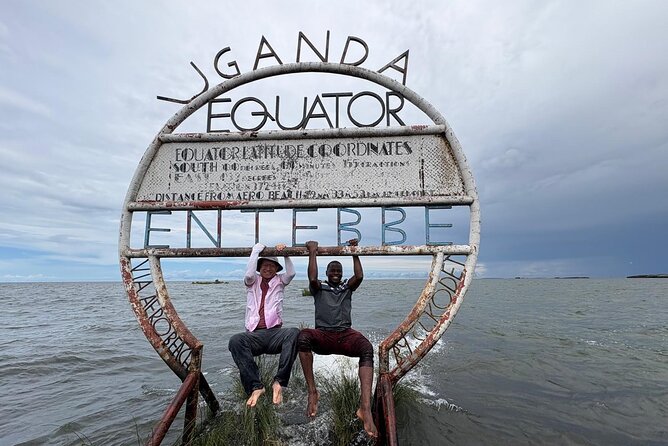
- Ngamba is a real sanctuary on Lake Victoria with 49 chimps living there, including 46 orphaned and 3 born on the island
- About 50 minutes by boat from the waterfront stop before you reach the island
- You do a nature walk and then chimp trekking, followed by chimp feeding time with guides
- Small group size (up to 10) helps keep the experience focused and manageable
- Guide flexibility can matter, like when feeding timing shifts and you still get a meaningful moment up close
- Entrance fees are included, so you’re not juggling extra tickets once you arrive
From Kampala at 7:30am: how the day actually flows
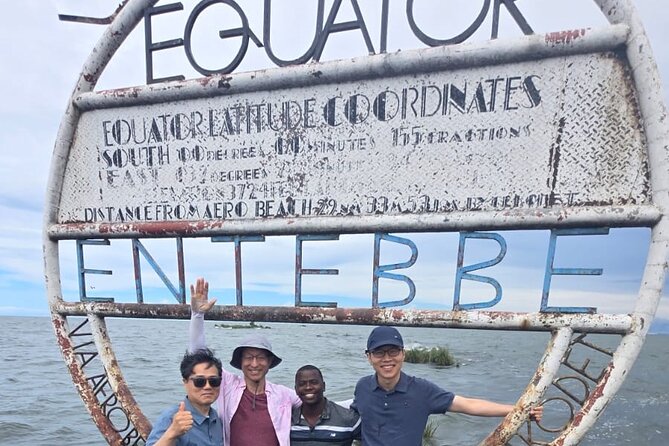
Your day starts early, with pickup and departure from Kampala at 7:30am. You’ll travel by private transport to the Entebbe road area, then make a stop at the Waterfront Beach before the boat leaves for Ngamba Island.
I like this pacing because it gets you away from Kampala traffic and into a more natural, island-based rhythm before the day gets hot and loud. Also, the tour is designed as a one-day circuit: you’re not spending your trip transferring between half a dozen places. You start in Kampala, reach the island, do the key chimp moments, then return to Kampala the same day.
One practical consideration: the schedule is weather-dependent. Since the experience requires good weather, you’re betting on skies that cooperate enough for the boat and the island time to work.
You can also read our reviews of more tours and experiences in Kampala.
The Lake Victoria boat cruise: scenery and time to reset
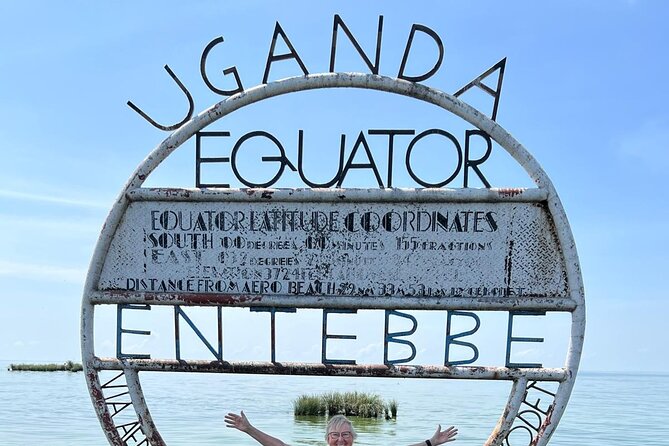
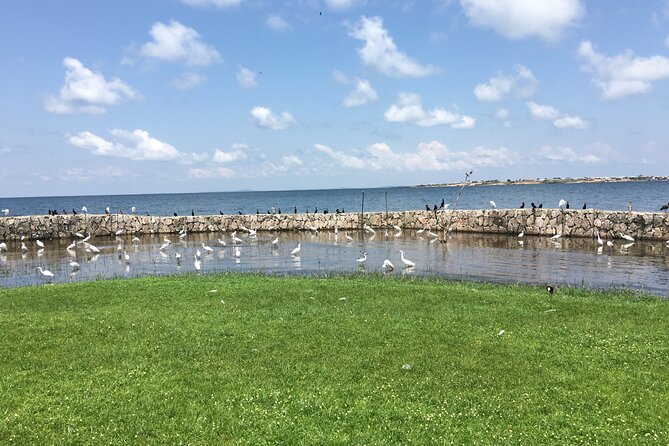
The transfer to Ngamba Island is a boat cruise of about 50 minutes, after you’ve arrived at the waterfront. Lake Victoria is big, and that’s part of the appeal. Even if you’re mainly there for chimps, this part of the day helps you switch gears from city travel mode to wildlife mode.
A long boat ride can sound like filler, but in practice it’s useful time. It gives you a calm buffer before the island activities start, and it’s also when you can settle in, listen, and get briefed by your guide. One of the best pieces of feedback I saw was that the boat ride was enjoyable, especially when the guide kept things clear and comfortable.
Since you’re crossing water to reach a sanctuary island, plan for the fact that everything is tied to that boat window. If you’re the type who hates timing uncertainty, just keep expectations flexible for the day-of schedule.
En route stop and the waterfront feel before the island
The route includes a stop at Waterfront Beach on the way to the island. This is where your day transitions from land logistics to boat-and-water logistics. You’ll see the general flow of people heading out, and you’ll get organized before boarding and heading out to the sanctuary.
This also matters for your peace of mind. When everything moves in one smooth arc—Kampala to waterfront, waterfront to island—you’re less likely to feel lost. The tour is described as near public transportation, too, which can be reassuring if you want to independently connect to the start point later.
On Ngamba Island: nature walk first, then chimp trekking
Once you arrive, the day isn’t “chimps immediately, no context.” You do a nature walk and trekking on the island, and that sequence is smart. It helps you notice the environment the chimps live in, rather than treating the day like a checklist.
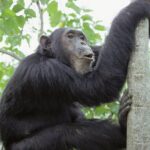
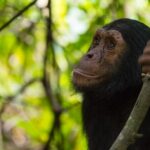
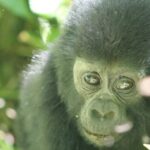
Ngamba is home to 49 chimpanzees—20 male and 29 female—and the sanctuary focus is clear: 46 are orphaned, and 3 were born on the island. That detail matters because it changes how you interpret what you’re seeing. You’re not visiting a theme-park version of primates. You’re visiting a rescue and care setting where the animals’ backgrounds are part of the story.
In real terms, the walk-and-trek format also helps manage attention. You’re not trying to follow everything at once. You get time to orient, then shift into chimp tracking as your guide helps you locate the animals.
What you should expect during trekking time
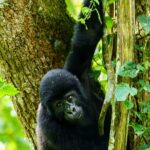
Your guide leads the search and movement. You’ll be in the forested and island environment long enough to see multiple chimps, not just a quick glimpse. The goal is to help you observe behavior and get a real sense of how the sanctuary group functions.
The key tip here is mental, not physical: keep your eyes open and be ready to pause when your guide calls it. Primate sightings aren’t a straight line. Your guide’s skill is part of what makes the day feel worthwhile rather than rushed.
The chimp feeding moment: a highlight that depends on timing
After the trekking portion, you’ll reach chimp feeding time, where you can see how guides feed the chimps. This is one of the core reasons people love Ngamba. It turns the day from observation into understanding: you see the sanctuary routine and learn how caretakers support the animals.
Here’s the important part: feeding seems to follow a timing window. In one praised experience, the group missed the typical 11:00 feeding, and guide Steve made it work anyway by arranging a private feeding bucket so the group still got a meaningful feeding moment. That’s a great example of why you should trust the guide during the day.
Also, feeding time is an emotional moment for many people. The chimps are rescued, and you’re seeing caretaking in action. It can feel personal without crossing the line into something staged. It’s more like witnessing a daily care routine in a conservation setting.
Boat ride back and the last stretch to Kampala
Once feeding is done, you return by boat to the waterfront and then head back to Kampala. The itinerary includes a brief moment to relax on the waterfront side before you continue the drive back.
This matters because by the time you’re leaving the island, you’ve had an active morning: early start, a boat trip out, walking and trekking, then feeding. The return break helps you avoid that end-of-day fatigue crash.
Price and value: is $300 per person worth it?
The price is $300 per person for a day that runs about 12 hours. At first glance, that’s not cheap. But in this case, the day includes the big costs most people don’t think about until they’re actually in Uganda: private transportation, a boat cruise, guiding, and entrance fees.
Lunch is not included, which is the main “extra cost” you’ll likely face. Still, the structure means you’re paying for a whole circuit rather than just getting handed a ticket and hoping you figure out the rest.
To judge the value fairly, think about what you’re really buying:
- You’re paying for access to a sanctuary setting on an island
- You’re paying for guided tracking and chimp-feeding time
- You’re paying for the boat transport that makes Ngamba possible in the first place
That’s why this works for people who want a high-impact day without stitching together multiple vendors.
Group size and guide quality: why max 10 changes the experience
This tour caps at 10 travelers. That smaller group size makes a real difference when you’re walking and tracking chimps. It’s easier to keep together, easier for your guide to manage the movement, and easier to have a calmer experience when sightings happen.
The guide is also a major value driver. One of the strongest bits of feedback was that the guide, Steve, improved the experience by making the pacing easy and by keeping the day on track even when feeding timing didn’t line up perfectly. When you’re on a chimp itinerary, that kind of competence matters. Animals don’t wait on schedules. Guides do.
Practical planning tips that make the day smoother
Here’s what I think you should plan for based on how this day is built:
- Time commitment: It’s about 12 hours, so don’t schedule a late night plan afterward.
- Food: Lunch isn’t included, so you should decide in advance how you’ll handle meals.
- Weather: The experience requires good weather. If conditions are poor, your tour may be swapped to another date or refunded.
- Mobile ticket: You’ll use a mobile ticket, so keep your phone charged and accessible.
If you’re the type who likes wildlife days but hates “chaos logistics,” this itinerary is designed to reduce that stress. You’re not coordinating multiple transfers yourself. The day is guided end to end.
Who should book Ngamba Island chimp trekking
This is a great fit if you want:
- An ethical sanctuary experience focused on rescued and orphaned chimpanzees
- A day with both wildlife time and explanation through guidance
- A smaller-group feel rather than a big crowd
It’s also a good choice if you’re visiting Kampala/Entebbe and want an action-packed day without losing your whole trip to long travel days. The tour is listed as something most travelers can participate in, which suggests the format is broadly approachable.
You might want to think twice if you dislike long boat days, hate missing feeding timing windows, or have very strict timing constraints for the rest of your trip. The experience is designed around nature and sanctuary rhythms, not a clockwork timeline.
Should you book this 1 Day Chimpanzee Trekking at Ngamba Island?
If you care about seeing chimpanzees in a sanctuary setting and you want a day that feels guided, not improvised, I’d book it. The combination of Lake Victoria boat transfer, nature walk plus trekking, and chimp feeding moments gives you multiple ways to connect with the animals and the work behind them.
The strongest reasons to choose this over a generic wildlife plan are the sanctuary focus (49 chimps, including many orphaned) and the small-group setup (max 10). Add in the standout guide example—like how Steve handled feeding timing with a private bucket—and you get the sense that this is run by people who understand how to make a chimp day land well, even when nature has its own schedule.
If your travel dates depend on precise timing, keep weather in mind and plan for a full day. Bring flexibility, and you’ll get one of Uganda’s most distinctive primate experiences.
FAQ
What time does the tour start in Kampala?
The tour starts at 7:30am.
How long is the 1 Day Chimpanzee Trekking at Ngamba Island?
The duration is listed as 12 hours (approx.).
How do you get from Kampala to Ngamba Island?
You travel by private transportation from Kampala to Waterfront Beach, then take a boat cruise to Ngamba Island (around 50 minutes).
What is the price per person?
The price is $300.00 per person.
How many people are in the group?
This activity has a maximum of 10 travelers.
What’s included in the tour price?
Included items are private transportation, boat cruise, guiding, and entrance fees.
Is lunch included?
No, lunch is not included.
How many chimpanzees are at Ngamba Island?
Ngamba Island is home to 49 chimpanzees.
What happens if weather is poor?
The experience requires good weather. If it’s canceled due to poor weather, you’ll be offered a different date or a full refund.