REVIEW · KATHMANDU
Everest Base Camp trek – 16 days
Book on Viator →Operated by Kailash Himalaya Trek - Your friend in the Himalaya · Bookable on Viator
Everest Base Camp feels real fast. This 16-day trek mixes Sherpa country classics with a big-altitude finale at Kala Pattar (5,545m), plus the comfort of well-run logistics, including a guide, porters, and full porterage. I like that you get 3 nights in central Kathmandu hotels with breakfast, then switch to guesthouse stays on the trail with your meals handled during the trek. The main drawback to weigh is altitude and health: you should be in strong shape, and this is not a great match if you have lung problems.
What makes this itinerary especially workable is the rhythm: arrive, reset, then do 13 days point to point walking without you hauling everything. And you still get the memorable checkpoints people dream about, like Tengboche’s monastery and the Sherpa hubs around Namche Bazaar. On the flip side, you’ll want to be flexible about mountain weather, since the experience requires good conditions to run.
If you want an organized Everest trek with less stress on your back and fewer unknowns on the ground, this setup is built for you. Just go in knowing you’ll be climbing at altitude and you’ll need to move smart, not fast.
In This Review
- Key Things To Know Before You Go
- From Thamel to the Mountain: How This Trip Gets You Moving
- 3 Nights in Kathmandu Hotels: More Than a Place to Sleep
- The Trek Itself: Point-to-Point Walking With Full Porterage
- How the route feels, in plain language
- Tengboche and Namche Bazaar: Culture Stops You Can Actually Feel
- Kala Pattar at 5,545m: The High Point Payoff
- Flights and Transfers: Why the Logistics Matter on Everest
- Food, Lodges, and Staying Comfortable in Guesthouses
- Guides and Porters: The Human Part That Keeps the Trek Sane
- Price and Value: What $1,794.88 Really Buys You
- Weather, Altitude, and the One Big Reality Check
- Should You Book This Everest Base Camp Trek?
- FAQ
- How long is the Everest Base Camp trek?
- What is the highest altitude reached?
- What is included in the price?
- What is not included?
- Where does the tour start and end?
- Is pickup included?
- Is this tour private?
- What level of fitness do I need?
- What happens if weather cancels the trek?
Key Things To Know Before You Go
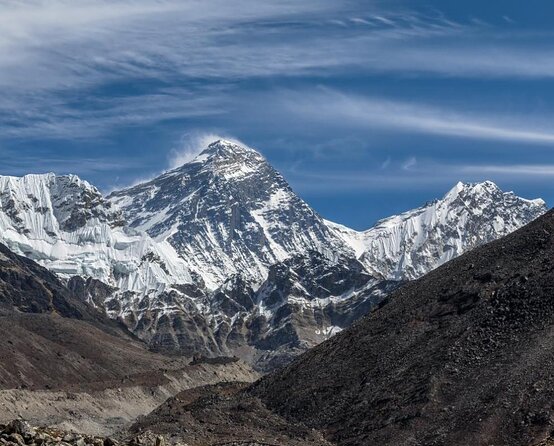
- Max altitude is 5,545m at Kala Pattar, so pacing and acclimatization habits matter.
- Full porterage means you carry less, which can make a huge difference over 13 trekking days.
- 3 meals during the trek are included, so you’re not constantly shopping for food on the go.
- You spend 12 nights in guesthouses and 3 nights in Kathmandu hotels with breakfast.
- You’ll pass through famous Sherpa areas like Namche Bazaar and Tengboche.
- The trip is private, with your group only, plus a dedicated guide and porters.
From Thamel to the Mountain: How This Trip Gets You Moving
Most Everest trips are either super hands-off (you figure it out) or super intense (you manage every detail). This one aims for the middle: it sets you up in Kathmandu, then takes over the hard parts of getting you onto the route and keeping you fed and moving.
You meet in Thamel (Kathmandu), a convenient place to base yourself before a trek like this. The tour also includes pickup offered and airport pickup and drop transfers, which helps on arrival day when jet lag and paperwork can slow you down.
One smart touch here is that the trip calls out that you’re not doing this alone. It’s private, so it’s only your group participating. That tends to make the pace and guidance more consistent, especially when weather or your body’s response to altitude changes what you need day to day.
Then there’s the “mountain reality check.” You’re not just walking for a few days at elevation. This trek runs about 16 days total, with 13 days of point to point walking. That’s enough time to feel the rhythm of the route, but it also means you’ll want to treat it like a serious physical project, not a stroll.
You can also read our reviews of more tours and experiences in Kathmandu.
3 Nights in Kathmandu Hotels: More Than a Place to Sleep
A lot of Everest travelers show up to Kathmandu, spend one night, and then race toward the trail. Here, you get 3 nights in centrally located Kathmandu hotels with breakfast. For me, that’s a practical advantage: you get time to get your logistics in order, adjust to altitude in Kathmandu (not extreme, but still noticeable to some people), and prep your gear.
Also, Kathmandu meals are not included, so you’ll be buying food during those hotel days. That’s not a deal-breaker, but it does mean you’ll want a plan for where you’ll eat. Since the meeting point is Thamel, you’ll likely have plenty of choices nearby, but the key is to keep meals simple and avoid anything that upset your stomach before your trek starts.
What I like about including a hotel block is that it reduces stress before you’re dealing with stairs, cold mornings, and the “why does everything feel harder at altitude” feeling. It gives you a buffer. And with a trip that heads up to 5,545m, buffers are worth real money.
The Trek Itself: Point-to-Point Walking With Full Porterage
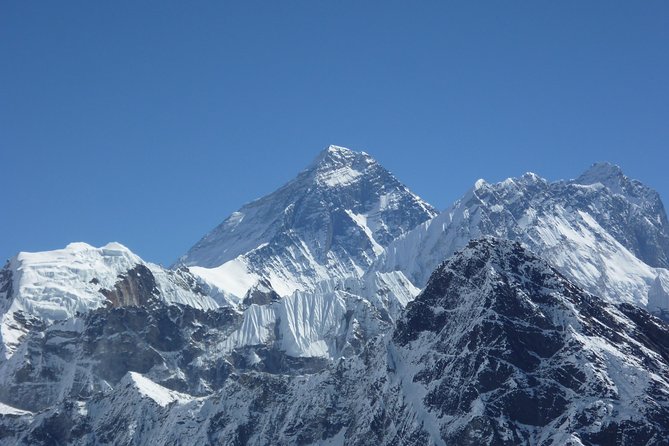
The walking portion is described as 13 days point to point with full porterage. Translation: you’re responsible for yourself, not for hauling a load that turns everyday steps into an endurance test.
That matters because the Everest area is not just high. It’s also cold, dusty, and often uneven. When your energy goes into walking, you want your legs to do the work, not your shoulders. Full porterage can help you keep your breathing steady and your focus on the trail instead of the weight on your back.
Accommodation during the trek is 12 nights in guesthouses, and the trek meals include breakfast, lunch, and dinner. I think this is one of the most valuable parts of a packaged Everest trek. On the trail, you’re already spending mental energy on altitude and effort. Having meals handled reduces decision fatigue.
It’s also easier for timing. When the plan says lunch will be at the next stop (instead of you trying to find a place that’s open and fits your budget), you’re less likely to fall behind or get stuck waiting.
How the route feels, in plain language
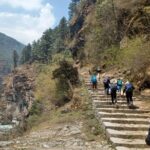
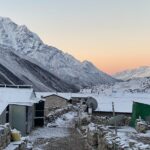
Even without a day-by-day list spelled out here, the highlights are clear: you’ll move through stone-walled fields and old village houses, see golden-roofed monasteries, and get plenty of mountain wildlife sightings like yak and other animals when conditions allow.
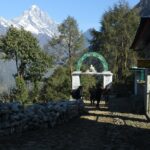
You’ll also pass through Sherpa heartland areas, including Namche Bazaar and the Tengboche monastery zone. These are not random scenic stops. They’re places where the culture, the trails, and the mountain life overlap, so you’re not just walking through altitude. You’re walking through a living community.
Tengboche and Namche Bazaar: Culture Stops You Can Actually Feel
Some trek itineraries list villages like checkboxes. This one points to specific Sherpa anchors: Namche Bazaar and the Tengboche monastery.
Namche Bazaar is a major hub in Sherpa life, and that hub feeling matters on a trek. It’s where your day’s effort meets a place with energy: trade, tea houses, and daily routines shaped by the mountains. If you’ve ever wondered what makes Sherpa country feel different from typical trekking routes, you’ll get your answer here.
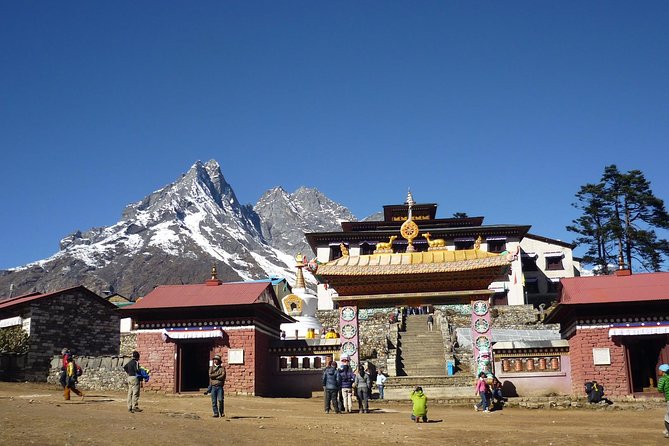
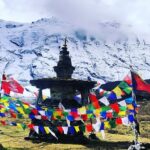
Then there’s Tengboche. The tour summary calls out the hill top monastery and the golden-roofed look that people associate with the region. Even if you don’t plan to attend any specific religious event, the setting gives you a pause point. You sit with views, you watch the rhythm of trekkers and locals, and you see how spiritual sites stay part of daily life in the Himalaya.
The practical side: these are good places for rest breaks, short walks for photos, and recalibrating your pacing. The mental side: they remind you you’re trekking through a culture, not just chasing altitude numbers.
Kala Pattar at 5,545m: The High Point Payoff
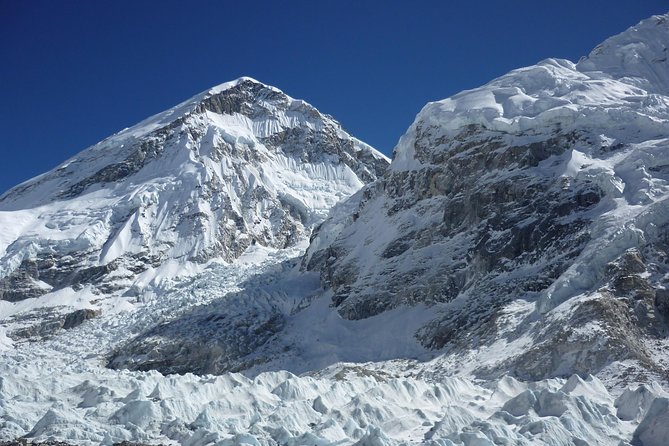
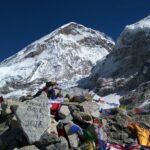
The itinerary highlights Everest View from Kala Pattar (5,545m), which also sets the trek’s maximum altitude. That’s the big one in this plan, and it deserves your respect.
A viewpoint at 5,545m is not just “nice views.” It’s cold, thin air territory. You’ll likely spend long minutes feeling the effort more than seeing it. That’s normal. The air is the story here, so your best strategy is calm breathing and steady steps, not hero mode.
What makes Kala Pattar a highlight is that it’s the kind of moment that gives your trek context. You stop thinking only about today’s discomfort and start connecting it to the entire journey: the villages below, the ridgelines, and the scale of Everest country.
If you’re susceptible to headaches, shortness of breath, or anxiety when altitude spikes, this is where you should be extra cautious. The tour doesn’t mention oxygen support or medical services in the details provided, so your safety mainly comes down to how well you prepare and how you listen to your guide.
Flights and Transfers: Why the Logistics Matter on Everest
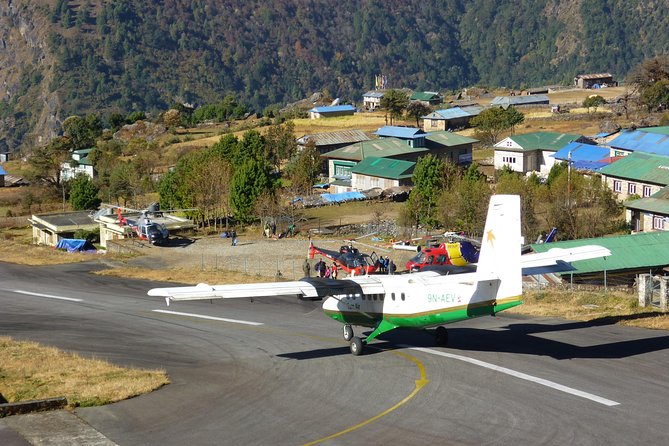
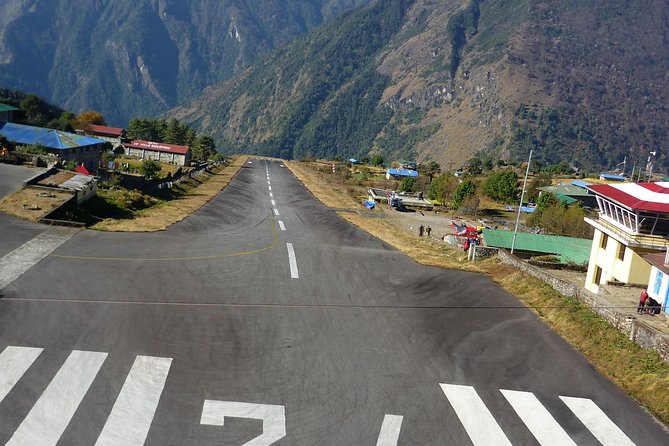
This trek includes an internal flight, plus airport transfers and pickup/drop-off. On paper that sounds like standard package stuff. On the ground, it’s huge.
Everest routes are long and time-sensitive. When transfers are included, you reduce the risk of losing half a day to transport delays or trying to figure out how to move with limited cash and limited time. And because you’re trekking for nearly two weeks, saving one day at the start is not a small win.
Also, the tour uses a mobile ticket, which is helpful because it reduces the chance you show up with the wrong document or can’t access confirmation details in time. Not glamorous, but it lowers stress.
One more thing: the operator lists staff insurance as included. That doesn’t mean you personally don’t need travel health insurance, but it does tell you there is some insurance coverage for the people running the experience.
Food, Lodges, and Staying Comfortable in Guesthouses
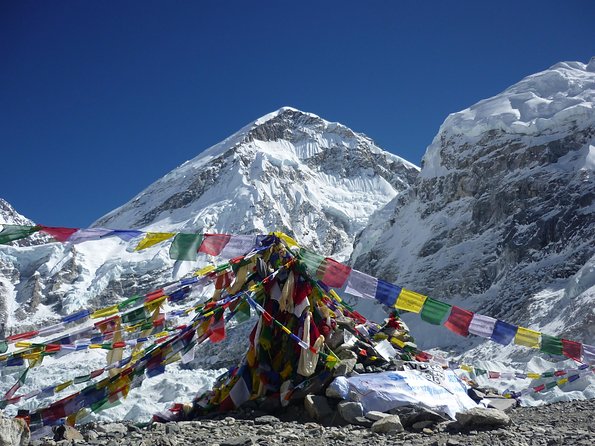
During the trek, you get 3 meals a day included. That means you can focus on eating enough calories and keeping your energy steady without constantly hunting for options.
Guesthouses are included for 12 nights, so you’re not sleeping outdoors or carrying a full tent setup. Still, guesthouses at altitude can mean simple rooms and basic heating. The tour also lists sleeping bag not included, along with clothing not included, which is your hint that you should come prepared for cold nights.
I’d treat gear planning like part of the trip, not a chore. If you run cold at night, you’ll feel it in the morning. If you’re underprepared, you won’t just be uncomfortable; you’ll also lose energy you need for the next day’s walking.
Also, mineral water is not included. That’s common on treks, but you should plan your approach to hydration so you don’t run low or compromise on safety.
Guides and Porters: The Human Part That Keeps the Trek Sane
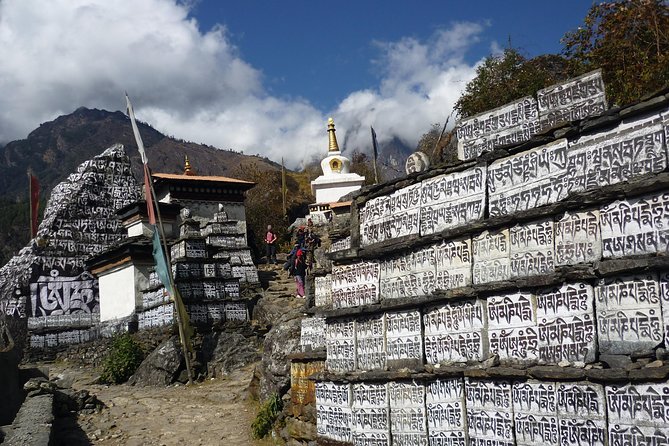
The reviews you provided put real emphasis on the people. Names show up again and again: Dawa and Chiring are highlighted as standouts, while Raju, Tej, and Budhi are mentioned for ground support and care. Another person named Ardash leads a team that made arrivals feel covered and safe.
I love that this trek leans on a dedicated guide and porters rather than just assigning people at random. On Everest routes, small choices matter: the pace you keep, when you stop, how you handle discomfort, and how you interpret weather changes.
Porters also aren’t just about carrying weight. They help the whole machine work: moving your trekking day forward and keeping you supplied where it counts. With full porterage, their role becomes even more important, because that’s where your comfort savings come from.
If you want good rapport, this kind of team setup helps. It’s not just logistics. It’s morale.
Price and Value: What $1,794.88 Really Buys You
At $1,794.88 per person, this isn’t a budget add-on. It’s a serious package price, and you should judge it based on what’s included, not what you imagine a trek “should cost.”
Here’s what the price includes:
- Airport transfers, guide, and porters
- Internal flight
- Hotel stays in Kathmandu (3 nights) and guesthouses on the trek (12 nights)
- Staff insurance
- All trek meals (breakfast, lunch, dinner during the trek)
What’s not included:
- Meals in Kathmandu
- Personal insurance
- Clothing and sleeping bag
- Tips
- Mineral water
So the value equation looks like this: you’re paying to remove the most time-consuming, coordination-heavy parts of an Everest trip. You’re also paying for lodging and the day-to-day feeding that keeps you moving.
If you tried to piece this together yourself, you’d probably pay similar money for transport, lodging, and guide help, but you’d add risk: wrong connections, inconsistent meals, delays, and the hassle of managing it all. For a trek with altitude up to 5,545m, risk reduction is part of what you’re buying.
Also, the tour notes group discounts. If you can travel with friends or join a group, you might improve the value without changing the core experience.
Weather, Altitude, and the One Big Reality Check
The experience requires good weather. If weather cancels the trek, you’ll be offered a different date or a full refund.
That matters because Everest trekking isn’t like sightseeing in a city. Weather can stop the whole operation. The best way to handle that is to schedule with some flexibility and treat dates as important but not sacred.
Altitude matters too. The max altitude listed is 5,545m, and the tour specifically flags that travelers should have strong physical fitness and that anyone with lungs problems should think carefully. This isn’t wording to ignore. It’s a real constraint.
If you’re unsure, talk to a medical professional before you go. And once you’re there, don’t try to “push through” symptoms that feel wrong. A good guide will help you make that call, but your body still decides.
Should You Book This Everest Base Camp Trek?
Book it if you want:
- Organized logistics with transfers and an internal flight handled
- A trek that includes guesthouse lodging and full porterage
- A guided experience with support from a team the reviews clearly rate highly (names like Dawa, Chiring, Raju, Tej, Budhi, and Ardash show up in the feedback)
- The major highlights: Namche Bazaar, Tengboche monastery, and Kala Pattar (5,545m)
Rethink it if:
- You’re not comfortable with high altitude walking or you have lung issues
- You want a totally DIY adventure where you control every detail (this package is meant to reduce stress)
- You want every meal covered in Kathmandu too, since Kathmandu meals are not included
If you match the fitness and health requirements, this looks like a smart way to do Everest Base Camp with less friction, more guidance, and a clear payoff at the top end.
FAQ
How long is the Everest Base Camp trek?
The trek is approximately 16 days total, with 13 days of point to point walking.
What is the highest altitude reached?
The maximum altitude listed is 5,545m at Kala Pattar.
What is included in the price?
Included are airport transfers, guide, porters, internal flight, lodges/guesthouses, Kathmandu hotel (3 nights), staff insurance, and 3 meals during the trek.
What is not included?
Not included are meals in Kathmandu, personal insurance, clothing, sleeping bag, tips, and mineral water.
Where does the tour start and end?
It starts in Thamel, Kathmandu 44600, Nepal, and ends back at the same meeting point.
Is pickup included?
Yes. Airport pickup and drop transfers are included, and pickup offered is noted as part of the experience.
Is this tour private?
Yes. It is listed as a private tour/activity, with only your group participating.
What level of fitness do I need?
You should have strong physical fitness. The info also notes that people with lungs problems should be careful.
What happens if weather cancels the trek?
The experience requires good weather. If it’s canceled due to poor weather, you’ll be offered a different date or a full refund.