REVIEW · SAPA
1-Day Private Trekking in Sapa through Terraces Rice Fields
Book on Viator →Operated by Sapa Nomad · Bookable on Viator
Sapa feels real on this ridge-hugging walk. You’ll trade Sapa town bustle for ethnic minority villages, terraced rice slopes, and mountain views stretching toward the Muong Hoa valley. The route is built to take you off the main look-pressures and into countryside trails where the scenery changes every step.
I love the private setup (it’s just your group) and the chance to learn village life from a local guide—at a pace that makes photo stops actually work. I also like that the tour feeds you (lunch is included) and can do vegetarian food on request, which makes planning easier.
The main thing to consider is the walking: it’s a 6–7 hour trek, so you’ll want decent shoes and a willingness to spend most of the day outdoors on uneven paths.
In This Review
- Key highlights worth planning for
- Why this Sapa trek feels like the real hillside village
- Price and value: $49 for a full 6–7 hour private day
- Getting there: a 9:00 start and a clear meeting point
- The route choice: why this trek isn’t the same as the main roads
- Y Linh Ho Village: quiet terraces, stilt houses, and mountain-wall views
- Lao Chai Trail: rice fields like silk ribbons and valley depth
- Ta Van Village: the multi-ethnic stop near the Muong Hoa stream
- Lunch, water, and vegetarian options that actually help
- Your guide: patient, local, and built around photo time
- How hard is it really? A practical check before you lace up
- What to pack so the day stays comfortable
- Timing and weather: when Sapa looks its best
- Who should book this private trekking day
- Should you book this 1-day private trekking in Sapa?
- FAQ
- What’s the duration of the 1-day trekking tour?
- Where does the tour start, and what time does it begin?
- Is this a private tour or a shared group?
- What’s included in the price?
- Can I request vegetarian food?
- Does the tour allow service animals and offer cancellation?
Key highlights worth planning for
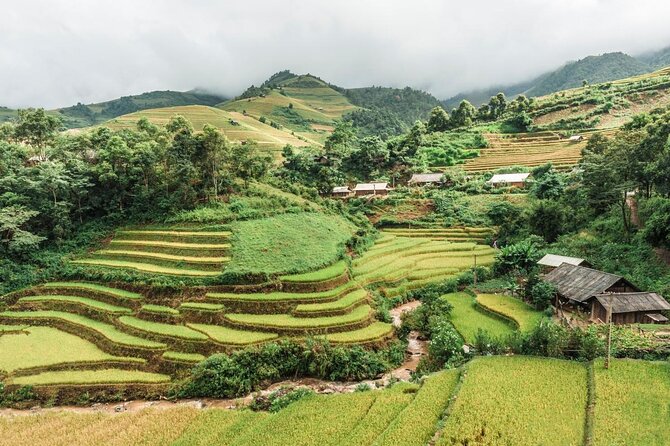
- Y Linh Ho Village quiet factor: Stilt houses, rice terraces, and a calm rhythm far from town noise
- Terrace-to-valley views on the way to Lao Chai: Hoang Lien Son range views plus rice-and-grass air
- Ta Van’s multi-ethnic mix near Muong Hoa stream: H’Mong, plus Red Dao and Giay (with different house styles)
- Local guide pacing: You can get lots of time for photos and questions, without feeling rushed
- Included lunch and bottled water: Less hassle during the day, more time on the trail
- A guide-off-road option may happen: On some treks, guides ask if you want extra trail variety
Why this Sapa trek feels like the real hillside village
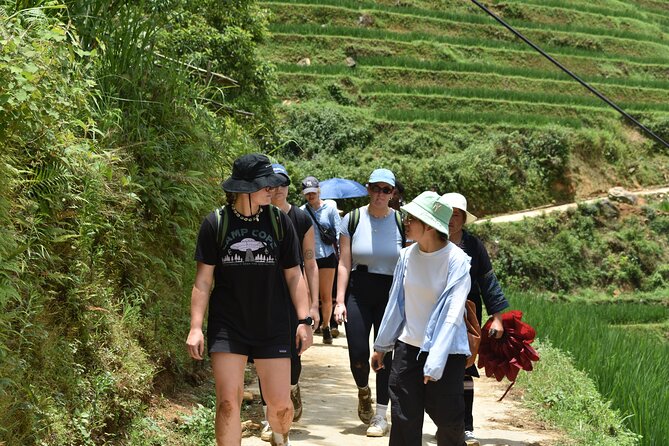
Sapa can feel packaged. This trek is the opposite. The heart of the experience is walking through hillside communities where daily life still shapes the scenery—terraced fields, footpaths, bamboo/forest pockets, and homes that sit right on the slopes.
What makes it work is the combination of views and people. You don’t just stand and look; you pass through village areas, learn the context of the ethnic groups in the region, and see how the terraced farming fits into life under the Hoang Lien Son mountains. It’s the kind of day where the terrain keeps turning into story.
And yes, the day is private. That matters because a group pace lets your guide slow down for a view, wait for questions, or give you extra time to frame a photo.
Price and value: $49 for a full 6–7 hour private day
$49 per person sounds simple, but the value comes from what’s bundled. You’re getting a private trekking experience plus private transportation, lunch, and bottled water. Add in “all fees and taxes,” and your day stays predictable.
For the money, you’re paying for three things at once:
- A route that includes multiple village areas (not just one quick stop)
- A guide experience that’s focused on local culture and terrain
- The convenience layer that keeps you from wasting time on transfers or meal searching
If you’re comparing costs, don’t just look at the price tag. This includes the hard parts of planning: getting to the start point, being on a workable schedule, and covering food and basic supplies for the trek.
Getting there: a 9:00 start and a clear meeting point
The tour starts at 9:00 am, and it ends back at the meeting point—so you’re not left guessing about the return.
Your meeting point is:
534 Đường Điện Biên Phủ, TT. Sa Pa, Sa Pa, Lào Cai 31000, Vietnam
Pickup is offered, and the activity is near public transportation, which helps if you’d rather travel independently to the area first. In practice, a morning start is your friend in Sapa: you get more daylight for the downhill valley angles and more time to enjoy each village stop without feeling squeezed.
The route choice: why this trek isn’t the same as the main roads
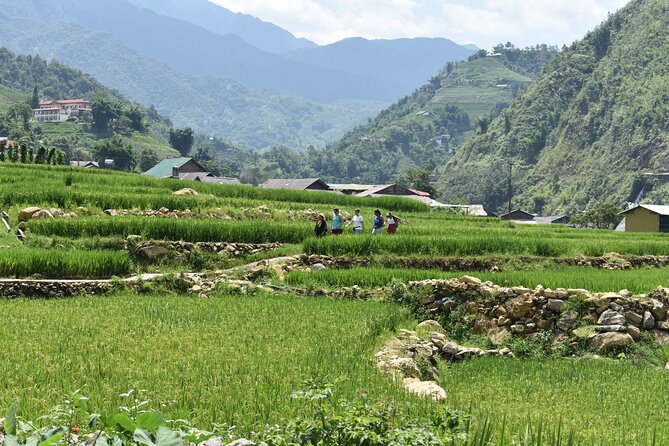
The trek is designed to follow trails that are different from the main roads shown on common maps. That’s not just a trivia point—it changes the day.
Main-road routes tend to feel like a checklist. Off-road trails, even when they’re not “wild,” are quieter and more intimate. You walk alongside terrace edges and farm plots and notice details you’d miss at bus-speed.
In other words, the route choice is what turns a half-day outdoors into a cultural walk through the hillside.
Y Linh Ho Village: quiet terraces, stilt houses, and mountain-wall views
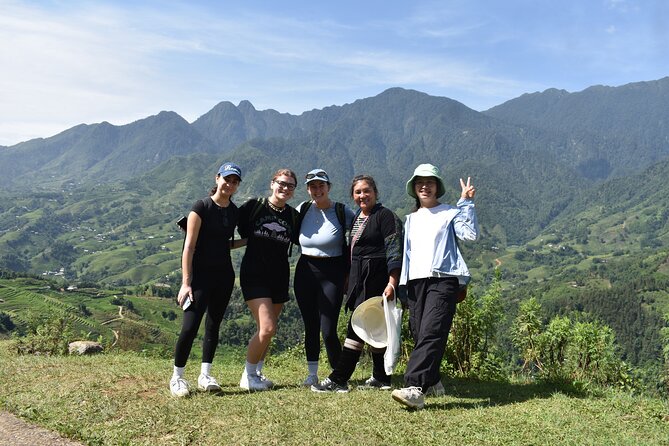
Stop focus: Y Linh Ho (about 3 hours)
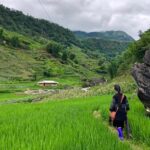
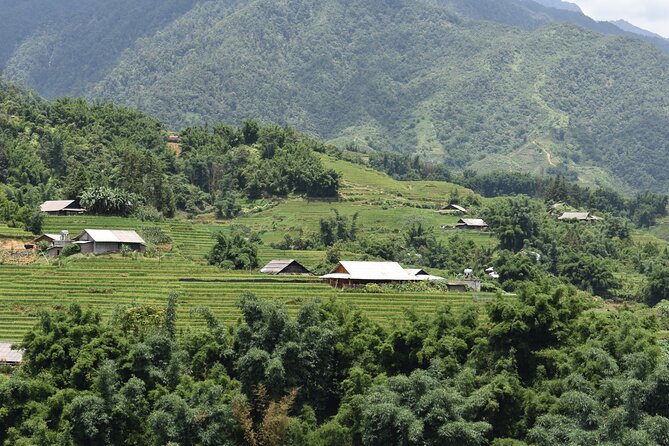
Y Linh Ho is where the day’s mood changes. The village has a calm atmosphere compared to the quick-in-quick-out feel of Sapa town. You’re surrounded by terraced rice across the hillsides, green cornfields, and the Hoang Lien Son mountain range looming like a massive backdrop.
Here’s what you should look for:
- Simple stilt houses typical of mountainous ethnic communities
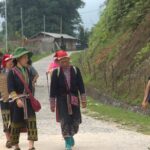
- People in traditional clothing, including H’Mong girls in brocade-style costumes
- The everyday scene of babies and family life that makes the village feel lived-in, not staged
- Terrace farming patterns that follow the slope down toward the Muong Hoa stream
One practical consideration: Y Linh Ho is quiet, which is great for atmosphere, but it also means you won’t find the same “tourist services” you might expect in town. You’re there for the walk and the learning—not for quick shopping.
Lao Chai Trail: rice fields like silk ribbons and valley depth
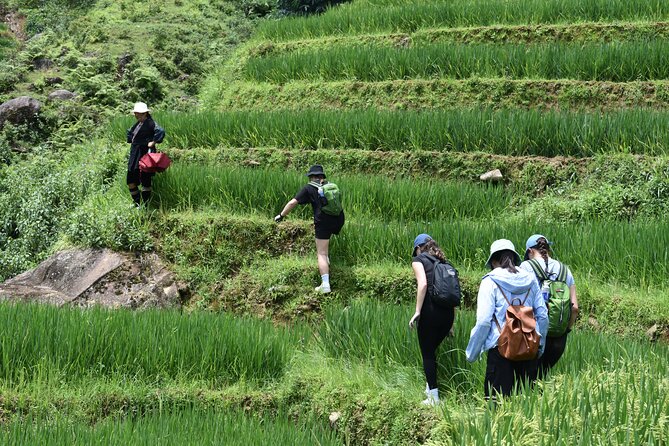
Stop focus: Lao Chai trail (about 2 hours)
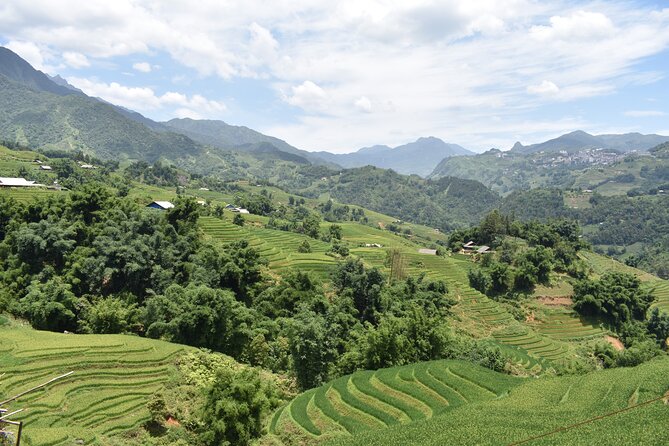
From Lao Chai, the terraces can look like silk ribbons across the valley. The H’Mong community here is tied tightly to farming, and the walk gives you time to absorb the rhythm: step, terrace edge, valley view, step again.
What makes this part special is the mix of senses and sightlines:
- You see the Hoang Lien Son range in the distance while walking
- You get that rice-and-grass smell that comes from being close to the fields
- You’ll be offered local foods during the day, which adds a simple “tastes like where you are” element
The drawback you’ll want to plan around is basic comfort. Terrace areas often mean uneven ground and narrow paths. If you’re not used to trekking, wear shoes with grip and expect your legs to notice after the first hour.
Ta Van Village: the multi-ethnic stop near the Muong Hoa stream
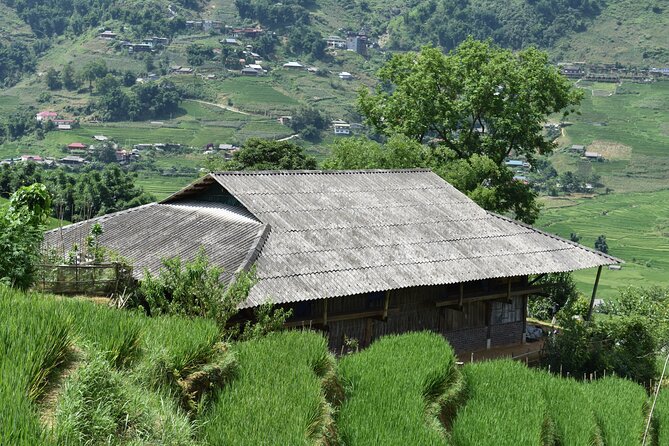
Stop focus: Ta Van Village (about 1.5 hours)
Ta Van is home to the H’Mong community, and it’s also shared by Red Dao and Giay groups. The area near the Muong Hoa stream and nearby corn hills means the scenery and the farming landscape are close together.
What you can look for here:
- A busier village feel than some other stops, with visible street activity and homestays
- The Giay detail: their smaller community size and traditions you may still see in clothing and home materials
- Giay houses built with wood and bamboo, with clay floors—distinct from stilt house styles you might see elsewhere
A quick note on “development and tradition”: some older customs may have changed over time, but you can still pick up cultural signals in clothing and the way homes are built.
Ta Van is a good moment in the day to slow down, ask questions, and let your guide connect the dots between terrace farming, village life, and the different ethnic identities you’ve seen.
Lunch, water, and vegetarian options that actually help
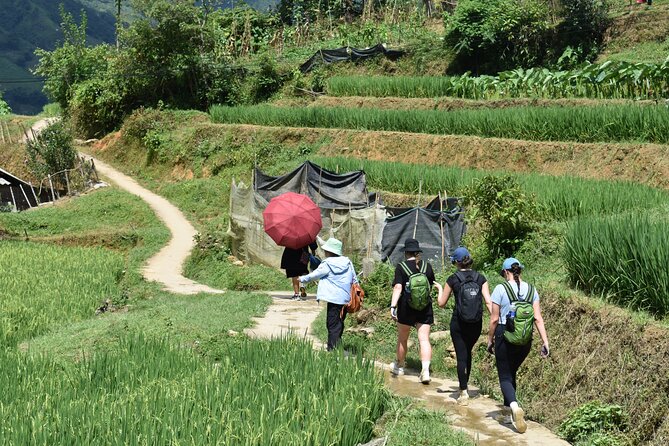
The tour includes lunch and bottled water, which is a big deal on a 6–7 hour trek. It removes the need to track down meals mid-walk, and it keeps your energy steady for the later village segments.
Vegetarian food is available on request. If you’re vegetarian (or eating with strong preferences), it’s worth telling the operator when you book so they can prepare properly. This is one of those details that makes a trek feel stress-free instead of complicated.
Your guide: patient, local, and built around photo time
This trek lives or dies by the guide, and the best feedback points to the same themes: patience and know-how.
You’ll get a guide who explains local lifestyles and the meaning behind what you’re seeing. In past experiences arranged by Sapa Nomad, guides have been described as:
- Very knowledgeable and patient
- Not rushing people
- Giving ample time for photos
- Local and friendly, and accommodating to requests
Guide names show up in feedback too, including Giang. That doesn’t mean you’ll get the same person, but it does signal the kind of guiding style the company aims for: calm, communicative, and grounded in local life.
One more useful detail: some guides ask if you want to go off the main track for extra trail variety, which can add adventure if you’re comfortable with uneven paths.
How hard is it really? A practical check before you lace up
The trek is listed at 6 to 7 hours. That’s long enough that you should treat it like an all-day outing, not a quick stroll.
Here’s how to judge your readiness:
- If you can handle walking on uneven outdoor ground for a few hours, you’ll likely be fine.
- If you get tired quickly on stairs or slopes, take it slowly and tell your guide early—good guides adjust pace.
- Plan for a day mostly outdoors, including time between terrace sections and village paths.
Because the route includes rice fields, trails, and village walking, you’ll want sturdy footwear and clothes that dry easily if the weather shifts.
What to pack so the day stays comfortable
You don’t need an expedition kit, but you do need basics that match a terrace trek. I recommend:
- Good grip shoes (terrain can be sloped and uneven)
- A light layer for morning cool air and a warmer layer if you run cold
- Sun protection (Sapa can surprise you with daylight)
- A small bag for water/snacks even though water and lunch are included (in case you want more)
If you’re sensitive to cold or humidity, bring layers you can adjust fast.
Timing and weather: when Sapa looks its best
You can’t control weather in the mountains, but it matters. One experience feedback highlighted a day with no rain and not too hot, which made the walking and photo time more comfortable.
If you get a clearer day, the Muong Hoa valley angles and terrace patterns look sharper. If it’s misty, the mountains soften and you might get a quieter, moodier feel. Either way, the villages keep the day meaningful even if the views aren’t crystal-clear.
Who should book this private trekking day
This tour fits best if you want:
- A private day (just your group)
- Real time in multiple villages rather than one quick cultural stop
- Terraced rice scenery plus local food and cultural context
- A guide who slows down and answers questions
It’s also a good pick for couples and small groups who like photos but don’t want the rush. If you prefer city sightseeing, this isn’t it. This is a hillside, countryside day.
Should you book this 1-day private trekking in Sapa?
If your ideal Sapa day includes terraces, village life, and a guide who takes time, I think it’s a strong yes. The price-to-inclusions ratio is solid because lunch, bottled water, and transportation are handled, and you’re spending hours on the trail instead of bouncing between short stops.
I’d only hesitate if you know you struggle with long outdoor walking. Otherwise, it’s the kind of trek that gives you more than a view. You leave with context: how the terraces connect to daily living, and how different ethnic communities shape the valley’s rhythm.
FAQ
What’s the duration of the 1-day trekking tour?
It lasts about 6 to 7 hours.
Where does the tour start, and what time does it begin?
It starts at 9:00 am at 534 Đường Điện Biên Phủ, TT. Sa Pa, Sa Pa, Lào Cai 31000, Vietnam, and it ends back at the same meeting point.
Is this a private tour or a shared group?
It’s private. Only your group participates.
What’s included in the price?
Lunch, bottled water, private transportation, and all fees and taxes are included. Personal expenses are not included.
Can I request vegetarian food?
Yes. Vegetarian food is available on request.
Does the tour allow service animals and offer cancellation?
Service animals are allowed. You can cancel up to 24 hours in advance for a full refund.