REVIEW · KATHMANDU
Everest Base Camp Trek | Deluxe Lodges | Both Way Helicopter Ride
Book on Viator →Operated by Life Himalaya Trekking · Bookable on Viator
An early-morning Everest sunrise is a real alarm clock. This 10-day Everest Base Camp trek is designed for people who want the classic route, but with a helicopter round trip that trims the suffering. You get lodge comfort, smart acclimatization days, and the kind of logistical help that keeps the pace human.
What I like most is the mix of “big day, small effort.” You hike through Sherpa villages and high-altitude waypoints, but you’re not locked into a long return trek. I also appreciate the practical inclusions like a -20°C sleeping bag and a warm down jacket, plus porters (1 for 2 people) and government-licensed guidance.
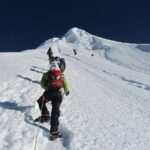
The main thing to consider: this still isn’t an easy vacation. You’ll gain serious altitude, and you’ll do glacier terrain and an early Kalapathar climb before sunrise—so fitness and sensible pace matter.
In This Review
- Key Highlights at a Glance
- Why the Helicopter Round Trip Changes Everything (For Real)
- Kathmandu: Thamel Recovery Time and a Smooth Start
- Lukla’s Scenic Flight: 45 Minutes of Everest Warm-Up
- Phakding to Namche: Gentle Trail Days That Earn the Bigger Views
- The Syangboche Acclimatization Day and the Everest View Hotel Coffee
- Tengboche Gompa to Pangboche: Where Spiritual Stops Meet Big Mountain Faces
- Dingboche Acclimatization: The Second “Climb High, Sleep Low” Moment
- Lobuche and the Memorial Views: Slow Steps Toward Gorakshep
- Everest Base Camp and Kala Patthar: The Two Moments You Plan Your Trip Around
- Lodges, Meals, and Included Gear That Make This Feel “Deluxe” in Practice
- The Price ($3,332) and Value: What You Pay For, What You Still Must Plan
- Who Should Book This Trek (And Who Might Want Another Option)
- Should You Book This Deluxe EBC + Both-Way Helicopter Plan?
- FAQ
- How long is the Everest Base Camp trek?
- Where does the trip start and end?
- Are airport transfers included?
- Does the package include helicopter rides?
- What kind of lodging do I get in Kathmandu and during the trek?
- What permits are included?
- Are meals included?
- What gear is provided?
- What is not included in the price?
- What cancellation terms are offered?
Key Highlights at a Glance
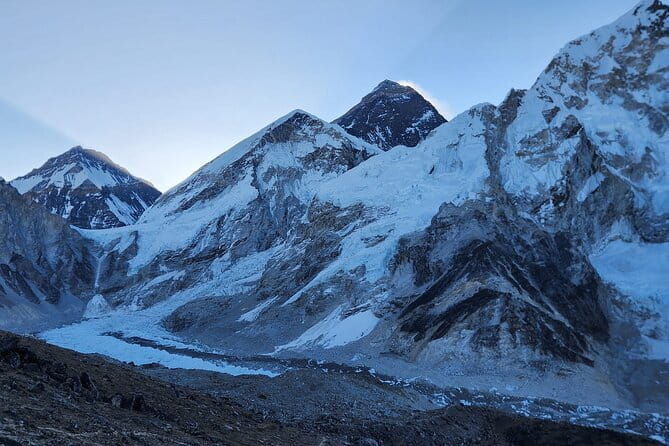
- Helicopter round trip: Kathmandu to Lukla, then Gorakshep to Lukla for a faster return
- Smart acclimatization: day hikes up to places like Syangboche and Dingboche, then sleep lower
- Everest View Hotel stop: a coffee moment at altitude in the Sagarmatha National Park zone
- Everest Base Camp + Kala Patthar: the classic duo—camp first, then sunrise viewpoints
- Included gear that helps: warm down jacket, -20°C sleeping bag, and trekking bag/duffel + map
Why the Helicopter Round Trip Changes Everything (For Real)
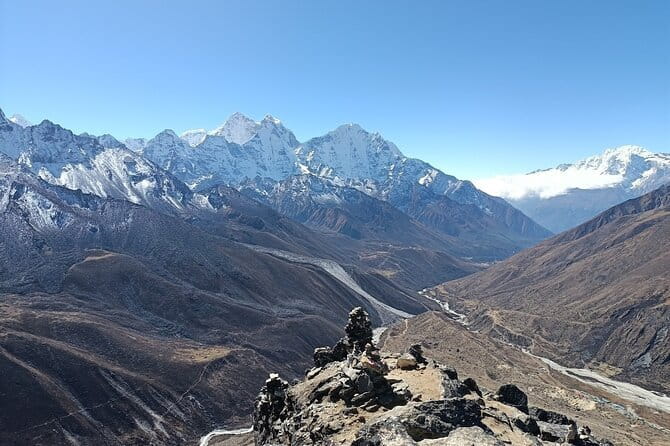
Everest Base Camp is famous for distance and endurance. This trip keeps the heart of the trek, but removes a major chunk of the “walk forever” factor on the return. You fly from Kathmandu to Lukla in a scenic 45-minute hop (sharing), then later ride from Everest Base Camp area (Gorakshep) back to Lukla (sharing) instead of trekking all the way down again.
That means you can spend more energy on what you actually came for: the views, the trails, and the moments like Base Camp itself and the pre-dawn push to Kalapathar. It also helps if you have limited time but still want the real EBC experience rather than a rushed “drive and look” version.
The trade-off is that you still handle altitude on foot. Helicopters don’t make your body ignore thin air. You’ll still hike days that climb, rest, and climb again—just in a more time-efficient shape.
You can also read our reviews of more tours and experiences in Kathmandu.
Kathmandu: Thamel Recovery Time and a Smooth Start
Your trek starts with an airport pickup and a hotel in Kathmandu (two nights total), with breakfast included. You’ll be based in Thamel, the area that’s geared for trekkers: easy to get oriented, grab a final snack, and find a pharmacy if you forgot something tiny but crucial.
You’ll likely feel tired from travel on Day 1, and that’s the point. Rather than starting uphill immediately, you get time to reset. On Day 2, the early start matters because you’ll head to the airport for the helicopter to Lukla.
Practical tip: keep your daypack light. You have luggage allowance built in—10 kg for a big bag and 5 kg for a handbag—so don’t overpack “just in case.” You’ll appreciate the freedom once the trail starts.
Lukla’s Scenic Flight: 45 Minutes of Everest Warm-Up
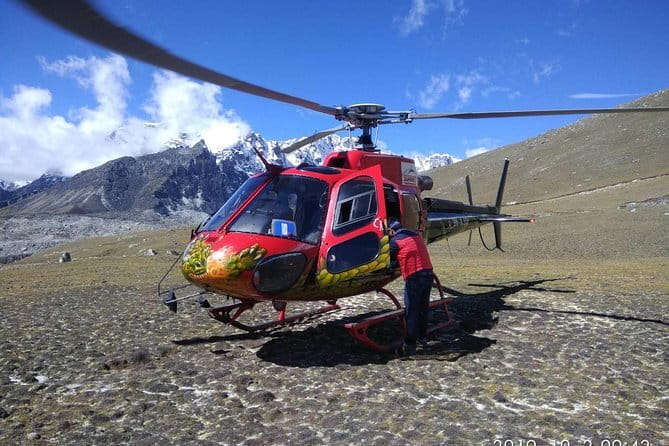
The helicopter leg to Lukla is scheduled early, and it’s not random sightseeing. The 45-minute flight is your first real hit of scale: you’ll fly over Everest and Kanchenjunga on the way in.
Flying to Lukla also changes the vibe. Most EBC trekkers spend the first couple days adapting by walking from early trailheads. Here, you arrive quicker, then begin a gentle hike that’s aimed at getting your body used to altitude before bigger climbs.
When the plane drops you into Lukla, you’ll feel that switch from “city travel mode” to “mountain survival mode.” The benefit is you start trekking with fewer travel days behind you.
Phakding to Namche: Gentle Trail Days That Earn the Bigger Views
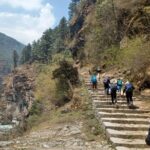
After landing, you begin walking with a day that’s intentionally not too long. Today’s route works as an acclimatization setup along the Dudh Koshi River area, passing through places like Phakding and heading toward Monjo.
One neat detail in the route: you’ll cross the Hillary Bridge area on your way, then continue through pine forest sections with river views. This is one of those parts where the altitude doesn’t feel like a punishment yet. It’s more like a warm-up lap.
You also build toward Namche Bazaar, the key hub for EBC hikers. The trail climbs after the confluence of the Dudh Koshi and Bhote Koshi rivers, and you start seeing Everest peeking over the Lhotse-Nuptse range for the first time. That moment matters. It’s the point where the trek stops feeling like logistics and starts feeling like a quest.
A small drawback to keep in mind: Namche is busy. Even with “deluxe” lodges on your side, you’ll still notice the hum of trekkers. If you like quiet, aim to get out early, even when the schedule gives you time to explore.
The Syangboche Acclimatization Day and the Everest View Hotel Coffee
You get two dedicated acclimatization days in the trek. The first takes you toward Syangboche, with a day that climbs high and gives you time to settle. This is where you’ll likely feel the “altitude math”: your lungs work harder, but the schedule is built to reduce the odds of going too fast.
A major highlight is the stop at the Hotel Everest View area (it’s described as the world’s highest hotel at 3,880 m). Even if you don’t hang out long, the idea is simple: you get a coffee break with serious mountain views, and you learn firsthand what altitude feels like when comfort still exists.
You also spend time back around Namche later that day. That matters because acclimatization works best when you climb, then sleep lower. The trip’s pacing is designed around that principle.
Tengboche Gompa to Pangboche: Where Spiritual Stops Meet Big Mountain Faces
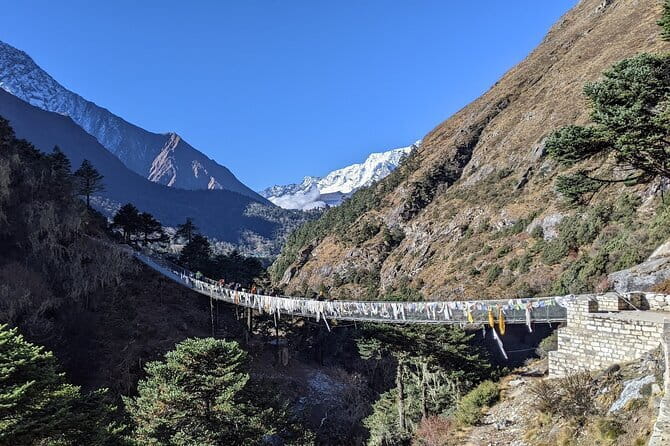
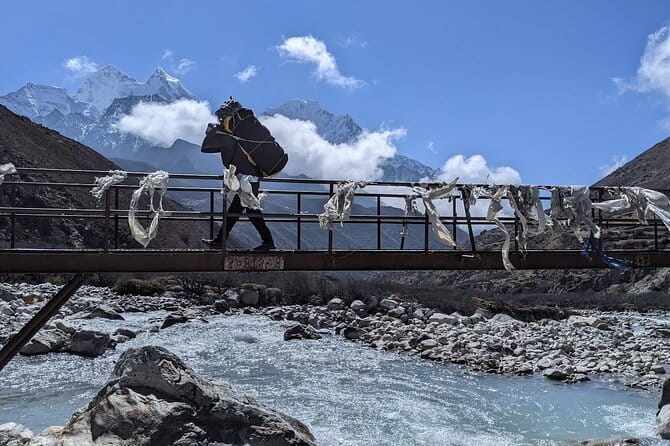
On your way onward, you’ll trek through the Dudh Koshi corridor again, crossing suspension bridges and entering valleys like the Imja Khola region. Days like this feel “classic EBC,” not because you check boxes, but because the trail rhythm is what makes the trek memorable: forest, river crossings, then sudden openings where peaks appear.
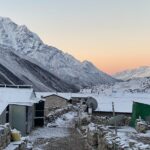
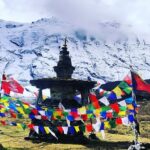
Tengboche Gompa is one of those moments that tends to stay with people. You’ll pass through as part of a day that keeps the hike manageable while still moving you upward toward higher Sherpa villages.
Then you’ll reach Pangboche, with a route described around early hikes and outstanding landmark scenery. This stretch is also where Ama Dablam starts showing up more clearly in your field of view, and you’ll spend time in a monastery-and-village rhythm rather than pure “climb to nothing” trekking.
One consideration: cold nights are real, even when days aren’t overly long. The good news is your package includes a warm down jacket and a -20°C sleeping bag, so you’re not gambling with comfort.
Dingboche Acclimatization: The Second “Climb High, Sleep Low” Moment
Day-wise, you’ll get the second acclimatization day at Dingboche. The plan is spelled out in acclimatization logic: climb high, sleep low. That gives your body time to adapt without turning the day into a death march.
This is also a day where the mountains start to dominate the mental picture. You’re higher, the air is thinner, and you’ll likely feel it in every step—even when the hike duration is described as manageable.
If you want one practical strategy: treat this day as your “form reset.” Don’t rush. Use it to keep your breathing steady and eat on schedule. The goal is to arrive at the next section feeling intact.
Lobuche and the Memorial Views: Slow Steps Toward Gorakshep
Eventually you’ll reach Lobuche, a waypoint that’s described as a relatively lighter day of trekking—but with significant altitude gain. This is the kind of contrast that confuses people. “Lighter” doesn’t mean easy. It means the schedule tries to balance effort with progress.
You’ll pass through valleys like the Dughla area and encounter memorials along the way. This is one of those sections where the trek turns reflective. The mountains don’t feel like scenery anymore. They feel like a place with history and risk attached.
The trek from Lobuche onward sets up the big Base Camp approach. It’s described as glacier terrain to reach Gorakshep over about four hours. That’s the part where good trekking technique helps: steady foot placement, no hero steps, and an unhurried pace.
Everest Base Camp and Kala Patthar: The Two Moments You Plan Your Trip Around
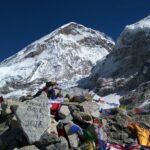
You’ll reach Everest Base Camp after trekking toward Gorakshep. This is the emotional payoff day. The package highlights it as the most significant moment of the 10-day experience with heli return, and for good reason: you’re walking into the geographic symbol of the region’s mountaineering story.
After Base Camp, you’ve got a helicopter ride back to Lukla from the Gorakshep area. That return is huge for time and fatigue. Instead of spending extra days walking downhill, you get to conserve energy for the last viewpoint day.
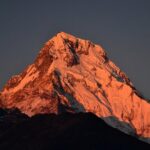
Then you wake up early for Kala Patthar. This is the sunrise viewpoint climb before dawn, designed to give you panoramic views of Everest and surrounding peaks. The early start is part of the deal. If you’re tempted to sleep through it back home, don’t do it here. This is why people plan the trip in the first place.
If you’re new to altitude trekking: listen to your guide and take the climb slowly. Sunrise views are great, but staying safe is better.
Lodges, Meals, and Included Gear That Make This Feel “Deluxe” in Practice
This package offers twin-share lodge accommodation during the trek and 3-star hotel lodging in Kathmandu. The food is structured too: breakfast for 10 days, and lunch and dinner included for the trek portion (lunch 8, dinner 8), plus a farewell dinner at a traditional Nepali cultural restaurant.
Why this matters: in high-altitude trekking, hunger and cold cause bad decisions. With meals covered, you can focus on hiking instead of bargaining with your schedule.
The gear list is one of the smartest value adds. You receive a warm down jacket and sleeping bag rated for -20°C and you’re supposed to return them after the trip. That removes a common budget trap: buying gear you’ll never use again.
You also get a trekking bag/duffel and a t-shirt, plus an Everest Base Camp trail map. The map sounds small, but having the right route picture can make the days feel calmer. You’ll know what comes next instead of guessing.
One more practical inclusion: first aid kits for staff and groups, including an oxi-meter, plus accidental insurance for guides and porters and coordination for emergency and rescue operations. It’s not flashy, but it’s the difference between “interesting adventure” and “handled responsibly.”
The Price ($3,332) and Value: What You Pay For, What You Still Must Plan
At $3,332 per person for about 10 days, this isn’t a budget trek. You’re paying for several high-cost components bundled together: helicopter transport both ways, guided trekking with porters, permits, lodging, and gear.
Here’s the honest value breakdown:
- You save money and time by not trekking the full round trip from Lukla on foot.
- You reduce gear costs by getting a proper warm jacket and a -20°C sleeping bag.
- You pay for comfort and structure: Kathmandu hotel nights, lodge stays, and planned meals.
What it does not include:
- Travel insurance for rescue and evacuation up to 5,500 m
- International airfare and Nepal entry visa
- Beverages and snacks
- Lunch and dinner in Kathmandu
So if you’re comparing options, treat the price like a bundle deal. You’re not just buying “transport.” You’re buying reduced uncertainty, less fatigue, and fewer external costs you’d otherwise have to manage yourself.
Who Should Book This Trek (And Who Might Want Another Option)
This one fits best if you:
- Want Everest Base Camp without turning the trip into an extreme endurance challenge
- Have limited time but still want the classic EBC milestones—Namche, Tengboche, Base Camp, and Kala Patthar
- Appreciate strong logistics: guide, porters, permits, included gear, and planned meals
You might reconsider if you:
- Hate early mornings (Kala Patthar starts before sunrise)
- Struggle with altitude climbs, even with acclimatization days built in
- Want a very private, low-contact mountain experience (this route passes through major trekking zones like Namche)
The trip is also described as private, meaning only your group participates. That can be a real comfort factor if you don’t want to share every moment with strangers.
Should You Book This Deluxe EBC + Both-Way Helicopter Plan?
I’d book it if your top priorities are Everest Base Camp on your schedule, comfort support, and a helicopter return that saves you from extra days of downhill slog. The included warm gear and the way acclimatization is built in make it feel more controlled than “wing it and hope” trekking.
I wouldn’t book it on autopilot if you’re chasing a painless experience. This is still high-altitude trekking with demanding days—especially the glacier terrain approach and the pre-dawn Kala Patthar climb. If you’re willing to train a bit and follow pacing advice, the helicopter makes the whole trek smarter, not softer.
If you want, tell me your fitness level and how your altitude has treated you in the past. I can help you decide whether this “shorter, heli-assisted” EBC plan matches your reality.
FAQ
How long is the Everest Base Camp trek?
The duration is listed as about 10 days.
Where does the trip start and end?
It starts with pickup from the Life Himalaya Trekking meeting point in Kathmandu (Narsingh Chowk Marg) and ends back at the same meeting point.
Are airport transfers included?
Yes. Private transportation is included for airport pickup and drop.
Does the package include helicopter rides?
Yes. It includes a sharing helicopter flight from Kathmandu to Lukla, and a sharing helicopter flight from Everest Base Camp area (Gorakshep) back to Lukla.
What kind of lodging do I get in Kathmandu and during the trek?
In Kathmandu, you get two nights in a 3-star hotel with breakfast. During the trek, you get twin-share best available lodge accommodation.
What permits are included?
The package includes Sagarmatha National Park (Mt. Everest) trek permit fee and Pasang Lhamu Rural Municipality permit fee.
Are meals included?
Yes for the trek portion: breakfast is included for 10 days, and lunch and dinner are included for 8 days each. Lunch and dinner in Kathmandu are not included.
What gear is provided?
You get a warm down jacket and a sleeping bag rated for -20°C, plus a trekking bag/duffel and an Everest Base Camp trail map. The jacket and sleeping bag are provided to be returned after the trip.
What is not included in the price?
Not included are travel insurance for rescue and evacuation up to 5,500 m, international airfare, Nepal entry visa charge, beverages and snacks, and lunch and dinner in Kathmandu.
What cancellation terms are offered?
Free cancellation is available up to 24 hours in advance for a full refund, based on the local start time of the experience.