REVIEW · MOSHI
6-Day Rongai Route Trek in Mount Kilimanjaro
Book on Viator →Operated by PINNACLE ADVENTURES & SAFARIS LTD. · Bookable on Viator
That first view over the Kenyan plains hits fast. This 6-day Rongai Route trek climbs Kilimanjaro from the north near the Kenyan border, with a gradual, steady profile and far fewer crowds than the busier approaches. I especially like the chance to see wildlife earlier in the trek, plus the way the itinerary balances classic scenery with smart altitude pacing. One thing to consider: the summit night is long and demanding, and the climb happens by torchlight with a wake-up around midnight.
From Moshi, you’ll be picked up and driven to the park for registration, then you gradually work your way through pine forest, moorland, cave country, and high-alpine terrain. The overall structure is practical: daily walking windows are clear, you camp at established huts, and there’s emergency support on board, including emergency oxygen for emergencies only (not for summit use). At this price point ($2,353 per person), you’re paying for more than a route map—you’re buying logistics, staff, food, and the gear needed to make the trek run smoothly.
In This Review
- Key highlights to know before you go
- Why the Rongai route feels different from the more famous climbs
- Day 1: Moshi to Rongai Gate, Nale Moru, and Kenyan-plain views
- Day 2: Kikelelwa Caves and the crater-rim views of Kibo
- Day 3: Mawenzi Tarn Hut at 4,330 m plus an acclimatization walk
- Day 4: Crossing the saddle between Mawenzi and Kibo to Kibo Hut
- Day 5: The midnight summit attempt to Gilman’s Point and Uhuru Peak
- Day 6: Descent to Marangu Park Gate through lush forest
- Price and logistics: what $2,353 buys you (and what you’ll add)
- Gear and small choices that keep your trek safer and nicer
- The crew quality: why guide names show up in the feedback
- Who should book the 6-Day Rongai Route
- Should you book it? A simple decision checklist
- FAQ
- How long is the Rongai Route trek and when does it end?
- What’s the highest point on this itinerary?
- Are meals included?
- Is emergency oxygen included?
- Do I need to bring my own trekking gear?
- What are the transfers like from Moshi and back?
Key highlights to know before you go
- Rongai’s northern approach near Kenya means quieter trail days and big views over the Kenyan plains early on.
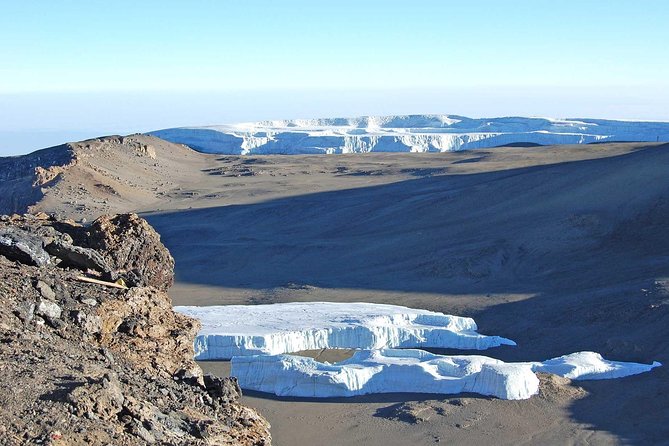
- Kikelelwa Caves day is a great chance to look toward Kibo and the eastern ice fields when the weather cooperates.
- Mawenzi Tarn Hut plus an acclimatization walk helps you adjust without overloading your body on Day 3.
- Midnight summit push starts slow and steady toward Gilman’s Point, with sunrise timing built in.
- Camping setup included (tents, camp chairs/tables, sleeping mattress), so you’re not piecing camp life together.
- Staff support is a recurring theme in feedback, including head guide Tuma and summit-day motivation from Issa.
Why the Rongai route feels different from the more famous climbs
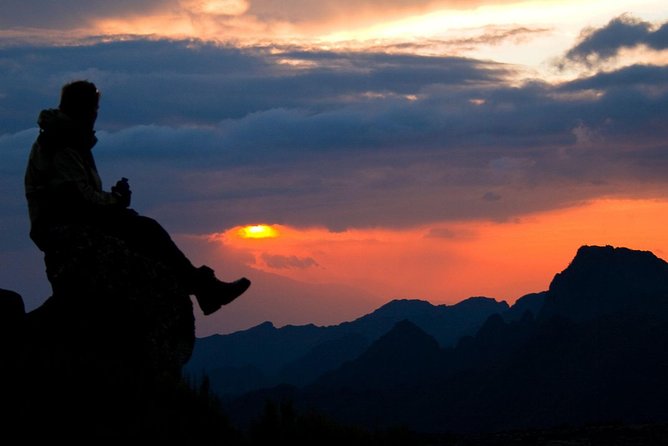
Rongai is often described as one of the easier ways up Kilimanjaro, and that makes sense when you look at the ascent profile. The climb is typically gradual and steady instead of spiking too hard right away. That matters because Kilimanjaro is less about raw fitness and more about managing effort at altitude—especially on the days when you can’t afford to rush.
The other big difference is direction. Since Rongai comes from the north near the Kenyan border, your early scenery is shaped by that side of the mountain—fields, forest, moorland edges, and long sightlines across the Kenyan plains. You’re also far less likely to feel like you’re hiking through a crowd festival, and that quiet can make the first days feel genuinely remote.
I also like that Rongai can offer a rare bonus on the early days: wildlife sightings are possible sooner here than on routes that start deeper into busier zones right away. You’re not guaranteed to see animals, but the chance is there—and on Kilimanjaro, that kind of unpredictability is part of the charm.
One note: Kilimanjaro is still Kilimanjaro. Even on an easier-feeling route, you’re above 5,000 meters by the time the summit plan kicks in, and the summit day is a serious time on your feet.
You can also read our reviews of more tours and experiences in Moshi.
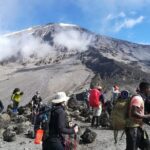
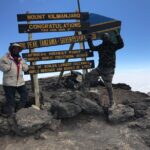
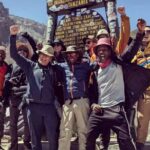
Day 1: Moshi to Rongai Gate, Nale Moru, and Kenyan-plain views
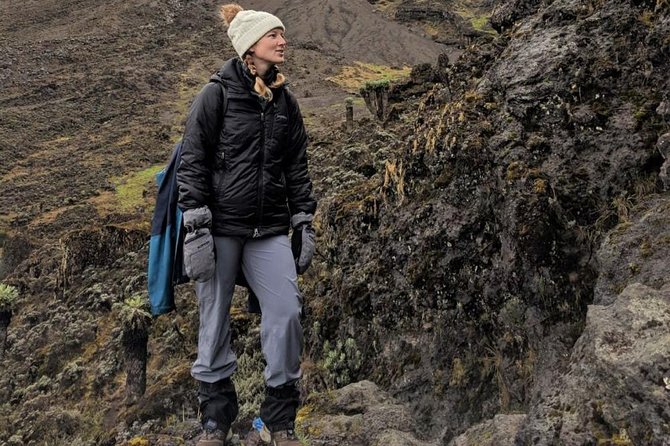
Your day starts with pickup in Moshi, then a drive to Kilimanjaro National Park for registration at Rongai Gate. After that, the vehicle transfer takes you to the village of Nale Moru at around 1,950 meters, which sets you up for a gradual begin.
The walking day is about 3 to 4 hours, and it’s not all tough uphill. Early on, you’ll move along a small path that winds through fields of maize and potatoes, then transitions into pine forest. As the day continues, you gradually ascend toward the edge of the moorland zone. The highlight is the view—especially if the sky clears—because you’ll get extensive perspectives over the Kenyan plains.
This is also the day to plan for damp conditions. Rainforest sections can be wet, so waterproofs are genuinely useful, not just “nice to have.”
Practical tip: Day 1 is where you learn your pace. Keep it controlled. You want your legs to feel fine for the next day, not cooked.
Day 2: Kikelelwa Caves and the crater-rim views of Kibo
Day 2 is longer on paper—about 5 to 6 hours—and it climbs in a steady way. You start from camp and head to the Kikelelwa Caves. The goal on the walking route is reaching Second Cave at 3,450 meters.
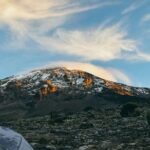
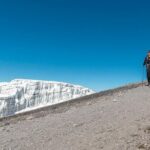
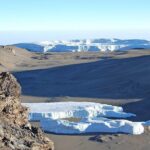
Why this day is special: it’s not just another hillside trek. The combination of cave country and rising altitude sets the mood for the higher reaches ahead. And when the weather cooperates, you’ll be rewarded with superb views of Kibo (the summit peak) and the eastern ice fields from the crater-rim region.
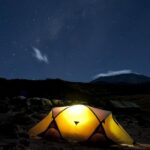
You’ll camp overnight near Kikelelwa caves at about 3,800 meters. That elevation matters because it keeps you moving upward, but not in a chaotic leap. You’re building altitude while still having a clear sense of progression.
Downside consideration: visibility on high mountain days can be unpredictable. If clouds roll in, you may lose the big crater views. Still, you’ll likely appreciate the change in terrain and the feeling of being deeper in the mountain’s world.
Day 3: Mawenzi Tarn Hut at 4,330 m plus an acclimatization walk
Day 3 has a shorter overall trek—about 3 to 4 hours—but it includes some steeper sections. You leave camp with a climb over grassy slopes, and the payoff is a stronger sense of wilderness once you leave earlier vegetation zones behind.
The destination is Mawenzi Tarn Hut (4,330 meters), and it’s a real gear-and-breathing check day. You’re not going for speed. You’re going for rhythm.
The acclimatization twist is smart: there’s an afternoon walk to about 4,500 meters (not a huge jump, but enough to stimulate adjustment). This kind of “go a bit higher, then settle” approach is often the difference between feeling okay the next morning versus paying for altitude with a rough sleep or headache.
You finish with dinner and overnight at Mawenzi, and you’ll want to be ready for the saddle crossing the next day.
Day 4: Crossing the saddle between Mawenzi and Kibo to Kibo Hut
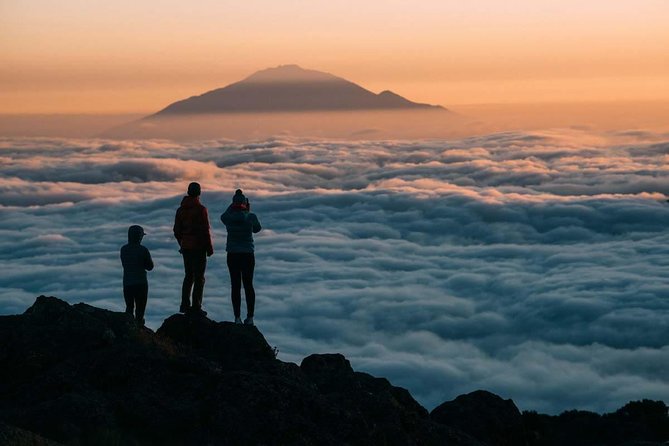
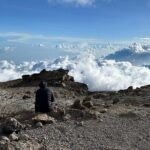
On Day 4 you tackle the saddle area between Kilimanjaro’s two highest peaks, Mawenzi and Kibo. This section is described as a “lunar desert” style crossing, which sounds poetic, but what it means for you is: expect barren, open terrain where wind can be a factor and where it’s hard to hide from the sun.
Your walk time is about 4 to 5 hours, and the elevation gain is relatively modest compared to summit day. You’ll reach Kibo Hut around 4,700 meters, with early dinner and overnight there.
Why I like this day: it’s a transition. You’re moving from the Mawenzi side into the Kibo atmosphere, and you’ll feel the altitude shift more than the walking difficulty. Also, getting to Kibo Hut early means you can rest and plan for the next day’s midnight wake-up.
A consideration: because this is exposed terrain, cold can creep in faster than you expect once you stop moving. Layers matter more here than on forest days.
Day 5: The midnight summit attempt to Gilman’s Point and Uhuru Peak
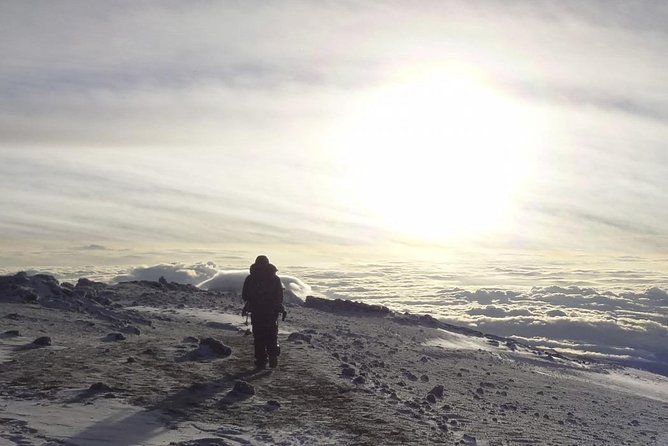
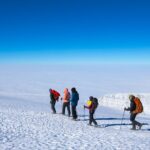
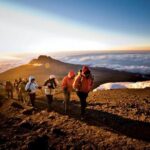
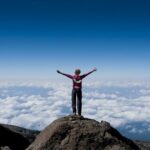
If Kilimanjaro has a signature day, it’s this one. You’ll be woken early—around midnight—for a hot drink and snack. Then you start the summit climb very slowly, by torchlight, heading for Gilman’s Point at 5,685 meters.
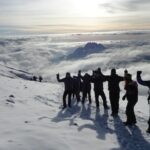
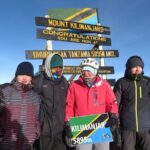
You rest there briefly to enjoy the sunrise over Mawenzi peak, weather permitting, and then you continue on to Uhuru Peak at 5,895 meters, often called the roof of Africa.
Then comes the part people forget: the descent. You go back down to Kibo Hut at 4,700 meters for brunch and recovery, and then continue down to Horombo Hut at 3,720 meters.
This is a long day. The schedule indicates roughly 5–6 hours plus 1–2 hours up, then 5–6 hours down, and the overall walking time can vary from 10 to 16 hours depending on conditions and your pace.
Why the slow push is worth trusting: you’re climbing at a time when oxygen is thin and your body needs steady effort. A good guide keeps you moving without turning it into a sprint.
In the feedback I reviewed, summit-day support gets special mention, including motivation from a guide named Issa. That matters, because once you’re tired, encouragement can become as practical as walking technique.
Also remember: the included emergency oxygen is for emergencies only, not a summit assist. So your summit success depends mainly on acclimatization, pacing, and weather.
Day 6: Descent to Marangu Park Gate through lush forest
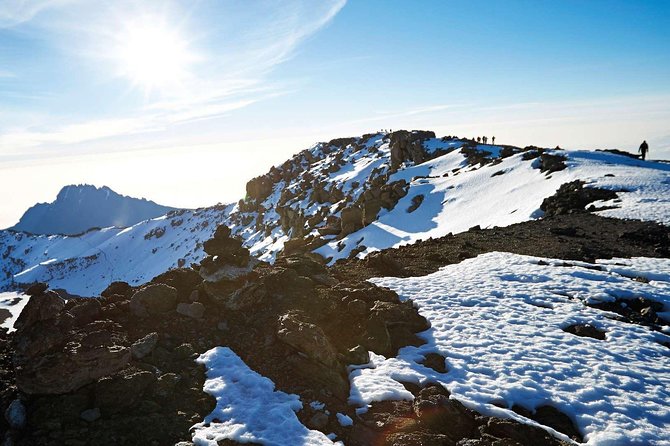
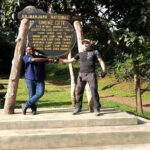
Day 6 is the big relief day: the descent is about 5 to 7 hours down to Marangu Park Gate at around 1,700 meters, where you sign out of the mountain.
The walk is through lush forest on good paths, which is a welcome change after the high, stark terrain. You’ll likely feel the difference in your breathing once you’re lower, and your legs get a final chance to move on more comfortable ground.
Once you’re met at the gate, you’ll transfer to your hotel in Moshi or Arusha.
Practical tip: even though it’s a downhill day, it can still feel rough because your knees and shins do not magically get vacation time. Keep your steps controlled, especially if it’s been wet.
Price and logistics: what $2,353 buys you (and what you’ll add)
At $2,353 per person, you’re not just paying for a leader and a route. This trek includes a lot of the “invisible” costs that can quietly balloon on Kilimanjaro.
Included highlights:
- All fees and taxes, plus required meals (breakfasts, lunches, dinners)
- Return transfers connected to Kilimanjaro airport and Moshi
- Qualified mountain guide, assistant guides, and porters (including wages)
- Camping equipment like tents, camp chairs/tables, and sleeping mattresses
- Fresh water for drinking and hot water for a wash daily
- Emergency oxygen and a basic first aid kit
- Pickup offered from Moshi Urban, and a private setup where only your group participates
What’s not included:
- Flights and visas
- Travel and health insurance
- Personal trekking/hiking gear (you can rent gear from stores in Moshi)
- Portable toilet (optional but highly recommended)
- Personal medicine and water purifying tablets
- Meals and drinks beyond what’s specified, plus snacks
So is it good value? For Rongai, yes—if you price it against the full set of supports you get: porters, kitchen staff, tents and bedding, daily hot-water wash, and emergency oxygen. If you already own the right trekking gear and you don’t need extra add-ons, your on-the-ground expenses may stay reasonable. If you still need to rent gear, buy medicine, and add a portable toilet, your total trip budget will rise.
Gear and small choices that keep your trek safer and nicer
This is one of those treks where small packing decisions really matter.
Because the itinerary includes rainforest conditions on the lower sections, I’d treat waterproofs as basic kit for Day 1. If you get caught wet and cold before your body settles into altitude rhythm, you’ll feel it.
The trek also recommends a portable toilet, which is worth taking seriously. You’ll be spending multiple days camping, and having a plan makes a big difference to comfort.
Bring or plan for:
- Personal hiking/trekking gear (or rent in Moshi)
- Water purifying tablets (personal supply)
- Personal medicine (personal supply)
- Any snacks you personally want beyond the included meals
One more practical note: the schedule includes hot drinks and snacks on summit night, plus daily water and hot wash water. That means you don’t have to solve hydration and hygiene from scratch—but you still need to handle your own comfort with the personal items listed above.
The crew quality: why guide names show up in the feedback
Kilimanjaro isn’t a DIY project. Your experience depends on how the team handles pacing, safety, and weather changes.
In the feedback tied to this operator, the head guide Tuma is specifically credited with ensuring safety throughout. Another guide, Frazier, is praised for being patient with questions while helping people feel confident about arrangements. And on summit day, Issa gets mentioned for pushing someone to the finish when timing and energy weren’t perfect.
Those names aren’t just trivia. They point to a consistent pattern: strong communication before and during the trek, and a staff culture that focuses on getting you up and back safely—not just hitting a schedule.
Who should book the 6-Day Rongai Route
This trek is a great fit if:
- You want a quieter route with a gradual climb profile.
- You’d like a better chance of early wildlife encounters.
- You prefer a structured plan with camping logistics handled for you.
- You’re aiming for Kibo and the summit while still valuing acclimatization and pacing.
It may be less ideal if:
- You know you struggle with long days and very early starts, since the summit night begins around midnight and the total walking time can stretch dramatically.
- You aren’t willing to do basic planning for weather (rain and cold) and personal supplies (medicine, water purification, optional portable toilet).
Should you book it? A simple decision checklist
Book this 6-Day Rongai Route if you want a strong balance of gradual ascent, fewer crowds, and a trek plan that’s built around huts, clear days, and supportive staffing. The price includes a lot of the hard logistics—guides, porters, camping equipment, meals, and emergency oxygen—so it’s easier to focus on your body and your pace.
Hold off if you’re not ready for the summit-day reality: torchlight climbing, a very long total day, and the fact that oxygen is emergency-only. If you can handle the mental and physical grind of Kilimanjaro’s summit day, Rongai’s lower-crowd experience and scenic variety make a compelling case.
FAQ
How long is the Rongai Route trek and when does it end?
The trek runs for about 6 days. It starts with pickup in Moshi and ends back at the meeting point after your descent to Marangu Park Gate and transfer to your hotel in Moshi or Arusha.
What’s the highest point on this itinerary?
The summit attempt targets Uhuru Peak (5,895 meters). The climb also reaches Gilman’s Point (5,685 meters) first, where sunrise is planned if weather allows.
Are meals included?
Yes. The package includes breakfasts, lunches, and dinners (breakfast 5 times, lunch 6 times, dinner 4 times).
Is emergency oxygen included?
Yes. Emergency oxygen is included, but it is for emergency use only and not as summit aid.
Do I need to bring my own trekking gear?
Personal hiking and trekking gear is not included. You can rent gear from equipment stores in Moshi, and you should also plan for personal items like water purification tablets and personal medicine.
What are the transfers like from Moshi and back?
There are return transfers connected to Kilimanjaro airport and Moshi. On the final day, after signing out at Marangu Park Gate, you’re met by a driver and transferred to your hotel in Moshi or Arusha.