REVIEW · MOSHI
6 Days Kilimanjaro Trekking – Machame Route
Book on Viator →Operated by Afrishare Trekking and Safaris · Bookable on Viator
A good challenge starts with a great crew. This 6-day Machame route trek balances classic Kilimanjaro scenery with real-world pacing help from guides and porters, plus solid meals that keep you moving. I especially loved the way the team supports you through the hard parts of the climb, and the summit push that rewards you with a once-in-a-lifetime sunrise from Stella Point. The main drawback to plan for is the very early midnight to 2am summit start, which is mentally tough even when you’re physically ready.
Price-wise, it’s not the cheapest way to do Kilimanjaro, but it’s designed to be value-forward: private tour, guide + porter, pickup/drop-off from your hotel area, and park fees handled. One thing to consider: tipping is not included for the driver, and you’ll want to budget a bit extra for drinks on the mountain days.
In This Review
- Key highlights from this 6-day Machame experience
- Why the Machame route is such a smart Kilimanjaro choice
- Moshi pickup to Machame Hut: starting the climb the right way
- Machame Kusini to Shira campsite: rainforest fades and your body wakes up
- Shira Plateau to Lava Tower to Barranco Hut: the acclimatization pivot day
- Barranco Wall to Barafu Hut: views from the South Circuit
- Summit night from midnight to Stella Point and Uhuru Peak
- Descent to Mweka Gate and the celebratory finish in Mweka Village
- Price and what you’re actually buying for $1,715
- The guide and chef details that make or break a week
- Who this Machame trek suits best
- Should you book this 6-day Machame route with Afrishare Trekking and Safaris?
- FAQ
- How long is this Kilimanjaro trek?
- What’s the starting point for the trek?
- Is pickup from hotels included?
- How much does the trek cost?
- What route does the trek follow?
- What time do you start summit night?
- What’s included in the price?
- What is not included?
- Can you accommodate dietary needs?
- Do they operate in bad weather?
- Is free cancellation available?
Key highlights from this 6-day Machame experience
- Private tour for your group only, with a guide and a porter included
- Machame-to-Kilimanjaro routing through Shira, Lava Tower (Shark’s Tooth), and the Barranco/Barafu circuit
- Stella Point sunrise timing, with the toughest climb portion coming between midnight and Uhuru Peak
- Careful acclimatization days, including a Baranco day that intentionally helps your body adjust
- Meals and service on the mountain, with multiple teams praising the chef’s ability to keep food varied despite conditions
Why the Machame route is such a smart Kilimanjaro choice
Machame is one of the most popular paths for a reason: it feels like a real mountain journey, not just a straight line to the top. You climb out of forest life, step into high-altitude terrain, and then work your way through the classic landmarks that Kilimanjaro hikers talk about for years.
What makes this trek especially workable is the way the days are spaced to help your body handle altitude. You’re not just rushing upward. You’re also given nights at huts/camps that match the rhythm of Kilimanjaro, where “how you move” matters as much as “how high you go.” If you’ve ever seen people struggle on Kilimanjaro, it’s often because they tried to climb too fast for their bodies to adjust. This route profile is built to reduce that risk.
I also appreciate that the trek is run as a private experience. That usually means your group’s pace and needs can get handled more directly, instead of being blended into a big crowd. In Kilimanjaro terms, that matters for acclimatization and for morale when the air gets thin.
You can also read our reviews of more tours and experiences in Moshi.
Moshi pickup to Machame Hut: starting the climb the right way
Most people start in Moshi, and that’s convenient. Moshi sits at the base of Kilimanjaro, so you’re not scrambling across the country the day before you hike. The program includes hotel pickup and drop-off, which means you show up, get organized, and focus on Day 1 rather than logistics.
Once you drive from Moshi to the park gate, you pass coffee and banana plantations. It’s a small thing, but it sets the tone: this trek isn’t just about altitude. It’s also about seeing how locals live and farm on the lower slopes.
The first hiking day targets Machame with dinner and an overnight at Machame Hut. You’ll want that early “sleep to serve the energy” idea to sink in. Even though Day 1 is not the hardest effort of the week, the schedule matters. Kilimanjaro rewards the people who treat the first days like training days, not warm-up days.
Practical note: the climb is often on uneven paths, and you’ll feel it more when your legs are still fresh. That’s good. Just don’t overstride on the early sections.
Machame Kusini to Shira campsite: rainforest fades and your body wakes up
After breakfast, you leave the rain-forest glades and step into a more exposed climb. This transition is one of the more noticeable shifts on Kilimanjaro. The air can feel drier, the views widen, and the effort becomes more about steady uphill hiking than forest-walking.
You’ll move along an ascending path that includes crossing a little valley and walking along a steep rocky ridge. Heather covers parts of this area, and the route eventually turns west onto a river gorge.
This day is described as roughly a three to four hour walk to reach time to rest, dinner, and an overnight at the Shira campsite. That’s a good sign. A trekking day should leave you tired but not wrecked. You’re gaining altitude and working your legs, while still building toward the key acclimatization days that follow.
Possible drawback: this is the kind of terrain where good footwork matters. If you don’t already have a habit of hiking on rocky ground, bring trekking poles and use them early. Your knees will thank you later, especially on the days that get steeper.
Shira Plateau to Lava Tower to Barranco Hut: the acclimatization pivot day
This is where the trek starts to feel like Kilimanjaro, the real deal. From the Shira Plateau, you continue east up a ridge and pass the junction toward Kibo. Then the direction shifts toward the south east to the Lava Tower, often called the Shark’s Tooth.
Lava Tower is a mental milestone. Even when you’re not chasing summit dreams, seeing that landmark helps you believe the climb is actually progressing. It also helps break the day into stages, which matters when your body starts feeling the altitude.
You then reach the Arrow Glacier at about 4876m (15,997 ft). After that, the route goes down to Barranco Hut at about 3860m (12,664 ft). That drop is not a mistake. On Kilimanjaro, controlled altitude changes are part of the plan.
What I like about this day is the way it pairs effort with a built-in acclimatization strategy. You’re working your lungs near high points, then giving your body a chance to adjust by coming down. When people skip acclimatization or rush between camps, it often shows up on summit night. This trek tries to set you up for that evening.
Barranco Wall to Barafu Hut: views from the South Circuit
After breakfast, you leave Barranco and climb the Barranco Wall. From there, the route passes through the Karanga Valley, and you’ll have lunch at about 4200m (13,779 ft). That’s high enough that meals can feel like work, not comfort. Still, it’s also a useful detail: the day is long and your body is learning to function at altitude while fueled.
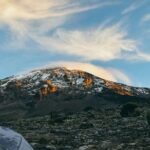
The next link is the junction with the Mweka Trail, and then you continue uphill to Barafu Hut. This is the day you complete the South Circuit, and you’ll likely appreciate the payoff: views of the summit angles change as you move, and Mawenzi and Kibo can be visible from this position.
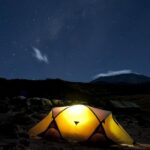
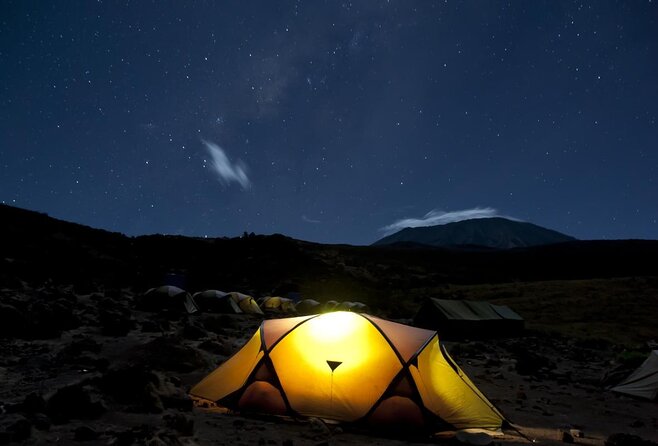
You camp at Barafu, rest, enjoy dinner, and prepare for summit day. This “prepare” part is important. Summit night is not just about strength. It’s about having your gear ready, mind settled, and energy protected.
I’d treat the Barafu evening like a mission prep. Don’t wait until you’re tired to find your layers, headlamp, and essentials. When it’s cold and your body is running on limited oxygen, small delays become big problems.
Summit night from midnight to Stella Point and Uhuru Peak
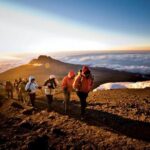
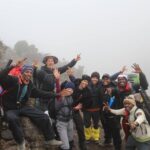
This is the signature moment of the entire trek. Very early in the morning, between midnight and 2am, you head out for the summit between the Rebmann and Ratzel glaciers.
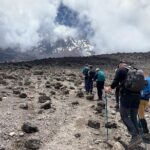
The described route climbs a northwesterly direction and ascends through heavy scree toward Stella Point at 5685m (18,652 ft). This segment is called out as the most mentally and physically challenging portion. That matches Kilimanjaro’s reality: it’s not always steep, but scree makes every step a negotiation.
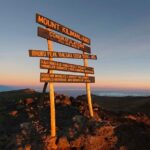
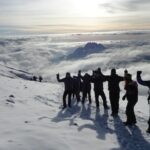
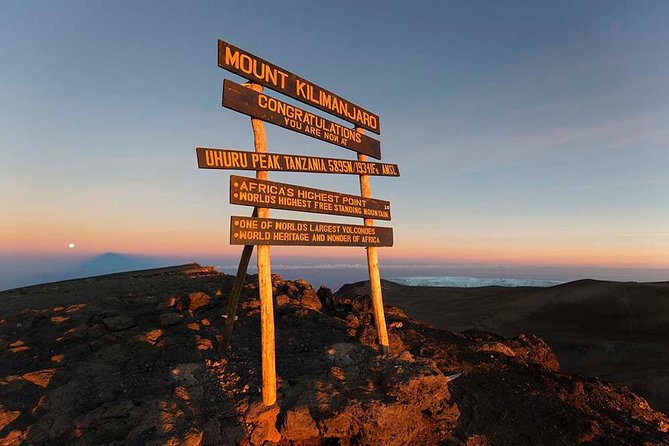
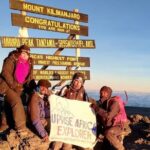
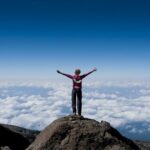
At Stella Point, you stop briefly and, weather permitting, get the most magnificent sunrise you’re likely to see. From there, the ascent continues toward Uhuru Peak, the highest point on Kilimanjaro and Africa.
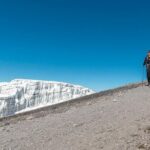
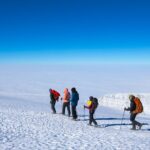
Possible drawback: even if you’re a strong hiker, summit night can feel like a different sport. The goal is steady effort, not speed. Also, plan for cold and possibly snow on the upper route, since the trek description notes snow may continue up to the summit.
Descent to Mweka Gate and the celebratory finish in Mweka Village
After sunrise and summit, the day shifts from climbing to survival mode in the best way: get down carefully. You start with breakfast, then descend toward Mweka Park Gate to receive summit certificates.
At lower elevations, you might encounter wet and muddy conditions. That’s when gaiters and trekking poles help a lot. Poles reduce the load on your knees, and gaiters can keep mud from soaking your boots. Shorts and t-shirts may work later in the day, but keep warmer clothing and rain gear handy because conditions can swing quickly near the end.
After the gate, there’s another hour to Mweka Village, and then a vehicle meets you to drive you back to your hotel in Moshi or Arusha or provide airport drop-off.
Don’t skip the thank-you and the tips. The program explicitly notes that you should tip your guides and porters and also that tipping for the driver is not included. This is one of those experiences where small gestures matter.
Price and what you’re actually buying for $1,715
At $1,715 per person for about 6 days, this trek sits in the “serious but managed” category. You’re not just paying for a path on a map. You’re paying for organization, staff, and fees that can easily become confusing to DIY.
What’s included:
- 5 nights accommodation
- All fees and taxes
- Lunch
- Professional guide
- Porter
- Hotel pickup and drop-off
- Private tour
What’s not included:
- Alcoholic drinks
- Tipping for the driver
So where’s the value? It’s mainly in the staffing and logistics. Guide + porter reduces the chance of being underprepared or feeling lost at key junctions. All fees and taxes means you’re not guessing what’s covered versus not covered. And private tour helps with pacing and comfort decisions during a week where your body is changing day by day.
If you’re comparing options, don’t just compare the hiking itinerary. Compare what happens off-trail: meals, staff, transport, fees, and how much time you lose to confusion.
The guide and chef details that make or break a week
Kilimanjaro is a long mental grind. That means good support isn’t a luxury; it’s part of the safety net.
In multiple reported experiences with this company, guides like Peter and Alex are praised for being on time, communicating clearly, and adjusting pace to match ability. Others mention guides who explain plants along the way, which turns some stretches from “just walking” into “learning while hiking.”
Chef support also comes up in a meaningful way. One account highlights chef Daniel and the surprise at the diversity of dishes prepared even under mountain conditions. I don’t care if you’re a foodie or not: when you’re climbing at altitude, food variety and reliability can make the difference between steady energy and constant fatigue.
Even if your guide’s name is different, the lesson is the same: pick an operator that treats food, timing, and pacing like serious parts of the climb.
Who this Machame trek suits best
This trek fits best if:
- You have moderate physical fitness
- You want a classic Kilimanjaro route with an acclimatization-friendly rhythm
- You prefer private guiding rather than joining a bigger mix
It’s also a good match if you care about planning that’s already handled. You’ll get confirmation at booking, a mobile ticket, and pickup/drop-off. That reduces the stress that can drain energy before you even start hiking.
If you’re dealing with medical concerns or altitude sensitivity, this is the wrong place to wing it on your own. Ask your clinician ahead of time, and then follow your trek team’s pacing instructions closely. Kilimanjaro is not a test of toughness at all costs.
Should you book this 6-day Machame route with Afrishare Trekking and Safaris?
I’d book it if you want a well-paced Machame trek with the practical comforts that matter on Kilimanjaro: guide and porter support, handled park fees, pickup/drop-off, and a route that includes the key acclimatization moves like the Barranco day and the descent after high points.
I’d think twice if you hate early mornings, because summit night runs midnight to 2am, and the hardest climbing segment starts around the time most people are still asleep. I’d also consider alternative options if you know you struggle with cold, since the upper route can include snow.
Overall, this package looks like a strong value for what it includes, and the repeated emphasis on on-time support, helpful pacing, and good mountain meals is exactly what I want to bet on for a first (or even second) Kilimanjaro attempt.
FAQ
How long is this Kilimanjaro trek?
It’s scheduled for 6 days (approx.), including 5 nights of accommodation.
What’s the starting point for the trek?
The meeting start point is Kilimanjaro Airport, Kilimanjaro National Park, Tanzania.
Is pickup from hotels included?
Yes. Hotel pickup and drop-off are included.
How much does the trek cost?
The price is $1,715.00 per person.
What route does the trek follow?
It follows the Machame route, including stops at Machame, Machame Kusini, Shira campsites, Barranco Hut, Barafu Hut, and Mweka Gate.
What time do you start summit night?
The trek description says you continue toward the summit between midnight and 2am.
What’s included in the price?
Included items are 5 nights accommodation, all fees and taxes, lunch, professional guide, porter, hotel pickup and drop-off, and a private tour.
What is not included?
The trek does not include alcoholic drinks (available to purchase) and tipping for the driver.
Can you accommodate dietary needs?
Yes. Please advise specific dietary requirements at time of booking, and a vegetarian option is available if you request it.
Do they operate in bad weather?
The trek states it operates in all weather conditions, so dress appropriately.
Is free cancellation available?
Yes, there is free cancellation up to 24 hours in advance for a full refund. Within 24 hours, the amount paid isn’t refunded.