REVIEW · KATHMANDU
10 days Annapurna Base Camp Trek
Book on Viator →Operated by Eve Holidays · Bookable on Viator
Annapurna Base Camp in ten days is the real deal. You fly to Pokhara, walk through classic villages like Ghandruk and Chhomrong, and reach Annapurna Base Camp after a steady climb through forests and ridges, then you wind down with hot showers in Pokhara. I especially like the small group size (max 8) and the full logistics, from transfers to permits handled for you.
The main thing to plan for is the trekking effort. Several days are long and steep, and the early uphill can be rough on your knees, so bring walking poles and keep your pace conservative.
In This Review
- Key things that make this trek work well
- 10 Days In a Nutshell: What You’re Really Buying
- Kathmandu Warm-Up in Thamel, Then Off to the Trek
- Pokhara Start at Kimche: The First Climb Sets the Pace
- Into Ghandruk and Beyond: Chhomrong as the Big Milestone
- Forest Ridges to the Sanctuary Gateway: Sinuwa, Kuldigarth, Dovan
- Deurali Day: Waterfalls, Caves, and Forest Villages
- Base Camp Day Via Machhapuchhre Base Camp: The Moment You Came For
- Down to Jhinu Danda: Rhododendron Trails and a Restful Finish
- Nayapul and Pokhara: Hot Shower Energy and Lakeside Time
- Pokhara-to-Kathmandu Switch: Farewell Dinner and Final Day Leeway
- Price and Logistics: Is $1,598 Good Value Here?
- Accommodation Reality: Lodges Up the Trail, Hotel Comfort After
- Who This Trek Is Best For (and Who Should Rethink It)
- Should You Book This 10-Day Annapurna Base Camp Trek?
- FAQ
- How long is the Annapurna Base Camp trek, and where does it start and end?
- Do you fly to Pokhara or travel overland?
- What are the main trekking stops before Annapurna Base Camp?
- Which day do you reach Annapurna Base Camp?
- Where do you sleep on Day 6 after reaching base camp?
- What meals are included?
- Are national park fees and TIMS included?
- Is trekking equipment included?
- What is the maximum group size, and what fitness level do you need?
- Is cancellation free, and what happens if weather is poor?
Key things that make this trek work well
- Max 8 trekkers: calmer days, easier guidance, and less crowd pressure on the trail.
- Permits and fees handled: TIMS and national park fees are included, so you are not scrambling for paperwork.
- Guide-led, lodge-to-lodge rhythm: professional trekking guide plus lodge stays with breakfast/lunch/dinner included as listed.
- Classic route highlights: Ghandruk, Chhomrong, Deurali, Annapurna Base Camp, and Jhinu Danda.
- Real recovery built in: after trekking, you get a comfortable Pokhara hotel and a lakeside reset.
- Staff support named in the process: guide Pasang and booking agent Maina are examples of the helpful service people report.
10 Days In a Nutshell: What You’re Really Buying
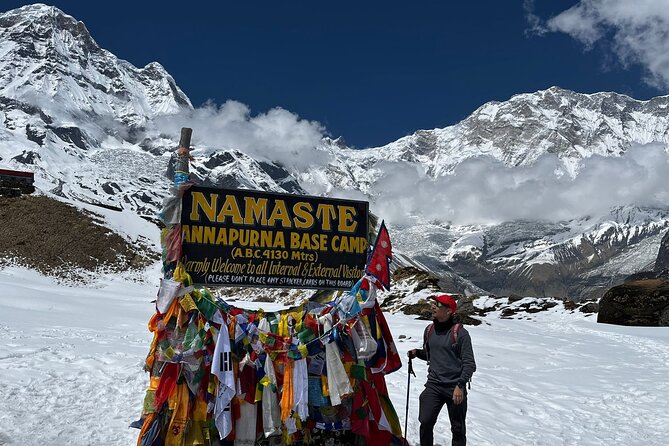
This is a structured Annapurna Base Camp trek that starts and ends in Kathmandu, with a flight to Pokhara and several days of walking between village lodges. The plan hits the key “Annapurna feel” parts: stone paths in the foothills, forest climbs (oak and rhododendron), wet bamboo stretches, and finally the big payoff at base camp.
You’ll spend most of your time on the trail moving between settlements and teahouses rather than doing a day-by-day scramble through wilderness. That matters because it keeps the experience human-sized: you eat, sleep, and regroup at villages that are set up for trekkers.
At the same time, ten days is still a challenge. The itinerary includes multiple days around 5–6 hours walking, and altitude climbs in stages, so you’ll want a steady fitness baseline and a knee-aware walking style.
You can also read our reviews of more tours and experiences in Kathmandu.
Kathmandu Warm-Up in Thamel, Then Off to the Trek
Your first day is built for settling in. After you land at Tribhuvan International Airport, a representative greets you and escorts you to your pre-booked hotel in Thamel, where you have the rest of the day at leisure to rest and prep.
On Day 2, you add an included cultural stop: Old Gurung Museum with an admission ticket included. Then you move on to the bigger move—flying to Pokhara. It’s a nice flow if you like having one low-stress day in the capital before your legs start doing the talking.
Practical note: since the trek starts immediately after you reach Pokhara, use Thamel time wisely. If you need to buy basic trekking odds and ends, charge devices, or sort a couple of last-minute items, do it before you head into the mountains.
Pokhara Start at Kimche: The First Climb Sets the Pace
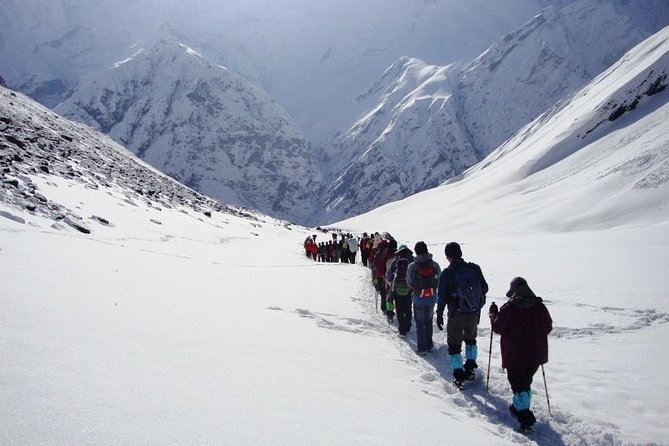
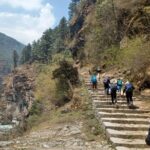
After the Kathmandu to Pokhara flight, you drive to Kimche, just outside of town, and begin the trek from there. Day 2’s walking follows a stone pathway for much of the time, and the grading is mostly uphill.
This is the day where I’d pay attention to knee mechanics most. The itinerary specifically flags that the climb can be tough on the knees, so you’ll be happier if you:
- go slower than you think you should,
- keep steps short on steeper stretches,
- use walking poles if you have them.
The day ends in Ghandruk, a classic stop for trekkers because it’s a comfortable place to settle after those first altitude gains. You also get the rhythm of the route: start climbing, pass through villages, and finish in a larger settlement with teahouse infrastructure.
Into Ghandruk and Beyond: Chhomrong as the Big Milestone
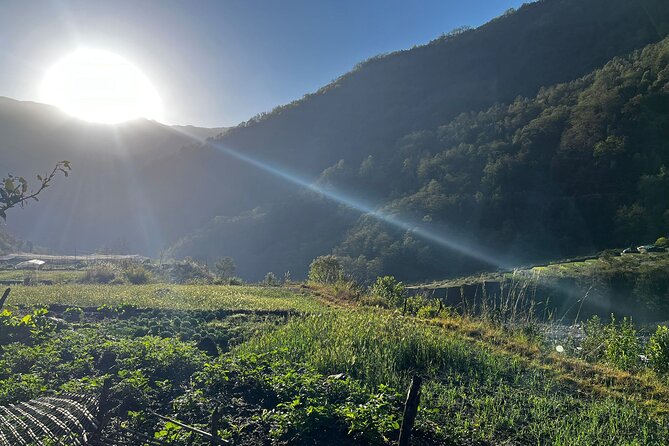
Day 3 continues the pattern of alternating climbs and descents, with key crossings along the way. You start with an ascent, drop down to cross the Kimrong Khola by bridge, then climb again toward Taulung before joining the main trail toward Chhomrong.
Chhomrong is the last major settlement before the sanctuary zone, and that’s part of why it’s such a meaningful milestone on this trek. You finish the day at Chhomrong (around 2060m), and the itinerary notes the atmosphere there: alpine lodges and scenic views, plus a great location to rest before the higher, wilder-feeling days.
One of the most memorable natural moments on this leg is also very specific: the high point above the main valley is a favorite spot for vultures, griffons, and lammergeiers. When you see them overhead, it’s a reminder you’re trekking through an ecosystem, not just a line on a map.
Forest Ridges to the Sanctuary Gateway: Sinuwa, Kuldigarth, Dovan
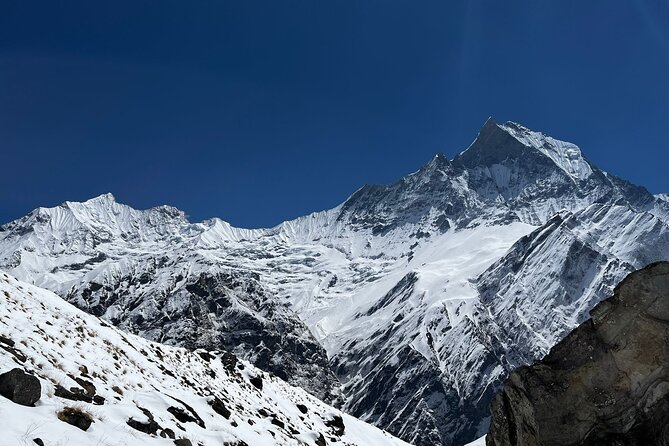
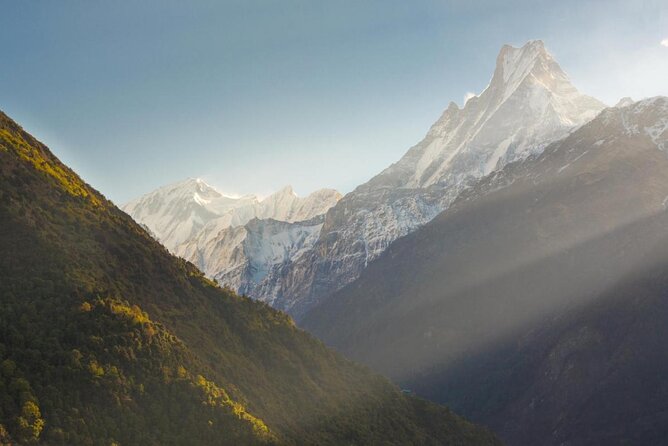
Day 4 is a strong “mountain travel” day because it mixes big views with real forest walking. You descend to cross the Chommrong Khola by suspension bridge, and then the views start showing up more clearly—especially Machhapuchare and Annapurna South.
From there, the trail climbs through oak and rhododendron forests to a ridge teahouse at Sinuwa (2350m). The ascent to Kuldigarth (2470m) is more gradual, and lunch is at the Bamboo Hotel (2340m), which gives you a nice midpoint where the body can reset.
Then you walk on toward Dovan, described as beyond the unofficial gateway into the sanctuary, through wet bamboo forest. That detail is important. Wet bamboo sections can mean slippery footing and slower walking, so don’t judge your pace too harshly on this day—you’re trading speed for texture and temperature.
Deurali Day: Waterfalls, Caves, and Forest Villages
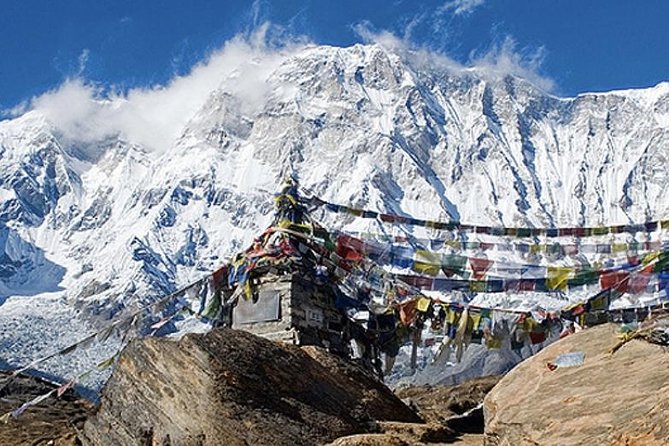
Day 5 is shorter in walking time (about 5 hours), which is often exactly what you want around mid-trek. After breakfast at the lodge, you pass waterfalls, caves, and forests, plus village stretches on the way to Deurali.
Deurali acts like a staging point. You’re gaining altitude, but you’re also getting a break from the longest, most relentless grading seen earlier. It’s also a good day for focusing on small habits that make base camp days easier: warm layers ready, steady hydration, and eating enough at each stop.
If you tend to get cold at elevation, Day 5 can be a moment to dial in your system. You might not feel it fully yet, but base camp weather can swing fast.
Base Camp Day Via Machhapuchhre Base Camp: The Moment You Came For
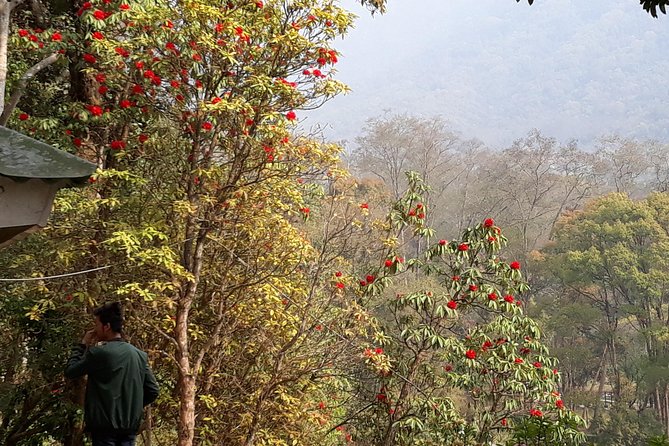
Day 6 is the headline. You walk to Annapurna Base Camp via Machhapuchhre Base Camp, with the itinerary describing a path that involves a key descent and then an overnight at the lower altitude.
The structure is smart. Even though it’s the day you reach base camp, you’re not stuck sleeping at the highest point immediately. Staying at Machhapuchhre Base Camp after descending helps your body recover before the final return days.
Expect this to be both a physical and emotional day. The walking time is about 6 hours, but base camp moments slow you down: the views pull your attention upward, and photos and quiet awe do their own measuring of time.
Two practical tips for this day, based on how the itinerary is built:
- start early so weather and light are on your side,
- dress for cold, even if you felt warm earlier in the trek.
The trek also depends on good weather overall, so your schedule can feel fragile. The good news is this itinerary’s day-by-day pacing is designed to give you workable recovery windows.
Down to Jhinu Danda: Rhododendron Trails and a Restful Finish
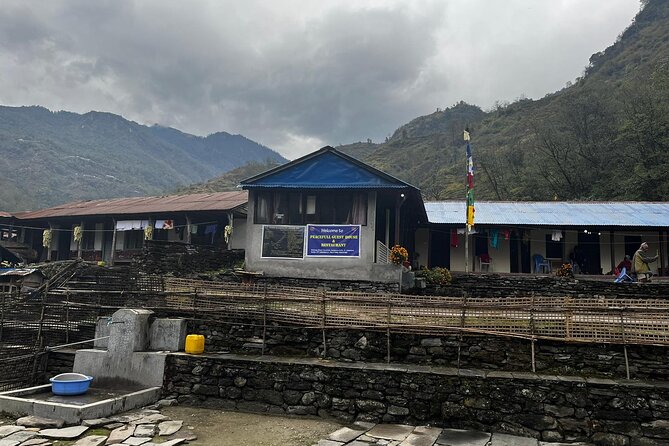
Day 7 continues the descent pattern. You head down through rhododendron forest, moving onward to the Chhomrong River and then Chhomrong Village, before reaching Jhinu Danda for overnight stay.
Jhinu Danda is a satisfying end to the uphill-to-reward transition. The itinerary keeps this day at around 6 hours, which is a solid amount of movement without turning it into a marathon.
The bigger benefit of Jhinu Danda as a stop is what comes after: it sets you up for a final descent and the “life returns to normal” feeling on Day 8, where you move from trekking mode into transport and hotel comfort.
Nayapul and Pokhara: Hot Shower Energy and Lakeside Time
Day 8 is your last trekking day. You descend to cross the Kimrong Khola, tackle a short ascent, then follow the Modi River until you reach Nayapul. From there, you meet your bus and drive back to Pokhara.
The itinerary calls out a specific emotional payoff: after the drive, you can enjoy a hot shower, relax in your Pokhara hotel, and stroll around the lakeside. That’s not a minor detail. In a trek like this, the body remembers comfort. When you can finally wash and sit down without worrying about the next footstep, recovery becomes real.
Walking time here is about 5 hours, so it’s not a grind day. It’s more like a clean exit from the mountains.
Pokhara-to-Kathmandu Switch: Farewell Dinner and Final Day Leeway
Day 9 is a travel day with comfort. You drive from Pokhara to Kathmandu in a tourist bus, then in the evening you get a farewell dinner at a traditional Nepalese restaurant with a representative from Eve Holidays.
This dinner matters because it’s one more chance to check in on how the trek went, ask questions, and settle your head back into city life. You also end up with a clearer sense of what worked for you physically.
Day 10 is leisure in Kathmandu. You can explore on your own, then you’re dropped to the airport at your flight time. It’s a good way to avoid the last-day stress that often ruins a trip.
Price and Logistics: Is $1,598 Good Value Here?
At $1,598 per person, this trek is not cheap, but it’s also not just “a badge and a route.” You’re paying for a package that covers key friction points that normally cost time and mental energy.
Here’s what the price includes that actually reduces hassle:
- 9 nights of accommodation in twin share hotels and lodges
- Kathmandu–Pokhara flights and airport departure taxes
- National Park fees and TIMS
- a professional trekking guide
- all ground transportation in a private vehicle
- paperwork, permits, and the guide’s on-the-ground support
- trekking equipments
- meals: breakfast (9), lunch (6), dinner (8) as specified
What you should budget for are the items explicitly not included: food and drinks unless specified. That usually means snacks, beverages, and any personal spending you do along the way.
The value angle I like: you’re not forced to DIY permits, and you’re not left to negotiate basic logistics during the most tiring days. When the trek is long and your focus should be on walking safely and comfortably, handing the paperwork and transport to the tour team is a very real benefit.
Accommodation Reality: Lodges Up the Trail, Hotel Comfort After
Expect a mix of comfort levels because that’s the nature of trekking in this region. In the mountains, you’ll sleep in lodge-style accommodation, which is exactly what keeps the route workable day after day. Meals are planned as part of the itinerary, which helps because it reduces the time you spend deciding what to eat.
After trekking, the plan brings you back to a hotel in Pokhara, where you can rest properly. The itinerary also specifically calls out “comfort” in Pokhara, and that matters because it’s part of the recovery formula.
If you’re someone who hates the idea of basic lodge rooms, this is still doable, but go in with the right expectations: you’re there for the walking and views, and the lodging is part of the trade.
Who This Trek Is Best For (and Who Should Rethink It)
This trek suits you best if you want the Annapurna Base Camp experience with structured support. It’s a good fit if you value a professional guide, prefer having transport and permits managed, and like the idea of staying in villages rather than roughing it without services.
It also works well if you have moderate physical fitness and you’re ready for steady uphill and downhill. The itinerary flags knee strain risk early, so if your knees are sensitive, plan on taking it slow and using poles.
If you want a very easy hike with minimal steep sections, you might find this route demanding. Several days are set around 5–6 hours, and the altitude and grading stack up even when the lodge-to-lodge plan keeps things organized.
Should You Book This 10-Day Annapurna Base Camp Trek?
I’d book this if you want a guided trek that gets you to Annapurna Base Camp without turning the trip into an admin project. The route hits the classic highlights, the meal plan covers a lot of what you need, and the itinerary builds in comfort at the right times—especially the Pokhara hotel days.
I would pause and think twice if you know you struggle with steep trekking or knee stress, because this plan includes days that can feel tough on the knees. If you’re honest about your pace, use poles, and dress for cold at elevation, this itinerary is a solid way to make the base camp goal realistic in ten days.
FAQ
How long is the Annapurna Base Camp trek, and where does it start and end?
The trek is about 10 days. It starts in Kathmandu and ends back in Kathmandu, with flights to and from Pokhara during the trip.
Do you fly to Pokhara or travel overland?
You take a flight from Kathmandu to Pokhara. On the return side, you drive by tourist bus from Pokhara back to Kathmandu.
What are the main trekking stops before Annapurna Base Camp?
The trek goes through several village stops including Ghandruk, Chhomrong, Dovan, Deurali, and then reaches Annapurna Base Camp.
Which day do you reach Annapurna Base Camp?
You reach Annapurna Base Camp on Day 6.
Where do you sleep on Day 6 after reaching base camp?
After walking to Annapurna Base Camp via Machhapuchhre Base Camp, you descend and stay overnight at Machhapuchhre Base Camp at a lower altitude.
What meals are included?
Breakfast is included for 9 days, lunch for 6 days, and dinner for 8 days. Food and drinks are otherwise not included unless specified.
Are national park fees and TIMS included?
Yes. The national park fees and TIMS are included in the tour.
Is trekking equipment included?
Yes. Trekking equipment is included.
What is the maximum group size, and what fitness level do you need?
The tour has a maximum of 8 travelers. Travelers should have a moderate physical fitness level.
Is cancellation free, and what happens if weather is poor?
Cancellation is free. You can cancel up to 24 hours in advance for a full refund. If it’s canceled due to poor weather, you’ll be offered a different date or a full refund.