One of India’s most classic winter-style hikes starts with a long drive and ends under big stars. The Kedarkantha Trek in Himachal Pradesh and Uttarakhand is built around steady forest walking, a steep summit push, and that Har ki Dun valley view you’ll remember long after the cold fades.
What I like most is that you don’t have to juggle logistics. Camping equipment is supplied (tents, sleeping bags, toilet tents, mattress), and the trip is paced across multiple days so camps and recovery time are baked in.
One heads-up: Day 1 is a serious road day. You’re picked up early in Dehradun and travel about 220 km to Sankri (listed around 14 hours total), and the trek itself expects moderate physical fitness.
In This Review
- Key things I’d circle before you go
- Kedarkantha Trek in plain terms: what you’re really buying
- Day 1: Dehradun at 6:30 am, then a long run to Sankri
- Sankri to Juda (4 km) at around 9,100 feet
- Juda to Kedarkantha Base Camp (4 km in about 2.5 hours)
- Summit day: from 11,250 to 12,500 ft, then back to camp
- The Har ki Dun valley views (and why forests matter)
- Camp life: stars, tea, toilets, and staying warm
- Price and value: what $235 covers, and what it doesn’t
- Who should book Kedarkantha, and who should reconsider
- Should you book Outdoor Monks for Kedarkantha?
- FAQ
- What’s the starting point and pickup time?
- How long is the Kedarkantha Trek?
- How much does the tour cost?
- What meals are included?
- What camping gear is provided?
- Is there a minimum fitness level?
- Is this a private tour?
- Can I cancel and get a refund?
Key things I’d circle before you go
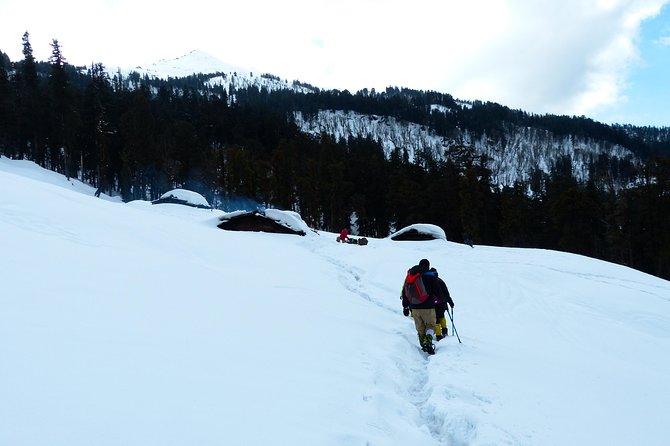
- Camping setup is handled for you: tents, sleeping bags, mattress, and toilet tents are included.
- You get a real summit day: Kedarkantha Peak rises from about 11,250 ft to 12,500 ft before you descend again.
- Forests do the heavy lifting early: dense pine and oak walks break up the climb and keep things interesting.
- Multiple camp nights under clear skies: tea breaks and star-gazing moments are part of the rhythm.
- Wildlife is part of the deal: keep your eyes open for boars, martens, and hares in their natural habitat.
- It’s a private group experience: only your group participates, which usually means fewer delays and more flexibility.
Kedarkantha Trek in plain terms: what you’re really buying
For $235, you’re not just buying “hiking.” You’re buying a full small-team outdoor system: transport to the trail, camping infrastructure, guided pacing, a first aid kit on hand, and meals timed around the route. That matters because the real cost of treks often isn’t the climb—it’s what happens around it: gear, food, toilets, and getting to the start in time.
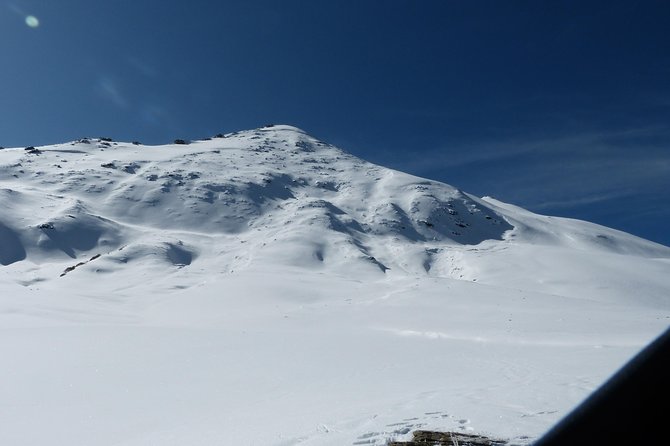
Kedarkantha is also a peak hike with a clear payoff. You’ll spend days moving through forests and valley trails, then you’ll face a steeper summit push. If you like the idea of earning wide views, with comfort waiting after you stop walking, this format fits well.
Day 1: Dehradun at 6:30 am, then a long run to Sankri
The trekking experience starts in Dehradun, where you’re met at 6:30 am for the onward road journey. Sankri is about 220 km away via National Highway 123, and the schedule lists this as a long day (around 14 hours).
This is the day I’d plan for mentally. Bring layers for the ride, keep your hydration steady, and consider something for motion comfort if you’re sensitive. The upside is that once you reach Sankri, the trip “locks in” and you’re fully in mountain mode—no last-minute searching for basics.
Also note the simplicity on the tech side: you get a mobile ticket, and pickup is offered. That usually helps reduce the chaotic scramble that can happen at the start of group adventures.
Sankri to Juda (4 km) at around 9,100 feet
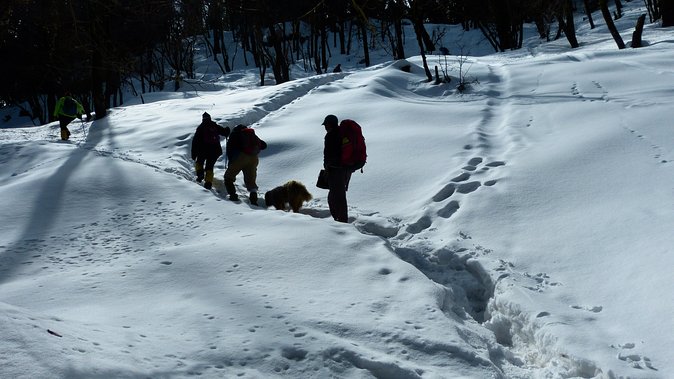
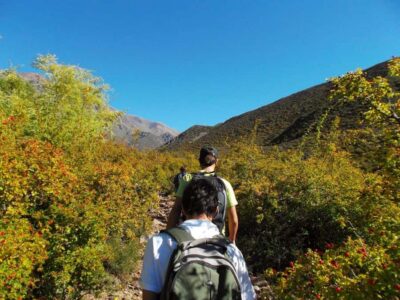
On Day 2, the actual trekking starts from Sankri. After breakfast, you walk toward Juda, which is listed at an altitude of 9,100 feet. The trek portion here is about 4 km, described as a straightforward start.
Think of this leg as your adjustment step. It’s short enough to build confidence, but it still gets you out of the road-world and into the rhythm of your boots on trail. It’s also a good day to practice your pacing—slow, steady, and breathing calm—because the summit day will ask more from your legs.
If you’re trekking in cooler seasons, start earlier on your own schedule: warm up right away. You’ll waste less energy and feel less stiff when the trail tilts.
Juda to Kedarkantha Base Camp (4 km in about 2.5 hours)
Day 3 is where the trip starts feeling properly “trekking.” After breakfast, you continue from Jadu toward Kedarkantha Base Camp. This route is also listed at 4 km, taking around 2.5 hours at a moderate pace.
This day is a sweet spot. You get enough walking to feel progress, but it’s not so long that you arrive drained and cold. Base camp also sets expectations for what’s next: camp life, night skies, and the mental work of preparing for the summit push on Day 4.
One of the quiet wins here is the gear package. Since tents and sleeping bags are included, you’re not negotiating with cold air and wet fabric the moment you arrive. You’re focused on settling in, eating well, and sleeping enough to feel human on the next ascent.
Summit day: from 11,250 to 12,500 ft, then back to camp
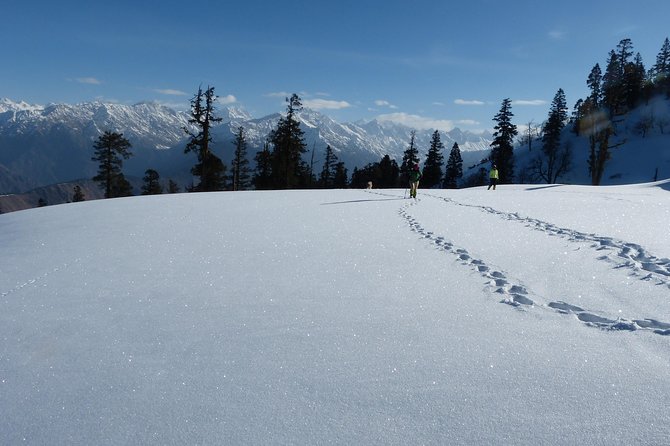
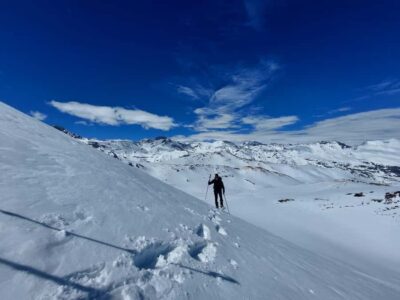
Day 4 is the big one. You go up from about 11,250 feet to 12,500 feet, hiking to Kedarkantha Peak, then descending again to Hargaon Camp.
The summit push is described as steep, and even with guidance, steep days demand respect. Your best strategy is boring on purpose: slow climbs, short stops, and steady breathing. If you sprint early, the mountain will collect that debt on the way down.
After the summit, the descent matters just as much. Your route continues down to camp, and in these kinds of hikes, your quads and knees are the limiting factor. Good trekking technique and taking your time on rocky bits can turn a tough day into a manageable one.
The Har ki Dun valley views (and why forests matter)
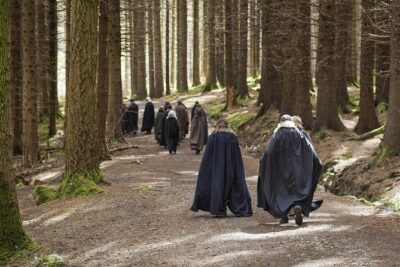
A core highlight is the view over Har ki Dun valley. You’re hiking through dense pine and oak forests, which does two practical things: it breaks up the hike visually, and it gives you a more sheltered feel than open slopes.
That forest walking is also why the trek feels more than just “reach the peak.” You’re living in a moving panorama—streams, green hills, and changing trail texture—until you finally gain the altitude where the valley opens up.
Wildlife is part of the experience too. Keep watch for boars, martens, and hares, and remember that the best wildlife spotting is the kind where you don’t chase or crowd animals. If you hear movement, stop briefly, look quietly, and let the trail continue.
Camp life: stars, tea, toilets, and staying warm
The route is paced around camp nights, and that’s not a small detail. You’ll overnight in camp settings, with time to relax and enjoy stars in a clear sky. The tour also includes tea moments, which can be more valuable than they sound—warm drinks are a morale tool when the air turns sharp.
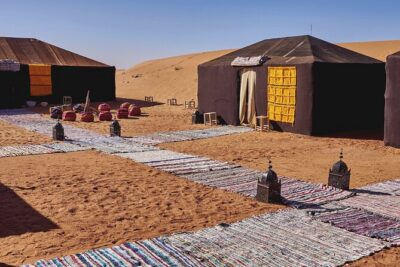
The camping inclusions are practical and worth spelling out: tents, sleeping bags, toilet tents, and mattresses. Having a toilet tent isn’t glamorous, but it’s the difference between a comfortable night and a miserable one.
Food is another comfort lever. Inclusions list 4 breakfasts and 4 dinners, plus 3 lunches. Day 1 does not include breakfast and lunch, so you’ll want to plan for that morning before you’re fully in the trek schedule. On colder nights, eating on time matters—your body can only warm itself if you’re giving it fuel.
Water guidance is mentioned (you can fill water on the way during descent), but exact methods and purification aren’t listed here. I’d still treat water like a “check first” situation and follow the guide’s instructions on where you can safely refill.
Price and value: what $235 covers, and what it doesn’t
At $235 for about 5 days, the price works best when you’re comparing it to what you’d have to assemble yourself. This package includes:
- private transportation plus parking fees
- camping equipment (tents, sleeping bags, mattress, toilet tents)
- first aid kit
- forest fee
- meals: 4 breakfasts, 4 dinners, 3 lunches
That’s a lot of cost categories rolled together. If you were renting gear, hiring local support, and paying for transportation separately, the total typically climbs fast—especially once you factor in camp infrastructure.
What’s not included is also clear. GST isn’t included, Day 1 breakfast and lunch aren’t included, and travel expenses to and from Dehradun, plus personal and medical insurance, are on you. If you already live near Dehradun, this becomes a better value. If you must fly in, add those costs before deciding.
Also remember: you’re on a private tour/activity, meaning you’re not sharing with strangers from across the country. That can be great for comfort, pace, and avoiding the usual group chaos.
Who should book Kedarkantha, and who should reconsider
This trek fits you if you:
- can handle moderate physical fitness
- enjoy multi-day walking with camp nights
- want guides and gear handled so you can focus on the hike and views
- like the idea of steep summit effort followed by rewarding descent
You might think twice if:
- you dislike long road travel days (Day 1 runs about 14 hours)
- you have knee issues or need very gradual descents (the return from the summit involves downhill time)
- you expect everything to be lightweight and minimal—this is “camping included,” not “pack light and go.”
It also supports small practical needs: service animals are allowed, and it’s near public transportation (though the trek itself is in the mountains).
Should you book Outdoor Monks for Kedarkantha?
I’d book this trip if you want a structured Kedarkantha experience where camping gear, meals, and trail support are built in. The strongest value signals are the camping inclusions and the fact that you’re moving day by day toward a peak viewpoint over Har ki Dun valley—rather than doing everything in a rush.
Before you click confirm, do two simple checks:
- Make sure you’re truly comfortable with a long Day 1 road schedule and the steep summit day.
- Plan for Day 1 meals, since breakfast and lunch are not listed as included.
If that matches your travel style, Outdoor Monks’ Kedarkantha Trek is a smart, practical way to do one of the region’s most rewarding mountain hikes.
FAQ
What’s the starting point and pickup time?
The trek begins in Dehradun, where participants are received at 6:30 am for onward travel to Sankri by road.
How long is the Kedarkantha Trek?
It’s listed as approximately 5 days.
How much does the tour cost?
The price is $235.
What meals are included?
The package includes 4 breakfasts, 4 dinners, and 3 lunches. Breakfast and lunch on Day 1 are not included.
What camping gear is provided?
Camping equipment is supplied, including tents, sleeping bags, toilet tents, and mattresses.
Is there a minimum fitness level?
You should have a moderate physical fitness level.
Is this a private tour?
Yes. It’s described as a private tour/activity, and only your group will participate.
Can I cancel and get a refund?
You can cancel up to 6 days in advance for a full refund. Canceling 2–6 days before gives a 50% refund, and canceling less than 2 days before is not refundable.