REVIEW · LOMBOK
Rinjani Trekking 3D2N Summit – To The Spectacular Views
Book on Viator →Operated by Rinjani Sunrise · Bookable on Viator
Rinjani moves fast, and it treats you well. This short-route Mount Rinjani trek is built to hit the big highlights without dragging on for a week: both crater rim viewpoints, Segara Anak Lake, and time to soak in the natural hot spring, with waterfall breaks in Senaru. I like the way the trip is structured for momentum, not wandering—start in Sembalun, finish in Senaru, and keep your days packed with the places people actually travel for.
Two things stand out as big wins: the included guide and porters (so you’re not juggling logistics while your legs do the hard work), and the fact you sleep close to the action with camping gear provided for cold mountain nights. A possible drawback: the route is physically demanding, and the tour asks for a strong fitness level—this is not a casual hike, even though it’s shorter than many other Rinjani options.
You also get a human touch from the guiding team. In past groups, people have been guided by professionals like Muliadie and Yos, with porters named Mr Ein and Mr Ahmad, and pre-trip communication coordinated by Mus. If you want an experience that feels organized but still responsive, that track record matters. Just be ready for a hike that earns every sunrise view.
In This Review
- Key Things You’ll Notice
- The Short Trek That Still Hits the Big Rinjani Moments
- Where It Starts: Pickup, Senaru Sleep, and the 8:00 AM Kickoff
- Day 1: Get Oriented and Set Your Body Up for the Climb
- Day 2: Sembalun Village and the Crater Rim Realities
- Day 3: The Hard Day Payoff—Senaru Rim, Segara Anak Lake, and Hot Spring Recovery
- Day 4: Finish in Senaru, Then Let the Waterfalls Reset Your Eyes
- Camps, Food, and Porters: The Value Hidden in the Details
- Price and Value: Is $291 Fair for This Much Rinjani?
- Who This Trek Fits Best (and Who Should Think Twice)
- Should You Book This Rinjani 3D2N Summit Trek?
- FAQ
- How long is the trek?
- Where does the trek start and where does it end?
- What time does the tour start?
- Is pickup included?
- What’s included in the price?
- What isn’t included?
- Are there waterfall stops?
- What happens if weather is bad?
Key Things You’ll Notice
- Sembalun to Senaru end-to-end trekking: no backtracking, so your time moves forward.
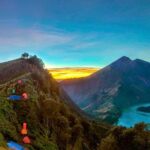
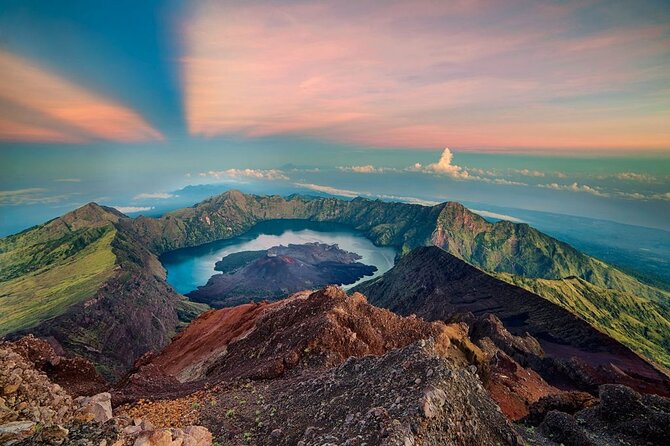
- Crater rims on both sides: Sembalun rim views plus Senaru rim camping for maximum contrast.
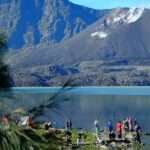
- Segara Anak Lake and the hot spring: big scenery plus a real payoff after the climb.
- Senaru waterfall time: Sindang Gile and Tiu Kelep are included in the Senaru-side experience.
- Camping with gear handled: you’re responsible for yourself, not for assembling a mountain setup.
- Full-board trek meals and no-limit water: fewer worries when the days get long and cold.
The Short Trek That Still Hits the Big Rinjani Moments
Mount Rinjani is one of those places where the checklist matters. You don’t want to spend days just getting to a single viewpoint and then turn around. This trek is designed as the quickest path to the core experiences, keeping the route compact while still allowing the classic Rinjani hits.
The overall arc is simple: you trek from Sembalun and finish in Senaru Village, while aiming for the summit area and then working across the dramatic crater landscape. Along the way, you spend time at the rim viewpoints (Sembalun and Senaru), visit Segara Anak Lake, and finish with relaxing time in the natural hot spring. Then, you add waterfall sights around Senaru—Sindang Gile and Tiu Kelep—for a change of pace from volcano terrain.
The best part is how the trip pairs effort with reward. The hard sections don’t drag on without payoffs, and the softer moments (hot spring, waterfalls, village time) aren’t treated like a random add-on. They feel like part of the rhythm: hike hard, see something huge, then recover properly.
You can also read our reviews of more tours and experiences in Lombok.
Where It Starts: Pickup, Senaru Sleep, and the 8:00 AM Kickoff
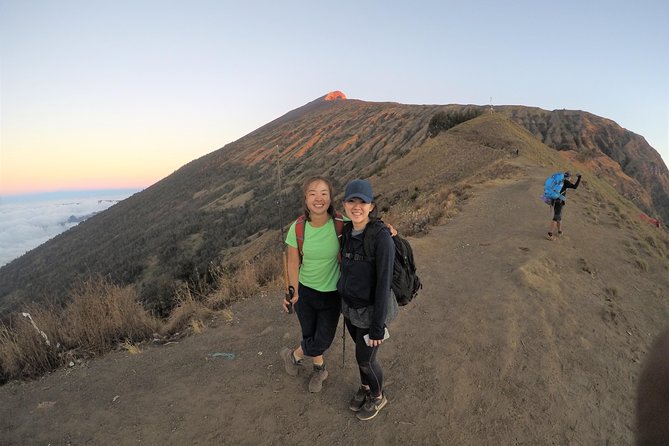
Logistics on Rinjani can be the difference between enjoying the experience and spending the first day stressed. This package includes transfer in/out, plus a pickup service that starts at 8:00 am at the meeting point (as listed for the trip). That matters because you want your day to begin with motion, not uncertainty.
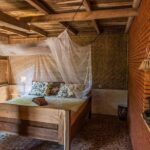
Also pay attention to the included “warm-up” night: you get one night accommodation in Senaru a day before the trek. In practical terms, this lets you settle into the Senaru side before the climbing begins. It’s a smart setup if you’re coming from Lombok or coordinating other travel plans, because you’re not rushing straight into the mountain the moment you arrive.
You’ll also have luggage storage during the trek. That sounds like a small detail until you’re carrying stuff you don’t need at altitude and then wishing you could drop it. Here, you can keep your focus where it belongs: the climb and the changing views.
Day 1: Get Oriented and Set Your Body Up for the Climb
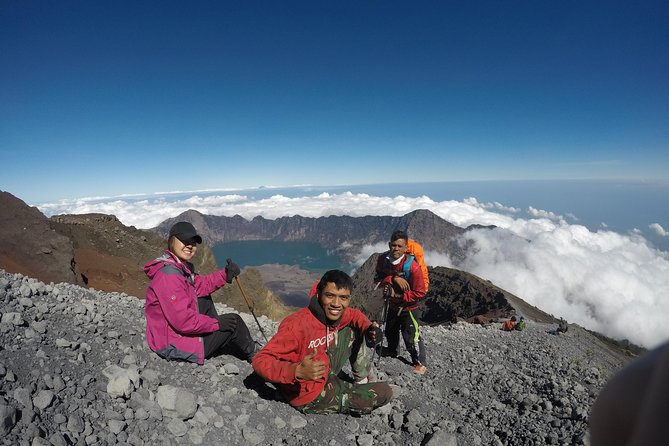
Day one is about setting the frame. You’re picked up, transferred, and positioned for the walking days ahead. The key benefit is mental: you start the trekking days already knowing where you are and what happens next.
Because the trek includes full-board meals and camping gear, you don’t have to spend your energy figuring out what to carry or how to prepare the basics. Your priority becomes packing smart—especially since the trip notes that a small bag/daily pack isn’t included. So you’ll want a personal pack for the essentials you’ll access during the hike.
This is also where a good guide’s planning shows. In past groups, communication and coordination were described as easy through WhatsApp and email with someone like Mus, which usually translates into fewer surprises when you’re meeting the team and getting your gear organized.
Day 2: Sembalun Village and the Crater Rim Realities
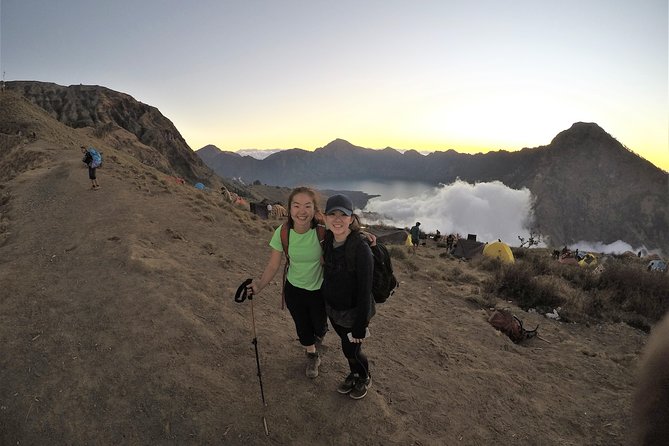
The trek’s magic starts with the Sembalun side. Sembalun Village is included, and it works as your launchpad into Rinjani country—moving from a human-scale village into volcanic terrain and colder mountain air.
What you’re really doing today is building elevation and context at the same time. You’re not just walking because you have to. You’re walking into a place where the crater landscape opens up and forces you to pay attention: to routes, to weather, and to the big visual changes as you move toward rim areas.
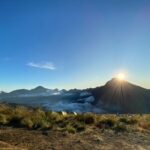
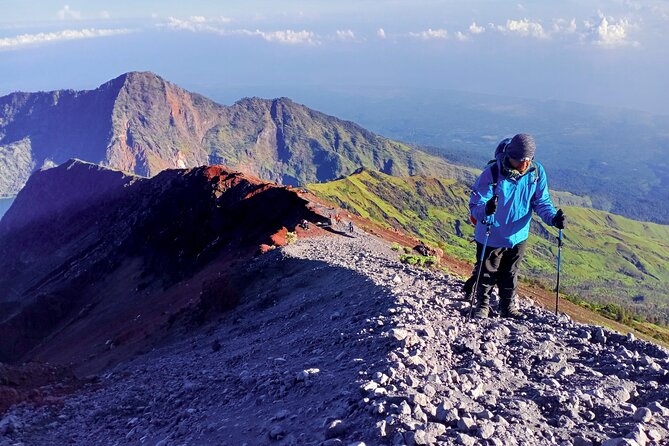
One thing I appreciate about this style of trek is how it treats the rim viewpoints like the main event, not a side stop. The plan includes reaching the Sembalun crater rim, and camping puts you close enough to enjoy those views in the conditions that make volcano mornings special—when the air can feel sharp and the world looks staged.
A reality check: this is still tough hiking. The trip is described as requiring a strong physical fitness level, and the climb is framed as challenging in group feedback. That doesn’t mean it’s impossible—it means you shouldn’t pretend it’s easy.
Day 3: The Hard Day Payoff—Senaru Rim, Segara Anak Lake, and Hot Spring Recovery
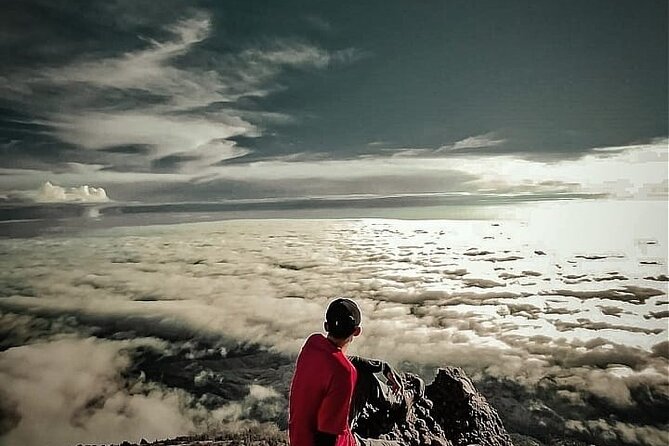
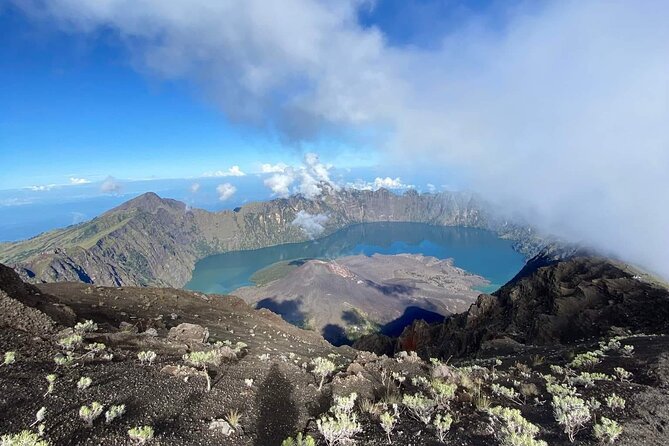
This is where the trek earns its reputation. You’re pushing through the dramatic crater area, reaching the Senaru crater rim, and working toward Segara Anak Lake. Seeing the lake from the rim is a classic Rinjani moment because it changes the whole mood from volcanic rock and elevation to an interior crater world that feels like it belongs on a different planet.
And then you get the recovery component built in: soaking in the natural hot spring. That is not a random luxury. After a tough day of hiking, your body wants heat and relief. The hot spring gives you a built-in decompression moment so you don’t finish the trek feeling wrecked in the final stretch.
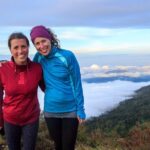
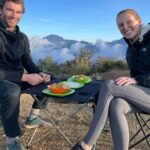
Food and camp support matter here. The trip includes camping equipment, full-board meals during the trek, and no-limit drinking water, which are exactly the things you need when your energy drops and the temperature can bite at night. People have specifically praised the cold-weather comfort of the camp setup, and that tracks—on a volcano schedule, warm sleep isn’t optional.
Day 4: Finish in Senaru, Then Let the Waterfalls Reset Your Eyes
The trek ends in Senaru Village, which is a good finishing point because it gives you an immediate change of scenery. And Senaru isn’t just a departure lounge—it’s where the experience adds the waterfall contrast.
This package includes access to two major waterfall stops in Senaru:
- Sindang Gile Waterfall
- Tiu Kelep Waterfall
In practice, these waterfalls give you a welcome shift from crater views and trekking effort. You’re still outdoors, still moving, but you’re not staring at elevation on your watch the whole time. Instead, you’re letting your eyes reset on moving water and the shaded forest-canyon feel that comes with it.
It’s also a practical pacing decision. Finishing your trek with waterfalls feels like your body gets to recover while your brain still gets to celebrate. That’s a rare combo on multi-day hikes.
Camps, Food, and Porters: The Value Hidden in the Details
When you’re paying for a trek like this, the big question is usually: what are you buying beyond a route on a map? Here, you’re buying a system.
You get:
- Guide and porters
- Camping equipment
- Full-board meals
- No-limit drinking water
- Luggage storage
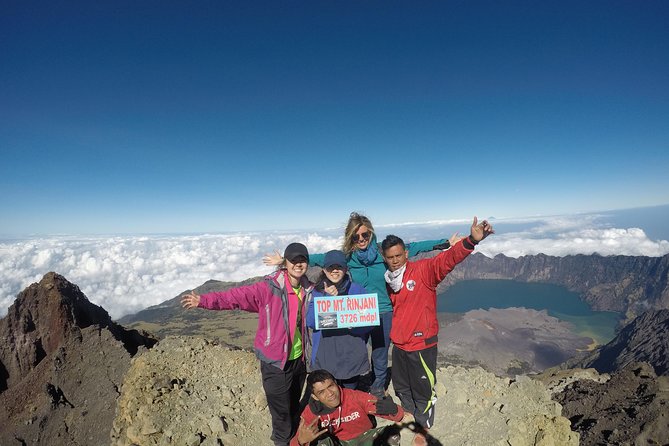
That’s a lot of “invisible labor,” and it’s exactly what keeps you from spending the trip managing problems. With porters, you don’t have to do everything solo while you’re hiking uphill and adjusting to cold nights. With a guide, you’re navigating a route that can be physically unforgiving if you lose time or confidence.
People have also called the guides professional and helpful with pacing adjustments—one group credited their guide with support to adjust plans as needed during the trek. Even if the scenery is the headline, that flexible problem-solving is the part that makes the trip feel smooth.
Food is another underrated value point. The trek provides full board meals, and group feedback highlighted big portions and good quality during the hike. When meals are handled, you can focus on staying warm, keeping hydrated, and moving forward.
Price and Value: Is $291 Fair for This Much Rinjani?
At $291 per person, this doesn’t look like a bargain on paper. But on Rinjani, the true cost drivers are guides, porters, meals, camping equipment, and transport. When those basics are included, you’re paying for fewer things you’d otherwise have to coordinate yourself.
This is why the price feels reasonable for what you’re getting:
- Transfers in/out are included
- Entrance fees are included
- Camping equipment is included
- Guide + porters are included
- Full-board meals are included
- Water is included without limits
- You also get one night accommodation in Senaru before the trek
The items not included are also typical: flight ticket, a small daily pack, and tips for guide and porters. If you’re already traveling in Lombok and you don’t need to hire separate transport and gear, this package becomes even better value.
The big “value check” for you is fitness and expectations. If you want a serious summit-focused trek with crater rim time and lake/hot spring recovery, this format is efficient. If you want something slow, scenic-only, and easy, the price won’t fix the mismatch.
Who This Trek Fits Best (and Who Should Think Twice)
This trek is best for you if you:
- Have strong physical fitness and are comfortable with a challenging hike
- Want a shorter schedule that still includes crater rims, lake, hot spring, and Senaru waterfalls
- Like structured support: guide, porters, meals, water, camping equipment, and luggage handling
You might think twice if:
- Your fitness level is more moderate and you’re worried about altitude-style effort and cold-weather nights
- You’re expecting a relaxed walking holiday. This is a working trek. The views are huge, but the body work is real.
Also, this is a private tour/activity meaning your group participates on its own. That’s great if you want attention from the guide and a pace that matches your group’s needs, without the pressure of fitting into a larger mixed crowd.
Should You Book This Rinjani 3D2N Summit Trek?
I’d book if your goal is a serious Rinjani experience with the main highlights packed into a short format: Sembalun and Senaru rim views, Segara Anak Lake, natural hot spring, and the Senaru waterfall pair (Sindang Gile and Tiu Kelep). The inclusion of guide, porters, meals, camping gear, transport, and water makes the price feel fair for what’s actually being delivered.
I’d hesitate if you’re not ready for physical strain. You’ll get rewards, but you’ll also pay in sweat and sore legs. If your fitness is strong and you want a focused, efficient way to see Rinjani’s best angles, this trek is a solid choice.
FAQ
How long is the trek?
The package is described as 3D2N, but the full experience runs about 4 days with 3 nights. The schedule includes pickup and then multiple hiking days ending in Senaru Village.
Where does the trek start and where does it end?
You start from Sembalun and finish in Senaru Village.
What time does the tour start?
The meeting time is listed as 8:00 am.
Is pickup included?
Yes. Transfer in/out and pickup service are included.
What’s included in the price?
Included items are entrance fees, camping equipment, full board meals during the trek, guide and porters, luggage storage during the trek, one night accommodation in Senaru a day before the trek, and no-limit drinking water.
What isn’t included?
Not included: flight ticket, a small bag/daily pack, and tips for the guide and porters.
Are there waterfall stops?
Yes, waterfall visits in Senaru include Sindang Gile and Tiu Kelep.
What happens if weather is bad?
This experience requires good weather. If it’s canceled due to poor weather, you’ll be offered a different date or a full refund. It is also listed as non-refundable and cannot be changed for any reason, so don’t count on making personal adjustments.