REVIEW · MU CANG CHAI
Full Day Private Trekking Mu Cang Chai
Book on Viator →Operated by Indigenous Adventure · Bookable on Viator
Mu Cang Chai is a living postcard. This full-day private trekking tour helps you connect the dots between La Pán Tẩn and Mu Cang Chai rice terraces, with a H’mong guide who explains what you’re seeing as you hike.
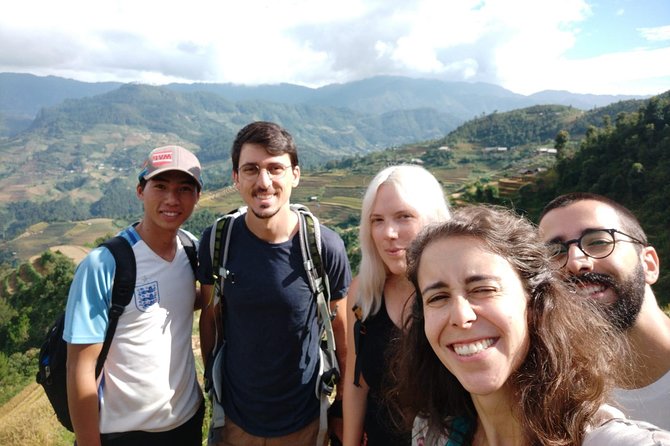
I love the small group cap of 12—it turns the day from a photo run into real conversation. I also love the included authentic local lunch and bottled water, so you can focus on walking instead of hunting for food halfway up.
The main consideration is effort: you’ll want moderate physical fitness, and the experience depends on good weather.
In This Review
- Key things to know before you go
- Why Mu Cang Chai Rice Terraces Feel Different in Real Life
- Private Trekking with a Small Group: The Real Value
- Your Day at a Glance: Transfers, Trail Time, and Village Stops
- Đồi Mâm Xôi and the Viewpoints You’ll Want to Earn
- H’mong Village Life Along the Way: What You Can Actually See
- Headwater and Waterfall: A Scenic Break from Terrace Views
- Lunch in Nature: Simple, Included, and Actually Timed Right
- Pace, Fitness, and What to Pack for a 7–8 Hour Hike
- Price and Value: Is $80 Fair for This Kind of Day?
- Who Should Book This Trek (and Who Might Skip It)
- Should You Book the Full Day Private Trekking Mu Cang Chai?
- FAQ
- FAQ
- How long is the Full Day Private Trekking Mu Cang Chai experience?
- Is pickup or transfer included?
- What group size should I expect?
- What’s included in the price?
- Where does the tour start and end?
- What sights will we see during the hike?
- What fitness level do I need, and what if the weather is bad?
Key things to know before you go
- Capped at 12 for better guide interaction (not a big cattle-call hike)
- English-speaking H’mong guide who explains terrace life, not just scenery
- Stops built around major viewpoints like Đồi Mâm Xôi (Raspberry Hill)
- Local lunch + bottled water included to keep your pace comfortable
- 2-way transfers from La Pán Tẩn hotels and homestays so you can spend energy on the trail
- Private format means only your group participates
Why Mu Cang Chai Rice Terraces Feel Different in Real Life
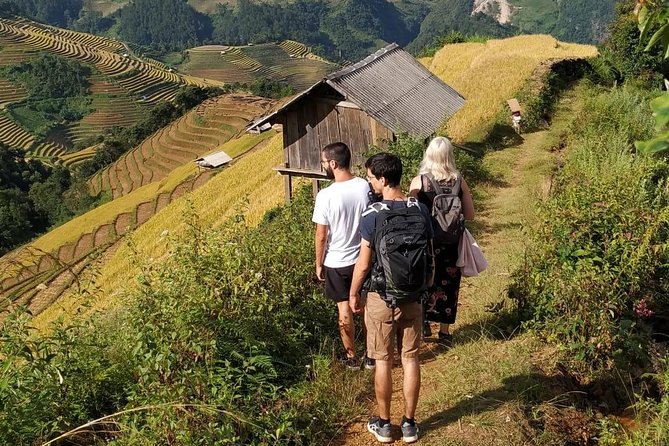
Mu Cang Chai’s rice terraces don’t work like a museum display. Up close, they’re made of thousands of human decisions: where water goes, how paths follow the slope, and how families shape the hillsides year after year.
This trek is useful because it focuses on people and place at the same time. You’re not only walking between viewpoints. You’re also getting context—how H’mong families live high in the mountains and how terrace work fits into daily routines and seasonal cycles. That’s what turns green steps on a map into something you actually understand.
You’ll be moving through La Pán Tẩn and Mu Cang Chai terrain, with stops that help you see how the terraces change from one angle to the next. Even if you’ve seen rice-terrace photos online, you’ll likely notice how the texture and scale look different when you stand there and take a few slow breaths.
You can also read our reviews of more tours and experiences in Mu Cang Chai.
Private Trekking with a Small Group: The Real Value
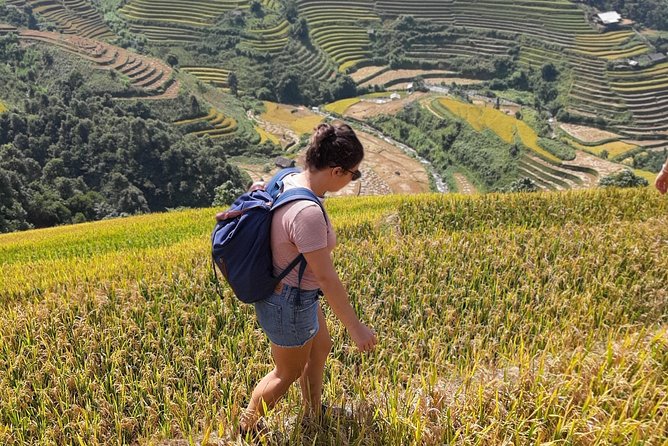
The pricing is tied to something you’ll feel on the ground: time with your guide. A group capped at 12 keeps questions from getting lost. It also means the pace can fit the landscape rather than the fastest person in the group.
Private format adds another layer: it’s not a shared scramble with strangers if you’re booking as a private tour/activity. Your group stays together, and the guide can adjust explanations on the fly—especially when you pass homes, fields, and everyday work.
I also like that the tour is planned as a full-day experience with meals and transfers built in. That matters here because this is a region where roads and signage aren’t exactly your best friend. A local guide helps you avoid the tourist version of the day and pushes you toward the local version.
And yes, the guide is English-speaking. In a place like this, that can make the difference between seeing terraces and understanding terrace life.
Your Day at a Glance: Transfers, Trail Time, and Village Stops
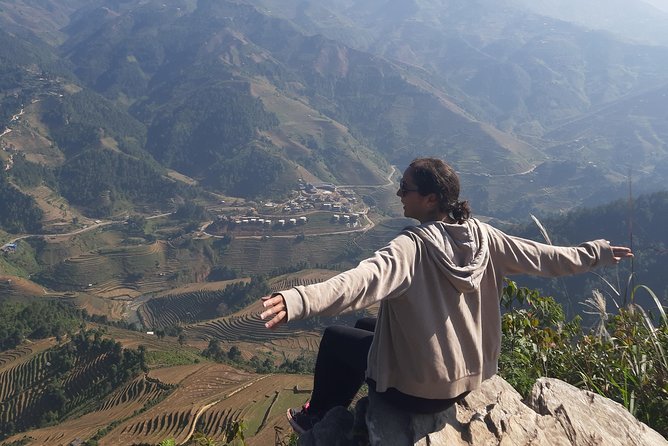
The tour runs about 7 to 8 hours, so plan it like a real day out, not a quick half-day photo detour. You’ll start from the meeting point area around Mu Cang Chai Center homestay & Tours La Pán Tẩn, then get moved to where the trek begins.
From La Pán Tẩn, the tour includes 2-way transfers from your hotel or homestay. That’s a practical win. It means you don’t need to negotiate your own ride after a long hike, and you can pack your attention for the terrain instead of logistics.
Once on the trail, expect a mix of:
- terrace walking with viewpoint breaks
- village and field moments where you can see daily life up close
- a lunch stop included during the day (more on that next)
If you’re the kind of traveler who likes a “structured wandering” day—where you get direction but also time to look—this format fits well.
Đồi Mâm Xôi and the Viewpoints You’ll Want to Earn
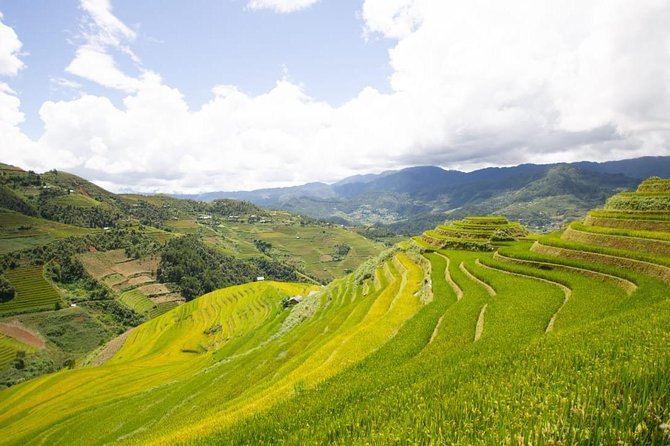
One of the best parts of this trek is how the stops are arranged around big viewpoints. You’ll visit iconic areas like Đồi Mâm Xôi (Raspberry Hill), plus additional viewpoint moments tied to both La Pán Tẩn and Mu Cang Chai.
Here’s why I think this is the right strategy: rice terraces change with light and position. A viewpoint isn’t just a spot to stand. It’s where you finally understand the geometry—how the terraces stack, how water routes across layers, and how the hills open up to distant mountain shapes.
When conditions are good, sunny or clear weather makes a huge difference. You’ll get those long, layered views people come for. When weather is flat, you still get the experience, but your “fairy tale” effect will be quieter. That’s not a problem with the tour; it’s just the mountains reminding you who’s in charge.
Pro tip for enjoying viewpoints: don’t rush to be the person who gets the perfect photo. Spend a minute watching how the terrace lines move across the slope. Then take the photo after your brain catches up.
H’mong Village Life Along the Way: What You Can Actually See
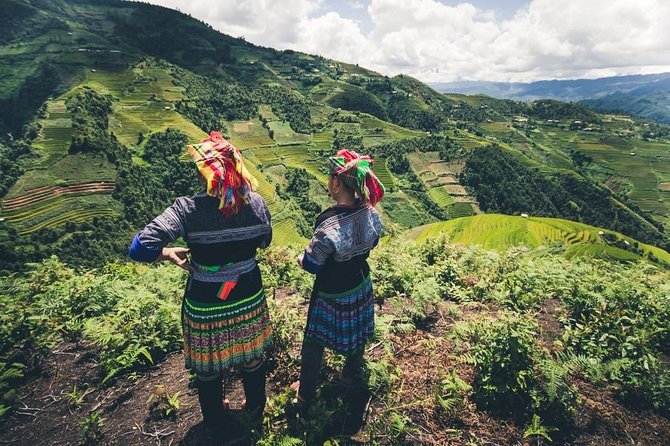
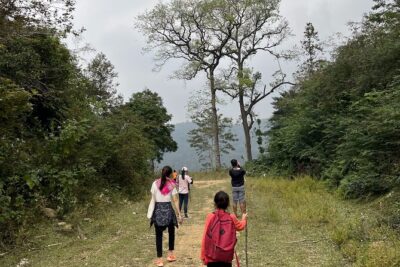
This trek doesn’t treat village life as a roadside stop. You’ll walk through H’mong villages and see people working in and around the fields. That includes everyday scenes like tending animals (including buffalo) and doing home-based work such as sewing.
Season affects what you might witness. In the right season, you could see farming activities like planting or harvesting rice by hand. Even if you’re not there at peak labor time, the guide’s explanations help you connect what you see—fields, homes, tools, and routines—to how terrace agriculture works.
This is where your H’mong guide earns their spot on the itinerary. A guide like Yien, who leads the experience with English explanations, can turn what would be quick photo moments into a meaningful walkthrough of how terrace life functions day to day.
One more thing I like: the tour builds in time to slow down and notice. You’re not only sprinting between terrace angles. You’re also watching mountain life unfold at walking pace.
Headwater and Waterfall: A Scenic Break from Terrace Views
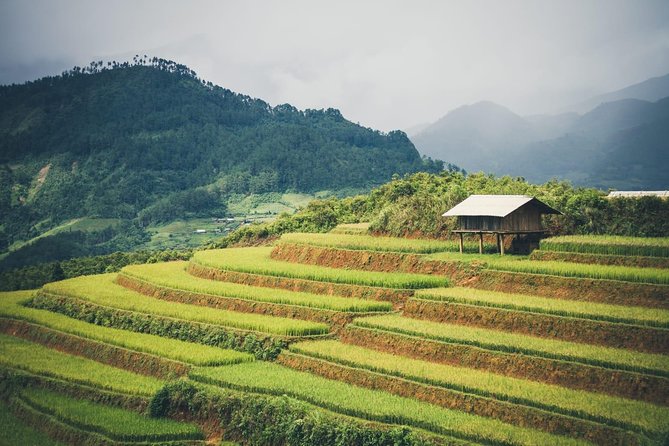
Between the big rice-terrace viewpoints, the route also includes the headwater area and a waterfall stop. These parts are worth it because they change the mood.
Terraces are all about structured steps and carefully directed water. When you get to a headwater, you see the source logic behind the whole system. And when you reach a waterfall, you get a cooler, louder contrast to the rice fields—something that helps you reset before the next stretch of hiking.
Also, a waterfall stop is a good reminder that this region isn’t just about agriculture. It’s a mountain ecosystem where water shapes everything, from fields to paths.
If you’re worried about endurance, these natural breaks can help you pace yourself. Even short pauses where you can breathe and cool down make a long day feel more manageable.
Lunch in Nature: Simple, Included, and Actually Timed Right
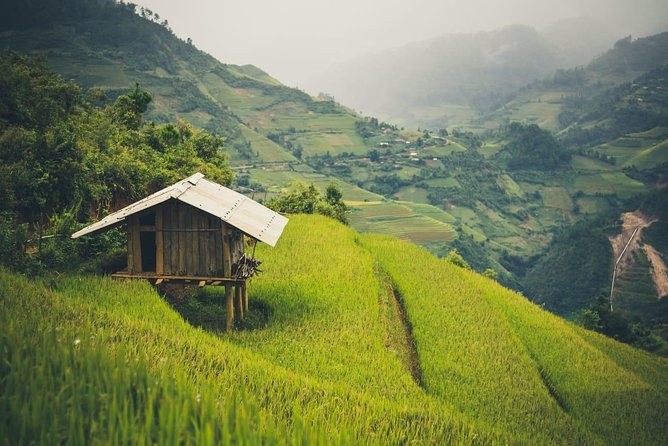
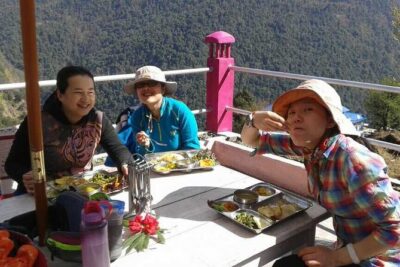
Lunch is included, along with bottled water. That sounds basic, but in practice it’s one of the best value points in the day. When hiking runs long, hunger is what forces poor decisions—like grabbing a random snack late and then losing energy before a viewpoint.
With lunch handled, you can keep a steadier pace and save your energy for the trail. The tour is designed for a full-day rhythm: walk, pause for key scenes, eat, then keep going.
The lunch is described as an authentic local meal. That’s exactly what you want here. Rice terraces are already local. The best meal doesn’t need to be fancy—it needs to be compatible with hiking and tied to the region.
If you’re someone who dislikes heavy meals while walking, consider eating at an easy pace and leaving yourself time to digest before you head back out.
Pace, Fitness, and What to Pack for a 7–8 Hour Hike
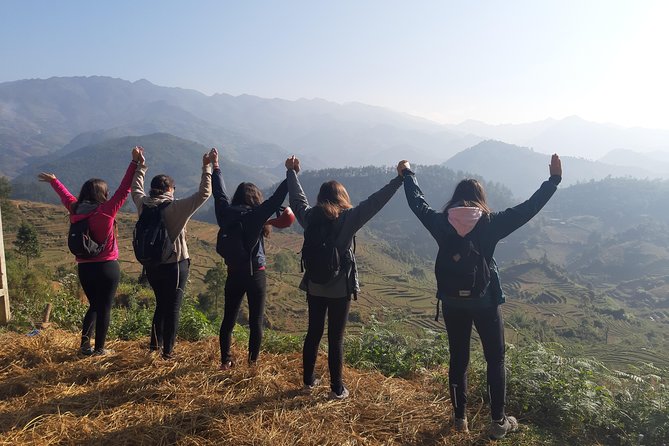
This experience lists moderate physical fitness as the expectation. That’s a helpful clue. It’s not pitched as a casual stroll, but it also isn’t described as extreme mountaineering. The terrain is the challenge: steep terrace edges, uneven footpaths, and lots of walking with viewpoint breaks.
So think in terms of stamina plus footing. You’ll do better if you wear shoes with grip and plan to walk carefully on slopes.
Weather matters here too. The tour requires good weather. If conditions are poor, the experience may be canceled and you’ll be offered another date or a full refund. This is a normal reality for hiking in northern Vietnam, but it does mean you should avoid booking this as a “last-minute hope” on your tightest schedule.
What to pack is not spelled out in the details you provided, so I’ll keep this practical rather than speculative:
- wear comfortable trekking shoes
- bring a light layer for mountain air changes
- carry sun protection and water habits in mind (water is included, but you still might want personal comfort items)
Price and Value: Is $80 Fair for This Kind of Day?
At $80 per person, this tour sits in the “more than a bus-and-ticket” category. You’re paying for a private trekking setup with a guide, included entry, and an all-day structure that includes lunch and transfers.
Here’s how that can be good value for you:
- The English-speaking H’mong guide is central. Without local help, it’s easy to lose the meaning of what you’re walking through.
- A small group cap (12) helps you get explanations instead of just being herded along.
- Lunch + bottled water are included. In a full-day hike, that reduces extra spending and keeps you from getting worn out.
- 2-way transfers from La Pán Tẩn hotels/homestays remove a common headache.
One extra planning signal: this tour is typically booked about 77 days in advance on average. That suggests demand. If Mu Cang Chai is on your northern Vietnam itinerary and your dates matter, earlier booking can reduce stress.
Who Should Book This Trek (and Who Might Skip It)
This tour makes a lot of sense if you:
- want rice-terrace views but also care about the people behind them
- like hiking with guidance and story-based context
- prefer small groups and English explanations
- appreciate included basics like lunch and transfers
It might be less ideal if you:
- dislike moderate hiking or uneven paths
- are trying to squeeze the day into a tight schedule where you can’t handle weather changes
- expect a purely casual, no-thinking walk with minimal effort
If you’re a solo traveler, small-group structure still helps, but the key is your willingness to walk for 7–8 hours with viewpoint breaks.
Should You Book the Full Day Private Trekking Mu Cang Chai?
My simple take: if you want Mu Cang Chai to feel like a real day in the mountains—not just a photo checklist—this is a strong bet.
The combination that sells me on booking is practical: a guide who explains terrace and village life (including English support), a group size capped at 12, and a full-day plan with lunch and transfers. That setup helps you spend more time looking and less time figuring out how to move around.
Book it if you can do a moderate hike and you’re flexible enough for good-weather conditions. Pass or reconsider if your fitness level is low or you can’t tolerate itinerary changes tied to mountain weather.
FAQ
FAQ
How long is the Full Day Private Trekking Mu Cang Chai experience?
It runs about 7 to 8 hours.
Is pickup or transfer included?
Yes. The experience includes 2-way transfers from La Pán Tẩn hotels and homestays, and there is hotel pickup at the start in the Mu Cang Chai area to reach the trekking point.
What group size should I expect?
Numbers are capped at 12 travelers for quality guide interaction, and it’s private in the sense that only your group participates.
What’s included in the price?
Lunch, bottled water, entry/admission, and a local tour guide who speaks English are included.
Where does the tour start and end?
It starts at Mu Cang Chai Center homestay & Tours La Pán Tẩn and ends back at the same meeting point.
What sights will we see during the hike?
You’ll hike through rice terraces and visit viewpoint areas such as Đồi Mâm Xôi (Raspberry Hill), plus stops connected to the headwater and a waterfall.
What fitness level do I need, and what if the weather is bad?
The tour expects a moderate physical fitness level. It also requires good weather; if it’s canceled due to poor weather, you’ll be offered a different date or a full refund.