REVIEW · CUSCO
Salkantay Trek: 5 Days to Machu Picchu
Book on Viator →Operated by Tierras Vivas · Bookable on Viator
Machu Picchu without the Inca Trail crush. This Salkantay Trek is a great way to reach Machu Picchu while spending more of your time on open trails and changing ecosystems instead of queue lines. I love how small-group guiding (max 12) keeps the hike personal, and I also like that the company brings real camp support, from a professional cook to the gear you need for cold nights.
One thing to take seriously: this route is physically demanding and altitude is real. Even with an organized crew and options to modify your pace, the big push is the high pass at Abra Salkantay (about 4,650 masl), and mosquitoes can show up later in the trek for some hikers.
In This Review
- Key highlights before you go
- Why the Salkantay route feels different than the Inca Trail
- Price and what $909 buys you (and what it doesn’t)
- Getting oriented in Cusco: the pre-brief and the 4:30 am pickup
- Day 1: Humantay Lake, first breakfast, and the mule support rhythm
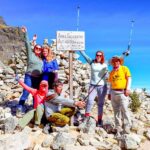
- Day 2: Abra Salkantay pass (around 4,650 masl) and the biggest payoff
- Day 3: Santa Teresa jungle-style walking and the choice at Cocalmayo
- Day 4: Hydroelectric to Aguas Calientes, plus a dinner prep routine
- Day 5: Guided Machu Picchu tour, photo time, and the train back
- Camp life: tents, mattresses, sleeping bag, and what comfort really means here
- Guides and cooks: where the reviews sound genuinely consistent
- Altitude, pacing, and the one caution I’d plan around
- Who this trek is best for (and who should think twice)
- Should you book Salkantay Trek 5 Days to Machu Picchu?
- FAQ
- What time is pickup in Cusco for this trek?
- How many nights do you camp, and is there a hotel on the route?
- What is the highest point on the trek?
- Are transfers and the train included from Aguas Calientes?
- Are meals included?
- Is Huayna Picchu entrance included?
- How many people are in the group?
Key highlights before you go
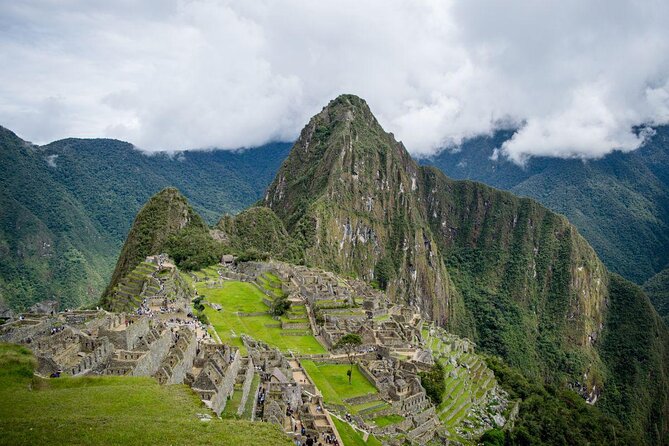
- Quiet alternative to the Inca Trail: you’ll cross high passes and move through cloud-forest style zones, not guided-by-crowd bottlenecks
- Early Cusco pickup at 4:30 am: you start efficiently, with transfers built in before your first hike
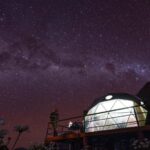
- A real camp setup: double tents, inflatable mattress, and a sleeping bag rated down to -5°C
- Flexibility day-to-day: you can choose between thermal baths at Cocalmayo or an archaeological stop on the jungle day
- Professional crew that handles logistics: guides, cook, and horse support for food and camping gear
Why the Salkantay route feels different than the Inca Trail
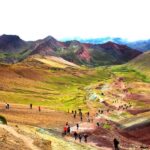
If you’re chasing Machu Picchu but you want fewer crowds on the way, Salkantay is the practical answer. Instead of being boxed into the busiest classic route, you’ll spend your days watching Andean peaks loom over high passes, then gradually dropping into warmer, greener terrain. It’s a nonstop change of “what am I looking at now?” scenery, built around hiking and camping.
The other big reason this trek works is that it’s guided but not overly staged. You’re not spending the whole time waiting. You’re moving from viewpoint to viewpoint, camp to camp, and you still land in Machu Picchu with a guided citadel tour plus time to explore on your own.
You can also read our reviews of more tours and experiences in Cusco.
Price and what $909 buys you (and what it doesn’t)
At $909, you’re paying for a full package: early transfers, lodging in campsites plus a hotel in the Machu Picchu area, most meals, a bilingual guide, camp staff (including a cook), and key transit on the back end (train and bus). You’re also getting hiking poles and a lot of the camping comfort kit.
That’s the value story: your “day-to-day friction” is handled. The team carries food and most equipment, and you’re given camp tents, sleeping bag, and a mattress so you’re not trying to rent or improvise half of Peru outdoors.
What’s not in the price is also important:
- Entrance fees like Huayna Picchu are extra.
- The shuttle between Machu Picchu and Aguas Calientes isn’t included.
- Your travel insurance isn’t included.
- Day 1 breakfast and the last-day lunch aren’t included.
So this is best viewed as a guided expedition package, not just a hike ticket.
Getting oriented in Cusco: the pre-brief and the 4:30 am pickup
The day before you start, your guide does a hotel visit for a briefing. That matters more than people think. For treks like this, altitude, pacing, and what you carry can make the difference between a trip that feels smooth and one that feels like punishment.
Then the start is early: pickup is at 4:30 am near Plaza de Armas in Cusco. You’ll travel by bus toward the trailhead, which is one of the smartest ways to reduce the chaos of getting to remote start points.
Also note the group limit: up to 12 travelers. That tends to mean fewer slowdowns and more attention when you need it.
Day 1: Humantay Lake, first breakfast, and the mule support rhythm
Day 1 starts in the dark with an early pick-up and bus ride through towns such as Izcuchaca and Limatambo. You’ll reach Mollepata (about 2,900 masl) around 7:30 am for breakfast. This is your first real “reset moment” in the trek.
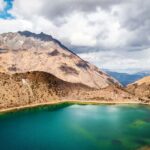
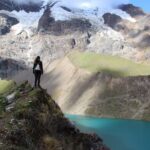
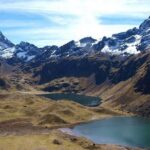
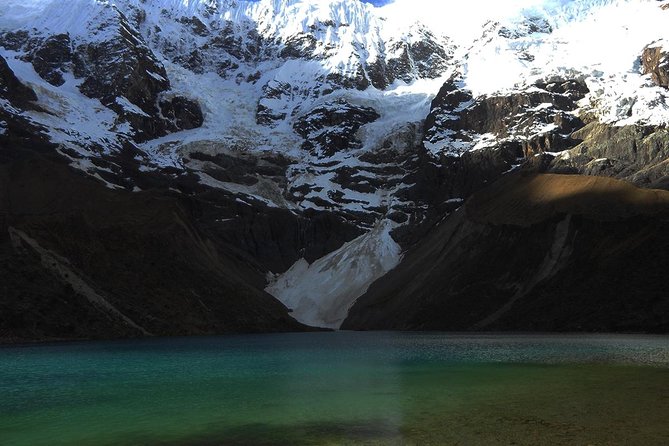
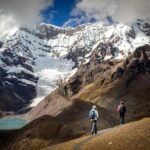
From there, you move to Challacancha (around 3,380 masl) and start walking. The day’s goal is a climb to Soraypampa (about 3,900 masl), lunch on the way, and then a visit to Humantay Lagoon. If you like feeling your legs warm up after the first steep bits, this day gives you that classic high-Andes rhythm without being the maximum altitude suffer-fest.
A practical detail that’s easy to miss: you’ll keep your personal load light. There’s a point in the morning where you can leave about 5 kg of personal belongings for mule carriers. That helps you focus on what matters on foot: water, layers, and steady pacing.
By the time you return to camp, your day is mostly walking plus a lagoon stop. Then you rest, because tomorrow takes a stronger bite.
Day 2: Abra Salkantay pass (around 4,650 masl) and the biggest payoff
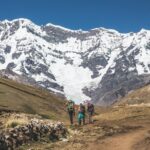
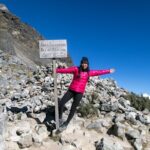
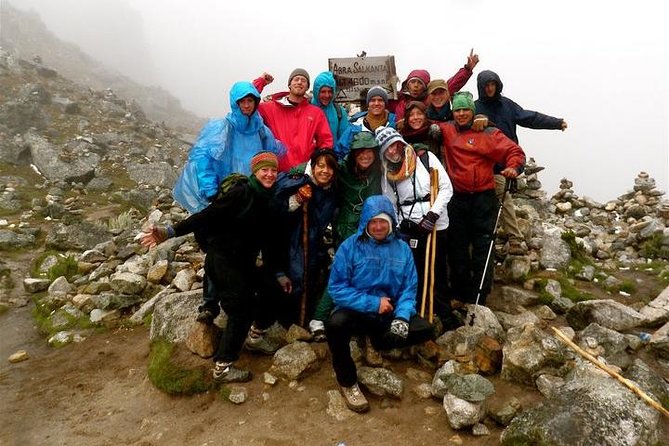
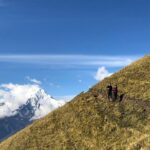
This is the day most people remember, for good reason. Breakfast is at 5:00 am, and then you hike from Soraypampa toward the highest point: Abra Salkantay (about 4,650 masl).
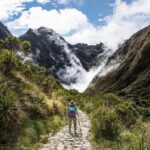
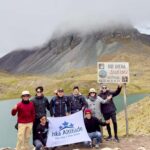
The route includes multiple named areas along the way (Salkantaypampa, Soyrococha, and others), plus time where you can take in the views of the Salkantay area and surrounding peaks. Then comes the descent—first toward Huayracmachay for lunch, then continuing down to Chaullay for the campsite.
What I like about the way this trek is structured: the “hard part” isn’t random. It’s scheduled early in the day and followed by a long descent that gradually eases off the altitude stress. You’re not stuck in foggy uncertainty. You’re working a plan.
One consideration: the hike is long—roughly 10 hours of walking time on this day. Even if your fitness is fine, your knees may start negotiating on the steeper descents. The good news is that you’re not doing this alone; the crew can support the pace, and there’s an emergency horse option included in the package.
Day 3: Santa Teresa jungle-style walking and the choice at Cocalmayo
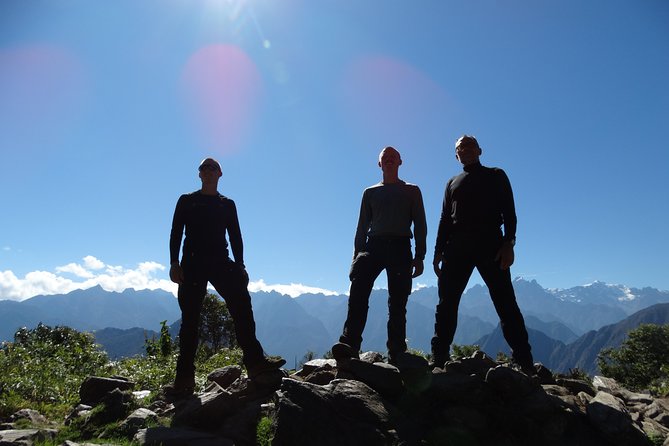
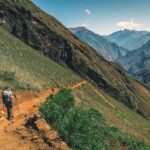
Day 3 shifts the environment in a way that feels like someone turned the dial from high Andes to warmer jungle zones. You’ll start with breakfast at 6:00 am and then hike for about five and a half hours with level ascents and descents. This is where you’re more likely to notice coffee plantations and plants like orchids and bromeliads, plus greenery used in natural medicine.
You’ll reach Playa Sahuayaco for lunch, then switch to transport to the campsite in Santa Teresa. That transfer matters. It breaks up the day so you arrive without feeling totally cooked.
The highlight here is the optional stop at thermal baths in Cocalmayo. The entrance ticket isn’t included, but the time and option are built into the schedule. If hot springs sound like your kind of reset, this is a smart use of the afternoon. If you’d rather keep it cultural, the tour also mentions an option to visit an archaeological site as an alternative.
Then it’s back to camp for tea and dinner.
One mosquito reality check: at least one hiker in the available feedback notes that mosquitoes were an issue around day 3. You don’t need to panic, but pack and plan like you might deal with them.
Day 4: Hydroelectric to Aguas Calientes, plus a dinner prep routine
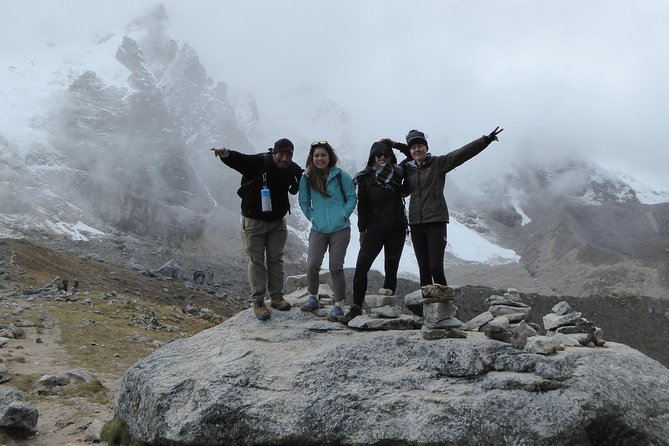
Day 4 starts in the early hours in a tropical area with breakfast waiting. From there, you head toward Hydroelectric and stop for lunch at a restaurant there. After lunch, you walk through the tropical zone toward Aguas Calientes, where you sleep at a hostel.
The evening includes dinner with the guide and planning for Machu Picchu the next day. This is one of those small “set you up for success” steps that helps you know the flow: what time you should be ready, what to bring, and how to think about photos and timing.
This day can feel like a bridge day: not just another random hike, but the logistical runway to Machu Picchu.
Day 5: Guided Machu Picchu tour, photo time, and the train back
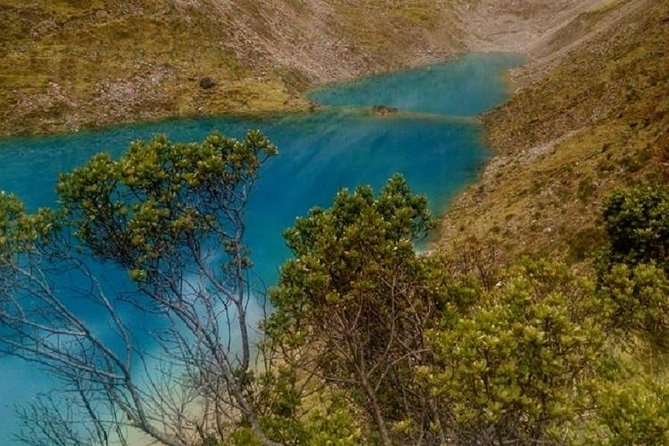
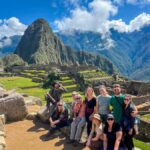
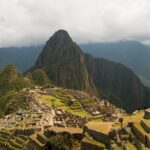
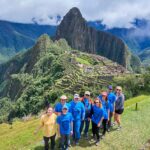
You’ll wake up very early for Machu Picchu. Then you get a guided tour of the citadel, focusing on temples, terraces, palaces, and platforms. After that, you have time to take photos and explore on your own.
One practical detail I really like here: there’s a guide plus independent time. The guide helps you understand what you’re looking at. Then your free time lets you move at your own speed for the views that hit hardest.
After visiting, you descend from Machu Picchu to Aguas Calientes to catch the train back to Ollantaytambo. From there, the itinerary includes a tourist bus transfer back to Cusco, with your representative waiting and taking you to your hotel.
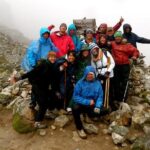
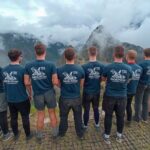
A nice potential perk: one group specifically noted they were among the first to arrive at Machu Picchu, which can mean easier photo conditions before the busiest waves. Even if you can’t control every timing variable, starting early is clearly the plan.
Camp life: tents, mattresses, sleeping bag, and what comfort really means here
This is not a barebones trek. Camping equipment is included in a very hands-on way:
- Double tents (a four-person tent design) for more room and some storage
- Inflatable mattress (Term-a-Rest style)
- Sleeping bag rated to about -5°C, plus a blanket and pillow
- A duffel bag for personal items
- Daily water (but not for the first 4 hours of the first trekking day)
That last bit is worth writing down. Water is provided every day, but you’ll need to bring it for the first stretch on day 1 until water service kicks in.
Comfort on a trek isn’t about luxury pillows. It’s about sleeping well enough to function tomorrow. With the mattress and cold-rated sleeping bag, you’re set up for that. Your body still works hard, but you’re less likely to spend nights shivering and losing recovery.
And yes, you’ll likely appreciate the crew for keeping camp running smoothly. Many reviews highlight the kitchen and the overall team support as a major part of the experience.
Guides and cooks: where the reviews sound genuinely consistent
Across the feedback, the strongest praise clusters around the guide and the cooking. You’ll hear names like Carlos, Nico, Juan de Dios, Diego, Daniel, Jennifer, Miguel, and Alvina in the shared experience. The common thread isn’t just friendliness. It’s clear communication and mountain knowledge.
A few real examples that help you understand what to expect:
- Carlos impressed a group with impeccable English and a strong passion for Inca history and mountain understanding.
- Nico was described as going above and beyond, and one review mentions special arrangements for massages in Calientes after the trek.
- Guides like Juan de Dios and Diego are repeatedly credited for being organized and teaching about terrain, flora, fauna, and culture.
- Chefs such as Leoncio (also mentioned as Leoncio the magician in the kitchen), plus Clemente and Louis, come up again and again for excellent meals.
The practical takeaway for you: if you’re deciding between tour operators, look for proof of strong guiding and consistent camp cooking in the reviews. This trek lives or dies on those details.
Altitude, pacing, and the one caution I’d plan around
The big altitude trigger is Abra Salkantay at about 4,650 masl. The route also climbs to places like Soraypampa around 3,900 masl earlier, so your system doesn’t just jump straight to the pass. Still, it’s a serious hike.
The tour data also makes a direct call: if you have a history of altitude sickness, bring any necessary medication and consult your doctor before you go. That’s not “extra advice.” It’s the grown-up move.
Also plan around walking time. Day 2 is the long one, and day 1 still has a climb to the lagoon region. Even if you’re fit, the combination of altitude and downhill footwork can be tough.
If your knees or energy level starts to drop, this package includes an emergency horse option. And in at least one shared experience, someone got help from horses during steep descents. That suggests there are ways to modify the day when you need it.
Who this trek is best for (and who should think twice)
Best fit:
- You want Machu Picchu without spending all your days stuck in the busiest classic trail crowds
- You’re okay with early starts and long hiking days
- You like the mix of guided learning plus real physical work
- You want a trip where camp logistics and meals are handled
Think twice if:
- You’re very sensitive to altitude or you’re unsure you can handle a high pass
- You don’t want to deal with insects later in the trek (mosquitoes are mentioned by at least one hiker)
- You expect a gentle stroll. This is a serious hike, especially days 1 and 2
Should you book Salkantay Trek 5 Days to Machu Picchu?
I’d book it if your priority is a less crowded route to Machu Picchu plus strong camp support. The included tents, mattress, and cold-rated sleeping bag help you recover. The guide-and-chef combination shows up repeatedly in the feedback, and that matters on a five-day trek.
I wouldn’t book it blindly if altitude worries you, even with medical precautions and an organized crew. Be honest about your fitness and your tolerance for high elevations. If you’re good with that, this trek delivers a memorable mix of high passes, thermal-bath options, and a guided Machu Picchu day without the classic Inca Trail crush.
FAQ
What time is pickup in Cusco for this trek?
Pickup is at 4:30 am from the Plaza de Armas de Cusco area.
How many nights do you camp, and is there a hotel on the route?
You camp for 3 nights and stay in a hotel in the Machu Picchu area for 1 night.
What is the highest point on the trek?
The highest point listed is Abra Salkantay, around 4,650 masl.
Are transfers and the train included from Aguas Calientes?
Yes. The package includes the tourist train from Aguas Calientes to Ollantaytambo, plus the bus transfer from Ollantaytambo back to Cusco.
Are meals included?
Yes for most of the trip: 4 breakfasts, 4 lunches, 4 dinners, and afternoon hot beverages. Day 1 breakfast and the last-day lunch are not included.
Is Huayna Picchu entrance included?
No. The Huayna Picchu entrance fee is listed as not included (US$25).
How many people are in the group?
The trek has a maximum group size of 12 travelers.