REVIEW · KATHMANDU
Poonhill Trek
Book on Viator →Operated by Green Valley Nepal Treks & Research Hub Pvt Ltd · Bookable on Viator
Himalaya views without a long slog. This 7-day Poon Hill trek in the Annapurna region gives you big, close mountain moments plus a slower pace for altitude adjustment, including a real dip in natural hot springs. It’s built around guesthouse nights on the trail, with one hotel night in Pokhara and a guided rhythm that keeps the logistics under control.
I love the fact that permits and national park fees are included and you travel with a professional guide on a small group capped at 14 people. I also like that your trip is spread across more days than the classic fast versions, so you get proper walking time and gradual change in scenery, not just checkmarks and sprinting.
One thing to consider: the days include steep sections (especially early on) and you’ll also spend serious time on buses—about 6 hours to Pokhara and about 6–7 hours back to Kathmandu.
In This Review
- Key highlights worth your attention
- Poon Hill Trek: what makes this 7-day version work
- Getting there the smart way: Kathmandu to Pokhara and back
- Day 2: Nayapool to Ulleri, with the Modi River warming up your legs
- Day 3: rhododendron and oak forests to Ghorepani
- Day 4: Poon Hill at 3,210m, then Deurali and Tadapani
- Day 5: rhododendron trails to Gurjung, then hot springs recovery
- Day 6: Modi Khola and the view corridor toward Birethani
- Price and logistics: is $600 good value?
- Guide quality and small-group feel: the names that show up
- Who should book this trek, and who should reconsider?
- What to pack and how to pace yourself on this route
- Should you book this Poon Hill trek?
- FAQ
- What time does the trek start and where do we meet?
- How long is the Poon Hill trek?
- Is pickup included?
- How big is the group?
- Are permits and park fees included?
- What meals are included?
- Is the hot spring stop included?
Key highlights worth your attention
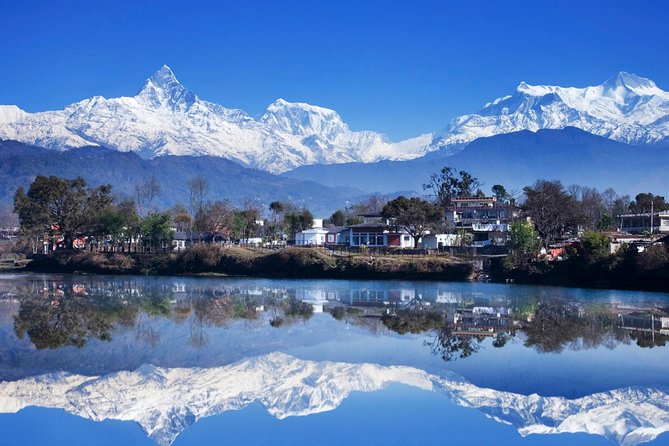
- Sunrise access at Poon Hill (3,210m): a short hike up early in the morning for clear viewing time and photo chances.
- Small-group pace (max 14): you’ll get more than a walk-by explanation and better help on the tougher climbs.
- Hot springs day: a built-in recovery break near the trail where you can soak after downhill hiking.
- Permits handled: national park fees are included, and the trek includes the necessary permits.
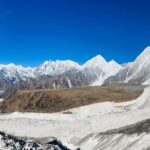
- Route variety: rhododendron and oak forests, Magar and Gurung villages, river crossings, and viewpoints over Annapurna country.
Poon Hill Trek: what makes this 7-day version work
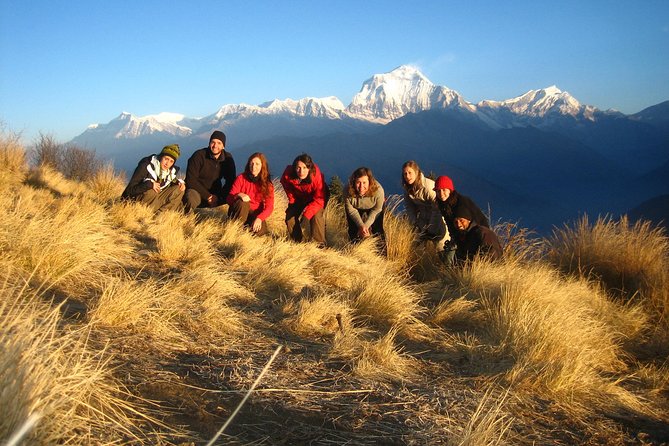
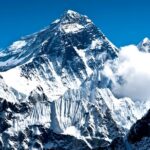
Poon Hill is famous for a reason: you get a front-row seat to major peaks without committing to a long, high-altitude expedition. This 7-day format changes the feel of the trek. You get time to adjust instead of trying to cram “everything” into a couple of days.
You’ll also see that this route isn’t just one scenic moment. It strings together forest walking, village trails, steep stair-like sections, and at least one “recovery” day built around hot springs. If you’re the type who gets cranky when days are only uphill and then abruptly over, this pacing is kinder.
And because it’s a guided small group, the trip isn’t just about scenery. It’s about moving efficiently—getting to viewpoints on time, having meals handled on most days, and not spending your brain power on route details.
You can also read our reviews of more tours and experiences in Kathmandu.
Getting there the smart way: Kathmandu to Pokhara and back
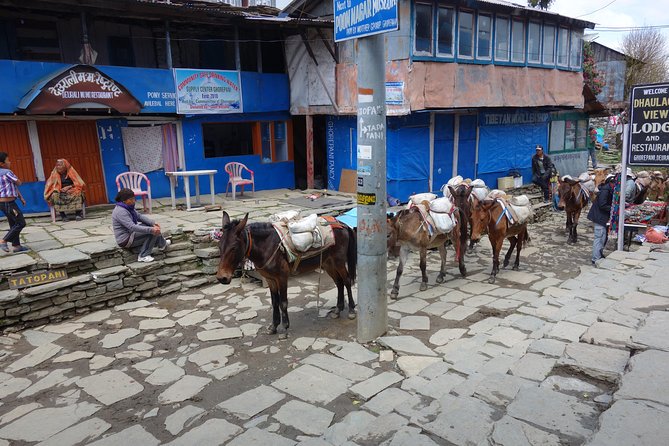
Your day starts early. Pickup is offered (if you select that option), and the stated start time is 6:30am at Green Nepal Tourism Pvt Ltd, Nikhil Marga, Mitranagar Marg, Kathmandu.
Day 1 is straightforward: you drive from Kathmandu to Pokhara, about 200 km and roughly six hours. There’s a lunch stop along the way, and you can also choose a flight option that’s about 30 minutes, then continue with Pokhara sightseeing before your guesthouse night.
On the back end, it’s the same idea but reversed. Day 7 is a 6–7 hour bus ride from Pokhara back to Kathmandu, followed by a farewell dinner and an overnight in Kathmandu.
Practical takeaway: plan for travel-time fatigue. This trek gives you days on foot, but it also front-loads bus hours. If you hate long rides, consider the flight option on the way out, then just accept the return bus as part of the deal.
Day 2: Nayapool to Ulleri, with the Modi River warming up your legs
From Pokhara, you drive about an hour to Nayapool. That’s where the trek begins with a short walk along the Modi River, reaching Birethani.
Then comes the climbing arc. After crossing a village, you move up to Hille, continue toward Tikhedhunga, and then face a steep ascent to Ulleri. Ulleri is described as a large Magar village, and that steep climb is the kind of work that reminds you you’re in the mountains.
What I like about this day: it’s a mix of walking and “effort moments.” The teahouse route means breaks are usually available along the way, and you’re not thrown into the harshest part without a warm-up.
Possible drawback: if you’re only moderately fit, that steep ascent to Ulleri can be the first time you feel the pressure. Take it slow and short-step it—this is one of those treks where pacing beats heroics.
Day 3: rhododendron and oak forests to Ghorepani
Day 3 is gentler on paper and feels better on the body. From Ulleri, the trail is described as a gentle ascent through rhododendron and oak forests, passing Banthanti and then continuing to Ghorepani.
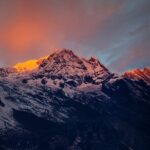
Ghorepani is the base that sets up your viewpoint morning. Staying here matters because this area is known for the sunrise hike toward Poon Hill, with the mountain panorama as the reward.
This day is also where the trek starts to feel like a real ecosystem rather than only villages and stairs. You’re moving through forest corridors, and the change in vegetation helps break up the monotony of counting steps.
A practical note: Ghorepani is popular, so guesthouse areas can be busy on certain mornings. Your guide’s timing helps you get what you need without wasting time.
Day 4: Poon Hill at 3,210m, then Deurali and Tadapani
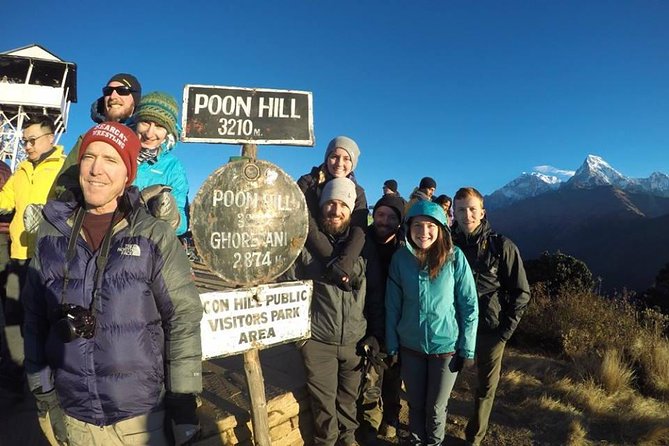
This is a major day. You start with a short hike to Poon Hill, reaching the top in about 45 minutes. The viewpoint is at 3,210m, and you’ll return for breakfast in Ghorepani before moving on.
From there, the itinerary shifts to a strenuous climb: you head to Deurali, described as a steep and challenging section. After that, you walk along an easy jungle route to Banthani and continue onward to Tadapani.
Here’s a good detail to keep in mind: the route through the jungle segment has a chance of wildlife sightings like monkeys and langurs. It won’t replace the mountain views, but it adds texture when you’re still riding the energy of a morning sunrise.
This is also the day when the trek reminds you it’s not a flat stroll. If your knees get cranky on downhills, you’ll want supportive shoes and good trekking technique. Short steps, steady rhythm, and frequent pauses work better than trying to move fast.
Day 5: rhododendron trails to Gurjung, then hot springs recovery
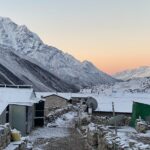
After breakfast in Tadapani, the next push begins with a gradual downhill through rhododendron forests. You’ll cross the Kimsung River, then ascend to Gurjung, a Gurung village.
Then the day changes pace again: you keep going to the hot spring area, where the itinerary explicitly includes enjoying your time there. After that soak, you overnight in a guesthouse.
This day is the trek’s built-in reset. Even if you’re feeling tough, your body will appreciate a heat break after earlier climbs. It also helps psychologically. You’re not only surviving the days—you’re getting a reward day built into the plan.
If you’ve never used hot springs in a trekking setting: pack a small towel and plan for slower drying time on cool evenings.
Day 6: Modi Khola and the view corridor toward Birethani
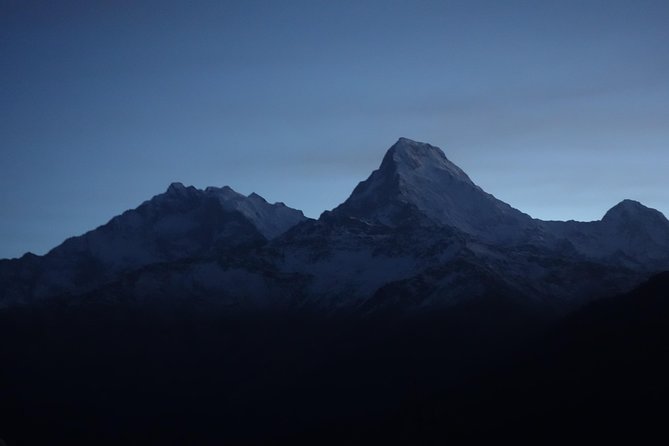
Day 6 is your “getting back” day without fully giving up the adventure. Starting from Jhinu, you take the trail down to Modi Khola, with Fish Tail and the Annapurna range mentioned as view highlights.
You’ll walk along the banks of Modi Khola until you reach Birethanti, returning toward where the trek began. Then it’s only a short walk ahead (about half an hour) to the vehicle that takes you back to Pokhara.
This day is a nice contrast to the steepness of earlier sections. It’s still walking, but the storyline feels smoother: more continuous downhill and follow-the-river progress, finishing with a real hotel night in Pokhara.
Price and logistics: is $600 good value?
At $600 per person for about 7 days, the value comes from what’s bundled, not from whether it’s cheap.
Included elements that matter:
- Accommodation along the itinerary (guesthouses on the trail plus hotel time in Pokhara)
- Most meals: breakfasts (5), lunches (5), and dinners (4)
- Professional guide
- National park fees and necessary permits
- Round-trip shared transfers and a guided plan that removes most route headaches
What’s not included:
- Drinks
- Excess luggage charges (if any)
- Hotel pickup/drop-off only if you don’t choose that option
If you try to DIY Poon Hill with a private guide, you’ll usually pay extra for guiding, permits, and transport coordination. The $600 price makes sense if you want the trek experience with logistics handled and meals covered—especially on a schedule that includes both Kathmandu and Pokhara.
Guide quality and small-group feel: the names that show up
A huge part of trek satisfaction is the guide. This program leans into a small-group setup, and the guide experience shows up in the feedback through repeat names you might meet.
You may encounter guides like Krishna (noted as having 13 years of experience), Phurba (praised as attentive and accommodating), Sushanta (described as helpful and focused on the real trekking experience), Bhairas with a porter team including Santosh, and Gopal (mentioned as especially accommodating for a family trek).
You also see Arjun Pandey in the planning communication—praised for responsiveness and for adjusting dates—and Rajan is noted as lovely during the trip.
Even without romanticizing it, the pattern is clear: you’re not just getting a route. You’re getting people who pay attention to comfort, pacing, and safety.
Who should book this trek, and who should reconsider?
This Poon Hill trek suits moderately fit people who can handle steep climbs and long walking days. It’s described as accessible for most people, but don’t confuse that with easy. The steep ascent to Ulleri and the strenuous climb toward Deurali are real.
You’ll likely love it if:
- You want big Himalayan views without a month-long commitment
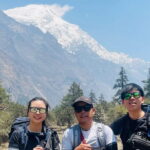
- You prefer a guided small group over solo navigation
- You’d enjoy a mix of villages, forests, and a hot springs stop
- You like early mornings (Poon Hill is your reward)
You might reconsider if:
- You want a mostly flat trek
- You’re highly sensitive to long bus days (Kathmandu–Pokhara and return)
- You want full luxury accommodations on the trail (you’ll be in guesthouses, then a hotel in Pokhara)
Also, if you’re traveling with kids, the trip can work. One family trek mention included a 9- and 5-year-old, with a guide who adjusted and stayed attentive.
What to pack and how to pace yourself on this route
The itinerary includes early starts, river crossings, forests, steep stair-like climbs, and a hot springs day. So pack like the trek is outdoors first and sightseeing second.
Bring:
- Footwear you trust on steep steps and uneven trail
- Layers for cool mornings around the viewpoint hike
- A small towel for the hot springs stop
- A simple daypack for water and snacks between meal breaks (drinks aren’t included)
Pacing matters most on climbing days. Ulleri and Deurali are where you’ll feel it. Keep your effort steady, and stop before you’re exhausted. You’ll reach the top feeling better—and the view feels better when you didn’t sprint for it.
Should you book this Poon Hill trek?
Yes, if you want a well-organized Annapurna introduction that balances spectacle and effort. The $600 price feels fair because it bundles guides, permits, and most meals, and the 7-day pacing makes the trek feel more reasonable than the fastest itineraries.
Book it if:
- You want Poon Hill sunrise plus extra time to adjust
- You care about having a guide who can handle the tough sections
- You like the idea of finishing with a real reset day in hot springs
Skip it if you dislike buses, hate any steep climbing, or need a fully premium hotel experience every night.
FAQ
What time does the trek start and where do we meet?
The experience starts at 6:30am at Green Nepal Tourism Pvt Ltd, Nikhil Marga, Mitranagar Marg, Kathmandu 44600, Nepal.
How long is the Poon Hill trek?
It’s listed as 7 days (approx.), with transfers between Kathmandu and Pokhara and trek days across the Annapurna region.
Is pickup included?
Hotel pickup and drop-off are included only if you select that option. If you don’t select it, pickup/drop-off is not included.
How big is the group?
The trek has a maximum of 14 travelers, so it’s designed as a small-group experience.
Are permits and park fees included?
Yes. National park fees are included, and the trek includes all necessary permits.
What meals are included?
The tour includes breakfasts (5), lunches (5), and dinners (4). Drinks are not included.
Is the hot spring stop included?
Yes. The itinerary includes a day to reach the hot spring and enjoy it, with an overnight in a guesthouse afterward.