REVIEW · KATHMANDU
Langtang Valley Trek
Book on Viator →Operated by Pariwar Holidays Pvt Ltd · Bookable on Viator
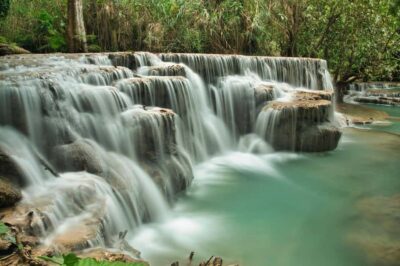
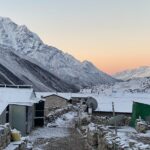
Glacier valleys change your whole pace. The Langtang Valley Trek runs about six days north of Kathmandu, in a region locals describe as the valley of glaciers, with sweeping mountain views dominated by Langtang Lirung (7246). Along the way you’ll hike past pine forest, fast mountain streams, rugged rock sections, grassy meadows, and ancient Buddhist monasteries—so it’s scenic in every direction, not just at the top of a peak.
What I love most is that this is a properly guided experience: you get a professional guide plus hotel pickup/drop, and the group stays private, meaning you’re not being herded with strangers. Second, the package is built around what actually matters on a trek—meals and accommodation as per the itinerary, with taxes and handling included in the price.
One consideration: at this point, you should plan for a moderate fitness level and a full day rhythm of walking, altitude air, and cold mornings. If that sounds like a stretch, you may want to slow your expectations or build up conditioning first.
In This Review
- Key Things I’d Put On Your Radar
- Langtang’s Glacier Valley: Why This Trek Feels Worth It
- Your Six Days on Foot: What the Trek Rhythm Likely Means for You
- Morning start energy (and why 7:15 am matters)
- Days built around changing terrain
- Evenings: lodging and meal rhythm
- The Guides: Real Value, Not Just Someone to Hold a Map
- Cultural context that makes the scenery stick
- Care and patience when conditions get complicated
- Guides who handle the real work
- Food and Sleep on a Trek: The Included Stuff You’ll Actually Notice
- Price and Logistics: Is $1,000 Good Value Here?
- Who This Trek Suits Best (and Who Should Rethink It)
- Practical Prep Tips That Make the Trek Smoother
- Should You Book This Langtang Valley Trek?
- FAQ
- What is the location for the Langtang Valley Trek?
- How long is the trek?
- What time does the trek start?
- Is hotel pickup and drop included?
- Are meals included?
- Is there a professional guide?
- What’s included in the price besides guiding?
- What is not included?
- Is this a private tour?
- Can I cancel for a refund?
Key Things I’d Put On Your Radar
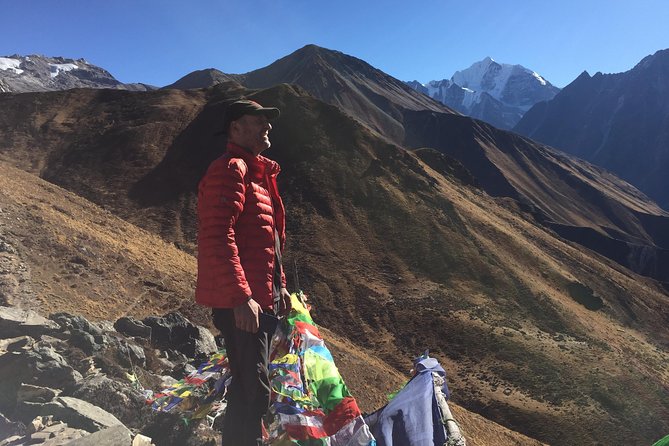
- Valley of glaciers setting: you’re trekking in a landscape shaped by Himalayan glacier flow.
- Langtang Lirung views (7246): the peak is the visual anchor for the whole experience.
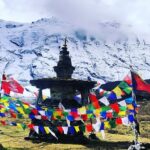
- Ancient Buddhist monasteries along the trail: spirituality and scenery mix naturally.
- Pickup, drop, and a private group: less time wrangling, more time hiking.
- Meals and lodging included: you’re not constantly deciding what to eat at day’s end.
- Guides with strong cultural context: you’ll learn Nepal’s customs, not just pass scenery.
Langtang’s Glacier Valley: Why This Trek Feels Worth It
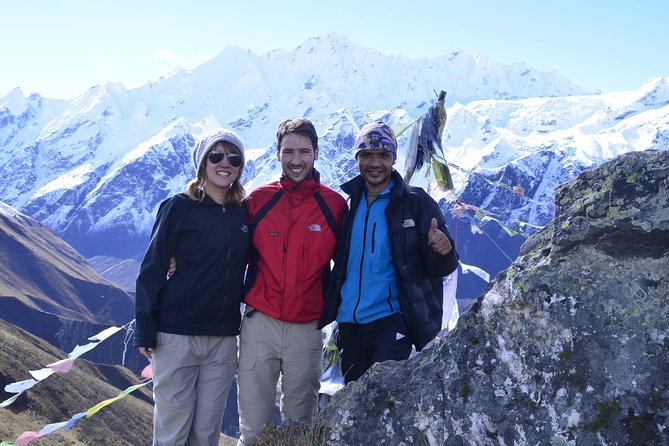
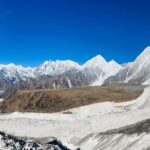
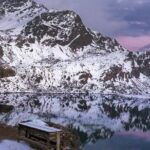
Langtang sits about 19 miles north of Kathmandu Valley, and that distance matters. You get the sense you’re leaving the city behind quickly, but you’re not traveling for days just to reach a trailhead. The whole area is tied to glacier movement, which is why the valley is often called the valley of glaciers. Even if you don’t study ice geology, you’ll feel it in the atmosphere: sharper light, colder air, and that wide-open mountain scale.
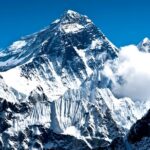
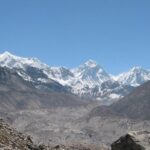
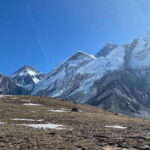
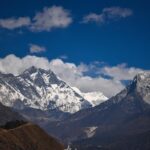
The big visual headliner is Langtang Lirung, and it’s not just a postcard background. It tends to become a moving reference point—something you notice again and again as the route changes. That repeated sight does two things for your brain: it helps you measure progress, and it makes the effort feel connected to a real target.
Then there’s the variety you’ll actually walk through: pine forest, swift mountain streams, rugged rocky stretches, grassy meadows, and monasteries. This is important. A lot of treks are either mostly forest or mostly exposed views. Langtang is more mixed, so you don’t get numb from seeing the same thing for six days straight.
You can also read our reviews of more tours and experiences in Kathmandu.
Your Six Days on Foot: What the Trek Rhythm Likely Means for You
You don’t have a detailed day-by-day stop list here, so I won’t fake one. But I can still explain the experience shape based on what the trek includes and the environments described.
Morning start energy (and why 7:15 am matters)
Your day starts with a 7:15 am start time, plus pickup is offered. That early push is normal in Nepal trekking because conditions are usually better in the morning and it gives you a buffer for weather. The practical upside? You’re more likely to start your walking while it’s calmer and cooler, and you’re not chasing the sun all day.
Days built around changing terrain
Expect your hiking to cycle through those named scenery zones:
- Pine forest: calmer walking feel, shade at times, and that smell of needles and wood. This is where you reset your breathing.
- Swift mountain streams: you’ll likely hear water more often than you see it clearly. It adds motion to the valley and helps break up the monotony.
- Rugged rocks: this is where you’ll slow down. Even if the grade isn’t brutal, rocky footing means you’ll work your ankles and balance.
- Grassy meadows: the walking can feel easier here, but the air can feel thinner and colder too. Meadows also tend to open your view lines.
- Buddhist monasteries: these aren’t random photo stops. They change how you experience the valley, because you’re passing places with long-standing cultural meaning, not just views.
Evenings: lodging and meal rhythm
Because accommodation and meals are included as per the itinerary, your nights are set up for recovery instead of constant decision-making. You’ll be eating breakfast, lunch, and dinner on trek days (B/L/D) instead of searching. That matters because it keeps your energy steadier—especially when you’re waking up early and walking for hours.
The Guides: Real Value, Not Just Someone to Hold a Map
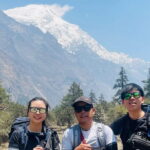
A great guide can make the same trail feel totally different. In the feedback linked to this trekking operator, names like Sujan, Pabitra, Dinesh Ban, Sunil Tamang, Ram Dahal, Akas, Nabaraj, Ramesh, Subodh Pandey, Krishna Rai, and even Giri Kewal (CEO) show up repeatedly in positive ways across Nepal trips.
Here’s what I think you should care about, in plain terms:
Cultural context that makes the scenery stick
When guides explain Nepalese culture and customs while you’re walking, your brain tags the route as more than exercise. One guide highlight is that they shared meaningful stories and local context wherever you went, not just at the end. That turns a valley stroll into a living place.
Care and patience when conditions get complicated
Some of the strongest praise wasn’t about dramatic views—it was about the human support. One example mentioned a situation involving asthma and a serious dairy restriction, with the guide described as patient and caring. Even if your needs are simpler, that kind of flexibility is a big deal on a trek, where weather, energy, and comfort can change quickly.
Guides who handle the real work
This package states you get a professional guide. In practice, that usually means smoother pacing, better route decisions, and less time spent worrying about what comes next. When you’re trying to enjoy the mountains, that stress-reduction is real value.
Food and Sleep on a Trek: The Included Stuff You’ll Actually Notice
Included meals sound simple until you’ve been hungry at altitude. Here you’ll have meals as per itinerary, with breakfast, lunch, and dinner covered (B/L/D). That helps you keep a steady routine:
- breakfast before you start early
- lunch mid-trek when you still have energy
- dinner at the end of the day when you need recovery
Lodging is also included as per itinerary. The big benefit for you: fewer logistics headaches. You’re not negotiating where to stay each night or worrying if the restaurant is open. You also avoid that last-day scramble that happens when a trip isn’t planned well.
What’s not included is also useful to know. Alcoholic drinks and drinks aren’t included, and there are optional add-ons like DVD and souvenir photos. So plan on paying extra for beverages you choose beyond what’s in the plan.
Price and Logistics: Is $1,000 Good Value Here?
At $1,000 per person, the price is not budget. But it also isn’t just a vague promise to walk in mountains. Here’s what your money is covering based on what’s listed:
- Accommodation as per itinerary
- Meals (B/L/D)
- Professional guide
- Hotel pickup and drop
- All taxes, fees, and handling charges
- Private tour/activity (only your group)
So you’re paying for the stuff that usually costs time, coordination, and energy when you try to DIY. If you’ve ever tried planning a trek while juggling transport, lodging, and daily meals, you already know how quickly the “save money” plan can turn into “why did I do this.”
Also, the private format can change the value math. If you’re traveling as a group, private often means better pacing and less compromise. If you’re solo, it may still be worth it if you want a guide-led experience without mixing with strangers.
One small logistics note: the experience uses a mobile ticket, and the meeting start time is 7:15 am. Those two details matter because they reduce last-minute confusion.
Who This Trek Suits Best (and Who Should Rethink It)
This trek description calls for moderate physical fitness. That’s your starting line. It’s for people who can hike multiple hours, keep a steady pace, and handle early mornings.
I’d say it’s especially good for you if:
- you want a guided trek with culture context, not just scenery
- you like a mix of forest, streams, rocks, meadows, and monasteries
- you prefer having meals and lodging handled for you
- you want a private group experience
It may be less ideal if:
- you don’t feel comfortable with early 7:15 am starts and a sustained hiking rhythm
- you have significant mobility limitations (not because it’s impossible, but because the plan here only specifies moderate fitness)
- you’re expecting a fully low-effort walk with minimal uneven ground, since rugged rocks are part of the scenery
Practical Prep Tips That Make the Trek Smoother
Because the route is described with rugged rocks and fast-changing mountain conditions, your prep can seriously affect how much you enjoy the days.
Here are smart, no-drama things to do:
- Pack layers for cold mornings and warmer afternoons (mountain weather can swing).
- Bring footwear you trust on rocky ground; this is where comfort becomes safety.
- Start getting your legs used to walking before you go, so you’re not relying on motivation alone.
- If you have allergies or medical needs, tell your guide clearly early. The operator’s feedback includes examples of guides staying attentive and caring with health-related needs.
Also remember: this is children must be accompanied by an adult. If you’re bringing family, be honest about pacing and whether your child can match the trek rhythm.
Should You Book This Langtang Valley Trek?
If you want a scenic, guided trek into Langtang’s glacier valley with monasteries and big peak views, I think this is a solid bet. The biggest selling point for most people won’t be just the mountains—it’ll be the way the package handles the moving parts: pickup/drop, meals, accommodation, and a professional guide, all wrapped into one price.
Book it if you’re the kind of person who values cultural context as much as the view, and you’re ready for a moderate fitness challenge. Think twice if you need a highly flexible schedule or you’re not comfortable with early starts and walking days that include rocky sections.
If you match the fitness level and you want a straightforward, guided experience, you’ll likely come back tired—in a good way—and with Langtang Lirung sticking in your head long after you return.
FAQ
What is the location for the Langtang Valley Trek?
The trek is based out of Kathmandu, Nepal.
How long is the trek?
It’s listed as 6 days approximately.
What time does the trek start?
The start time is 7:15 am.
Is hotel pickup and drop included?
Yes, hotel pickup and drop are included.
Are meals included?
Yes. Meals are included as per the itinerary, with breakfast (B), lunch (L), and dinner (D).
Is there a professional guide?
Yes. A professional guide is included.
What’s included in the price besides guiding?
Accommodation as per itinerary, all taxes/fees/handling charges, meals as per itinerary, and hotel pickup/drop are included.
What is not included?
Alcoholic drinks, drinks, DVD (available to purchase), and souvenir photos (available to purchase) are not included.
Is this a private tour?
Yes. It’s private, and only your group will participate.
Can I cancel for a refund?
Free cancellation is available. You can cancel up to 24 hours in advance for a full refund, but changes within 24 hours aren’t accepted.