REVIEW · SAPA
From Sapa: Sapa Trekking Private Tour With Female Ethnic Guide
Book on Viator →Operated by Vietnam - Hanoi Package Tours · Bookable on Viator
If you only have half a day in Sapa, this is smart. You’ll get a private trek with an English-speaking female ethnic guide (Dely is mentioned in past trips), and the route mixes ethnic culture with real walking views, not just photo stops. The pace is built around meeting people, learning daily routines, and then moving into the next valley area.
What I really like is the way the tour connects two big ethnic groups in Sapa—Black Hmong and Red Dao—through actual village visits and friendly conversation. Tea-and-talk time matters here because it’s not just sightseeing; it’s time to understand how people live, what their traditions look like up close, and how welcoming they can be when you take it slow.
One consideration: the trekking portion is about 4 hours, and that’s intentionally short. You’ll likely miss some of the longer Sapa trekking highlights, and if you get tired, the motorbike/car option to get back is available but not included in the tour price.
In This Review
- Key highlights worth planning around
- North of Sapa: Black Hmong and Red Dao, tea first, then the walk
- What to watch for at the village stops
- Sapa trekking for about 4 hours: bamboo, rice terraces, and village paths
- If you get tired, know your options
- Moving south-east into Muong Hoa valley: terraced views and Dzay life
- The best mindset for Muong Hoa
- Private format and pickup: comfort matters on mountain days
- What’s included vs. what you should budget for
- Price: what $29.48 buys you (and what it doesn’t)
- Photo help and tea time: why these small parts hit hardest
- Weather and safety: plan for changes without stressing
- Who this trek is best for
- Should you book this Sapa private trek?
- FAQ
- How long is the trek?
- Is pickup from my hotel included?
- Is this tour private?
- Which ethnic groups will I learn about?
- Do I need to pay an entrance ticket?
- Can the guide help with photos and video?
- What’s included in the tour price?
- What is not included?
- What if I get tired during the trek?
- If the weather is bad, will the plan change?
Key highlights worth planning around
- Black Hmong + Red Dao village time that focuses on everyday customs, not just photos
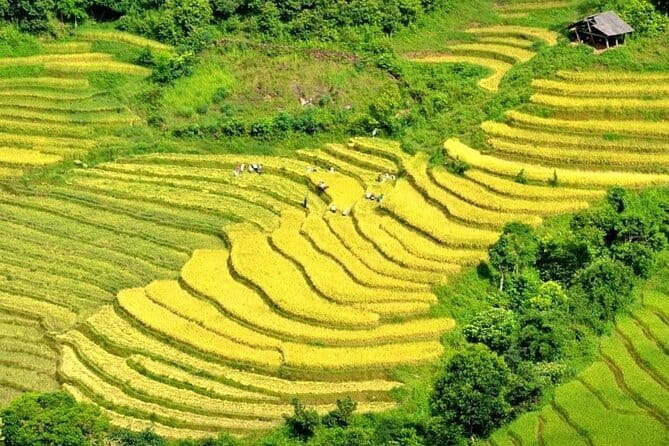
- A bamboo-and-rice-terrace walk that keeps the views moving even within a short schedule
- Muong Hoa valley + Dzay encounters after leaving the north side of Sapa
- Tea and conversation that make the cultural stops feel human and unhurried
- Private group format so your guide can adjust timing and route pace
North of Sapa: Black Hmong and Red Dao, tea first, then the walk
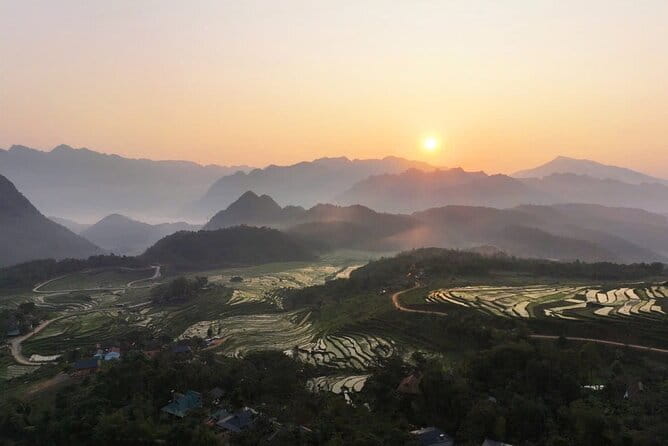
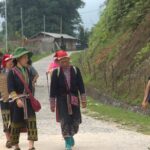
This tour is designed to start in central Sapa and move north toward villages tied to the Black Hmong and Red Dao communities. Expect traditional houses and a guided introduction to daily life—how people organize their homes, what traditions show in ordinary settings, and what locals want to share when you ask respectful questions.
One practical detail I like: you’re not thrown into a long hike right away. The early part is about meeting people comfortably, tasting a welcome drink, and taking photos with locals who are used to visitors but still feel genuinely hospitable. That soft start helps a lot if you’re short on time or not sure how your legs will handle Sapa terrain.
You’ll also get a clear comparison between the two groups. In places like Sapa, ethnic groups can blend into a blur if you’re only looking at clothing. Here, the guide’s explanations connect clothing and customs to daily habits, so you leave with more than a mental postcard.
What to watch for at the village stops
Village visits are often where tours become either respectful or awkward, depending on how you behave. Keep it simple: ask before photographing, keep your questions steady and polite, and don’t rush locals through their space. If you do that, the visit usually turns into the best part of the day.
Also, the tour notes that the itinerary can change for weather, time booking, or safety. In practice, that means you should be ready for slight route adjustments—especially if visibility drops or paths get slippery.
Sapa trekking for about 4 hours: bamboo, rice terraces, and village paths
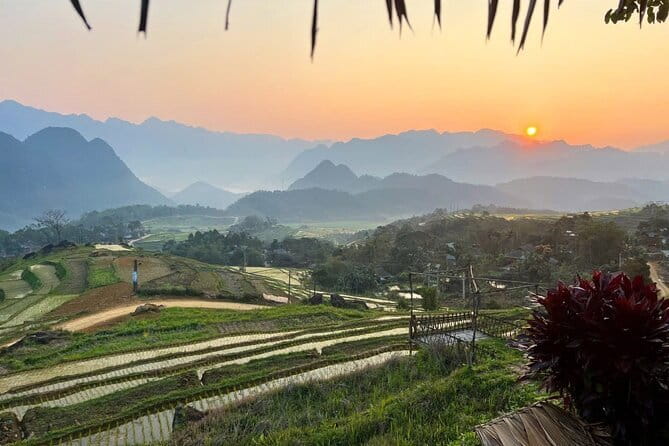
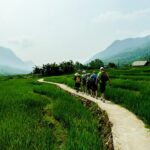
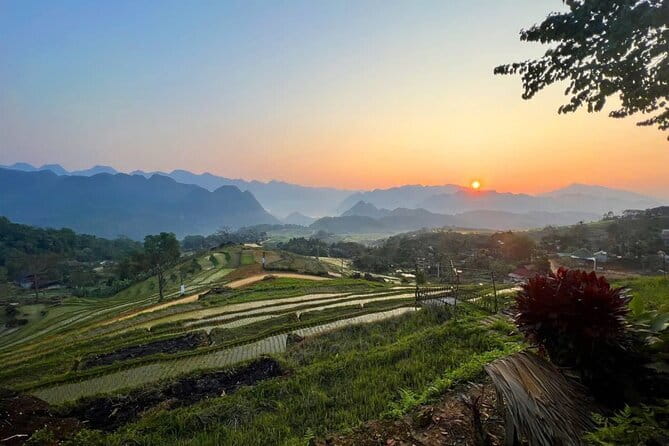
The main walking segment is a 4-hour trek around the Sapa area. Past trip notes specifically mention walking through bamboo forest, over rice terraces, and inside local village areas. That combo is why the trek feels satisfying even when it’s not a full-day hike.
This is the kind of route where the scenery keeps refreshing: bamboo adds shade and texture, rice terraces add big viewpoint moments, and village sections add that human scale—small paths, small houses, and everyday activity along the way. You’re not just walking through scenery; you’re moving through layers of how people live in the mountains.
If you get tired, know your options
The tour includes a note that if you’re tired, you can ask the guide to arrange a motorbike/car back to your hotel. The catch is that that ride is excluded from the tour price.
So here’s how I’d plan: wear proper footwear, hydrate, and don’t treat this like a casual city stroll. The tour is short, but it’s still in Sapa, and the ground can be uneven. If you arrive with your legs already tired, you’ll be more likely to want that backup ride.
Moving south-east into Muong Hoa valley: terraced views and Dzay life
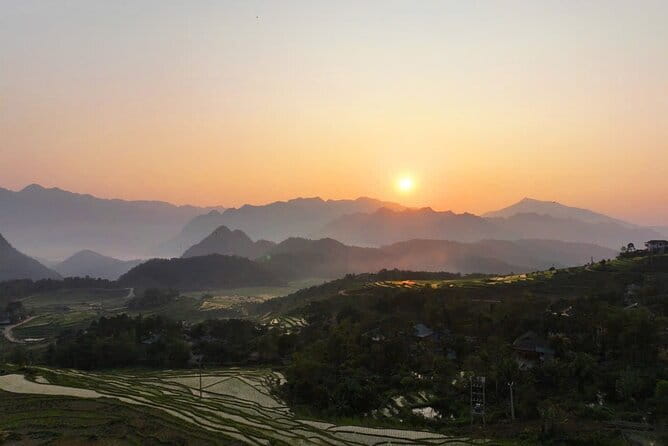
After the north-side discovery, you continue to the southeast of Sapa into the Muong Hoa valley. This part centers on the Dzay ethnic group, and the goal is to see how valley life looks from the inside—not only from viewpoints.
Muong Hoa is especially tied to terraced rice scenes. In practical terms, that means you can expect repeated view angles over the valley as the walking route passes through areas that open up toward terraces. Even if you’ve seen photos before, seeing the terraces from multiple angles helps them make sense—how steep the slopes are, how the fields follow the contours, and how paths and villages connect to that terrain.
And since this is still guided, the cultural component stays active. You’re not just collecting photos of scenery; you’re learning how people describe their own community and how they handle daily work in mountain terrain.
The best mindset for Muong Hoa
This stretch is where a lot of people rush, because the views pull you forward. Don’t. Let your guide slow the pace just enough for you to ask questions and take photos when it feels natural. You’ll get better photos, but more importantly, you’ll actually understand what you’re looking at.
The tour also mentions that the return to Sapa happens on a different road—basically a reminder that the day is about variety. That variety is useful because it helps you avoid the feeling of doing the same route twice.
Private format and pickup: comfort matters on mountain days
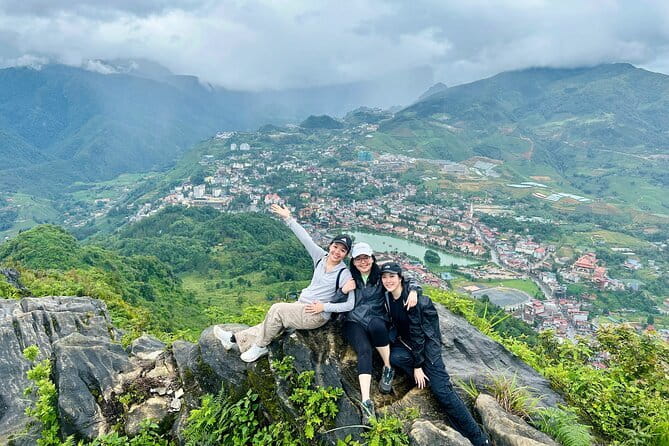
You’re picked up at your hotel, and the tour runs as a private tour/activity, meaning only your group participates. That might sound like a luxury detail, but in Sapa it’s genuinely helpful. You can ask for pacing changes, clarify questions on the spot, and avoid the stress of keeping up with people who walk faster or slower than you do.
Pickup also matters because Sapa roads can be confusing, and starting from the hotel reduces friction. Fewer moving parts usually means more time enjoying the day.
What’s included vs. what you should budget for
Included:
- English speaking tour guide
- hotel pickup
- entrance ticket
- photo and video help (taking photos, editing videos)
Not included:
- tips
- car or motorbike (for returning if you’re tired)
This is where value thinking comes in. At $29.48 per person for about 4 hours, the price is low enough that you can treat it as a cultural primer plus a scenic walk. But because tips and possible transport back are extra, I’d keep a little cash aside or confirm options with the guide if you think you might need that ride.
Price: what $29.48 buys you (and what it doesn’t)
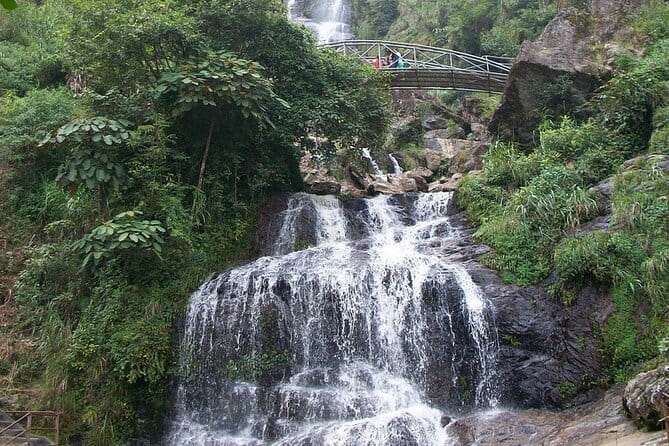
Let’s talk value in a grounded way. For roughly half a day, you’re paying for a few big things at once:
- a local guide who can explain Black Hmong, Red Dao, and Dzay life
- guided access to village areas and experiences like welcome drinks and tea
- an included entrance ticket and pickup
- active help with photography and video editing
What the price does not promise is a long trek that hits every possible Sapa trail highlight. The tour is built around a workable time window, so you get strong sampling rather than an all-day wilderness immersion.
Given that, I’d recommend it if:
- you want meaningful cultural contact without committing to a 6–10 hour trek
- you prefer fewer logistics and a flexible guide
- you’re okay with a route that’s sensitive to weather and timing
If you want a full long-distance trek with only trail time, you may feel the short duration. But if you want the right mix of culture + walk + views, the cost feels reasonable for what’s included.
Photo help and tea time: why these small parts hit hardest
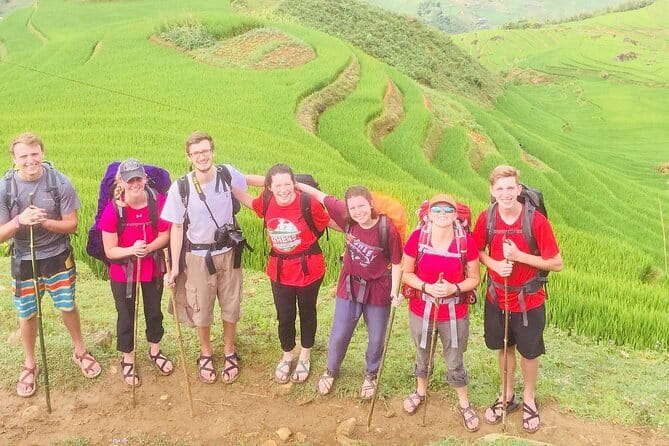
Two things tend to make this type of tour feel better than a standard hike.
First is the photo and video help. When you have a guide who can take photos for you (and edit videos), it reduces the awkwardness of trying to frame shots while also walking safely on uneven paths. It’s also one less thing to manage mentally during the day.
Second is the tea-and-talk structure. Tea time sounds small, but it’s a turning point. It signals that this isn’t just passing through someone’s neighborhood. You sit, you listen, and you get answers that don’t fit into a quick walking conversation.
And yes, there’s also the welcome drink moment. Those small gestures build trust quickly, especially when you approach villagers with curiosity instead of an agenda.
Weather and safety: plan for changes without stressing
The tour notes that the itinerary could change due to weather, time booking, or to make sure you stay safe. In Sapa, that’s normal. Mist, rain, and slick trails can turn even a short trek into a poor idea.
So go in with a flexible attitude. Keep your schedule relaxed. Wear gear that can handle changing conditions. If your guide adjusts the route, treat it as part of good travel, not a failure.
Who this trek is best for
This experience fits best if you:
- have limited time in Sapa but still want real culture contact
- prefer a private guide and a comfortable start with pickup
- enjoy moderate walking with chances for views and village conversation
- want to learn about Black Hmong, Red Dao, and Dzay communities in one day
It may not be the best match if:
- you’re looking for a long, strenuous multi-trail trek
- you dislike short hikes and would rather spend the day outdoors with fewer cultural stops
- you don’t want any chance of extra costs if you decide you need a car/motorbike back due to fatigue
Should you book this Sapa private trek?
I’d book it if you want a fast, friendly introduction to Sapa’s ethnic communities and you’re okay with a short, well-paced trek. The blend of Black Hmong and Red Dao village time, plus the Muong Hoa valley and Dzay encounters, is exactly the kind of structure that makes a limited schedule feel rewarding.
I’d skip it if your priority is a long trek with maximum time on trails only, or if you expect the included price to cover every form of transport. Keep in mind that return by car/motorbike is possible if needed, but it’s not included.
If you’re the type who likes meeting people, asking questions, and getting good photos without turning the day into a checklist, this is a strong match.
FAQ
How long is the trek?
The trekking experience is about 4 hours.
Is pickup from my hotel included?
Yes. Pickup at your hotel is included.
Is this tour private?
Yes. It’s a private tour/activity, and only your group participates.
Which ethnic groups will I learn about?
You’ll visit and learn about traditions and customs linked to the Black Hmong and Red Dao in the northern part of Sapa, and then the Dzay ethnic group in Muong Hoa valley.
Do I need to pay an entrance ticket?
The entrance ticket is included, so there’s no separate admission fee for the included portion.
Can the guide help with photos and video?
Yes. The tour includes help with taking photos and editing videos.
What’s included in the tour price?
Included items are the English-speaking tour guide, hotel pickup, entrance ticket, and photo/video support.
What is not included?
Tips are not included, and car or motorbike transport is not included.
What if I get tired during the trek?
If you’re tired, you can ask the guide to arrange a motorbike/Car to bring you back to your hotel. That ride is excluded from the tour price.
If the weather is bad, will the plan change?
The tour says the itinerary could change due to weather, time booking, or safety, so be ready for route adjustments.