REVIEW · CATANIA
From Catania: Mount Etna Trekking Private Experience
Book on GetYourGuide →Operated by Etna Experience Excursion · Bookable on GetYourGuide
Etna is not a half-day photo stop. From Catania, this private trekking day gives you 5 to 6 hours on volcano terrain above 2,000 meters, led by an expert who can explain what you’re seeing. I love the volcanic cave element, and I love the fact you’re not herded around with a huge crowd.
One thing to plan for: cave access can be limited in winter. If snow or ice makes caves unsafe, that part may be inaccessible, even though the rest of the day still runs.
You’ll hike high but not to the central crater, typically around 2,000–2,300 m. It’s a serious trek, yet it stays at altitudes that many people find doable with the right shoes and thick socks.
In This Review
- Key takeaways before you go
- How this private Mount Etna trek runs from Catania
- North or South Etna: the route choice that changes the whole day
- The trek itself: what 5–6 hours on Etna really feels like
- Volcanic cave time: helmets, torches, and safety limits
- Lunch at altitude: included sandwiches and real mountain timing
- Gear and fitness: the rules that keep the day fun
- Price and value for a private group up to 4
- What kind of traveler fits this Etna day best?
- Final call: should you book this Mount Etna private trek?
- FAQ
- FAQ
- What time does pickup start in Catania?
- How much of the day is actual trekking?
- Will we visit a volcanic cave?
- What food and drinks are included?
- What languages are the guides?
- Is the tour wheelchair accessible?
Key takeaways before you go
- Private guide and private timing: hotel-area pickup and a full day built around your group
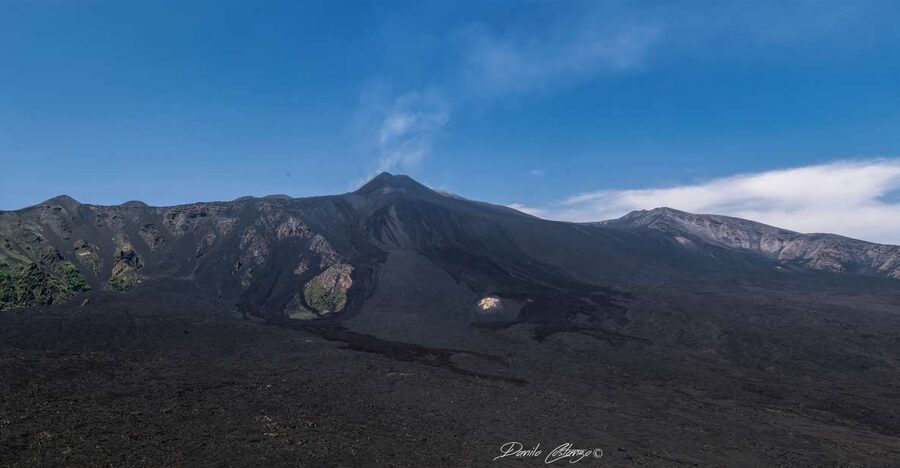
- 5–6 hours of trekking on Etna, usually without going to the central crater
- North vs south route choices depending on weather, with very different sights
- Volcanic cave visit with helmets and torches, weather-dependent in winter
- Lunch included as a packed sandwich meal at altitude
- Altitude between 2,000 and 2,300 meters plus real walking time, not just a short stroll
How this private Mount Etna trek runs from Catania
This is a true full-day Mount Etna experience built around one question: can you handle a long, active hike on a living volcano? You start with pickup in Catania, near your hotel or at a nearby meeting point, with departure around 8:30 AM.
The day is paced for movement. You travel up to Etna first (about an hour), then you spend the bulk of your time walking—roughly 5 to 6 hours of trekking total—plus a shorter guided stop for viewing and explanation. The itinerary is long enough that you’ll feel like you actually did something, not like you paid for a bus ride and a quick viewpoint.
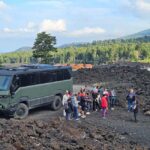
Your transport is an 8-seat jeep or minivan setup, designed for getting up to the mountain areas that normal roads can’t always reach. It’s private, so your guide can adjust the pace and timing around your group’s needs, as long as the weather and safety rules allow it.
I also like that the day isn’t trying to cram every single Etna feature into one checklist. Instead, it builds around what you can realistically see on a trek: craters, lava fields, and sometimes a cave. That focus is what makes it feel like a real hike with story, not just sightseeing.
You can also read our reviews of more tours and experiences in Catania.
North or South Etna: the route choice that changes the whole day
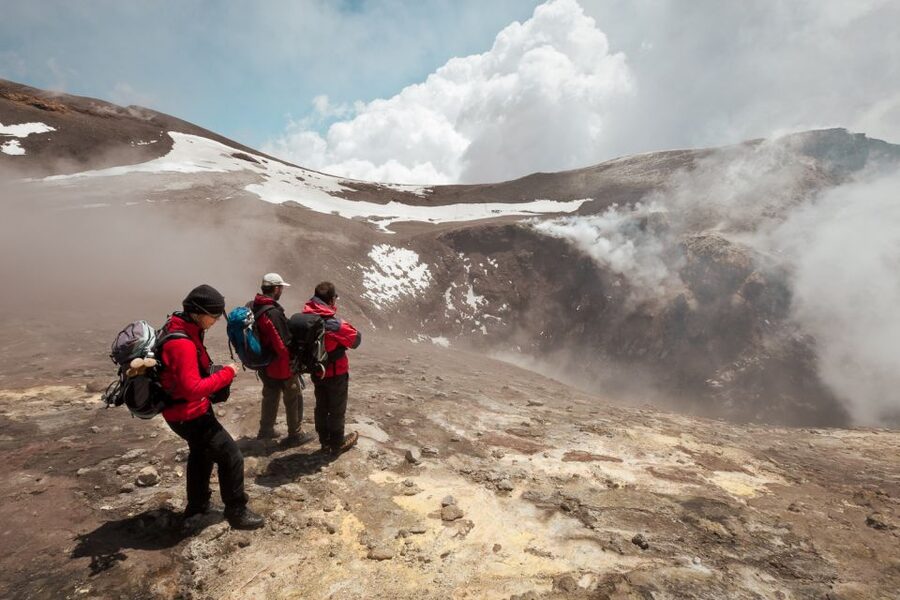
A big part of why this tour feels special is that you go either north or south depending on weather conditions. And those two sides don’t look the same.
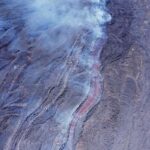
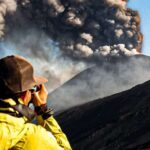
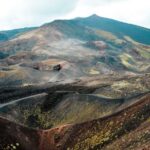
If you’re on the south side, you’re set up to see dramatic evidence from the February 2025 eruption aftermath. You’ll drive along a scenic high-altitude road to reach an enormous lava flow that stretches over 3 km. This is the kind of sight that makes Etna feel less like a mountain and more like a place where the planet is actively rewriting the ground.
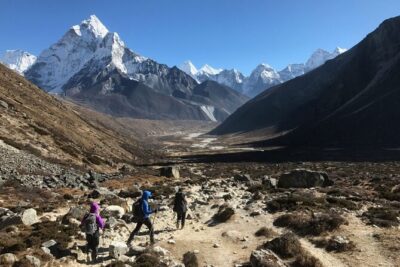
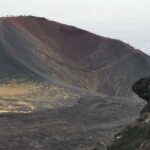
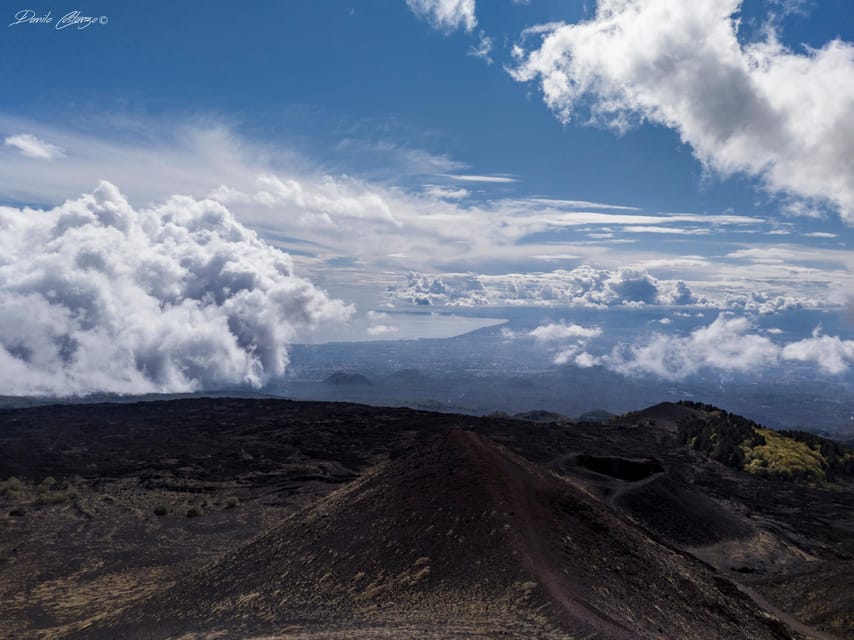
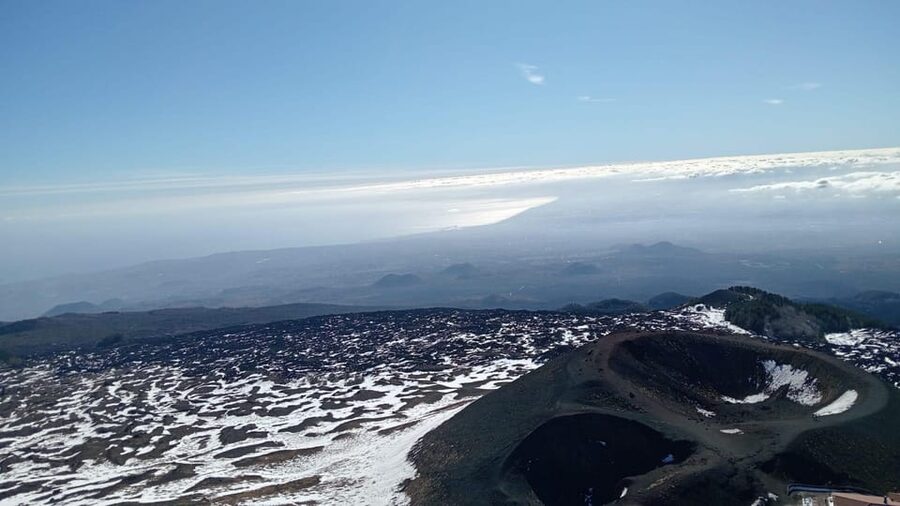
If you’re on the north side, you’ll hike along nature trails that circle a string of craters. Think of craters arranged in patterns like buttonholes, with lava caves and native vegetation along the way. This side tends to feel more like a guided walk through volcanic terrain, with more opportunity to stop and look down at the shapes the volcano carved.
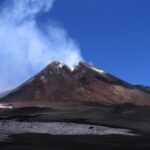
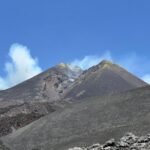
Either way, you’ll reach altitudes between about 2,000 and 2,300 meters. Etna’s summit is around 3,340 meters, but this tour doesn’t aim for the central crater. That’s good news if you want a challenging day without the extreme commitment of a summit push.
So the practical takeaway: if your heart is set on seeing the eruption aftermath, your chances increase if the south route is selected. If you want more trail-style crater circling and cave scenery, the north route fits that mood.
The trek itself: what 5–6 hours on Etna really feels like
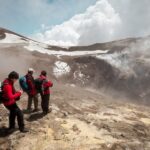
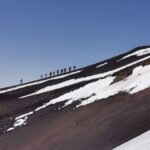
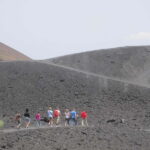
This is an advanced trek in the sense that it’s not a flat, easy walk. You’re hiking at altitude, on volcanic ground that can be uneven and sometimes slippery depending on conditions. The good part is that the time on foot isn’t random. The route is designed to connect you to the main volcanic features you’d want to understand.
During the day, you’ll be moving for about 4 hours of hiking on Etna, with additional time for stops and a visit period later. The walking is where your understanding changes. Up close, you notice how lava cooled, how paths cut across older rock, and how crater shapes repeat across the terrain.
You should also expect to stop often. An expert guide helps you connect what you see—craters, lava surfaces, and cave openings—to what it means in volcanic terms. Some groups may be led by geologist-type experts such as Danilo, praised for clear English and a friendly style, or Manuel, noted for solid volcano expertise. Even if your guide isn’t one of those names, you’re still getting the same core promise: real explanation, not just walking.
If you’re thinking of doing this because you love trekking, you’ll probably be happy. If you’re thinking of doing it because you want a gentle taste of Etna, you might find it harder than expected. Your shoes, socks, and jacket choice can make the difference between a great day and a long day you’d rather cut short.
Volcanic cave time: helmets, torches, and safety limits
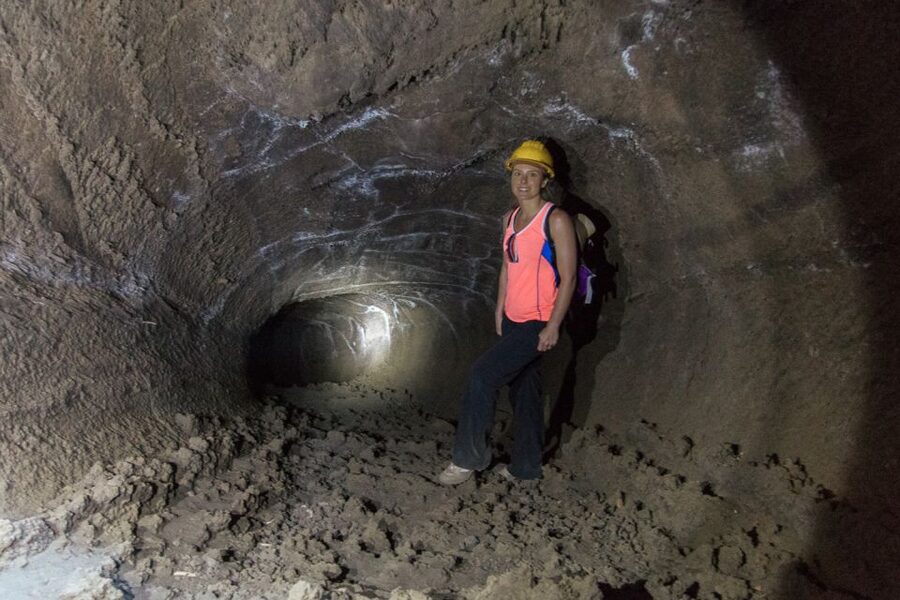
One of the most memorable elements here is the volcanic cave visit. When the cave is accessible and safe, you get the proper gear: helmets and torches. Your guide also includes a brief speleology lesson—basically, how caves work and how to move safely in them—so it’s not just a walk through darkness.
This part matters because caves are where Etna’s story becomes physical. You get a chance to see how lava and rock form spaces over time, and you get a new way to picture volcanic activity—not just what you see from above.
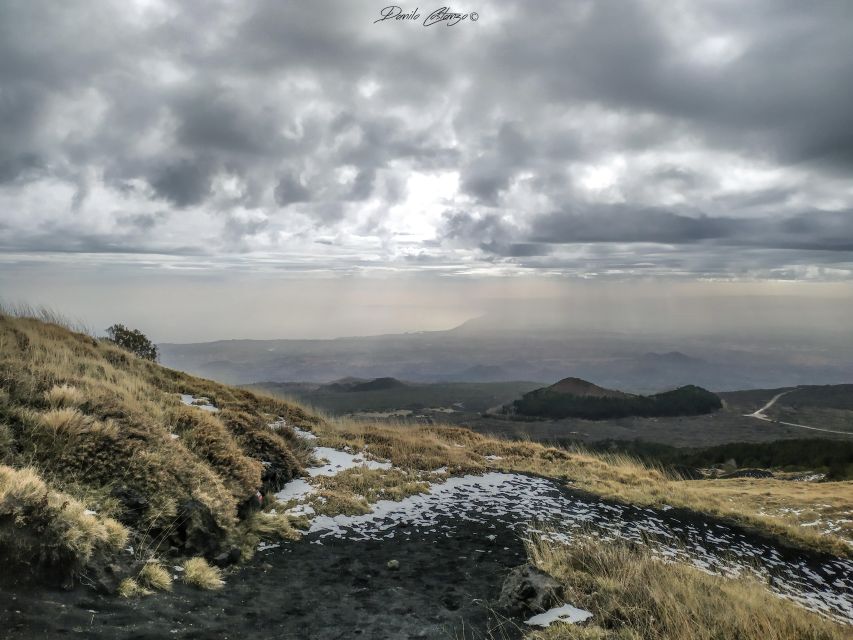
That said, there’s an important reality check: weather controls cave access. In winter, if there’s snow or ice, caves may be inaccessible or unsafe. You won’t be able to power through this. Safety comes first.
So if you’re traveling in colder months, keep your expectations flexible. You may still have a fantastic trek and viewpoints, but the cave might not happen. The good news is that the tour is built to remain meaningful even if one dramatic element is trimmed.
Lunch at altitude: included sandwiches and real mountain timing
Food on Etna tours is more than a perk. When you’re hiking for hours at altitude, your energy matters.
This tour includes lunch as a packed, natural meal—sandwiches—and it’s part of the schedule (about an hour). You’ll want to keep your backpack ready so you’re not rummaging around for supplies while everyone else is moving.
Snacks and water are included, which helps you avoid the common mistake of thinking you can do a long hike on coffee and willpower. You’re also encouraged to bring a small bottle of water, plus a backpack to carry the included lunch.
You can usually ask for dietary options: vegetarian, vegan, and celiac choices are available. That’s a relief if you don’t eat like a typical tourist.
The lunch timing is also useful for your pacing. After a few hours walking, it gives your body a reset before the later parts of the day. And since you’re at altitude, you’ll likely feel that mountain chill even when the sun is strong, so have your jacket plan nailed down.
Gear and fitness: the rules that keep the day fun
This isn’t a tour where you can show up in sneakers and hope for the best. The mountain doesn’t care about optimism.
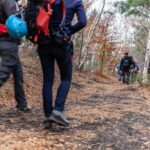
You should bring comfortable shoes and a jacket. More specifically, the trekking footwear matters: you’re expected to have trekking shoes with thick socks. If you don’t, your guide may decide you can’t join the excursion. If you tell the local partner in advance, you may be able to get what you need—but don’t assume that’s automatic if you arrive unprepared.
Also pack a small bottle of water and a backpack for the packed lunch. Even though snacks and water are included, having your own water bottle gives you more control, especially if you like to sip frequently.
Weather can change the plan, and winter can mean extra gear like snowshoes if necessary. Your guide will also have helmets and torches for the cave visit when it’s on.
Fitness-wise, this isn’t the right match if you have heart problems or a low level of fitness. It’s not suitable for wheelchair users or people with mobility impairments.
And one more clear point: unaccompanied minors are not allowed, and alcohol and drugs aren’t permitted.
If you meet the baseline (shoes, jacket, and comfort walking for hours), you’ll likely find the trek rewarding rather than punishing. If you’re on the edge, this is the one you should think twice about.
Price and value for a private group up to 4
The price is $677.54 per group up to 4 for about 8 hours total. That can look steep if you compare it to a group bus tour. But compare the package instead.
You’re paying for:
- Private group time (not sharing your hike with strangers)
- Pickup near your hotel in Catania
- Transport by jeep or minivan
- A professional guide plus insurance
- Snacks and water
- Lunch included
- Cave gear (helmets and torches), and snowshoes if needed
For a group of four, the per-person cost can feel more reasonable—especially when you factor in that lunch and specialized equipment are included. Also, private time on a volcano is worth something. You can ask questions, pause when you see something cool, and keep a steady pace that doesn’t depend on a big crowd’s rhythm.
Is it worth it? If your priority is a real, guided trekking day with volcanic features (including a cave when conditions allow), this is the kind of tour that delivers the “you actually did Etna” feeling.
If you’re mostly hoping for easy walking and lots of time just hanging out, you can probably find a lighter option.
What kind of traveler fits this Etna day best?
This trek is best for people who:
- Love hiking and can handle hours of walking on uneven ground
- Want an expert guide who explains what you see as you go
- Prefer a private experience with hotel-area pickup
- Are comfortable at 2,000–2,300 meters and understand you won’t reach the central crater
It’s also a good fit for geology-curious folks. Even though the tour is framed as nature trekking, the guide’s volcanic explanations are a core part of the value. It’s not just scenic walking; it’s a story you can track in the terrain.
It’s not the best fit if you:
- Need wheelchair access
- Have heart conditions
- Struggle with sustained walking and altitude on rough ground
- Are traveling with unaccompanied minors
If you’re traveling as a couple or small family and everyone is in good trekking shape, private can be a sweet spot—especially if you want your guide’s attention without competing for it.
Final call: should you book this Mount Etna private trek?
Book it if you want a full, guided volcano hike with enough time to notice details and enough structure to feel safe. The best part is the mix: tough walking, volcanic features on both sides of Etna, and the possibility of a cave visit with helmets and torches. The day is long, but it’s built to be worth it.
Skip it (or choose a gentler alternative) if you’re looking for an easy outing. The altitude, the advanced trek nature, and the footwear expectations are real. And in winter, the cave might be off the table due to snow and ice safety limits.
One smart move: pack for cold and slippery ground even if the morning looks mild. Bring the right shoes and thick socks. Then you’ll spend the day focused on the volcano instead of negotiating your gear.
FAQ
FAQ
What time does pickup start in Catania?
Pickup is arranged from near your hotel in Catania and typically starts around 8:30 AM.
How much of the day is actual trekking?
You’ll have about 5 to 6 hours of trekking on Mount Etna during the full-day excursion.
Will we visit a volcanic cave?
Yes, the experience includes a volcanic cave visit with helmets and torches, but caves may be inaccessible or unsafe during snow or ice conditions in winter.
What food and drinks are included?
Snacks and water are included, and lunch is provided as a packed sandwich meal during the tour.
What languages are the guides?
The live guide speaks English and Italian.
Is the tour wheelchair accessible?
No. It is not wheelchair accessible and is also not suitable for people with mobility impairments.