REVIEW · CATANIA
From Catania: Mount Etna Guided Panoramic Trek
Book on GetYourGuide →Operated by Etna Hiking · Bookable on GetYourGuide
Black lava under your boots is the real deal. This Mount Etna guided panoramic trek is interesting because you’re hiking on an active volcano with a naturalist guide who explains what you’re standing on, and you get to explore a lava cave while looking out over Silvestri Craters and Valle del Bove. I especially liked the friendly way the guide teaches (Alessandro was passionate and easy to follow in English), and I loved the payoff of running downhill on the black lava sand. One watch-out: the route is a steep loop at altitude, and the tour isn’t a fit for people with vertigo, heart or respiratory issues, altitude sickness risk, or pregnancy.
You’ll be walking through volcanic material from about 1,800 to 2,400 meters with a lunch break at the top area, all wrapped into a full day that lasts around 7 hours including pickup and transfers. The hike itself is around 3.5 hours, and the group stays small (up to 10), so you’re not lost in a crowd. You also don’t have to play gear roulette because jackets, hiking shoes, and poles are included.
Plan for sun, wind, and effort. You’ll want your own daypack and basics like water and sunscreen, and you should know the lava cave visit can be paused if there are strong tremors and eruptions. If your idea of a vacation hike is flat and gentle, this will feel like real work—but if you like nature with a little adrenaline, it’s a great match.
In This Review
- Key things I’d pin to the top
- Mount Etna Guided Panoramic Trek: what it really feels like
- Where you start in Catania and how the day is paced
- Gear: what you get, what you still need, and why it matters
- The guided naturalist hike from 1,800 to 2,400 meters
- Stop-by-stop: what happens on the mountain
- Start: meeting points and being ready to move
- Mount Etna guided portion: the 3.5 hours that do the work
- Lava cave visit: small tunnels, big mood
- Lunch at 2,400 meters
- Running downhill on black lava sand
- Views you’ll remember: Silvestri Craters, Valle del Bove, and the wider horizon
- Who this tour suits best (and who should skip it)
- Price and value: why $62.63 can make sense here
- What makes the guide matter (Alessandro’s role in the experience)
- Should you book Mount Etna from Catania?
- FAQ
- How long is the Mount Etna guided panoramic trek?
- What altitude range will we hike?
- Is the route steep?
- What’s included in the tour price?
- What should I bring with me?
- Do I need to speak Italian?
- Is the lava cave visit always guaranteed?
Key things I’d pin to the top
- Small-group naturalist guiding (max 10) means more attention and a better pace match
- Alessandro’s teaching style is clear even if your English is only average
- Lava cave and black lava terrain turn the mountain into a hands-on geology lesson
- Silvestri Craters + Valle del Bove viewpoints give you dramatic “volcano map” context
- A run downhill on black lava sand is silly-fun in the best way (and totally worth saving energy for)
Mount Etna Guided Panoramic Trek: what it really feels like
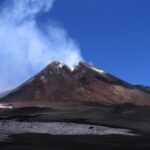
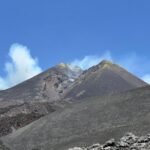
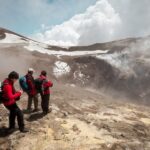
Mount Etna is one of those places where the setting does part of the explaining for you. You’re not just looking at a volcano; you’re moving over volcanic ground that formed from past activity. This guided trek is built around that reality: you hike up to about 2,400 meters, take in summit-crater terrain and big cauldron-like hollows, and then come back down over black lava sands.
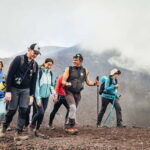
The vibe is outdoors and naturalist, not museum-like. Your guide talks geology and how the volcanic landscape formed, while you’re still in the middle of it—so the story sticks. And because the group is limited to 10, it stays interactive. You can ask questions without shouting, and the pace can match the level of the hikers.
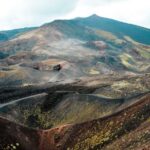
If you’re wondering whether this is mostly “views” or mostly “walking,” it’s both. The payoff comes from connecting what you see—Silvestri Craters’ colorful look and the wide scope of Valle del Bove—with what you feel underfoot: gritty volcanic rocks and sand that can be surprisingly demanding on the return.
You can also read our reviews of more tours and experiences in Catania.
Where you start in Catania and how the day is paced
Pickups run from either Anfiteatro Romano di Catania or Bar Ristorante Crateri Silvestri, depending on which option you choose. Either way, the tour is designed as a full-day experience rather than a quick half-hike. The total duration is around 7 hours, and that includes the time to get to the trail area and back.
Here’s the practical rhythm: you start with pickup, then spend time hiking at altitude with a guide, and you get a break for lunch around 2,400 meters. That high lunch point matters. Even if you don’t love “big altitude lunch views” as a concept, it changes the whole feel of the trek. At that height, you’re farther into the volcano’s world—views widen, air feels sharper, and the silence is real.
One pacing detail you should take seriously: the walking portion is about 6 kilometers along a steep loop with roughly 500 meters of elevation change. That’s not a casual stroll. You’ll likely feel it in your legs by the time you’re halfway back down.
Gear: what you get, what you still need, and why it matters
A big value point here is that you don’t have to bring or rent the key hiking gear. The tour includes jackets, hiking shoes, and hiking poles. That’s helpful if you’re traveling light or you don’t want to gamble on shoe fit. Good poles make a difference on a steep volcanic loop, especially when the ground shifts under you.
What you’ll still want to bring:
- Comfortable clothes (layers help)
- A daypack
- Sunglasses and sun hat
- Sunscreen
- Food and drinks (lunch is planned, but you’ll still appreciate personal snacks and water)
- Comfortable shoes if you prefer your own fit (though the tour provides shoes)
Also note the small rules that keep things safe and comfortable: no sandals or flip-flops, and no large luggage. You’re also not allowed baby strollers. Those restrictions aren’t just bureaucracy; they keep movement smooth on uneven volcanic ground.
One more practical tip: sandwiches can be available for sale before the hike. If you know you get hungry fast or want something specific, treat that as part of your plan rather than a last-minute fix.
The guided naturalist hike from 1,800 to 2,400 meters
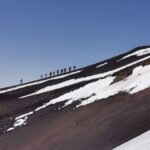
The core hike is guided and designed to take you from about 1,800 meters up toward 2,400 meters. Expect around 3.5 hours of guided hiking time, with stops where your naturalist guide points out what to look for—fauna, flora, and the geology that shaped the terrain.
This is where the experience becomes more than a scenic walk. Instead of “pretty rocks,” you start seeing patterns: how lava flows and eruptions leave behind different surfaces, what crater edges suggest about past activity, and why certain areas look the way they do. Your guide’s job is to translate the volcano into something you can recognize during your own steps.
And I liked the way Alessandro worked with the group. From the tone of the experience, it sounds like he adapts to the level of hikers rather than pushing the same pace on everyone. If your English is just okay, that’s still workable because his explanations are easy to understand. You’ll spend a lot of the day listening, so clarity matters.
Stop-by-stop: what happens on the mountain
Start: meeting points and being ready to move
Your tour begins at one of the two meeting points in Catania. The point isn’t just location—it’s your first chance to get set up. Since gear (jacket, shoes, poles) is provided, you’re mostly checking that you’ve got your basics (hat, sunscreen, sunglasses) and that you’re ready for a real uphill day.
This matters because once you’re on the trail, you’re not turning back for comfort fixes. You’re stepping into a terrain where wind can pick up and where volcanic ground is uneven enough to slow you down if you’re unprepared.
Mount Etna guided portion: the 3.5 hours that do the work
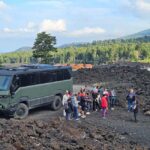
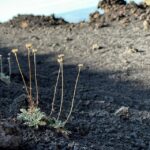
During the guided hiking portion, you’re walking through volcanic ground in a loop that adds up to about 6 kilometers with significant steepness. The tour takes you across areas where you can see large cauldron-like hollows and also look toward Valle del Bove and beyond.
Two big view “anchors” you should keep on your mental map:
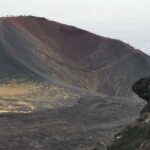
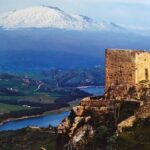
- Silvestri Craters, known for their striking colors
- Valle del Bove, a wide volcanic valley that gives scale to the whole system
These aren’t just postcard backdrops. They help you understand the geography of the volcano—like learning where you are on a diagram while you’re still standing on it.
Lava cave visit: small tunnels, big mood
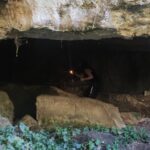
One of the most memorable parts of the trek is the small lava cave. You’ll explore it (when conditions allow) and then walk through black lava rocks and crater terrain.
The cave adds a different kind of feeling. Outdoors on the surface, everything is light and open. Inside a lava tunnel, it’s more enclosed and quiet, and the contrast makes the whole volcano feel more real. It’s also a tactile way to see volcanic materials at work.
There is a safety reality to keep in mind: in case of strong tremors and eruptions, it won’t be possible to visit the lava cave even if the eruption has ended. That’s not a trick or a surprise at the last second—it’s simply how volcano day planning works.
Lunch at 2,400 meters
Lunch happens at about 2,400 meters. Even if you’re hungry, don’t treat it like a regular lunch stop. This is a high-altitude break on volcanic ground. Take time to settle your breathing, drink water, and let your legs cool down before the return.
If you’re sensitive to altitude or get winded easily, this is the moment to slow down and pace yourself for the downhill segment.
Running downhill on black lava sand
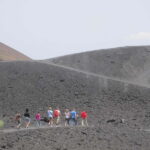
Then comes one of the most fun elements: you get the chance to run downhill on the black lava sands.
It’s optional in spirit but very much “part of the experience.” And it feels hilarious in a way that makes you understand why people say you should treat a trip like this as a physical story, not just a sightseeing day. The black sand can be grippy and springy compared to rock, but it’s still volcanic material—so don’t turn it into a sprint if your footing feels unstable. The goal is to enjoy the sensation while staying safe.
Views you’ll remember: Silvestri Craters, Valle del Bove, and the wider horizon
The mountain gives you multiple layers of “where am I?” With Silvestri Craters in view, you get that colorful volcanic character. With Valle del Bove, you get scale—a huge channel that makes the volcano system feel larger than your personal trail effort.
You’ll also have sightlines toward Calabria and the Ionian Coast. That wide horizon is useful because it anchors the volcano in its real geography. Etna isn’t isolated; it sits in a region with coastlines and nearby landscapes that change how you interpret the terrain.
One thing I’d tell you directly: take a minute during the best view moment and just stand still. The hike is physical, and it’s easy to rush photos and move on. But the tour’s structure includes enough pauses that you can actually feel the silence of nature and the sounds of the volcano.
Who this tour suits best (and who should skip it)
This trek has a basic physical fitness requirement, and the route includes steep climbing and uneven volcanic ground. It also isn’t designed for everyone.
It’s not suitable for:
- Children under 10
- Pregnant women
- People with heart problems
- People with vertigo
- People with respiratory issues
- People who may have altitude sickness
- People over 70
If you’ve got solid hiking legs, you don’t mind uphill loops, and you’re okay with high altitude, you’ll probably love it. If you get anxious with heights or you know you’re sensitive to altitude, don’t “test it” with this tour—you’ll likely spend the day stressed instead of impressed.
Also, if you’re expecting a lightweight walk with minimal effort, this won’t match that. The fun parts (lava cave, downhill sand run) come after you do the work.
Price and value: why $62.63 can make sense here
At $62.63 per person, this isn’t a splurge compared with many guided excursions, and it has a few built-in value advantages. The big one is gear included: jacket, hiking shoes, and hiking poles. For many travelers, that alone can offset part of the cost, especially if you didn’t pack the right shoes for a steep volcanic hike.
You’re also paying for:
- A guide who brings geology and naturalist explanations
- Pickup and drop-off
- A small group experience (max 10), which usually translates into better pacing and attention
The only real value “tax” is that food and drinks are not included. You’ll want to budget for your own water and snacks, and plan around the sandwich option available before the hike. Still, if you come prepared, the overall package is good: transportation, equipment, and guiding all in one.
What makes the guide matter (Alessandro’s role in the experience)
The guide is central to whether this feels like a cool hike or a memorable learning day. The strongest praise around this tour points to Alessandro: super friendly, passionate, and able to teach geology in a way that’s easy to follow even with average English. That’s a practical detail, not fluff—if you can understand the explanations clearly, the volcanic terrain becomes a lesson you can keep thinking about long after you leave.
Another meaningful part: it sounds like he adapts to the group’s level. On a steep loop, that matters. You want the day to feel challenging, not punishing, and you want time to appreciate the stops—not just survive the climb.
Should you book Mount Etna from Catania?
I’d book this if you want a hands-on Mount Etna experience with a real naturalist guide, not just a drive-by viewpoint. The combination of geology talk, the lava cave, and the black lava sand (including the downhill run) is a fun mix you don’t get from every Etna hike. The small group size also helps the day feel personal.
Skip it if you’re dealing with health limitations (vertigo, heart or respiratory issues, altitude sensitivity) or if steep hiking isn’t your thing. Also remember the lava cave can be canceled due to strong tremors and eruptions—so if you’re only interested in the cave, keep your expectations flexible.
If you’re a reasonably fit traveler who can handle a steep loop and altitude, this is a strong value way to experience Mount Etna up close, with views that actually connect to what you learn on the trail.
FAQ
How long is the Mount Etna guided panoramic trek?
The full tour lasts about 7 hours. The guided hike portion is around 3.5 hours.
What altitude range will we hike?
You’ll hike from roughly 1,800 meters up to about 2,400 meters above sea level, with lunch around 2,400 meters.
Is the route steep?
Yes. You’ll walk about 6 kilometers along a steep loop with around 500 meters of steep climbing.
What’s included in the tour price?
Included are pickup and drop-off, jackets, hiking shoes, hiking poles, and a guided hiking tour.
What should I bring with me?
Bring comfortable clothes, a daypack, sunglasses, sun hat, sunscreen, and food and drinks. Comfortable shoes are also recommended.
Do I need to speak Italian?
No. The live guide is available in English and Italian.
Is the lava cave visit always guaranteed?
No. The tour notes that if there are strong tremors and eruptions, it won’t be possible to visit the lava cave even if the eruption has ended.