REVIEW · CATANIA
Special trekking on the most authentic and wild side of Etna
Book on GetYourGuide →Operated by Guide Vulcanologiche Etna Nord · Bookable on GetYourGuide
Etna’s north side feels more raw and untamed. This 4-hour hike trades the crowds for rare paths and crater-edge walking with volcanology experts.
I especially love the focus on the geology you can actually see up close, and the fact you’re going with authorized volcanological guides who work within the Civil Protection risk rules.
One drawback to be honest: you are close to crater edges at high altitude, and the route can trigger dizziness for some people.
In This Review
- Key things you’ll notice on this Etna Nord trek
- Etna Nord Instead of the Usual Summit Craters
- Starting at Chiosco Bar Mareneve: What to Wear and Bring
- The 4×4 Climb to 2800 m and the Volcanological Observatory
- Panoramic Walk at 2900 m: Summit Craters, Lava Flows, and Visibility
- North-Side Crater Edge Trek: Rift, 1947 Cone, and Ash Slopes
- Price, Included Gear, and the Real Cost
- Safety, Altitude, and Who Should Skip This Trek
- Should you book this Etna Nord trek?
- FAQ
- How long is the Etna north side trek?
- Where do we meet, and where does the tour end?
- What is included in the price of $62.63?
- What extra costs should I expect?
- What should I pack for the hike?
- Is this tour suitable for everyone?
- Can the tour be cancelled?
Key things you’ll notice on this Etna Nord trek
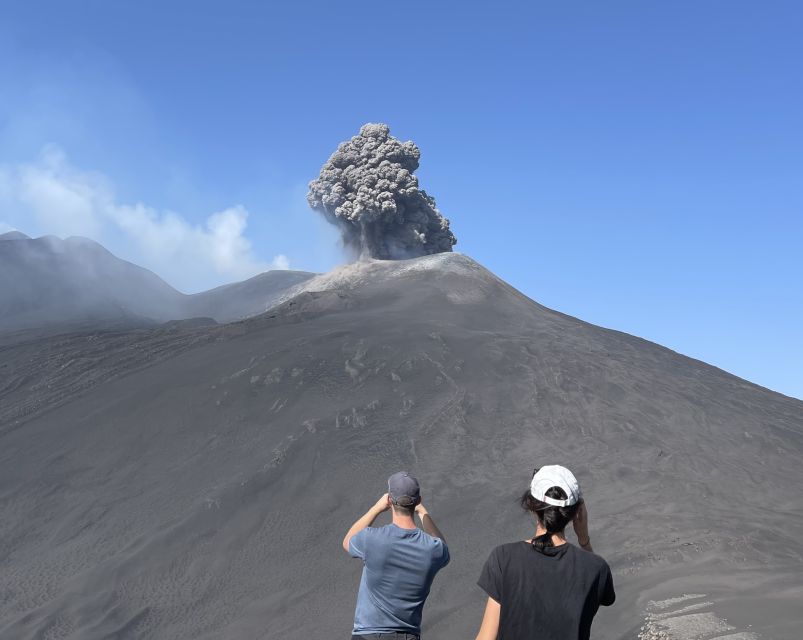
- North-side access when summit areas close: it works as an alternative if the Sommital Craters are restricted due to volcanic risk
- A crater-edge route, not just a viewpoint: you walk along the rim of large craters on the north slope
- Helmet-on volcanic cone time: you can enter a chimney connected to an eruption cone (with protective helmets)
- Rift and fractures you can spot with your own eyes: the north-side Rift is part of the route
- Science explained at altitude: the guides start teaching on the 4×4 ride, then continue on foot
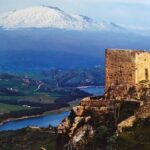
- Views that are real, not marketing fluff: Taormina and the Aeolian Islands can show up from high points, depending on weather
Etna Nord Instead of the Usual Summit Craters
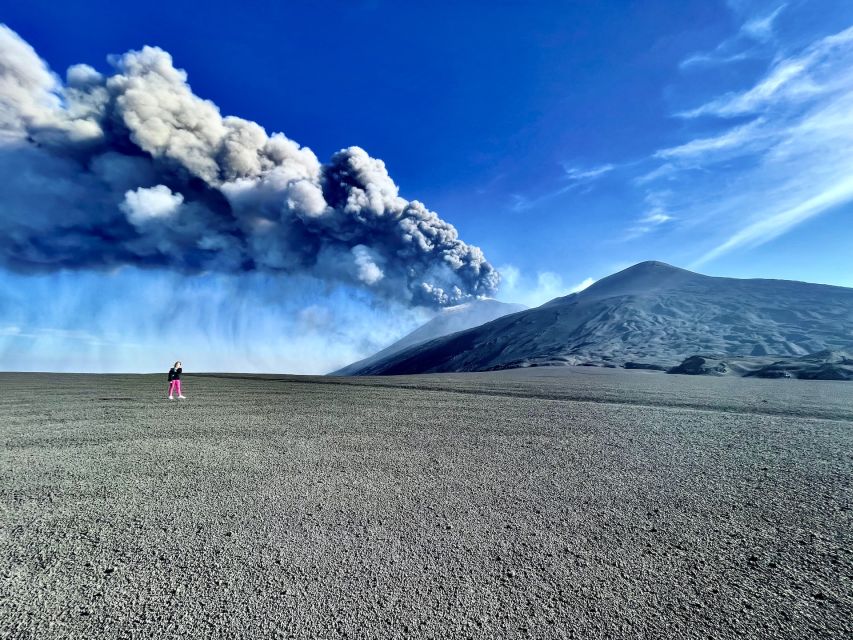
If you’ve only seen Etna from the usual summit viewpoints, this feels like a different volcano. You’re headed to the north side, where the terrain is wilder and the walking follows rarely visited paths.
A big reason this trek is worth your time is the safety logic behind it. The guides are authorized and they follow the current risk communications, so the itinerary goes up to the maximum safe altitudes. And if the summit craters are closed, this route is designed to still give you the most complete experience possible, just by switching focus to what’s accessible safely.
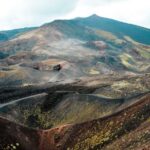
So instead of aiming for the top for the sake of it, you’re studying Etna where it shows its workings: fractures in the ground, caves and crater rims, and the evidence of past eruptions you can physically approach.
You can also read our reviews of more tours and experiences in Catania.
Starting at Chiosco Bar Mareneve: What to Wear and Bring
You meet at the Chiosco Bar Mareneve near the winter chairlift parking area. Plan to arrive a bit early so you can handle the pre-walk gear check without stress. You’ll finish back at the same spot.
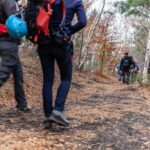
For clothing, think practical and slightly over-prepared. The trek is at altitude, so you want long pants and layers, plus a windbreaker. Wear proper hiking shoes, because without adequate footwear you’re not covered by insurance, and the terrain is rough.
Here’s what I’d treat as non-negotiable from the start:
- Sunglasses and sunscreen for high-altitude glare
- Snacks and drinks (lunch isn’t included)
- A packed lunch if you don’t want to get stuck finding food later
Also, skip anything that could slip or trap your feet. High heels, sandals/flip-flops, and open-toed shoes are not allowed.
The 4×4 Climb to 2800 m and the Volcanological Observatory
A smooth beginning this is not. You start with a drive on special 4×4 vehicles, climbing from about 1800 m to 2800 m. It’s 8 km of road, but the point isn’t speed. It’s getting you onto the high-altitude track while negotiating rough ground safely.
On board, the volcanology guide begins the explanations. That matters because when you step out later, you already know what you’re looking at: fractures, crater edges, and how the eruption history connects to today’s visible shapes.
Then you reach the Volcanological Observatory at high altitude. After that, the first walking part starts around 2800 m. This pacing is smart. It gives your body a chance to adjust to altitude while still keeping the tour moving.
One detail that’s useful in your planning: the groups are organized by language and number of participants to avoid giant packs. That usually means you can hear the guide and you can manage your footing without constant traffic around you.
Panoramic Walk at 2900 m: Summit Craters, Lava Flows, and Visibility
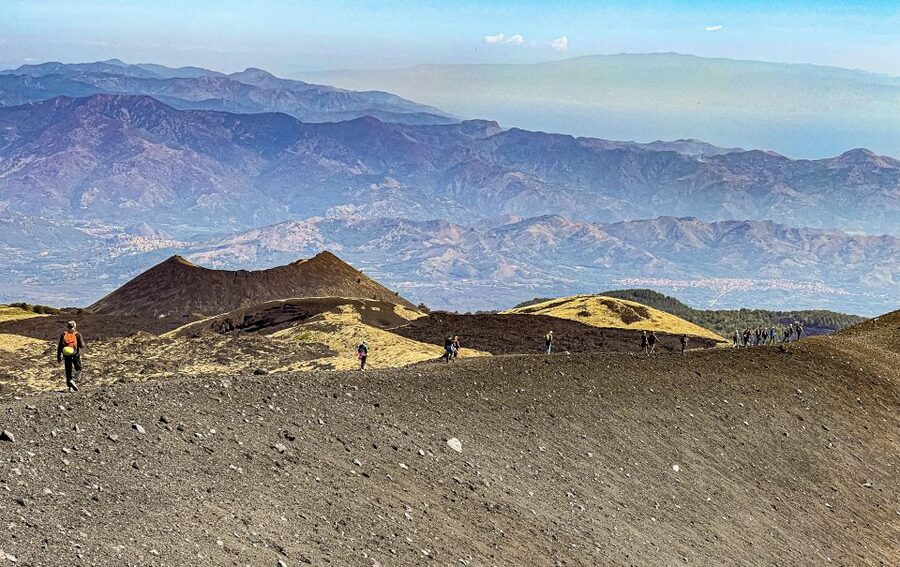
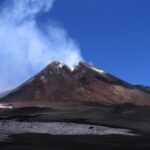
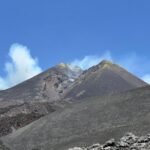
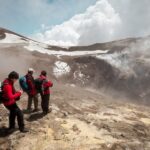
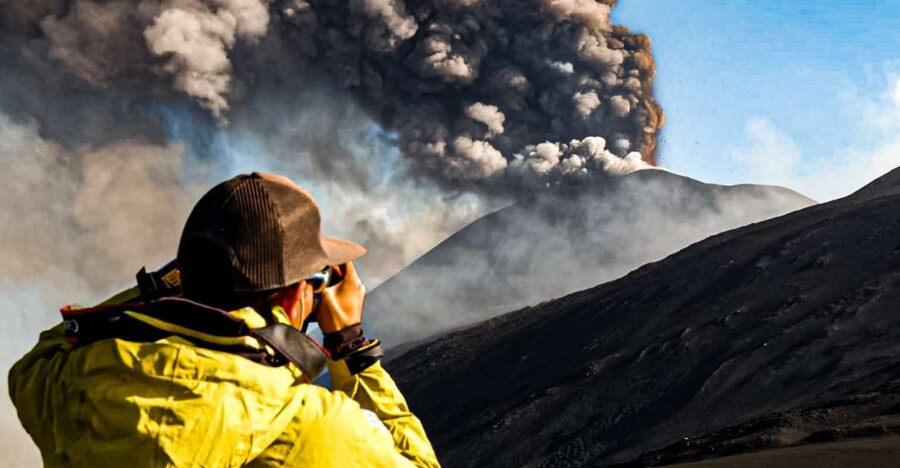
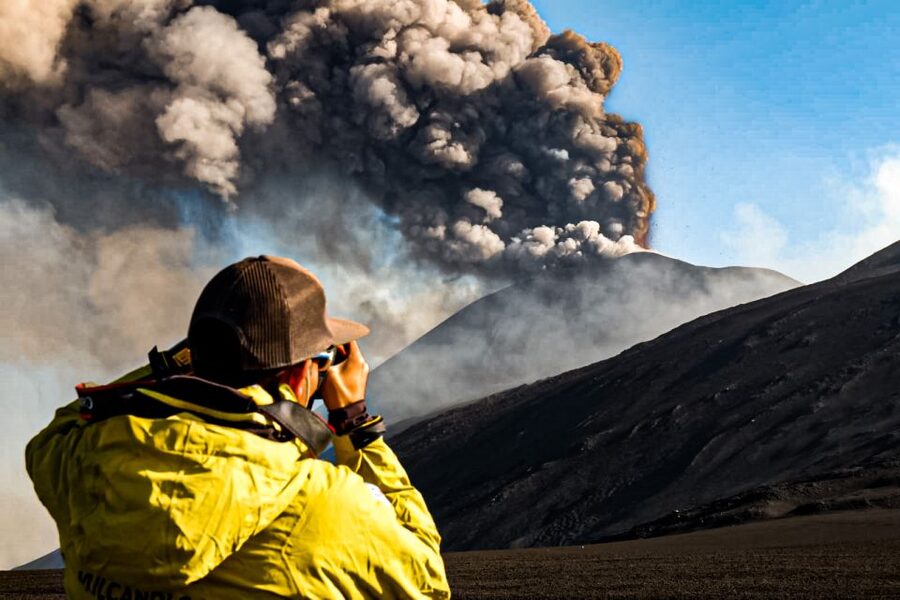
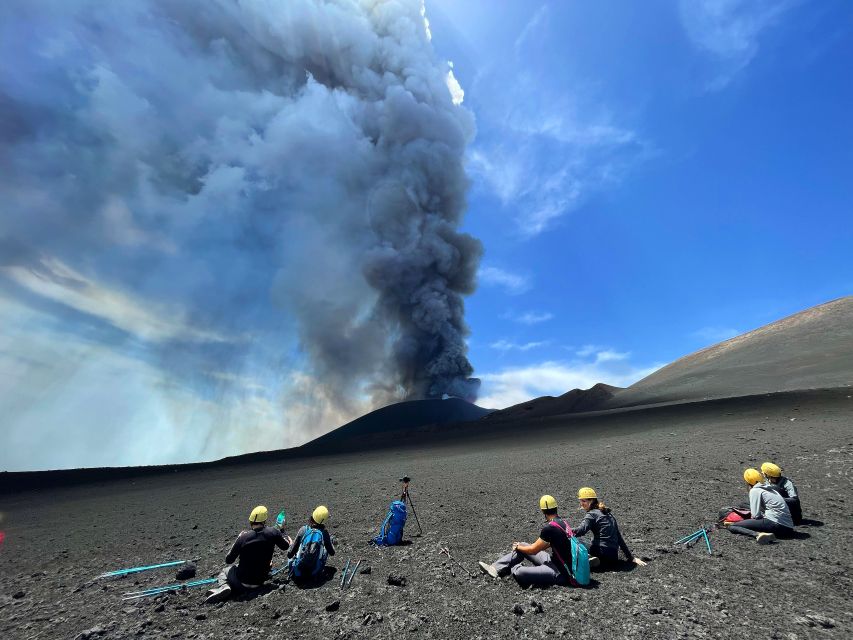
The first trek segment runs from roughly 2800 m to about 2900 m, then you stop at a panoramic point. This is the moment where the guide points out what you’re seeing from above: the summit craters, recent lava flows, and Sicily seen from high.
The views are weather-dependent. That’s not a problem, it’s just reality. If visibility is good, you’ll get a strong sense of how the summit area and surrounding islands relate to the north-side route you’re about to hike.
This short walking stretch also serves a practical purpose. It’s long enough to feel the altitude, but not so long that you arrive at the next segment drained. And since the craters and lava features are the star of the show, it helps to do this before you start the longer crater-edge walking.
A small “read the room” note: if you’re sensitive to height effects, the crater-edge parts later may feel more intense than this first panoramic stop.
North-Side Crater Edge Trek: Rift, 1947 Cone, and Ash Slopes
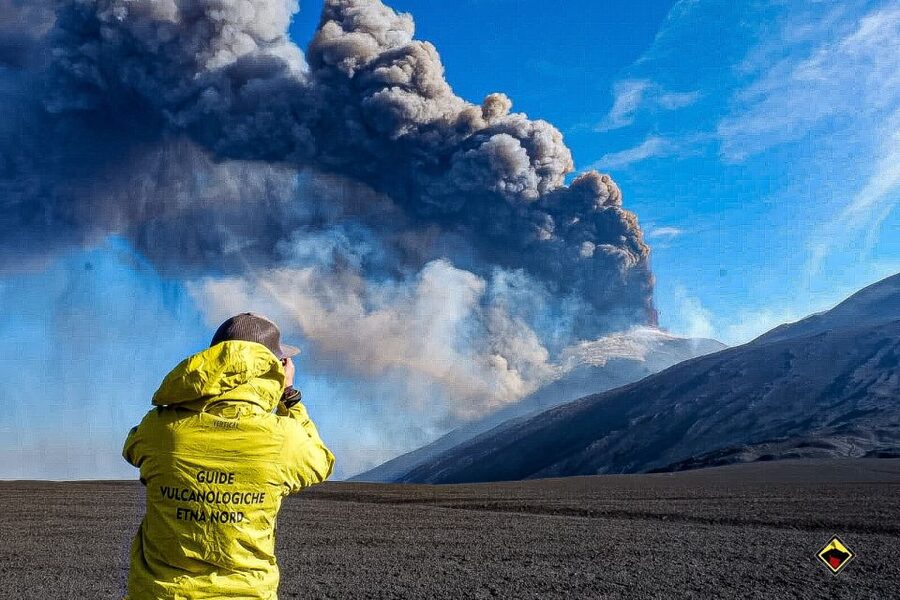
This is the heart of the experience: after the panoramic segment, you return to the 4×4 and head toward the north-side crater area. Then the longest portion is on foot, planned to bring you from the crater side to the start point of that segment.
What makes this walk different from a standard Etna hike is how much it focuses on physical volcanic structures:
- You’ll visit the Rift on Etna’s north side
- You’ll walk around and enter craters connected to the eruption on February 24, 1947
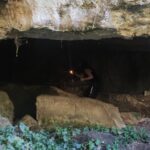
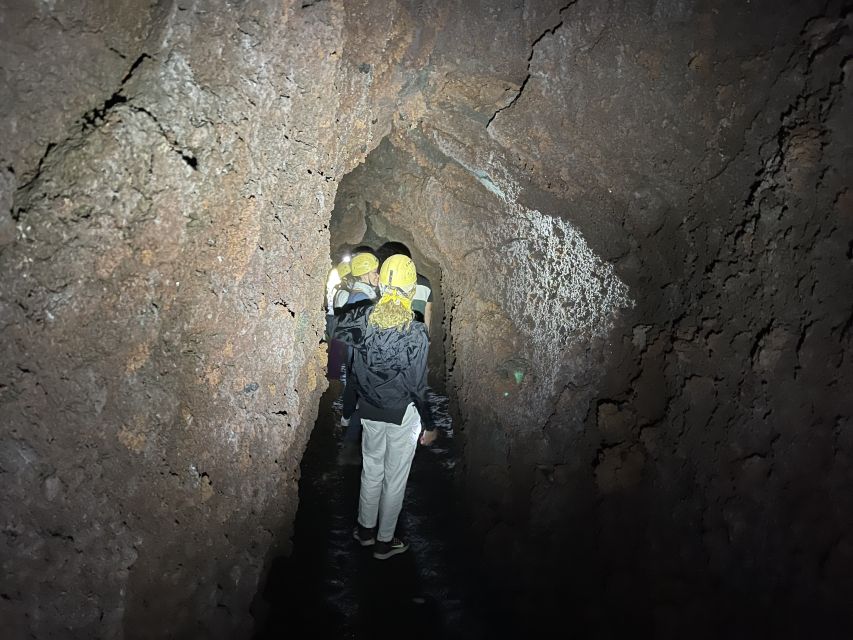
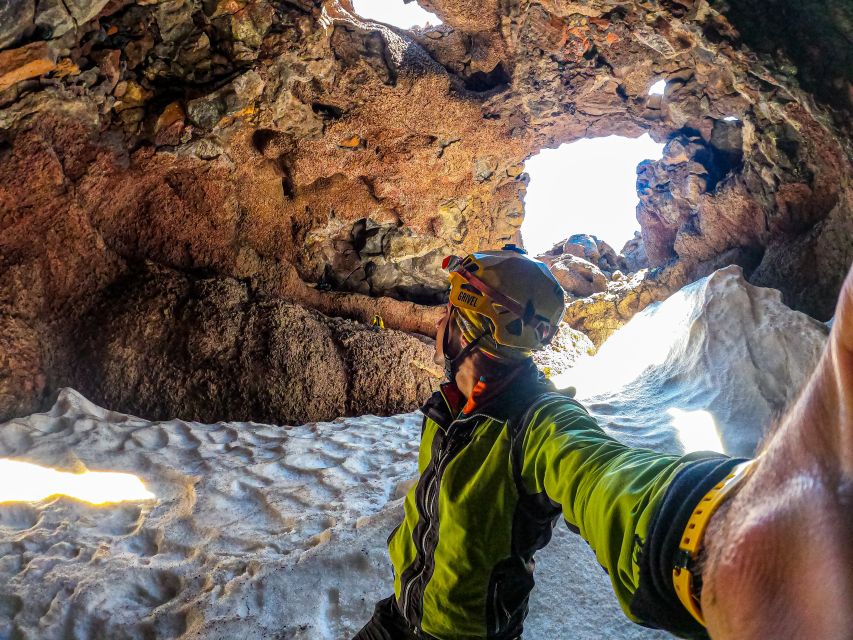
- You enter a chimney of an eruption cone, wearing protective helmets
- You’ll go near the mouths where lava flows were produced
That helmet detail is important. This isn’t just a rim-walk from a safe distance. You get closer to volcanic interiors and pathways, which is exactly where volcano guides can explain the eruption mechanism in a way that clicks in your mind.
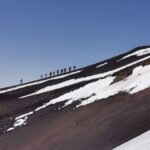
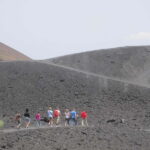
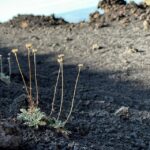
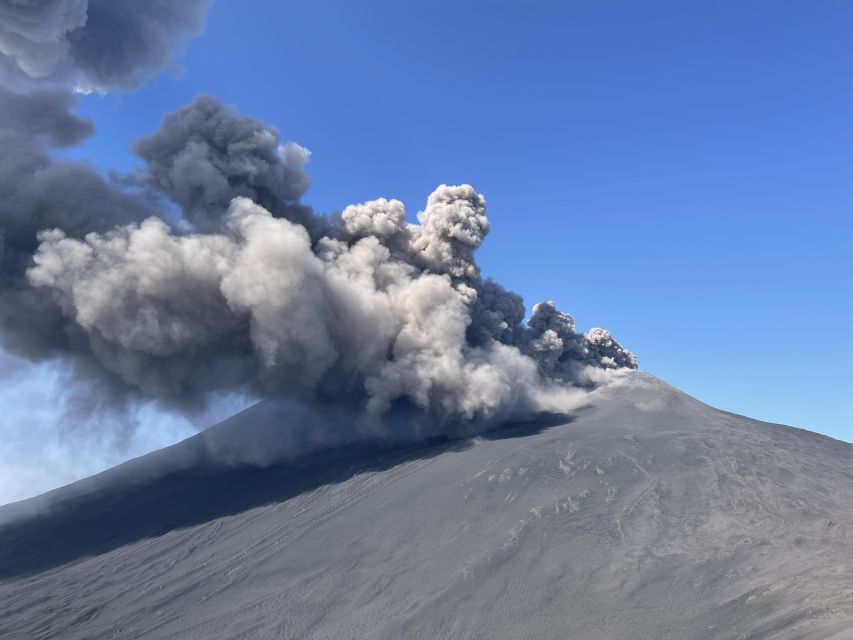
Then the route keeps moving along large explosive crater edges. Expect descents on slopes of volcanic ash, plus crater zones created by multiple lateral eruptions across years including 1914/24, 1809, 1874, 1879, 1911, 1923, and 1974/75, continuing to more recent than 2002.
The provided route distance for the longer walking segment is about 6 km up to Piano Provenzana. You’re not just collecting stamps here. You’re building a mental map of Etna’s behavior through what the ground is doing: cracks, slopes, crater edges, and pathways.
If you’re the kind of person who likes science but also wants it to feel real, this is the part you’ll remember.
Price, Included Gear, and the Real Cost
The listed price is $62.63 per person for a 4-hour tour, but here’s the money truth: that amount covers the guide service and included gear, not the full vehicle cost. There’s an additional €50 per person you pay on the spot for the 4×4 transport (from 1800 m up to 2800 m, and then later down to around 2500 m). Parking is another €3 for the whole day.
So what are you really getting for the base price? A lot of the equipment that usually makes a hike doable on Etna’s rough terrain:
- Authorized volcanological guide
- Trekking poles
- Protective helmets
- Accident insurance
- Trekking shoes
- Warm jackets
- Extra socks
- Backpack
This is where the value shows. If you’ve ever tried to do Etna on your own, you quickly realize you either (1) miss the scientific explanations, or (2) end up improvising safety and footwear. Here, you’re paying to do the walk with the right support, the right gear, and the right guidance.
What you’ll need to budget separately: lunch (not included), bottled water and snacks (not included), and a K-way rain jacket is listed as not included. Since conditions can change at altitude, I’d plan on bringing rain protection even if you also receive warm layers.
Safety, Altitude, and Who Should Skip This Trek
This trek is for moderately trained hikers. The walking happens at high altitude, and your route includes crater edges. That combination isn’t for everyone.
You should think twice (or skip) if any of these apply:
- Claustrophobia (because you may enter volcanic cone/chimney spaces)
- Vertigo or fear of heights (because of crater-edge walking)
- Heart or respiratory issues, epilepsy, or altitude sickness risk
- Back problems or recent surgeries
- People without trekking experience or with low fitness
The route may cause dizziness to susceptible individuals, and you’re also dealing with ash slopes during the longer crater-edge segment. If you feel unsure about altitude tolerance, the best move is to talk to your guide before committing fully.
The tour is run according to the ordinance in force and within safety altitudes. In other words, it’s structured to be as safe as possible, but it’s still an active-volcano hike in real terrain. You’re responsible for bringing adequate shoes and following instructions.
One more practical tip: your health conditions should be shared with the guide if relevant. It’s better to mention it early than to grit your teeth later.
Should you book this Etna Nord trek?
Yes, if you want the Etna experience where science and walking actually meet. This is a smart pick when the summit craters are closed to the public, because the route still gives you crater edges, rifts, and volcanic structures rather than turning into a basic scenic stroll.
Book it if you:
- Like geology and want explanations tied to what you see
- Are comfortable walking at altitude and on uneven ash slopes
- Want helmet-on access to volcanic interior spaces (with appropriate safety)
Skip it if you:
- Get dizzy around heights or you know you’ll struggle at crater edges
- Have claustrophobia or vertigo
- Have health constraints listed as not suitable
In value terms, it’s not the cheapest Etna day because of the extra €50 vehicle transport. But for an authorized volcanologist-led hike on the wild north side, with helmets, proper footwear, and a route that stays active even when summit areas are restricted, it’s a strong use of money.
FAQ
How long is the Etna north side trek?
The activity is listed as 4 hours. Starting times vary, so check availability for exact slots.
Where do we meet, and where does the tour end?
You meet at the Chiosco Bar Mareneve near the winter chairlift area parking lot (the second house of the 4 present in the parking lot). The tour ends back at the same meeting point.
What is included in the price of $62.63?
The listed price includes the authorized volcanological guide, trekking poles, protective helmets, accident insurance, trekking shoes, warm jackets, extra socks, and a backpack.
What extra costs should I expect?
You pay on the spot €50 per person for the 4×4 vehicle transport (from 1800 m to 2800 m, and from 2800 m to 2500 m). You also pay a €3 parking ticket after the excursion. Lunch, bottled water, and snacks are not included.
What should I pack for the hike?
Bring windbreaker and jacket, sunglasses, sunscreen, snacks and drinks, hiking shoes, long pants, and a packed lunch. The trek involves high altitude and crater-edge terrain.
Is this tour suitable for everyone?
No. It is not suitable for people with claustrophobia, vertigo, heart or respiratory issues, epilepsy, altitude sickness risk, mobility impairments, back problems, or those afraid of heights. It also requires moderately trained hikers due to high-altitude walking.
Can the tour be cancelled?
Yes. The trek may be cancelled if the minimum number of participants is not reached. If weather conditions are adverse, the operator advises whether the excursion is cancelled or postponed.
If you want, tell me your fitness level and whether you’re comfortable near heights, and I’ll help you decide if this one matches your comfort zone.