REVIEW · MOSHI
8 Day Kilimanjaro Trek via Lemosho Route
Book on Viator →Operated by Soraka Tours · Bookable on Viator
Kilimanjaro hits different on the Lemosho Route. You get slower altitude gains, big changes in scenery from rainforest to high alpine zones, and a trip that feels organized without feeling robotic. I like the certified Wilderness First Responder guides and the daily health checks with an oximeter, plus the way the crew handles the heavy lifting so you can focus on hiking. One thing to think about: this is still a serious altitude trek, and the summit push runs long.
If you’re coming in with solid fitness and you’re okay with a long day (the summit day is 14–16 hours), you’ll probably love the calm pace and the mountain-focused logistics. If you want an easy, leisurely vacation style hike, this probably won’t match your expectations.
In This Review
- Key highlights at a glance
- Why the Lemosho Route feels calmer than the usual Kilimanjaro game plan
- Price and value: what $3,450 really covers (and what it doesn’t)
- The team matters: safety training, real care, and daily monitoring
- Moshi arrival: where you’ll set your pace before the climb
- Day 2: Lemosho Gate to Mti Mkubwa Camp (7,824 ft to 9,251 ft)
- Day 3: Mti Mkubwa to Shira 1 Camp (11,499 ft)
- Day 4: Shira 1 to Shira 2 (12,598 ft) across the Shira Plateau
- Day 5: Shira 2 to Barranco Camp via Lava Tower (15,091 ft), then down to sleep lower
- Day 6: Barranco Camp to Karanga Camp through Barranco Wall (13,106 ft)
- Day 7: Karanga to Barafu, your last camp before summit push (15,223 ft)
- Day 8: Summit day from Barafu to Uhuru Peak (19,340 ft), then down to Mweka Camp
- Day 9: Mweka Camp down to Mweka Gate, then back to Moshi
- Day 10: Airport drop-off
- Diet, gear, and the small comfort details that matter on Kilimanjaro
- Who should book this Lemosho Kilimanjaro trek?
- Should you book this 8-day Kilimanjaro Trek via Lemosho?
- FAQ
- What route is this Kilimanjaro trek using?
- Are meals included on the mountain?
- Who provides airport transfers in Tanzania?
- What kind of camping setup is included?
- Does the trek include medical support?
- What should I bring versus what’s provided?
Key highlights at a glance
- Lemosho Route gradual acclimatization with smart altitude up-and-down patterns
- Certified Wilderness First Responder guides and daily health checks using an oximeter
- Chef-run meals three times a day designed to keep you fueled for altitude
- Porters carry your trekking equipment (you keep only your day pack)
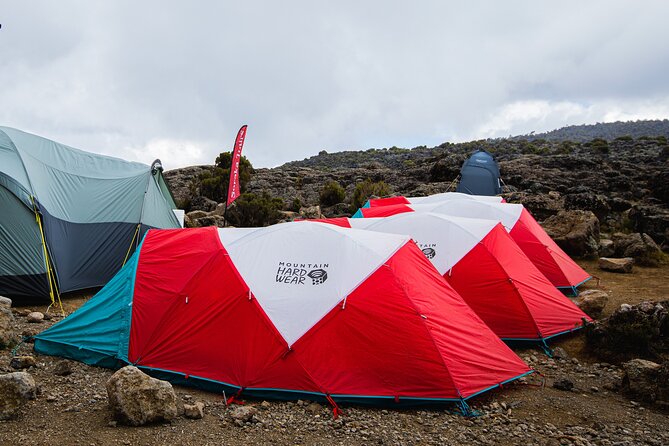
- 4-season Mountain Hardware tents plus warm sleeping mats for real sleep
- Emergency support on hand, including an oxygen canister and medical kit
Why the Lemosho Route feels calmer than the usual Kilimanjaro game plan
Kilimanjaro has a reputation for crowds. Lemosho is often chosen by people who want breathing room—both on the trail and in the overall feel of the trek. The route’s big advantage is pacing. Your itinerary builds altitude gradually, which matters because Kilimanjaro is all about your body adapting to thin air.
What I like most is that the trek is structured like a mountain plan, not a “let’s see how it goes” plan. You spend time moving from the rainforest zone (lush, warm, and green) up into higher terrain where vegetation thins out and the air gets colder and drier. That zone hopping is part of what makes Lemosho so memorable: you’re not just climbing one kind of environment for days.
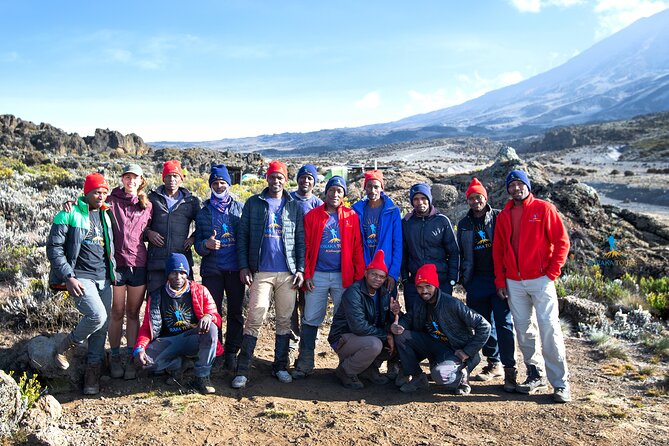
The other part I appreciate is the support system. The crew is set up so you’re not wasting energy on logistics. Porters carry your gear except your day pack. A skilled chef runs meals for you each day. And the guides are trained for first response, not just route navigation.
You can also read our reviews of more tours and experiences in Moshi.
Price and value: what $3,450 really covers (and what it doesn’t)
At $3,450 per person, this trek isn’t cheap. But when I look at what’s included, the value starts to make sense. You’re paying for more than a guide and a ticket to a trailhead.
What’s included (the big-ticket items):
- Kilimanjaro National Park fees, plus rescue and camping fees
- Ground transportation
- JRO airport pick-up and drop-off in Moshi area
- Two nights hotel accommodation in Moshi (Kili Wonders Hotel or similar) with breakfast
- Mountain camping gear: 4-season tents, dining setup, warm sleeping mats
- Three fresh meals each day on the mountain
- Health and safety support: daily health checks using an oximeter, plus an emergency oxygen canister and medical kit
- A trained climbing crew with guides who are certified Wilderness First Responders
What’s not included (your likely extras):
- Visa fee
- Alcoholic beverages
- Airfare
- Travel and mountaineering insurance (strongly recommended)
- Tips for mountain staff
- Personal gear like hiking boots and sleeping bag
Here’s the practical takeaway: the price covers the mountain infrastructure and safety structure. Your personal budget should cover travel to Tanzania, visa, insurance, and your own gear and tips.
Also, this is a private tour/activity, so your group is the only group participating. If you like control over your pace and less time stuck waiting on other hikers, that’s a real benefit.
The team matters: safety training, real care, and daily monitoring
What really stands out from the experience described is how much attention goes into day-to-day safety. The guides are certified Wilderness First Responders, and they each have over a decade of climbing experience. That’s the kind of credential you care about when altitude is involved and conditions can change fast.
Then there’s the daily process: health checks using an oximeter plus specific questions tailored to your condition. That means your guide isn’t guessing based only on how you look. I also like that this isn’t just a one-off thing; it’s built into the routine of the trek.
From the trip stories, the crew also adds emotional support. People describe feeling taken care of, not pushed. Names that come up in the support style include Sophia, and guides such as Baraka and Baltazar. That’s consistent with what you want on Kilimanjaro: someone who can explain the mountain and keep you calm when the air gets thin.
Moshi arrival: where you’ll set your pace before the climb
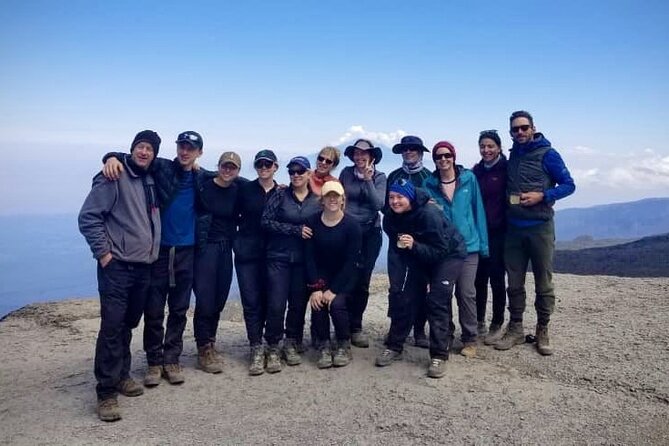
Your trip starts in Moshi, with arrival, transfer to a hotel, briefing, and an overnight stay. This part isn’t flashy, but it matters. It’s when you get instructions for the trek and when you confirm your gear setup before day two.
You’ll also have two hotel nights total (two nights are included: the first with arrival + briefing, then you’ll return after you finish). The included hotel breakfast helps you start day two with real food, not just airport snacks.
If you’re the type who gets nervous before big physical goals, day one is useful. You’ll know what happens next, which lowers stress. Less stress usually means better sleep, and better sleep means better hiking.
Day 2: Lemosho Gate to Mti Mkubwa Camp (7,824 ft to 9,251 ft)
This first hiking day is a rainforest walk upward. The hike time listed is about 3–4 hours, starting at 7,824 ft and ending around 9,251 ft.
Why this day matters: it’s your first rhythm day. You’re not just covering distance—you’re teaching your body how to work at higher altitude. The rainforest zone tends to be humid and warm, so even though the altitude gain isn’t huge, you can still feel fatigue from exertion.
Porter support matters here. Since your trekking equipment is carried for you, your hiking energy stays focused on moving. You’ll still need a day pack, but the load is intentionally lighter than what independent hikers often manage.
Night in camp at Mti Mkubwa sets up the next climb above the forest line. That transition—green to harsher air—is one of the Lemosho Route’s biggest thrills.
Day 3: Mti Mkubwa to Shira 1 Camp (11,499 ft)
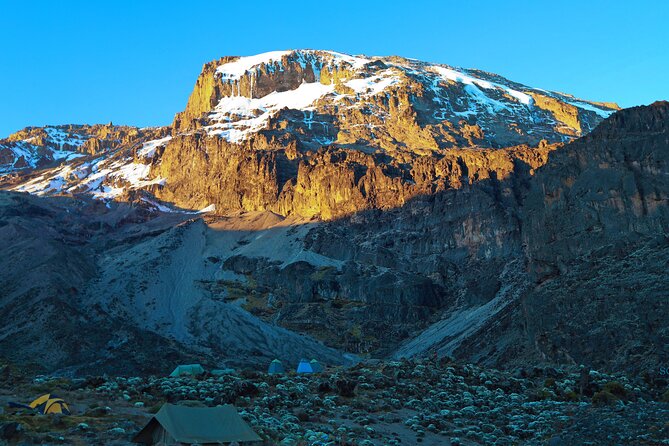
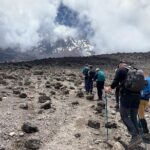
Today’s route starts continuing upward as you gradually ascend above the forest line. You’ll climb to Shira 1 Camp at 11,499 ft. The hike time is 5–6 hours.
This is where the day becomes more about altitude management than sightseeing. You’ll feel the air get thinner. If you have a tendency to start fast, this is the day to slow down. A steady pace helps you avoid feeling awful too early.
At Shira 1, camp height matters. The air is already high enough that sleep can feel different—lighter, less comfortable, and more altitude-aware. Packing your sleeping routine (what you wear to bed, how you manage warmth) is part of setting yourself up for success.
Day 4: Shira 1 to Shira 2 (12,598 ft) across the Shira Plateau
The Shira Plateau day brings changes in climate and vegetation as you rise to 12,598 ft. Expect 4–5 hours.
This is a classic “keep your engine smooth” day. The trail may feel less green and more exposed as you go higher. You’ll see how the mountain shifts from one zone to the next—less about one single view and more about how the world looks at different heights.
This day is also useful for people who want variety. You’re not locked into one type of terrain. You get changing environments while your body adapts.
Day 5: Shira 2 to Barranco Camp via Lava Tower (15,091 ft), then down to sleep lower
This is a crucial acclimatization day. You hike from Shira 2 up and around the route that includes Lava Tower at 15,091 ft, then you descend to sleep at Barranco Camp at 12,959 ft.
The listed hiking time is 6–7 hours, and the structure is the key: go high, then come down to rest. That pattern is one of the smartest parts of the whole plan because it helps your body adjust to altitude without forcing you to sleep at the highest elevation you reached that day.
Also, Lava Tower is one of those spots where the views can feel stark and otherworldly, even before the summit. It gives you a taste of the high, barren feel you’ll see later.
Day 6: Barranco Camp to Karanga Camp through Barranco Wall (13,106 ft)
You wake up at Barranco Camp (12,959 ft) and trek to Karanga Camp (13,106 ft). The day is listed at 4–5 hours, with the highlight being crossing the Barranco Wall.
In practical terms, this is the day when hikers often feel like the climb is “real.” It’s not just walking; it includes a more challenging section. If you’re steady and you keep moving with good footing, it’s manageable. If you rush or over-grip, it can feel longer than it is.
This is still part of the acclimatization sequence. You’re not jumping to a massive altitude increase overnight, which keeps your recovery in the plan.
Day 7: Karanga to Barafu, your last camp before summit push (15,223 ft)
Today takes you to Barafu Camp at 15,223 ft, with a hike time of 4–5 hours. Barafu is your staging point for summit day. That means your logistics and energy management get more important than ever.
What I like here is the intention: you’re not improvising. You know you’ll leave early next morning, so today is about getting your body ready and your camp routine sorted.
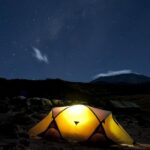
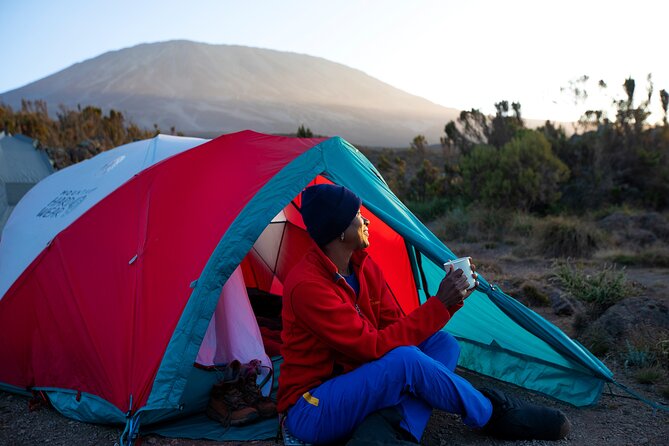
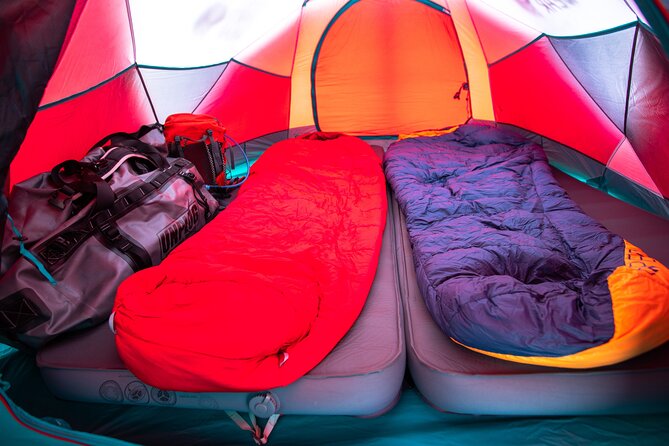
If you’re the type who worries about sleeping in cold or on uneven ground, this is when you’ll appreciate the included warm sleeping mats and the 4-season tents. They won’t turn a mountain camp into a five-star bed, but they do make a difference when temperatures drop.
Day 8: Summit day from Barafu to Uhuru Peak (19,340 ft), then down to Mweka Camp
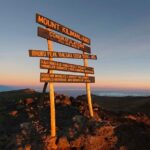
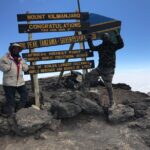
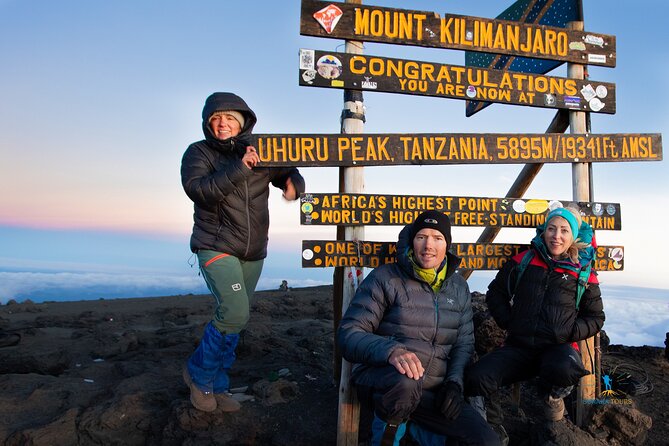
Summit day is the headline. You depart Barafu camp in the early hours to reach Uhuru Peak at 19,340 ft, then descend to Mweka Camp.
The trek time listed is 14–16 hours. That’s long. It’s also why the earlier days matter: your gradual acclimatization and rest strategy are what give you a chance to do this safely.
At this altitude, it’s not about speed. It’s about breathing, steady rhythm, and listening to your guide. The guides also have the tools to support you medically—your plan includes emergency oxygen and a medical kit, and there have been daily health checks leading up to this.
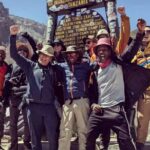
From the trip accounts, the summit experience tends to feel like teamwork, not just personal achievement. People describe the crew energy and support as a major factor in staying focused during the difficult parts. Names like Baraka and Baltazar come up again in that supportive style, along with Sophia for the pre-trip and trip-time guidance people felt prepared by.
Day 9: Mweka Camp down to Mweka Gate, then back to Moshi
After the summit, you’ll descend from Mweka Camp to Mweka Gate, then transfer back to your hotel for an overnight stay. This is more about recovery than achievement.
Descending is still work. Legs get sore. Stiffness shows up. But it’s the relief phase too: altitude stress eases as you go lower, and you finally get to feel like yourself again.
This night in Moshi is included. It’s also when you can eat like a normal person again and appreciate that you did it.
Day 10: Airport drop-off
Your last day is the airport drop-off at JRO.
This part is simple, but it’s not trivial. Getting home after a summit attempt can be a mess if logistics are loose. Here, the trek includes airport transfer support, so you’re not scrambling.
Diet, gear, and the small comfort details that matter on Kilimanjaro
The plan supports a range of diets: vegetarian, gluten free, halal, and kosher meal plans. That matters on a mountain trek because food is fuel. If your menu is consistent and tailored, it’s easier to keep your energy up.
On gear: your personal climbing equipment isn’t included. That typically means you’ll need to bring items like hiking boots and a sleeping bag. What’s included is the camping system: 4-season tents and warm sleeping mats plus dining setup.
The comfort notes from the experiences shared also point to how camp life is managed as something you can actually rest in. One story mentions extras that made the experience feel more comfortable, like hot water bottles. You won’t get that kind of detail unless the team runs camps well.
Who should book this Lemosho Kilimanjaro trek?
This trek fits best if you:
- Want the Lemosho pacing and quieter-feeling trail compared with more direct, crowded routes
- Prefer a plan where porters and a chef handle the bulk of logistics
- Care about safety structure: Wilderness First Responder guides, daily oximeter checks, and emergency oxygen
- Are ready for a long summit push (14–16 hours)
- Can follow instructions calmly when altitude makes everything slower
It might not be your match if:
- You want a short, easy hike
- You’re missing the fitness base needed for long days
- You don’t want to invest in personal gear, insurance, and tips (not included)
Should you book this 8-day Kilimanjaro Trek via Lemosho?
I think this is a smart choice if you want a serious Kilimanjaro attempt without turning it into a do-it-yourself logistics project. The most reassuring parts aren’t just the route name. They’re the system: certified first response guides, daily oxygen monitoring, emergency oxygen on hand, and a crew that keeps camp operations running so you can rest and recover.
If you’re prepared for altitude, value safety and food quality, and like the idea of a quieter-feeling route, book it. If you’re trying to manage a summit dream with only casual hiking fitness, I’d slow down and build that base first—because your altitude success is your effort plus good timing.
FAQ
What route is this Kilimanjaro trek using?
This experience uses the Lemosho Route and follows an 8-day style trekking schedule with additional arrival and departure days included.
Are meals included on the mountain?
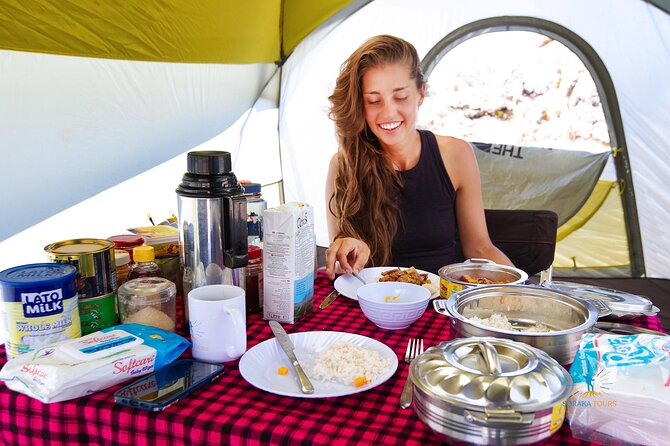
Yes. You get three freshly prepared meals each day on the mountain.
Who provides airport transfers in Tanzania?
The trip includes JRO (Kilimanjaro International Airport) pick-up and drop-off, plus ground transportation.
What kind of camping setup is included?
You’ll use 4-season Mountain Hardware tents (2 people per tent), plus warm sleeping mats and dining tents with table and cutlery.
Does the trek include medical support?
Yes. The guides include daily health checks using an oximeter, and there is an emergency oxygen canister and medical kit.
What should I bring versus what’s provided?
Personal climbing equipment (like hiking boots and sleeping bag) is not included. The trek provides tent accommodations and sleeping mats, plus meals and mountain logistics.