REVIEW · MOSHI
Kilimanjaro Trek 7 Days – Machame Route
Book on Viator →Operated by Kilitwende Adventures · Bookable on Viator
Seven days, one big mountain. The Machame Route is often called the Whiskey route for a reason: you get serious variety in scenery plus a trail plan that’s popular with hikers who want better views than the simpler alternatives. What makes this trip stand out is how smoothly it turns a huge goal into daily chunks you can actually handle.
I especially like the way the trek is run end-to-end, from permits and camping setup to guides, cooks, and porters doing the heavy lifting. And I love the practical comfort touches that keep the experience realistic, like provided tents and foam mattresses, plus a portable flush toilet and an oxygen tank for emergencies. The main consideration is the summit night: it’s cold, windy, and mentally draining, and you’ll want to be ready for that physical and gear reality (some core items aren’t included).
In This Review
- Key things I’d highlight before you go
- Why Machame earns the Whiskey route nickname
- Price and value: what $2,890 really covers
- Moshi logistics: pickup, meeting time, and airport transfers
- Day 1: Machame Gate to Machame Camp through rain forest
- Day 2: Shira Plateau heath to Shira Cave Camp
- Day 3: Lava Tower to Barranco Camp via Senecio Forest
- Day 4: Great Barranco Wall climb and Karanga Valley water point
- Day 5: Barafu Hut, Southern Circuit views, and summit prep
- Day 6: Midnight summit push to Stella Point and Uhuru Peak
- Day 7: The descent to Mweka Gate and your summit certificate
- Kilitwende Adventures: the team vibe that keeps things steady
- What to pack (and what to budget for) for Machame
- Altitude and weather reality check (the practical stuff)
- Who should choose this 7-day Machame trek
- Should you book Kilitwende’s 7-Day Machame Route?
- FAQ
- What time does the trek start?
- Where does this trek operate from?
- How long is the Kilimanjaro Machame route experience?
- Is pickup included?
- Are airport transfers included?
- What’s included during the climb?
- Are hotel nights included?
- What gear is not included?
- Are tips included for the crew?
- What happens if the weather is bad?
Key things I’d highlight before you go
- Machame’s high scenic payoff, moving through rainforest, heath, alpine desert, and arctic conditions
- Acclimatization built into the route, including the Lava Tower day that helps your body adjust
- A full support setup, with professional guides, cooks, and porters plus camp tents and mattresses
- Emergency readiness, including an oxygen tank during the trek
- A private-group experience, with only your group participating while the crew supports you
Why Machame earns the Whiskey route nickname
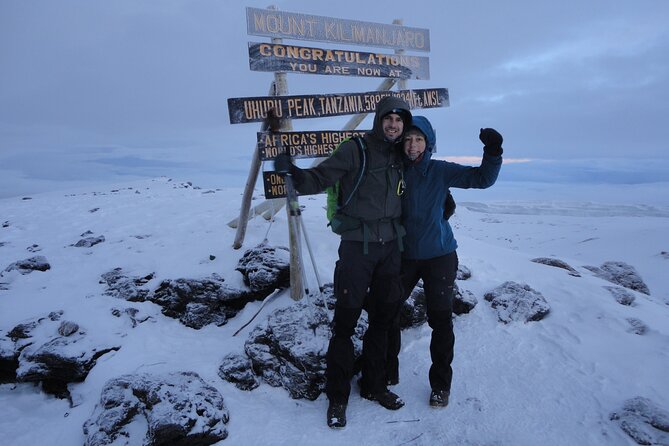
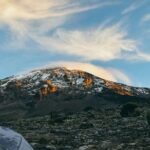
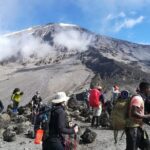
Machame has a reputation for being the most scenic route up Kilimanjaro, and that reputation isn’t just marketing talk. Day by day, you’ll pass through distinct climate zones—rain forest, heath, alpine desert, then that harsh arctic feel near the summit. It’s one of the reasons people pick Machame when they want the mountain to feel like a journey, not a slog.
The route is also known as the Whiskey route, which matters because it hints at the kind of hikers who choose it: adventure-seeking, scenery-minded, and comfortable with steeper sections than the easier-feeling options. The trip you’re looking at is designed for a 7-day timeline, and that length is part of why it has a strong following and a higher chance of success compared to tighter itineraries.
You can also read our reviews of more tours and experiences in Moshi.
Price and value: what $2,890 really covers
At $2,890 per person, Kilimanjaro is never a bargain. But this package is built to reduce the common “hidden hassles” that often turn a plan into chaos—permits, camps, food, and logistics are handled.
Here’s the value math that matters:
- Included costs cover park entry, camping, forest fees, and rescue fees (with 18% VAT on tour fees and services).
- You get sleeping tent and dining tent, plus a foam mattress (about 1.5 inches thick), table, and chairs.
- You get three meals a day during the climb, plus hotel accommodation for 1 night before and 1 night after on a bed-and-breakfast basis.
- You get support staffing: professional guides, cooks, and porters, plus transfers to/from the mountain gates.
What’s not included is where you’ll want to plan ahead. Tips for your crew are extra, and key gear such as a sleeping bag ($40), boots ($40), and even a walking stick ($10) are listed as not included. If you show up underprepared, the “discount” of a lower headline price disappears quickly.
Moshi logistics: pickup, meeting time, and airport transfers
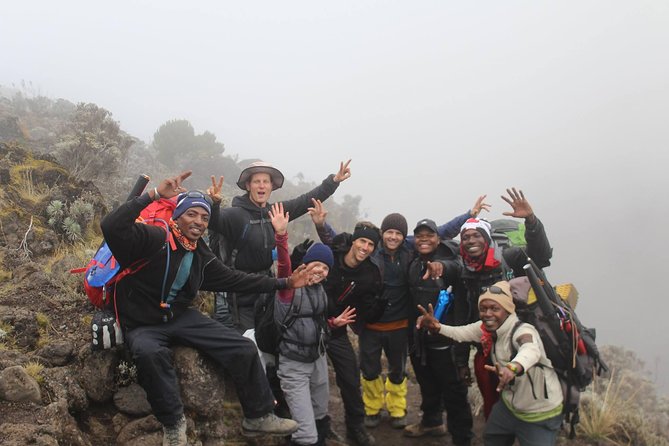
This trek runs out of Moshi, Tanzania, with pickup offered. The meeting time is 8:30am, and you’ll have hotel stays before and after the climb. That matters more than people think. Kilimanjaro punishes rushed travel plans, and you don’t want to be figuring out transport while your body is trying to sleep.
You also get round-trip airport transfers to Kilimanjaro International Airport (JRO). That’s a big deal in northern Tanzania, where timing matters and distances add up. You’re not just buying the hike—you’re buying the “getting there and back with less stress” part too.
Day 1: Machame Gate to Machame Camp through rain forest
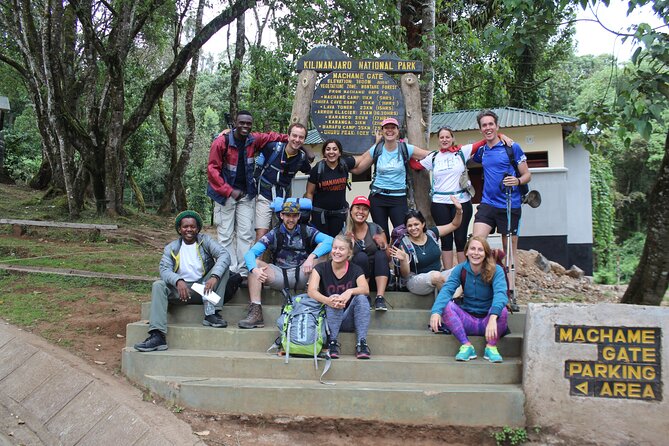
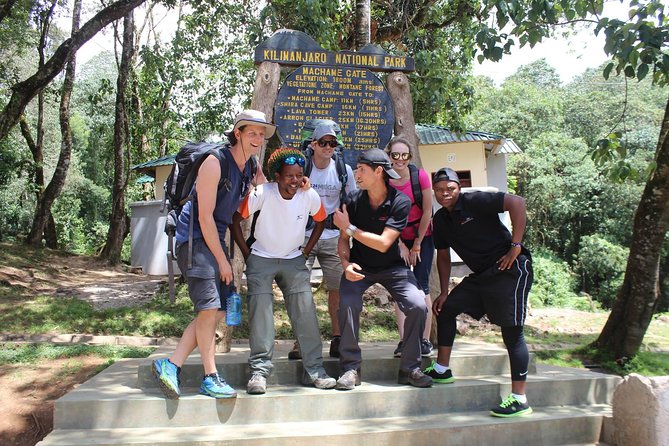
Day 1 starts with a drive from Moshi to Machame gate after breakfast, around one hour. Registration is part of it, then you begin your climb on a winding trail through dense rain forest—humid, green, and busy with life.
The hike is about 11 km (7 miles), with 5–7 hours in the saddle. You’ll finish at Machame Camp (2,833m / 9,350ft). This is a great day to treat as your warm-up, not as a race. You’ll feel your breathing change, but the forest helps keep the pace moving without the brutal exposure you’ll see later.
Day 2: Shira Plateau heath to Shira Cave Camp
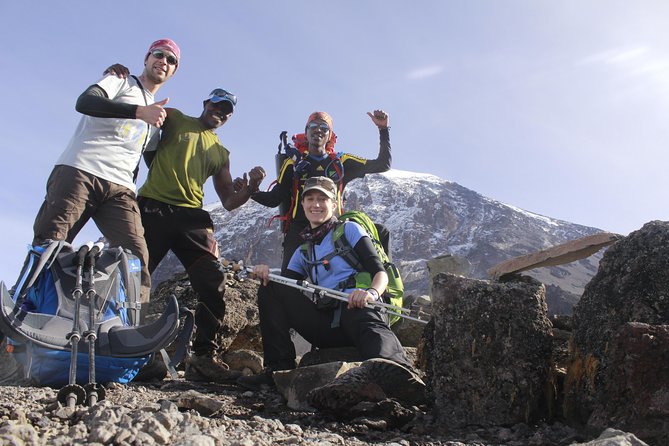
After breakfast, the trail leaves the glades of the rainforest and heads upward into a colder, drier feel—heath and open moorlands. The day is shorter on paper: about 5 km (3 miles) and 4–6 hours.
You’ll climb to a steep, rocky ridge, then move across the Shira Plateau where you’ll find heather and wide-open ground. There’s also a sense of variety here: the trail crosses a large river gorge before reaching Shira Cave Camp.
One practical note: plateau days can trick you. You might feel like it’s not as intense as Day 1, but altitude starts stacking quickly once you’re higher.
Day 3: Lava Tower to Barranco Camp via Senecio Forest
Day 3 is one of the most talked-about legs because you get Lava Tower (4,603m / 15,190 ft). The day description includes two movement phases: about 7 km (4 miles) and around 4–5 hours, plus a shorter 3 km (2 miles) portion that takes 2–3 hours on the second stretch.
The big acclimatization idea here is smart: you go higher toward the Lava Tower, then descend into Barranco Camp (3,953m / 13,044 ft) through Senecio Forest to around 13,000 ft. Even though you start and end near the same elevation, the time spent higher is helpful for acclimatization. Your body learns how to cope before the next bigger push.
If you like “big landmarks” on hikes, this day delivers. Lava Tower is a clear visual milestone in an otherwise constantly changing world.
Day 4: Great Barranco Wall climb and Karanga Valley water point
Today starts with a descent into the base of the Great Barranco Wall, then you climb up it. The climb is described as non-technical but steep, nearly 900 ft up the cliff. That combination is key: you don’t need rock skills, but your legs and breathing do the work.
After reaching the top, the trail crosses hills and valleys, then you descend sharply into Karanga Valley. Karanga River is listed as the last water point, so this is one of the days where hydration habits matter.
From there, you climb up to Karanga Camp for lunch, then you do a shorter acclimatization walk later in the afternoon. That short walk isn’t there to punish you. It’s there to keep your acclimatization rhythm steady.
Day 5: Barafu Hut, Southern Circuit views, and summit prep
From Karanga Camp, you continue through the junction that connects with the Mweka Trail, then head toward the rocky section at Barafu Hut. This is roughly 4 km (2 miles) and 4–5 hours.
This is also where you complete the Southern Circuit, and that line matters because it’s when summit views start arriving from multiple angles. After you reach Barafu, you rest, eat an early dinner, and prepare for the summit attempt.
When the weather turns clear, you can see Mawenzi and Kibo. Even if you’re focused on the next step, these views give you a reality check: the goal is right there, and you’re not just hiking toward a dot on a map.
Day 6: Midnight summit push to Stella Point and Uhuru Peak
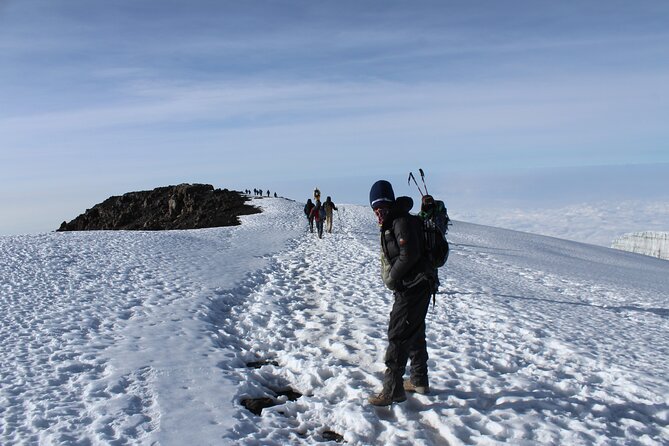
Day 6 is the hard one. You start in the midnight hours, pushing for the summit. The trek description notes wind and cold weather, and the mental effort is as real as the physical one.
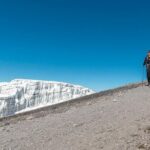
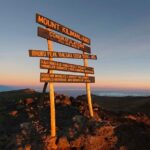
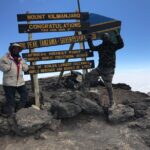
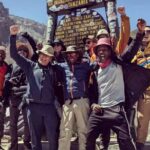
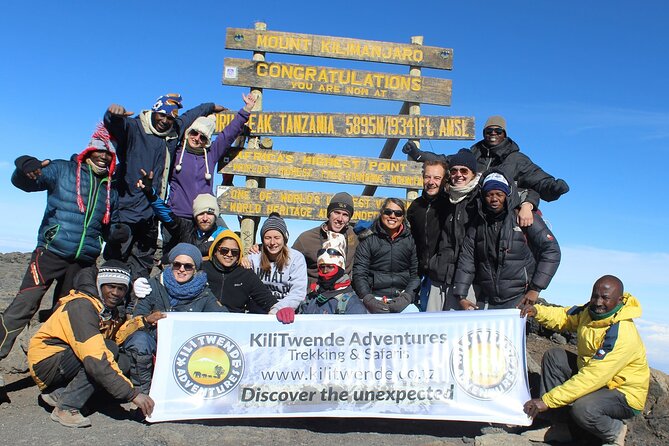
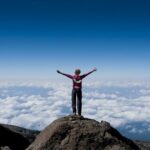
The route takes you to Stella Point (18,900 ft) at sunrise, then you continue on to Uhuru Peak (5,895m / 19,341 ft)—the highest point on Kilimanjaro. After a short time on top for photos, you start descending.
You’ll then cover the descent toward Mweka Camp (3,100m / 10,065 ft), about 12 km (7 miles) and 4–6 hours, through rain forest conditions. That rain forest feel is your reward and your recovery window. After the cold, exposed summit climb, it feels like stepping back into a different planet.
Day 7: The descent to Mweka Gate and your summit certificate
Last day is a more normal hiking day compared to the summit night. After breakfast you continue down for about 3 hours to Mweka Gate, about 10 km (6 miles) total hiking time listed as 3–4 hours.
Once you sign out with the national park authority, you collect your summit certificates. A vehicle is waiting at the gate and transfers you back to your Moshi hotel. If you’re the type who likes paperwork that proves you actually did it—this is satisfying. If you’re not, it still gives you a clear end point and a smooth exit.
Kilitwende Adventures: the team vibe that keeps things steady
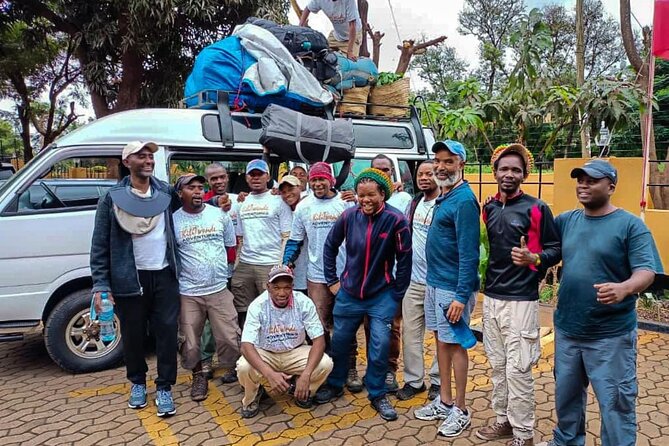
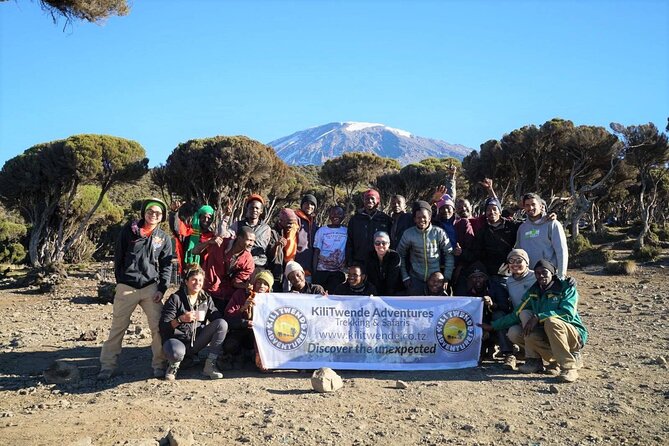
This is the part that makes a difference on a mountain where small problems become big ones. The trip includes professional guides, plus cooks and porters, and the setup includes practical systems like camp organization and meals. In the past, Kilitwende Adventures has been praised with guide and team names such as Jerry, Joseph, Sadhi, and hosts/managers including Nate, John, Bob, Bobby, and Robert.
I like that this kind of staffing isn’t just “nice to have.” Good guides manage pacing, help you stay calm in altitude moments, and keep the logistics from falling apart when weather shifts. And when food and camp timing are handled well, your body gets what it needs without you thinking about everything.
You’ll also see diet support mentioned in feedback. While I can’t promise how your menu will look, it’s a sign the team pays attention to more than just standard meals.
What to pack (and what to budget for) for Machame
The trek requires you to have the gear to sleep cold and walk long. The package provides camp comfort items like tents and mattresses, but it does not include everything you’ll need.
Budget lines that are explicitly listed as not included include:
- Sleeping bag: $40
- Duffle bag: $35
- Hiking boots: $40
- Walking sticks: $10
Personal gear and equipment are also listed as not included. That’s your cue to build a gear checklist early, not when you’re staring at your suitcase the night before departure.
Fitness wise, the guidance is moderate physical fitness level. You don’t need to be a mountaineer, but you do need to handle long days, altitude, and the summit-night grind. If your plan is to coast without training, Kilimanjaro will coach you in the hard way.
Altitude and weather reality check (the practical stuff)
This itinerary is paced for a 7-day acclimatization rhythm, including that Lava Tower approach and the short acclimatization walk on Day 4. That’s the backbone of Machame’s popularity: you’re not just pushing up relentlessly—you’re giving your body chances to adapt.
You should also take weather seriously. The experience is described as requiring good weather, and if conditions are poor, you’ll be offered a different date or a full refund. On Kilimanjaro, forecasts and wind matter, especially for the summit window.
Your best strategy is simple:
- Go slow when you can.
- Drink and eat consistently even when you don’t feel like it.
- Treat the summit night like a marathon, not a test of pride.
Who should choose this 7-day Machame trek
This trek fits hikers who want varied ecosystems, better scenery, and an itinerary that’s built for a classic goal: standing on Uhuru Peak. The route is especially appealing if you’re the kind of traveler who likes your days to have distinct stages—forest, moorland, volcanic features, then alpine and arctic conditions.
It’s also a good match if you want private guiding in the sense that only your group is participating. You’ll still be part of a broader trekking system on the mountain, but your experience stays focused on your party.
If you know you hate cold, don’t have a realistic fitness base, or would struggle with a midnight start, you should pause before booking. Kilimanjaro rewards preparation, not luck.
Should you book Kilitwende’s 7-Day Machame Route?
If you want one of Kilimanjaro’s most scenic routes and you’re okay paying for the support systems that keep the trek organized, this is a strong option. The included package covers the big-ticket logistics—fees, tents, camp setup, meals, and transfers—so you can focus on walking and acclimatizing rather than juggling details.
I’d book it if:
- you’re ready for a demanding summit night,
- you’ll budget for key gear like a sleeping bag and boots,
- and you want a route with rainforest-to-alpine variety.
I’d think twice if your budget is tight and you’re not prepared to buy or rent missing gear, or if you’re worried about cold/wind at high altitude. On Kilimanjaro, comfort costs money and time—this trek just spends it for you more intelligently.
FAQ
What time does the trek start?
The meeting time is 8:30am.
Where does this trek operate from?
The trek is based in Moshi, Tanzania, with a drive to the Machame gate on Day 1.
How long is the Kilimanjaro Machame route experience?
It runs for about 7 days.
Is pickup included?
Pickup is offered.
Are airport transfers included?
Yes. Round-trip airport transfers to Kilimanjaro International Airport (JRO) are included.
What’s included during the climb?
You get camping fees and park entry fees, a supported crew (guides, cooks, and porters), tents and foam mattresses, a portable flush toilet setup, and three meals a day during the climb, plus an oxygen tank for emergency use.
Are hotel nights included?
Yes. Hotel accommodation is included for 1 night before and 1 night after the trek (bed and breakfast).
What gear is not included?
Sleeping bag, duffle bag, hiking boots, walking sticks, and other personal gear/equipment are listed as not included.
Are tips included for the crew?
No. Tips for guides, porters, and cook are not included.
What happens if the weather is bad?
The experience requires good weather. If it’s canceled due to poor weather, you’ll be offered a different date or a full refund. Free cancellation is available up to 24 hours before the start time.