Upper Mustang feels like time travel. This trek strings together Kathmandu UNESCO sights and the remote Last Forbidden Kingdom world of Lo Manthang, plus mountain views that never really quit.
I especially like two things: the built-in shortcut of a Pokhara–Jomsom flight to start trekking fast, and the steadiness of a Government-licensed Sherpa guide who keeps the route and permits handled. You’ll get a smoother day-to-day rhythm.
One consideration: Upper Mustang isn’t cheap, and the Restricted Area Permit (plus other required permits) is a big reason. Add in the desert-like conditions from the region’s rain shadow, and you’ll want decent stamina and good weather timing.
In This Review
- Key Things to Know Before You Go
- The Big Idea: Upper Mustang in a Tight, Guided Circuit
- Kathmandu Valley UNESCO Sightseeing: Short, Useful, Not Exhausting
- Bus to Pokhara, Then a Flight to Jomsom: Time-Saving Smartness
- Trek Start Through Mustang Villages: Kagbeni, Chhuksang, and Chele
- Walking Along the Kali Gandaki River: Views You’ll Keep Talking About
- Lo Manthang: The Core of the Last Forbidden Kingdom Feeling
- Monasteries, Caves, and Muktinath Temple: Sacred Sites With Practical Planning
- Comfort on the Route: Teahouses, Camping, and Included Meals
- Price and Logistics: Is $1,476.93 Good Value?
- Guide Quality Matters Here: Mani, Ganesh, and Sudan’s Role
- Who This Trek Suits Best (and Who Might Struggle)
- Quick FAQ
- FAQ
- What’s the duration of the Upper Mustang trek?
- Where does the trip start?
- Do I travel from Kathmandu to Pokhara by flight?
- Is a flight included for the trek?
- What kinds of accommodation are provided during the trek?
- Are meals included?
- What permits are included?
- Is there a guide?
- Can I cancel for free?
- Should You Book This Upper Mustang Trek?
Key Things to Know Before You Go
- Pokhara to Jomsom by flight: You lose less time in transit and get to the trek sooner.
- Restricted-area permits are handled: ACAP, TIMS, and the Restricted Area Permit are included in the package.
- Teahouse/camping stays are organized: You’re not left scrambling for beds after long walking days.
- Route hits classic Mustang stops: Kagbeni, Lo Manthang, Jomsom, Chhuksang, and Chele are part of the journey.
- Kali Gandaki walking corridor: As you move along the river, you’ll repeatedly get big views toward peaks like Dhaulagiri, Nilgiri, and Annapurna.
- Faith-and-rock sites fit the culture: Monasteries, caves, and the pilgrimage draw of Muktinath Temple.
The Big Idea: Upper Mustang in a Tight, Guided Circuit
Upper Mustang is often sold as a special place, but what makes it really different is the feel on the ground: desert-like terrain, deep canyon cuts, and a Tibetan-influenced way of life that still looks far from the roads. The trek also connects several layers of Nepal in one trip, starting with Kathmandu Valley UNESCO sights and ending up in one of the most remote cultural zones in the country.
This is the kind of itinerary where logistics matter, because the experience depends on correct timing—especially when flights, permits, and weather all have to line up. The package you’re looking at builds that structure in, including the professional guide and the core permits required for the region.
You can also read our reviews of more tours and experiences in Kathmandu.
Kathmandu Valley UNESCO Sightseeing: Short, Useful, Not Exhausting
You’ll spend half a day on sightseeing in Kathmandu before heading west. The value here is simple: you get the cultural grounding and architectural variety of the Kathmandu Valley UNESCO World Heritage Sites without turning the start of your trip into a marathon.
This half-day format is practical if you’re tired from travel or you’re still adjusting to Nepal’s pace. You’ll also be in the right mindset for what comes next: once you’re walking in the Mustang “mountain desert,” those earlier Kathmandu sights help you understand how Nepal’s sacred traditions and regional identities connect.
If you’re the type who likes to see the big cultural markers early (and then spend more time hiking later), this start works well.
Bus to Pokhara, Then a Flight to Jomsom: Time-Saving Smartness
From Kathmandu, you travel to Pokhara by tourist bus. That gets you into a different altitude and atmosphere without paying for a pricey internal flight too early. Then the real time-saver kicks in: you have a Pokhara to Jomsom flight ticket.
Why that matters:
- It shortens the transfer burden so you can use more of your trip days for the real goal: Upper Mustang.
- It reduces the “wasted” hours where you’re moving, waiting, and trying to keep plans flexible.
And here’s the catch you should respect: flights in this region require good weather. The trek is also described as weather-dependent in the experience terms, so build in the expectation that conditions can affect timing.
Trek Start Through Mustang Villages: Kagbeni, Chhuksang, and Chele
Your walking route takes you through a set of villages that represent different “faces” of Mustang—settlements shaped by altitude, trade history, and a harsh climate that only softens along river corridors and sheltered pockets.
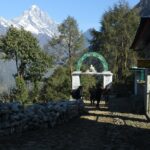
Key stops you pass through include Kagbeni, Lo Manthang, Jomsom, Chhuksang, and Chele. Even with the same dramatic mountain backdrop, each place tends to feel different in how people live and how the built environment sits in the terrain.
What you can look forward to:
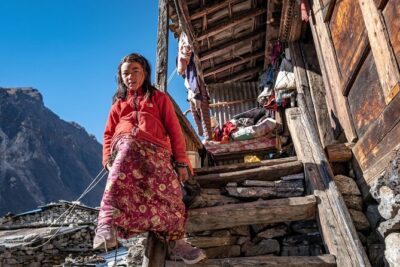
- Ancient village feel: You’re not just viewing buildings—you’re moving through communities that developed under centuries of remote trade and cultural exchange.
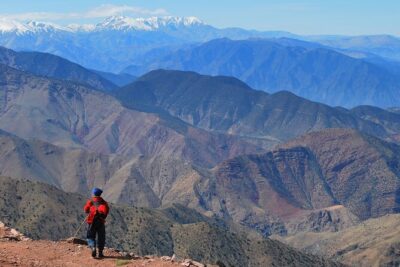
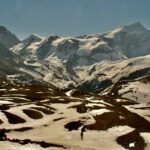
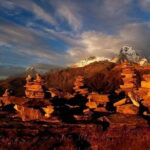
- Desert-worn scenery: This area is known as the “mountain desert” because it sits in a rain shadow of the Dhaulagiri and Annapurna ranges.
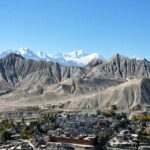
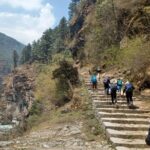
- Geologic drama: Expect deep canyons and eroded cliffs along the way, not gentle walking paths in a garden setting.
You’ll also encounter waterfalls described on the route, plus side canyons and valleys. The overall effect is walking from one striking rock-and-sky moment to the next.
Walking Along the Kali Gandaki River: Views You’ll Keep Talking About
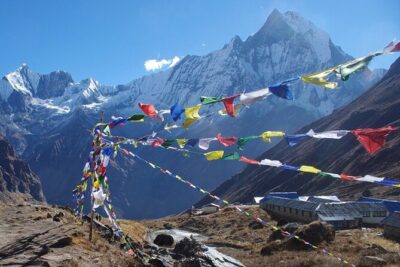
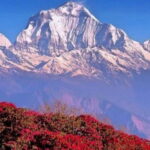
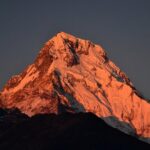
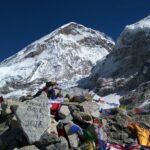
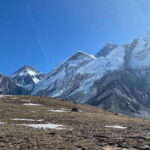
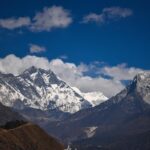
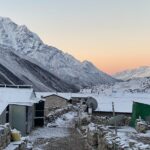
One of the most practical reasons people plan this trek is what you see along the Kali Gandaki river corridor. As you walk, the views are repeatedly framed toward major Himalayan peaks: Mt. Dhaulagiri, Mt. Nilgiri, and Mt. Annapurna.
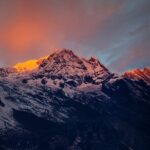
This isn’t just a single “wow photo” moment. The corridor’s geometry and the region’s dry air often make these peaks feel close, even when you’re still hiking. You’ll start to recognize how the valley opens and narrows, how ridges layer behind each other, and how light changes over the canyon walls.
Small note: views can be weather-sensitive. If clouds move in, the trek still delivers strong scenery, but the peak views you’re expecting may soften.
Lo Manthang: The Core of the Last Forbidden Kingdom Feeling
Lo Manthang is the big headline here, and it earns it. Upper Mustang is sometimes called the Last Forbidden Kingdom. Historically, the region was once tied to Tibet, and salt caravans used to cross the Himalayas through Nepal’s Mustang route.
So when you arrive in Lo Manthang, it isn’t just a place name—it’s a cultural logic. The built environment, religious sites, and everyday rhythms all reflect a Tibetan influence that survived long enough to feel distinct.
What makes Lo Manthang valuable on the trek:
- It’s one of the clearest ways to understand Mustang’s “between worlds” identity.
- It gives you time to slow down, absorb the monastery presence, and watch village life in a place shaped by remoteness.
- It’s part of the itinerary’s purpose: the trek isn’t random hiking; it’s a structured way to reach the region’s heart.
If you like your travel with a little history in your bones and a lot of place-based authenticity, Lo Manthang delivers.
Monasteries, Caves, and Muktinath Temple: Sacred Sites With Practical Planning
Upper Mustang trekking isn’t only about walking through scenery. You also get religion and sacred geography, including monasteries and caves of the Upper Mustang region. These are exactly the kind of sites where it helps to have a guide who knows what you’re seeing, what to ask, and where you’re allowed to go.
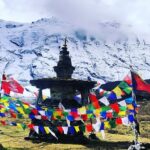
Then comes Muktinath Temple, called out as important for both Hindu and Buddhist pilgrimage traditions. That shared sacred space is one reason the trek feels spiritually layered. You’re not tracking one single faith; you’re witnessing a blend that reflects how communities operate at the edges of major cultural zones.
One practical thing to plan around: sacred sites often mean more time spent standing, walking slowly, and photographing respectfully. Your pace will be a bit different here than on pure trail days.
Comfort on the Route: Teahouses, Camping, and Included Meals
This is where you’ll thank the package for being specific. During the trek, you get accommodation in tea houses or camping, plus breakfast, lunch, and dinner included during the walking portion.
In real life, what this means for you:
- You don’t need to budget constantly for meals while you’re moving between villages.
- You can plan your energy more consistently, because lunch and dinner aren’t an improvisation problem.
- You can focus on hiking and acclimatization rhythms rather than logistics.
On the other hand, the itinerary also notes that drinks aren’t included. So if you tend to rely on bottled water beyond what’s provided at meals, or you like hot drinks for morale, you’ll want to budget for that.
Kathmandu and Pokhara are different. Lunch and dinner in Kathmandu and Pokhara aren’t included, so you’ll need to plan those meals on your own. The Kathmandu stay is in a 3-star hotel, which is a solid comfort anchor before the trek starts.
Price and Logistics: Is $1,476.93 Good Value?
At about $1,476.93 per person, this Upper Mustang package isn’t budget travel. But if you look at what’s actually included, the price starts making more sense for the kind of trek it is.
Here’s what your money covers (based on the package details):
- A 3-star hotel in Kathmandu
- Half-day Kathmandu UNESCO sightseeing
- Kathmandu to Pokhara by tourist bus
- Pokhara to Jomsom flight
- A professional Sherpa guide with government license
- Trek accommodation (tea house/camping)
- Core permits: ACAP, TIMS, and Restricted Area Permit
- Meals during the trek: breakfast, lunch, dinner
- Guide and porter support, including food/accommodation/salary, plus insurance for guide/porter
- Rescue assistance that relies on your travel insurance coverage
- Government taxes
The cost driver you should keep in mind is the permits. One review comment flags permit expense as a shock point, and that matches what the structure implies: entering Upper Mustang comes with strict control and required documentation. Even though this package lists permits as included, the key lesson for you is that Mustang’s rules push prices upward across the board.
So is it value? It’s value if:
- You want permits handled correctly.
- You care about reducing transfer pain via the flight to Jomsom.
- You prefer a guided route with consistent meals and lodging.
It’s less value if you’re a hardcore independent trekker who already knows how to organize Mustang permits and logistics day by day.
Guide Quality Matters Here: Mani, Ganesh, and Sudan’s Role
In this region, a good guide is more than a translator. It’s route guidance, permit reality-checks, and calm problem-solving when conditions shift.
The reviews you have shared highlight people like Mani as the organizer, plus guide examples including Ganesh, and team support named Sudan and porters such as Sudm. The common thread in those comments is clear: organization felt tight, and support during the trek felt personal.
That matters because Upper Mustang travel can involve small “life problems” on the road—missed items, paperwork friction, timing questions, or just needing someone to sort it while you keep walking. When you’re paying for a guided trek, you’re paying for that mental load to be handled for you.
Who This Trek Suits Best (and Who Might Struggle)
This trek is for people with moderate physical fitness. The route includes multiple days of walking between remote villages, and the terrain includes canyon walls, eroded cliffs, and desert-like conditions—so you’ll want steady legs and a realistic pace.
You’ll be especially happy if you:
- Want a structured route with permits and meals organized.
- Care about culture as much as hiking views (Lo Manthang, monasteries, caves, Muktinath).
- Like the idea of repeated peak views from the Kali Gandaki corridor.
- Prefer private-group attention rather than a crowded join-in format (this is a private tour/activity).
You might hesitate if you:
- Want a completely flexible, no-rules itinerary (Upper Mustang is regulated and weather-sensitive).
- Don’t like spending time in desert-like climates or aren’t ready for sparse-feeling trekking days.
Quick FAQ
FAQ
What’s the duration of the Upper Mustang trek?
It’s listed as 17 days approx. for the overall experience.
Where does the trip start?
The experience is based in Kathmandu, Nepal, with a start time of 9:15 am.
Do I travel from Kathmandu to Pokhara by flight?
No. You travel from Kathmandu to Pokhara by tourist bus.
Is a flight included for the trek?
Yes. The package includes a Pokhara to Jomsom flight ticket.
What kinds of accommodation are provided during the trek?
During the trek you’ll have tea house or camping accommodation. Kathmandu includes a 3-star hotel.
Are meals included?
During the trek you get breakfast, lunch, and dinner. Lunch and dinner in Kathmandu and Pokhara are not included.
What permits are included?
The package includes ACAP (Annapurna Conservation Area Permit), TIMS, and a Restricted Area Permit.
Is there a guide?
Yes. You get a professional Sherpa guide with government license.
Can I cancel for free?
The policy states free cancellation up to 24 hours in advance for a full refund. Weather can also affect scheduling, and the plan can be changed to another date or refunded if canceled due to poor weather.
Should You Book This Upper Mustang Trek?
Book it if you want Upper Mustang without juggling permits, transfers, and day-to-day meal chaos. The strongest reasons are the combination of Lo Manthang-focused trekking, the culture-heavy stops like monasteries/caves and Muktinath Temple, and the smart routing that includes a flight to Jomsom.
Skip or reconsider if you’re chasing a low price or total self-directed flexibility. Mustang’s costs and weather sensitivity mean this is best for travelers who want the structure to carry the burden.
If that sounds like you, this is one of those trips where good planning turns into more walking time, steadier days, and a much smoother path into the real spirit of Upper Mustang.