REVIEW · SA PA
Sapa: 1-Day Trek to Mountain, Local Villages & Rice Terraces
Book on GetYourGuide →Operated by Sapa Odyssey Tour · Bookable on GetYourGuide
One steep ridge and you’re rewarded. This 6-hour Sapa trek connects big Dragon Jaw Mountain viewpoints with small village roads, plus a cultural stop in Ban Bo. I like that it keeps the day moving—views, walking, lunch, then a museum—so you’re not just getting scenery on a bus. You also get a rare angle on the Muong Hoa rice valley, with Fansipang visible on clear days. The only real drawback: the route is moderate to challenging, and rain can make slopes slippery.
If you’re planning ahead, this tour is pretty straightforward. You start with pickup near Sapa Center (or Sapa Church), get a quick program briefing, then hike up from town through farms and trails toward the main viewpoint at about 1,900m. Expect changing mountain weather, so warm layers and solid footing matter. People with heart problems should skip this one, and wheelchair users can’t be accommodated.
In This Review
- Quick hits you’ll actually care about
- Getting going from Sapa: pickup, briefing, and the slow build up
- Dragon Jaw Mountain views: Sapa town, Muong Hoa valley, and Fansipang
- The ridge walk to Hang Da: a dinosaur-like spine and real village life
- Lunch in Hang Da: local dishes and about an hour to recharge
- Hau Thao/Hau Chu Ngai and Giang Ta Chai: more trails, more angles
- The terrain reality: good grip matters
- Down to Ban Bo: bamboo paths, scattered houses, and terrace views
- Ban Bo museum: turning what you saw into understanding
- Price and value: what $24 covers for a 6-hour day
- Who this trek fits best (and who should skip it)
- What to bring and how to stay comfortable
- Should you book this 1-day Sapa trek?
- FAQ
- FAQ
- Where does pickup happen for this Sapa trek?
- What time does the tour start?
- How long is the trek?
- What is the main viewpoint on the route?
- What altitude is Dragon Jaw Mountain?
- Which villages do you visit?
- Is lunch included?
- Is there an English-speaking guide?
- What should I bring for this hike?
- Is this trek suitable for everyone?
Quick hits you’ll actually care about
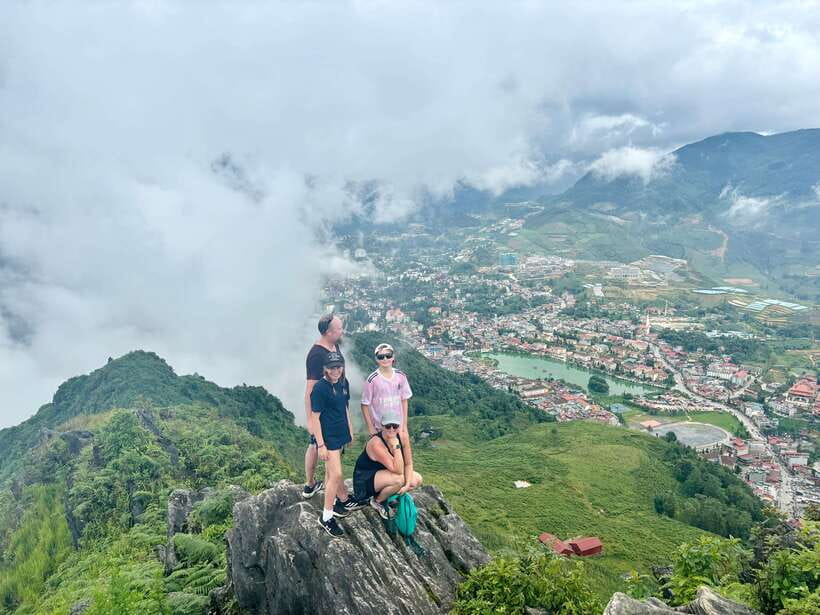
- Dragon Jaw Mountain (about 1,900m): wide views over Sapa town, Muong Hoa rice valley, and often Fansipang from the ridge.
- Hang Da village lunch: local dishes served in the Black H’mong community, plus a look at traditional houses.
- Bamboo forest walking: short high-trail sections through small forests and hills that feel quieter than the main roads.
- Ban Bo museum: a guided walk-through that helps you make sense of local dress, customs, and culture.
- Guides adapt to conditions: one guide (Tung Jacob) checked your desired difficulty level and adjusted when it was raining; ponchos were available on request.
Getting going from Sapa: pickup, briefing, and the slow build up
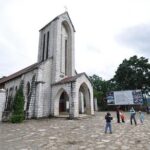
Most days start around 9:00am, with pickup at your hotel near Sapa Center. If you’re not staying at a hotel that’s easy to name on the booking, you can meet the guide at Sapa Church, the main church in town. Either way, you’ll get a short briefing on how the day runs before you start moving.
I like this part because it sets expectations early. Trekking in northern Vietnam weather can be moody—cool mornings, foggy middays, and sudden drizzle. A clear plan helps you pace yourself instead of sprinting out of town.
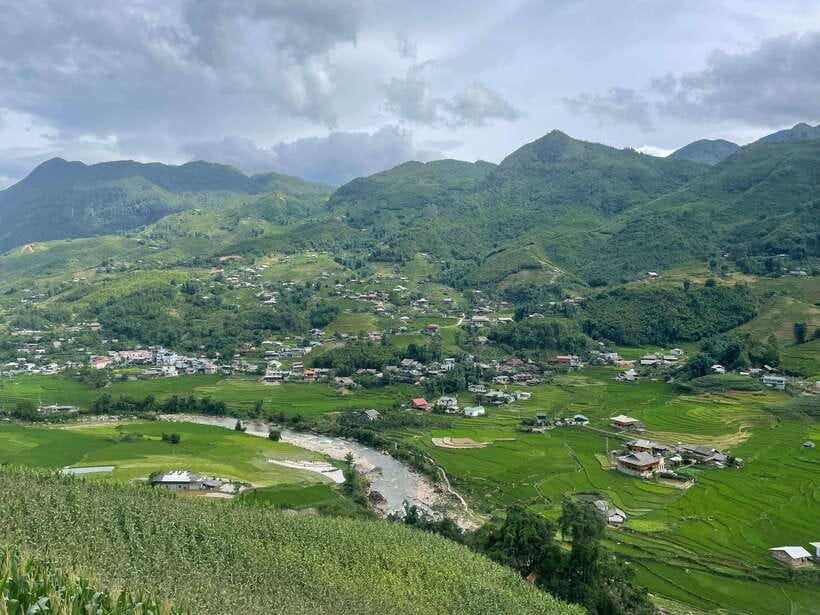
You’ll begin with a small trail hike up from Sapa, passing through corn farm terrain before the trail climbs more seriously. It’s the kind of warm-up that doesn’t feel like punishment, but it does remind you this is a trek, not a stroll.
You can also read our reviews of more tours and experiences in Sa Pa.
Dragon Jaw Mountain views: Sapa town, Muong Hoa valley, and Fansipang
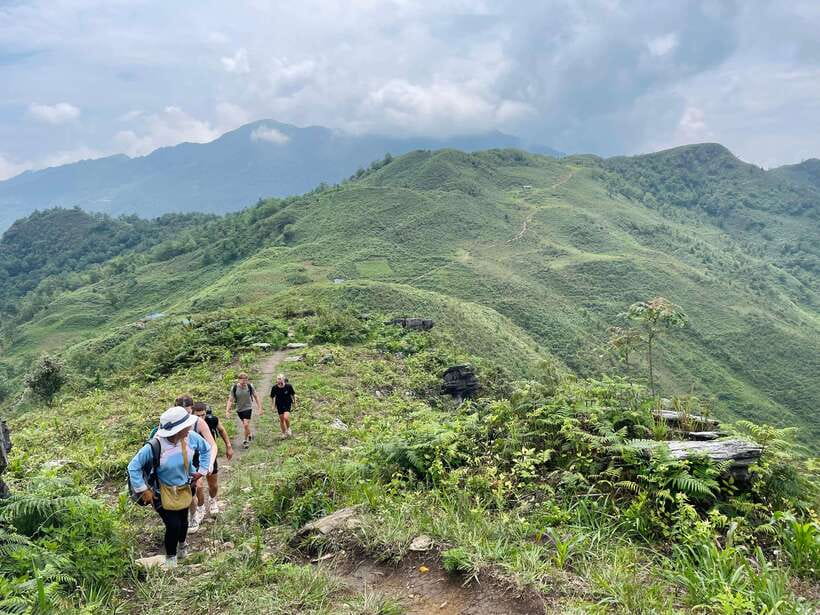
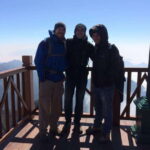
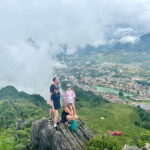
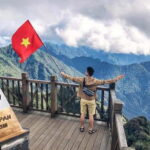
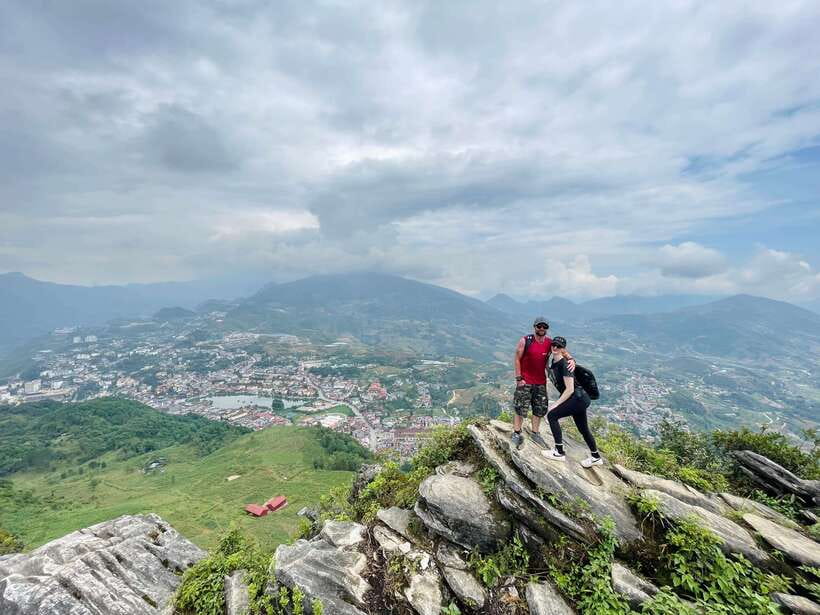
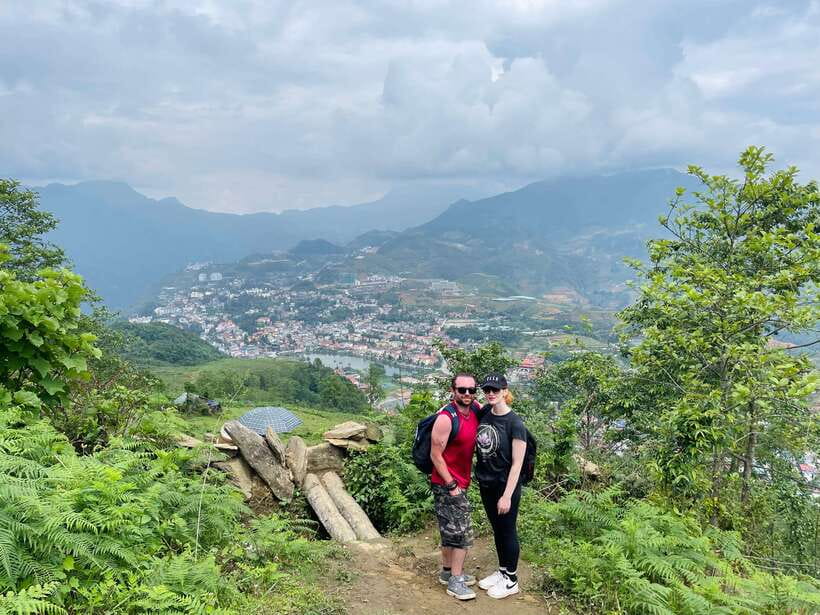
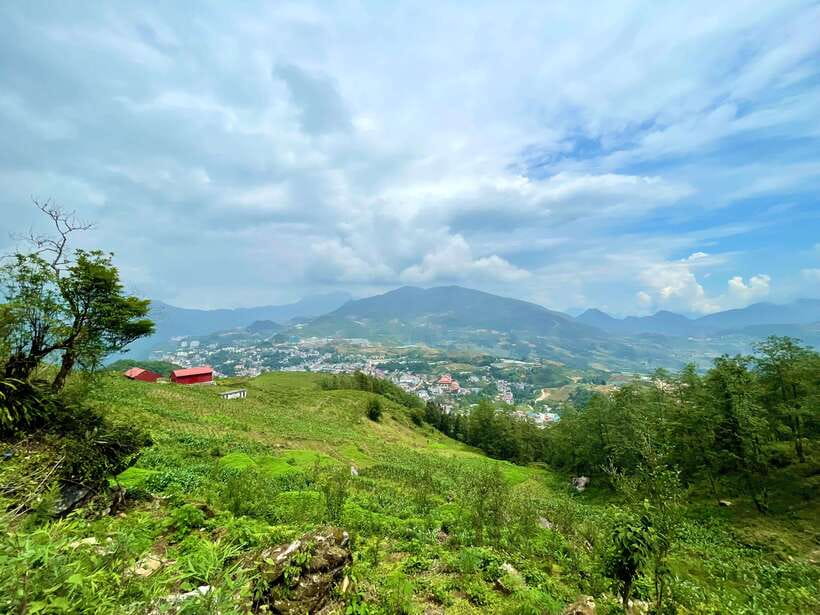
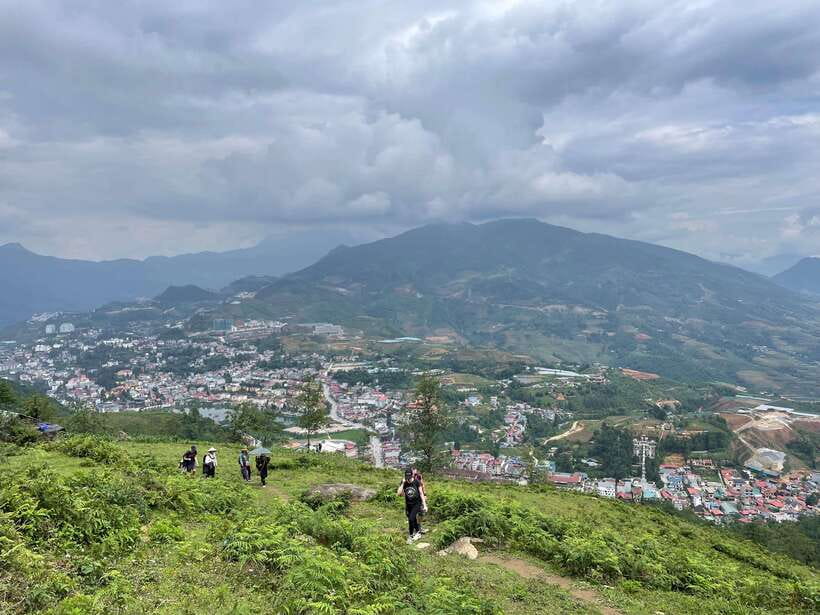
The day’s first major payoff is Dragon Jaw Mountain, reached after about 1.5 hours of hiking from Sapa. At around 1,900m above sea level, you look down over Sapa town and across the Muong Hoa rice valley—one of the region’s most scenic stretches.
This is where the weather can make or break your photos. If visibility is good, you’ll see those classic layered valley views. If the clouds roll in at the right moment, you might catch the sea-of-clouds look that makes Sapa feel unreal. And on clear days, you can see Fansipang, the highest mountain in Indochina, from this viewpoint.
Practical tip: you’ll want your camera ready during the stop and the next short walk. Views open up quickly here, then close again if fog thickens.
A few guides highlighted in past trips—Nhu, Tung Jacob, and Keyni—have been described as strong, patient, and physically capable. That matters on this section because the ridge isn’t just about distance. It’s about keeping your footing while you pause for photos.
The ridge walk to Hang Da: a dinosaur-like spine and real village life
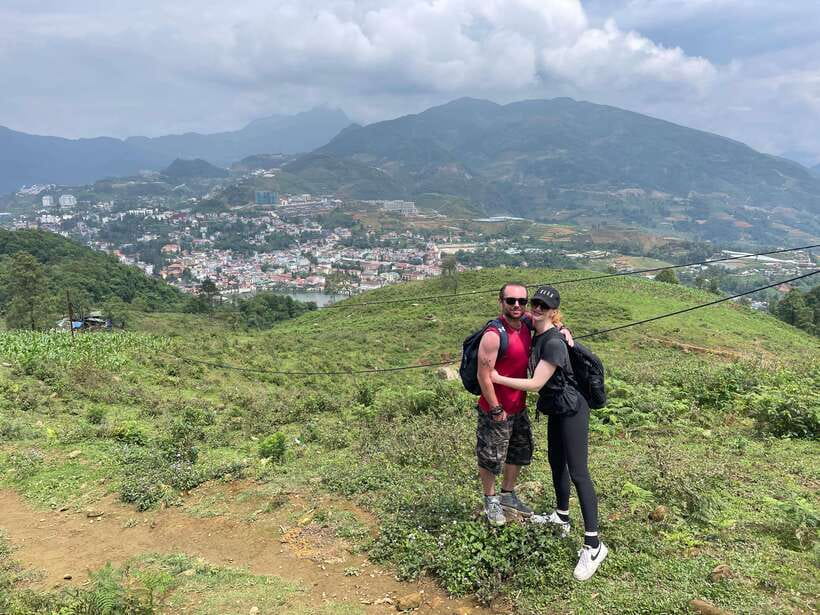
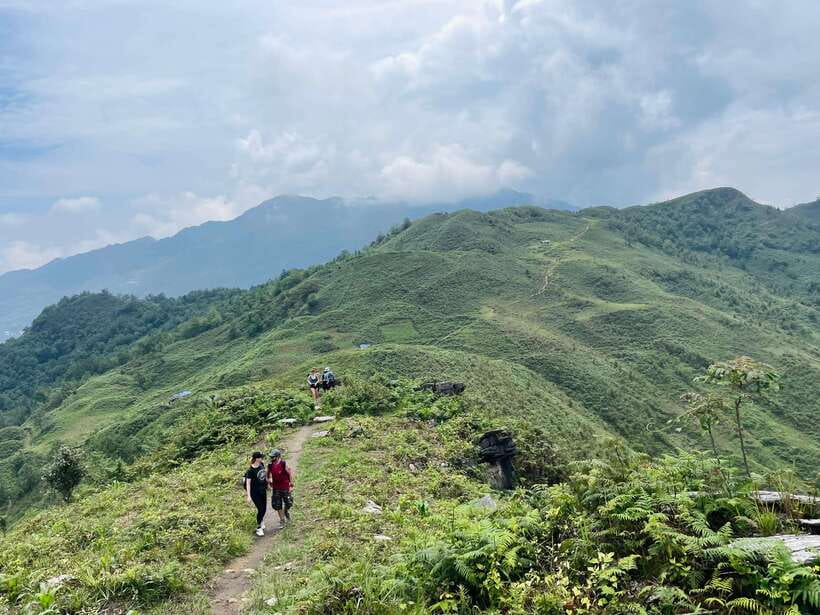
After your viewpoint break, the route continues along a trail that feels like a dinosaur’s spine—tight, narrow, and stretched out over the hillside. It’s the kind of walking that keeps your attention on balance more than on speed.
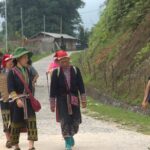
Next up is Hang Da village of the Black H’mong people. The hike down in this stretch passes houses scattered across the valley and gives you glimpses of working life in the hills.
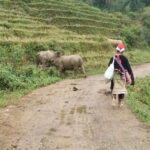
You may spot farm animals along the way—buffalo, cows, horses, and pigs. That might sound incidental, but it’s actually useful context: these villages aren’t just postcard backdrops. People live here, manage fields, and move through daily routines that don’t pause because you’re visiting.
You’ll also see traditional house styles as you walk through Hang Da. Then the tour moves into its biggest pause of the morning: lunch.
Lunch in Hang Da: local dishes and about an hour to recharge
Lunch is served in Hang Da, with about 1 hour allocated. The food is described as local dishes, and one past trip noted a simple lunch including fried noodles or rice.
I like that lunch is built into the village portion of the trek. You’re already cooled by the mountain air and warm from hiking, so eating feels earned. Also, it’s a chance to slow down and interact with village life without rushing to the next viewpoint every ten minutes.
If you have dietary restrictions, tell the operator in advance. The tour includes lunch, so your preferences need to be communicated before the day starts.
Hau Thao/Hau Chu Ngai and Giang Ta Chai: more trails, more angles
After lunch, you continue trekking toward Hau Chu Ngai (also listed as Hau Thao in the route description), then onward toward Giang Ta Chai for photo stops and more short guided sections.
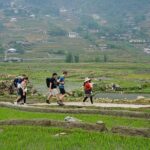
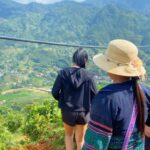
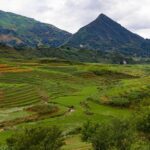
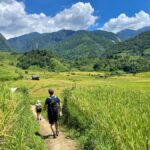
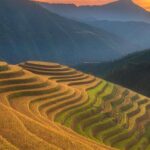
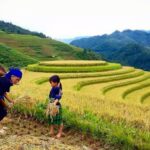
This part tends to feel like rolling scenes. You move along extremely beautiful village roads, with short bamboo forest trail stretches that break up the open hillside views. The trail also gives you that overhead look at terraced fields from above—exactly the kind of perspective that makes Sapa famous.
Photo stop time is shorter here (about 45 minutes at Hau Thao/Hau Chu Ngai, then around 30 minutes near Giang Ta Chai), so think of it as opportunity, not a long hangout. If you want the best shots, watch for where the guide stops. They’ll likely choose spots with the clearest sightlines toward the terraces and valley.
The terrain reality: good grip matters
One important consideration: this trek can get steep and slippery, especially if it’s raining. In a rainy-day experience, Tung Jacob checked difficulty preferences and adjusted the route. Another guide, Keyni, led a challenging course while staying patient and encouraging.
So here’s my advice: bring footwear with strong grip and plan for careful steps. If you’re deciding between hiking shoes and casual sneakers, hiking shoes win for comfort and safety.
Down to Ban Bo: bamboo paths, scattered houses, and terrace views
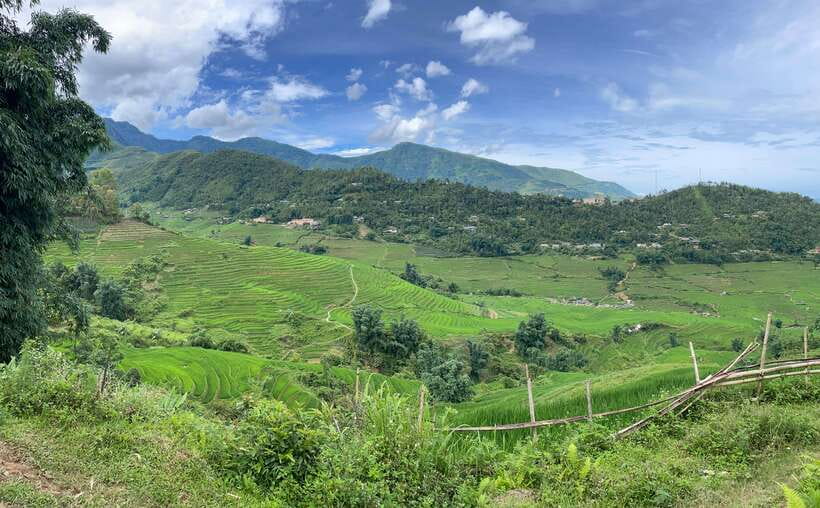
The route eventually takes you down toward Ban Pho (mentioned on the way down) and then to Ban Bo village, where the cultural finale happens. Along the descent, you’ll look at houses scattered around the valley and get more majestic terrace views from above.
This is the point in the day where your legs might feel it. Yet it’s also where the scenery keeps rewarding you. The downhill walking isn’t just a chore; it’s part of how you get those layered views over terraced fields without needing a long, separate detour.
If weather has shifted and visibility dropped, keep your expectations flexible. These areas change fast—fog can lift, clouds can thicken, and the light can swing from flat to magical within minutes.
Ban Bo museum: turning what you saw into understanding
The final scheduled stop is the museum in Ban Bo village. This is where the day stops being only about trekking and becomes about meaning.
With your guide, you’ll learn about local traditional clothes, plus local customs and cultural context. This museum stop is one of the most practical parts of the tour, because it helps you interpret what you’ve been seeing: village housing styles, clothing choices, and how communities structure daily life in mountainous terrain.
I find museum moments like this especially valuable on a short tour. You’re walking through places that look simple from far away. A little context turns it from scenery into a story you can actually follow.
After the museum visit, the trek ends. You’ll then take transport back to Sapa town or your accommodation.
Price and value: what $24 covers for a 6-hour day
At $24 per person for about 6 hours, this trek is priced like a budget-friendly way to combine walking, village life, lunch, and entrance fees. Included items are a bottle of water, an English-speaking professional guide, lunch, entrance fees, and transport back to Sapa.
For me, the value is in the mix:
- You’re not just hiking—you’re also visiting a museum and spending time in a village.
- Lunch is included, so you don’t have to hunt for food mid-trek.
- Entrance fees are covered, so you’re not hit with extra paperwork at the last minute.
The hidden cost is really on you: the right shoes, warm layers, and any personal extras you might want at village stalls. If you’re the type who likes to buy small crafts or textiles, budget a little extra for that.
Who this trek fits best (and who should skip it)
This is best for people who want a moderate to challenging hiking day but still like structured stops: a viewpoint, a village lunch, terrace walking, and a museum.
It’s a good fit if:
- you enjoy scenic ridgelines and valley views
- you like meeting guides who explain what you’re seeing
- you’re comfortable walking on uneven paths
Skip it if:
- you have heart problems (the tour notes it isn’t suitable)
- you’re using a wheelchair (it’s not accessible)
If you’re unsure about difficulty, ask your guide about route options. One guide (Tung Jacob) specifically checked trekking preference and adjusted for rainy conditions, so there’s at least some flexibility in the field.
What to bring and how to stay comfortable
This trek changes with the weather, so come prepared. Here’s what you’ll want:
- comfortable hiking shoes with grip
- warm clothing (mountain weather can shift)
- a camera (the ridge views are photo-friendly)
- a water bottle (the tour provides water, but you’ll still want to feel set)
Poncho note: one past experience mentioned poncho availability on request, especially when rain showed up. If you hate getting soaked, having rain gear in your pack is still smart.
Also: dress in layers. Cool air at altitude can feel crisp even if you start the day warm in Sapa.
Should you book this 1-day Sapa trek?
I’d book it if you want a full, satisfying day without overplanning. You get the big-ticket view from Dragon Jaw Mountain, a real village lunch in Hang Da, terrace walking with bamboo trail sections, and a Ban Bo museum stop that gives you context.
I wouldn’t book it if you’re fragile on your feet or expecting a flat, easy walk. This is a hillside trek with steep spots and possible slipperiness. If you go, go prepared—with grip, warm layers, and a calm pace.
If you want the experience most people remember, show up ready to walk, pause for photos, and spend time in the villages instead of treating them like quick photo ops.
FAQ
FAQ
Where does pickup happen for this Sapa trek?
Pickup is included around Sapa Center. If you don’t have hotel info or haven’t booked yet, you can meet the guide in front of the main church in central Sapa.
What time does the tour start?
The program starts at 9:00am.
How long is the trek?
The experience lasts about 6 hours.
What is the main viewpoint on the route?
You’ll hike to Dragon Jaw Mountain, where you can see Sapa town, Muong Hoa rice valley, and—when conditions allow—Fansipang.
What altitude is Dragon Jaw Mountain?
Dragon Jaw Mountain is listed at about 1,900m above sea level.
Which villages do you visit?
The route includes Hang Da village and Ban Bo village, plus additional village stops such as Hau Thao/Hau Chu Ngai and Giang Ta Chai along the way.
Is lunch included?
Yes. Lunch is provided during the Hang Da stop, with about 1 hour for the meal.
Is there an English-speaking guide?
Yes. A professional English-speaking guide leads the tour.
What should I bring for this hike?
Bring comfortable shoes or hiking shoes, warm clothing, and a camera. Water is provided, but having your own comfort items can help.
Is this trek suitable for everyone?
It isn’t suitable for people with heart problems, and it’s not for wheelchair users. The trek is described as moderate to challenging.