REVIEW · SAPA
Local Experience in Sapa trekking tours
Book on Viator →Operated by Asia Vacation Travel · Bookable on Viator
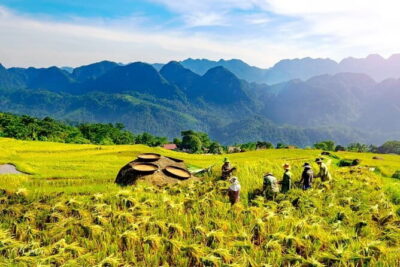
Terraces and villages, on a human scale. In Sapa, this 2-day trekking experience connects you with local ethnic communities and keeps things small, with an English-speaking guide and a group size capped at 15 travelers. I like that you can start in Sapa town (morning pickup) or join the late Hanoi pickup by bus, depending on how you’re routing your Vietnam trip.
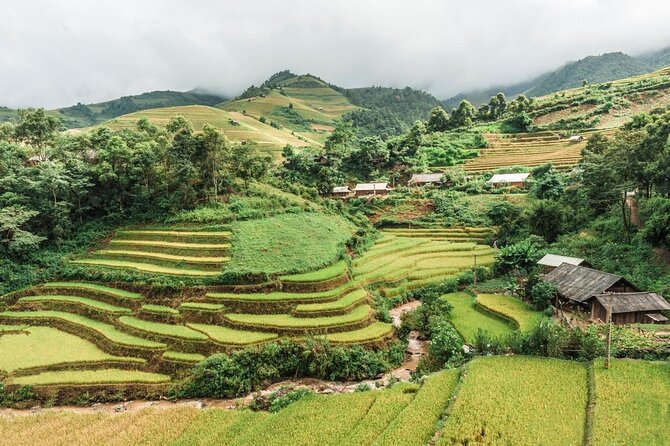
I also love how the route threads through several villages—Y Linh Ho (Black H’mong), Lao Chai (Dzay), and Ta Van (Dzay) in the Muong Hoa valley area—so the scenery and village rhythms don’t feel like a single stop-and-go attraction. Dinner, two lunches, and two breakfasts are built into the price, which makes budgeting easier on a short trek.
One possible consideration: the included accommodation is listed as a dormitory, and the “shared” setup can mean shared bath and toilet (with paid upgrades if you want more privacy). You’ll also want moderate trekking fitness, since this is a real walking experience, not just a viewing day from a car.
In This Review
- Key Things to Know Before You Go
- Where the Sapa Trek Fits in Your Vietnam Route
- Day 1 in Sapa: Y Linh Ho, Lao Chai, and Ta Van Village Time
- Y Linh Ho (Black H’mong)
- Lao Chai (Dzay)
- Ta Van Village (Dzay) in the Muong Hoa valley area
- The Hanoi connection that’s built into the program
- Day 2: Giang Ta Chai and the Red Dzao Village Visit
- Returning to Sapa town
- Homestay-Style Overnight: Dorm Comfort vs Paid Privacy
- Price and Value: What $55 Includes (and What You’ll Add)
- Guide Quality and Safety: Names You May Hear (Hoa, Su May)
- Who This Sapa Trek Suits Best (and Who Should Rethink It)
- Should You Book This Sapa Trek with Asia Vacation Travel?
- FAQ
- FAQ
- Is pickup included?
- Where is the start point in Sapa?
- What time does the tour start?
- What villages do you visit?
- Are entrance fees included?
- What meals are included?
- Is the guide English-speaking?
- What does the overnight lodging include?
- Is the Hanoi–Sapa transfer included in the $55 price?
- How many people are in the group?
- What is the cancellation window?
Key Things to Know Before You Go
- Small group cap of 15 helps your guide keep an eye on timing and energy levels.
- English-speaking guide makes village visits easier to understand beyond the photos.
- Multi-village route gives you more than one valley viewpoint and several cultural stops.
- Meals included (lunch x2, breakfast x2, plus dinner) keeps the trek day from becoming a snack hunt.
- Dorm-style overnight is part of the deal, with paid options if you prefer private facilities.
- Hanoi-to-Sapa transfer isn’t included in the $55 (you’ll likely add the sleeping bus separately if starting in Hanoi).
Where the Sapa Trek Fits in Your Vietnam Route

This is the kind of trip that works best when you want countryside time without going totally “rough it.” The basic structure is 2 days in Sapa area with a homestay-style overnight experience and village-based trekking. The tour is priced at $55 per person and is positioned as a practical package: you get guidance, entrance fees for the included stops, and key meals, which adds real value if you’re trying to keep your Vietnam costs under control.
You also get flexibility in how you start. In Sapa, you can be picked up at your hotel in Sapa town if you send your details at least a day ahead, or you can use the start point at Sapa Friendly Inn & Travel (No. 1B So Than street, Sapa). If you’re coming from Hanoi, the setup includes a pickup by bus from the Hanoi Old Quarter area around 21:00–22:00, with a roughly 6-hour sleeping bus ride (with two short breaks).
That means you can either:
- arrive in Sapa earlier and start the trek with morning pickup, or
- sleep your way from Hanoi and start the trekking rhythm the next day.
Just note the tour requires you to provide hotel information for pickup and drop-off in Hanoi Old Quarter or Sapa town at least 1 day before departure. If you’re sending questions, you’ll deal with their WhatsApp contact at +84-902-260-486.
Day 1 in Sapa: Y Linh Ho, Lao Chai, and Ta Van Village Time
Day 1 begins with a Sapa pickup at 6:00 am, either from your Sapa hotel or from the listed meeting point area. From there, the day shifts into village visits—less “museum tour,” more “walk and watch village life move.”
Y Linh Ho (Black H’mong)
The first village stop is Y Linh Ho, home of the Black H’mong community. Plan for about 1 hour 30 minutes here. What I like about starting with Y Linh Ho is that it sets expectations early: you get a clear cultural introduction before the day stacks more villages and trekking time.
If you care about respectful travel (and you should), this is where you’ll feel the benefit of having an English-speaking guide. Even small context—how people farm, how daily routines work, and what matters locally—changes the visit from scenic to meaningful.
Lao Chai (Dzay)
Next comes Lao Chai, associated with the Dzay community, again around 1 hour 30 minutes. Entrance is noted as included/free depending on the stop, so the timing matters more than hunting down tickets.
A practical tip: villages like Lao Chai can feel visually similar at first glance—terraces, houses, and paths—but the details vary by area and by the community. With a guide, you’re more likely to notice those differences without turning your day into a blur of stops.
Ta Van Village (Dzay) in the Muong Hoa valley area
Then you reach Ta Van Village, also tied to the Dzay community, described as one of the most beautiful areas in the Muong Hoa valley. Expect another 1 hour 30 minutes here, with included entrance.
This is the stop where the “why Sapa trekking?” question usually gets answered for people. The Muong Hoa valley setting means you’re dealing with layered views and steep terrain. Even if you’re not a hardcore hiker, simply walking through the terrace and village edges tends to make everything feel more real than a viewpoint platform.
The Hanoi connection that’s built into the program
One detail that can confuse first-time planners: the schedule also includes a pickup by bus from Hanoi Old Quarter (around 21:00–22:00) with the sleeping bus ride. So depending on when you enter the tour, day 1 may pair your morning Sapa start with the larger “Hanoi to Sapa” plan.
If you’re trying to line this up with a Hanoi stay, check your exact pickup timing with the operator well before departure. Their rule is simple: send your hotel details at least a day ahead so the pickups don’t become a last-minute scramble.
Day 2: Giang Ta Chai and the Red Dzao Village Visit
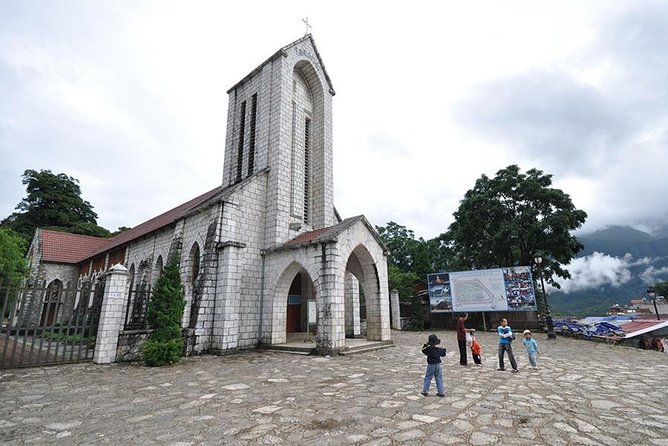
Day 2 starts with Giang Ta Chai Village, home of the Red Dzao ethnic group. Time on this stop is listed as about 3 hours, with entrance included.
That longer time block is important. Compared to the earlier shorter village stops, this one gives you room to slow down and understand daily life more than just see it. A 3-hour village visit can include trekking along paths, chatting with locals (through your guide), and taking in the terrace-and-mountain setting from multiple angles.
You’ll likely notice how the communities differ from one village to the next—not just visually, but in how daily work and household rhythms show up along the trails.
Returning to Sapa town
After Giang Ta Chai, the program brings you back to Sapa town, mainly so you can wait for your bus back to Hanoi or end your trip in Sapa. The Sapa stop time is short—about 30 minutes—so treat it like a transit window, not a spare sightseeing bonus.
Homestay-Style Overnight: Dorm Comfort vs Paid Privacy

The included accommodation is listed as dormitory style. In the extra-cost options, there’s a paid upgrade for private sleep with shared bath and toilet (extra $30 per room/night) and another upgrade for overnight in a bungalow with private bathroom and toilet (extra $40 per room/night).
Here’s the practical reality: if you’re okay with shared facilities and you want to keep the cost down, the dorm setup can work fine for a short 2-day trek. It also fits the tour goal of connecting with local life rather than staying in a standard hotel bubble.
But if you want privacy—especially if you’re a light sleeper or you prefer your own bathroom—those add-ons can be worth it. The key is to decide before you arrive, because the baseline included setup is clearly not “hotel comfort.”
Also, because this is described as a homestay and trekking experience, it suits people who like the idea of spending time in local spaces and walking at a steady pace. The tour is recommended for young people and people who can trek with an overnight stay in a local house.
Price and Value: What $55 Includes (and What You’ll Add)

At $55 per person, this can feel like a bargain—mainly because several costs that often add up on treks are included. Specifically, the price coverage includes:
- Dinner
- Lunch (2 meals)
- Breakfast (2 meals)
- All entrance fee tickets
- English-speaking guide
- Accommodation in a dormitory
On top of that, there’s a small-group setup (max 15), plus pickup offered and mobile ticket. Group discounts are also mentioned, which is nice if you’re traveling with friends or family.
What’s not included is the part most people forget to budget: the transfer between Hanoi and Sapa. The sleeping bus round trip is listed at $24 per person. If you’re starting in Hanoi, plan to add that cost. The itinerary also notes the 6-hour sleeping bus ride with two short breaks as part of the Hanoi-to-Sapa path.
There are also optional add-ons:
- Private sleep (shared bath/toilet): $30 per room/night
- Bungalow with private bath/toilet: $40 per room/night
- Sleeper train option: extra $50 per person if you use overnight train and add pickup from the train station
So is it good value? For most people: yes, if you want guided village trekking, meals, and entrances covered in one package. If you’re already in Sapa and you already have lodging sorted, it can still be a solid deal, but the real “value punch” is the fact that meals + entrances + guide are included.
Guide Quality and Safety: Names You May Hear (Hoa, Su May)

One theme that comes up in real-world bookings is that the guide approach matters. In past trip experiences connected to this provider, guides such as Hoa and Su May have been specifically praised. One solo female traveler also highlighted feeling safe and well cared for because the planning was careful, with extra support from a family member of the guide team.
You shouldn’t assume any tour will feel the same way, but you can use this as a clue for what to ask before you go:
- Who will be guiding me on my dates?
- Is there flexibility if someone in the group moves slower?
- What should I bring for early starts and mountain walking?
Since you’ll be walking, staying overnight, and visiting multiple villages, good coordination is more than nice-to-have. It’s what keeps the day from feeling rushed and helps you follow local timing respectfully.
Who This Sapa Trek Suits Best (and Who Should Rethink It)

This trek is a strong match if you want:
- A real small-group countryside experience rather than a fast “checklist tour.”
- Village visits that are explained by an English-speaking guide.
- An overnight stay that’s part of local life, not an extra hotel cost.
It’s also recommended for people with moderate trekking fitness and for younger travelers who enjoy walking and don’t mind dorm-style lodging.
You might want to rethink the baseline version if:
- you strongly need private bathroom access without paying upgrades,
- you dislike dorm settings (even for one night),
- you’re looking for a purely low-walk day. This is a trekking experience, not a drive-and-photo tour.
The good news is there are clear options for privacy upgrades and transfer types (sleeping bus or sleeper train add-on), so you can tailor your comfort level.
Should You Book This Sapa Trek with Asia Vacation Travel?
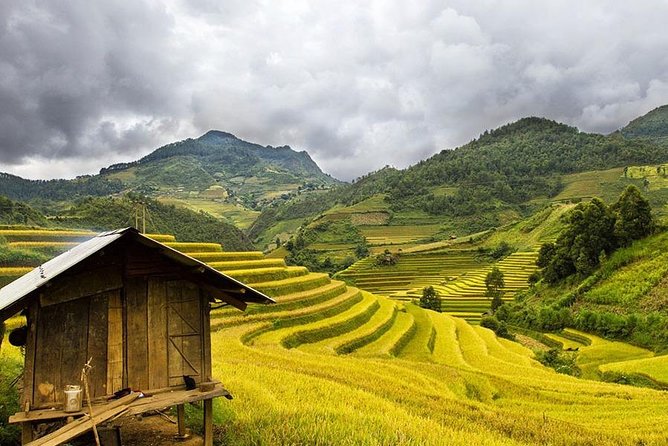
If your goal is a two-day Sapa trek that mixes terraces with village interaction, this is worth booking. The price is easy to stomach because meals and entrances are included, and the group size stays small. The fact that it works with both Sapa starts and Hanoi late pickup is also a major planning win.
Before you say yes, do three things:
- Send your hotel information for pickup/drop-off at least 1 day in advance (their pickup depends on it).
- Decide whether the dormitory overnight is okay for you, or budget the privacy upgrade.
- Budget the Hanoi–Sapa sleeping bus transfer if you’re starting in Hanoi (it’s not included in the $55).
One last practical note: cancellation is free up to 24 hours before the experience start time, so you’re not locked in with zero flexibility.
FAQ
FAQ
Is pickup included?
Yes. Pickup is offered either from your hotel in Sapa town or from the bus station area. If you’re starting from Hanoi, there is also a pickup by bus from the Hanoi Old Quarter area between 21:00 and 22:00.
Where is the start point in Sapa?
The start point listed is Sapa Friendly Inn & Travel, No. 1B So Than street, Sapa.
What time does the tour start?
The meeting start time is listed as 6:00 am.
What villages do you visit?
On the Sapa-side day, you visit Y Linh Ho (Black H’mong), Lao Chai (Dzay), and Ta Van Village (Dzay). On day 2, you visit Giang Ta Chai Village (Red Dzao). You also return to Sapa town afterward.
Are entrance fees included?
Yes. Entrance fee tickets are listed as included for the tour.
What meals are included?
The package includes dinner, lunch (2), and breakfast (2).
Is the guide English-speaking?
Yes. An English-speaking guide is included.
What does the overnight lodging include?
Accommodation is listed as a dormitory. You can pay extra for private sleep (shared bath/toilet) or for a bungalow with private bathroom and toilet.
Is the Hanoi–Sapa transfer included in the $55 price?
No. The sleeping bus transfer between Hanoi and Sapa is listed separately at $24 per person round trip.
How many people are in the group?
The tour has a maximum of 15 travelers.
What is the cancellation window?
Free cancellation is offered. You can cancel up to 24 hours in advance of the experience start time for a full refund.