REVIEW · MOUNT ETNA
Mount Etna: Private Trek on the North Slope Craters
Book on GetYourGuide →Operated by Empeeria · Bookable on GetYourGuide
Etna’s north slope feels otherworldly fast. This private trek takes you over lava flows, through beech forest, and up to the craters with a local guide who ties it all to what happened in recent eruptions. You’ll get panoramic views, solid hiking time, and a real sense of how active this volcano still is.
I especially like the way the walk is paced. It starts on an easier path along the edge of a lava flow, then gradually climbs through trees before reaching the northern crater area. I also like that you’re not just looking—you’re learning, including the 2002 volcanic eruption and what its effects look like on the ground.
One consideration: the hike can be steeper than it looks in photos, and if you have a fear of heights, the crater areas may not feel comfortable. Weather matters too; fog can roll in and change visibility, but it can also make the experience feel even more intense.
In This Review
- Key highlights you’ll feel on this Etna trek
- Getting to Piano Provenzana: your Etna north-slope starting point
- A focused 3-hour hike over Europe’s highest active volcano
- Walking the lava edge, then climbing through beech forest
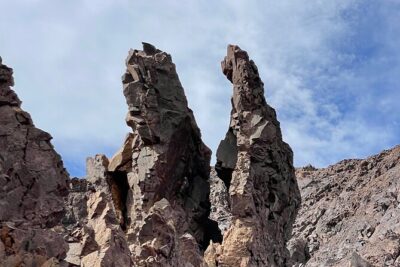
- North slope craters: where you feel the power of recent eruptions
- Crossing more lava flows and seeing Ragabo Pinewood remnants
- Photo tips for panoramic views, even when fog rolls in
- Guide-driven storytelling (and why it matters more than you think)
- Price and value: $317.20 per group up to 12
- What you should bring (and what you’ll be glad you did)
- Who this Etna north-slope trek is best for
- Should you book this private trek on Etna’s north slope?
- FAQ
- How long is the Mount Etna private trek on the North Slope Craters?
- Where do we meet the guide?
- Is this activity private?
- What languages are the guides available in?
- What is included in the price?
- Are food and drinks included?
- What should I bring for the hike?
- How strenuous is the hike?
- What happens if weather is bad?
Key highlights you’ll feel on this Etna trek
- Private guide-led route focused on Etna’s north side viewpoints
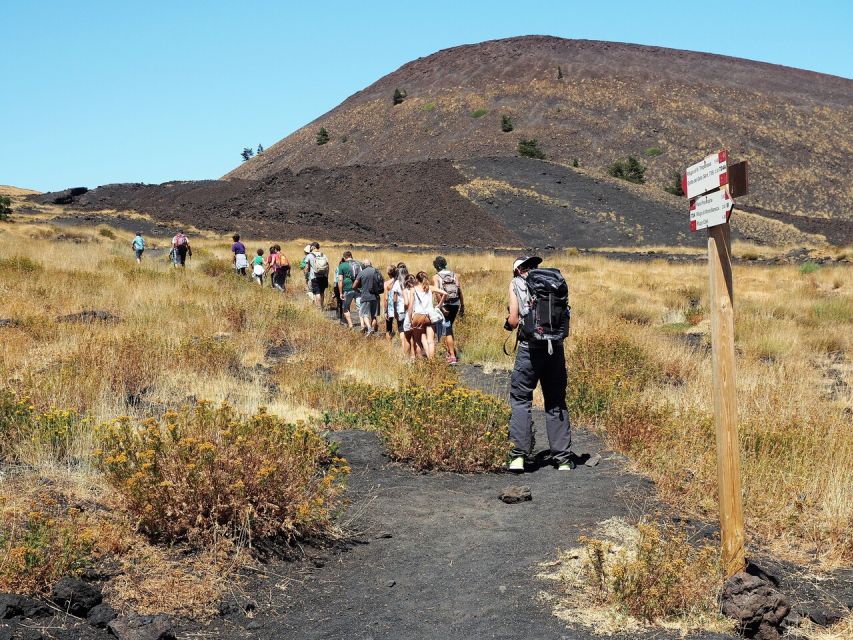
- Start easy, then climb gradually from a lava-flow edge through beech forest
- Crater base access with explanations tied to eruptions over recent decades
- The 2002 eruption in context, plus what you can still see today
- Crossing multiple lava flows and spotting remains of Ragabo Pinewood
- Good photo chances, especially when the sky clears on the ridge
Getting to Piano Provenzana: your Etna north-slope starting point
This trek starts at Piano Provenzana, a well-known ski area on Etna. It’s a practical choice: you’re heading straight to the part of the mountain that gives you that dramatic mix of volcanic ground and higher-altitude walking. Plan to arrive about 30 minutes early so you’re not rushed during the intro and safety talk.
From there, you’re basically building your hike around the north slope. That matters because Etna’s terrain changes as you move—what you see in one direction can look totally different from another. The route here is set up so you get the best angles on the deep craters and lava flows without doing a long, all-day expedition.
You can also read our reviews of more tours and experiences in Mount Etna.
A focused 3-hour hike over Europe’s highest active volcano
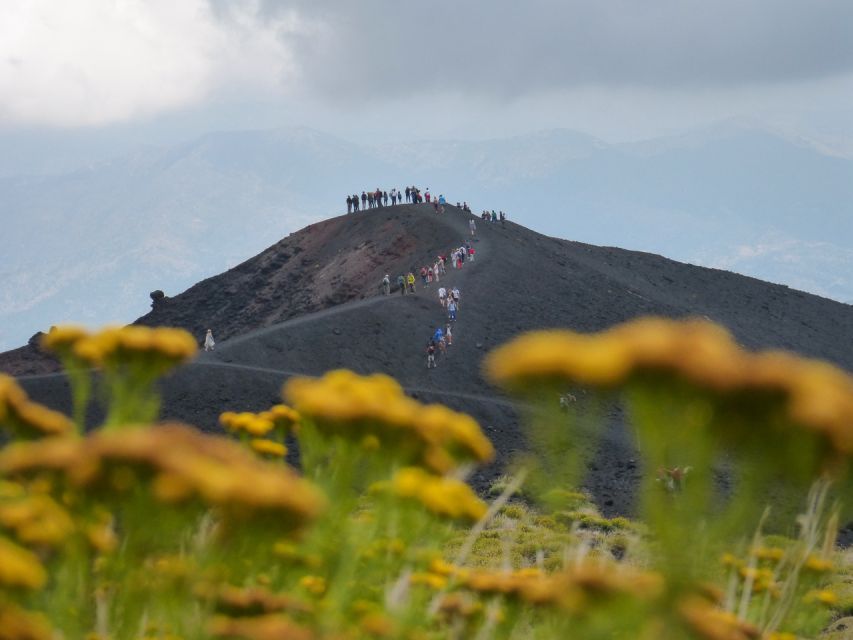
This is a 3-hour private trek, and it’s designed to be doable for a range of hikers while still being real mountain walking. The pace isn’t a casual stroll—one review-style summary called it moderately strenuous, and also noted that it’s steeper than what you might expect from a photo.
Group size is kept small in practice since it’s private. The booking is priced per group up to 12, so if you’re traveling with friends or family, you can spread the cost and make the guide attention feel even more personal. If you’re a solo traveler, you’ll still get the benefits of a guide-managed route, just without the group-splitting advantage.
And yes: bring water and comfy clothes. You’re moving through volcanic ground and walking between very different surfaces—lava, forest, and crater edges. Even in cooler months, you’ll want to stay ahead of thirst.
Walking the lava edge, then climbing through beech forest
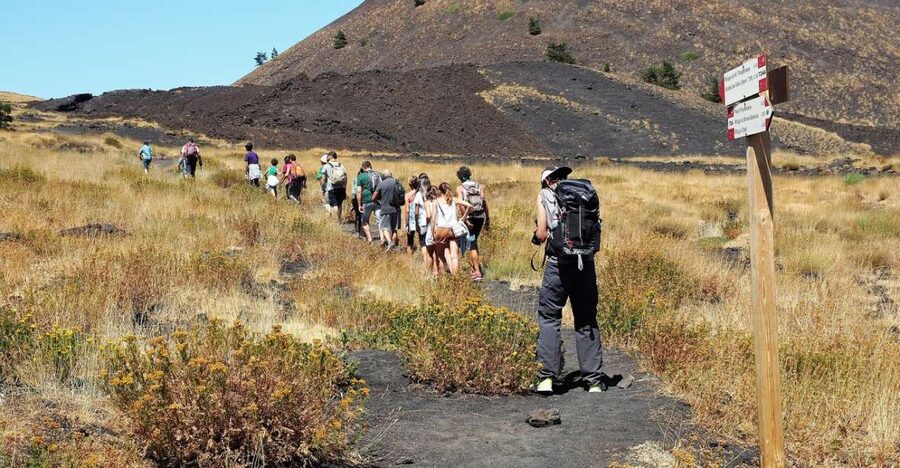
Right when you start, you’ll notice the shift in terrain. The hike begins on an easy path along the edge of a lava flow. That first stretch is useful because it sets your balance and footing before the climbing gets more serious. You’re also getting your first close-up look at the volcanic ground—use it to orient yourself and set your camera up for the real views later.
Then the route gradually climbs through a forest of beech trees. This is one of the reasons I like this trek so much in any season: you don’t just walk on rock. The trees break up the visual intensity, soften the walking environment, and give you a different kind of atmosphere as you gain height.
Why that matters for you: if you’re the type who gets tired from only “hard rock” hiking, the beech section gives your legs a change of pace and your eyes a reset. It also helps you understand the mountain as a living environment, not only as an eruption map.
North slope craters: where you feel the power of recent eruptions
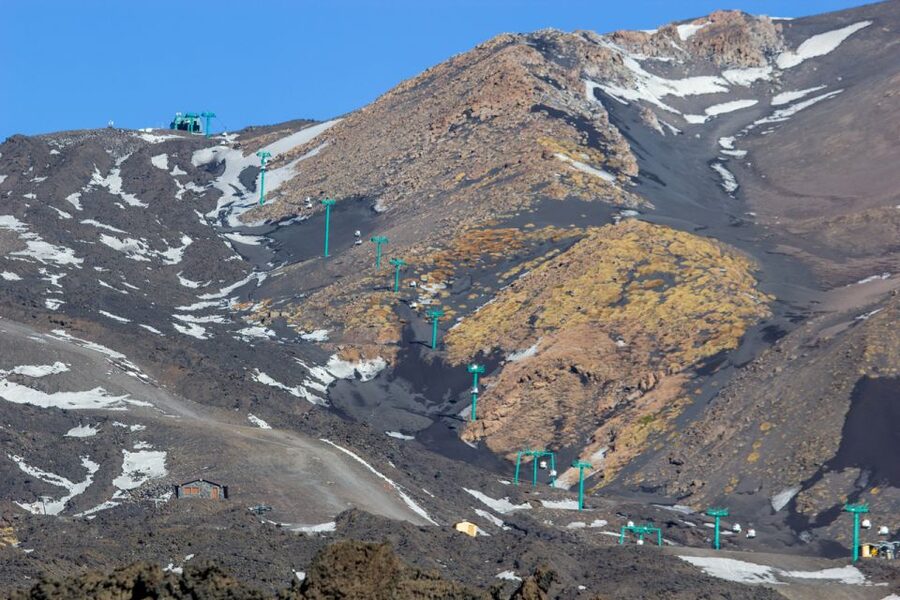
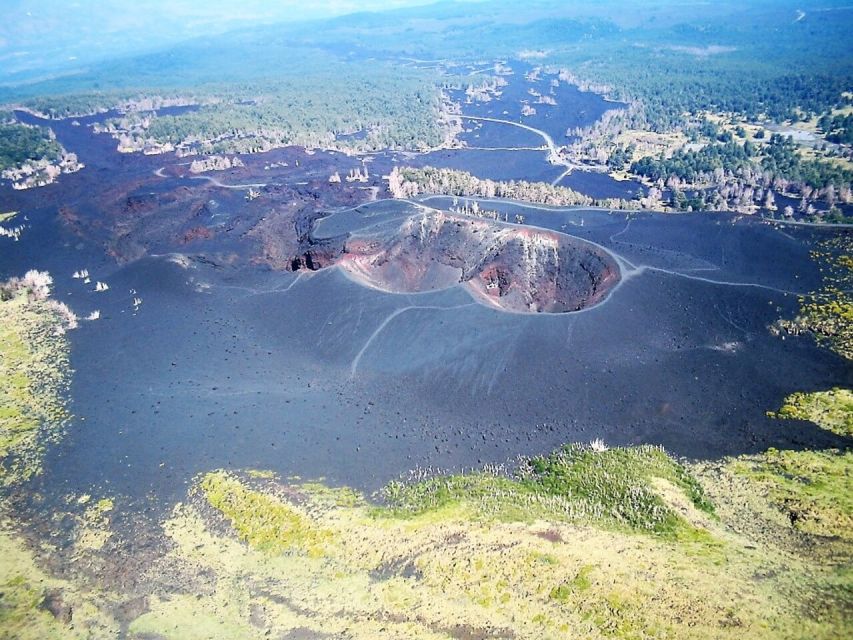
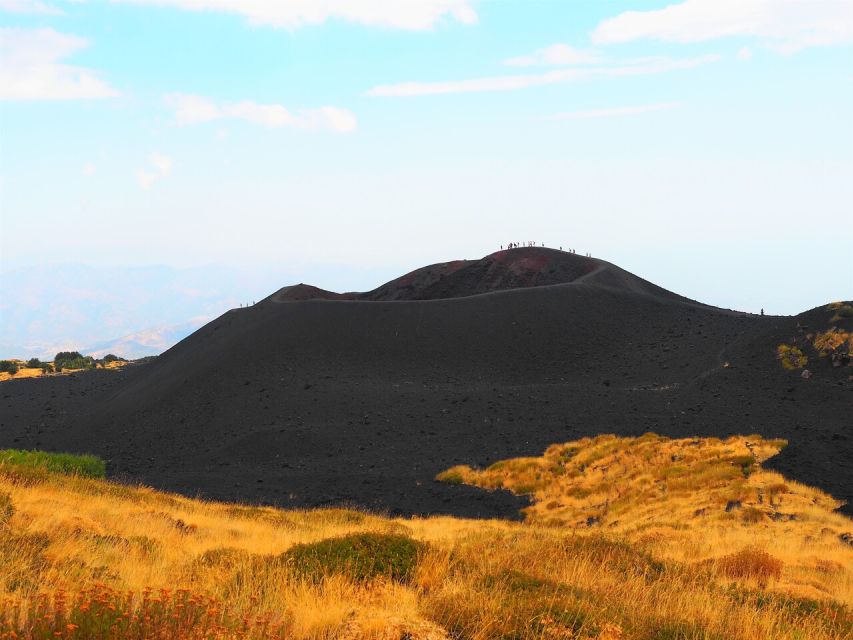
The key moment comes when you reach the base of the craters on the northern side. This is where the guide’s role really pays off. You’re not wandering blindly—you’re getting guided explanations about how Etna works and what certain areas mean.
You’ll be shown the site connected to the most important eruption of the last decades, and you’ll hear stories and details about the 2002 eruption and its effects. Even if you already know the basics of Etna, this is the part where it becomes physical. Instead of reading about volcanic activity, you’re seeing how it reshapes terrain and how those changes still matter on the ground.
A note for comfort: near crater areas, the walking can feel exposed. One piece of feedback also warned that the experience might not suit people with a fear of heights. If that’s you, I’d think carefully before booking and talk to the provider on the day about whether parts can be adjusted.
Crossing more lava flows and seeing Ragabo Pinewood remnants
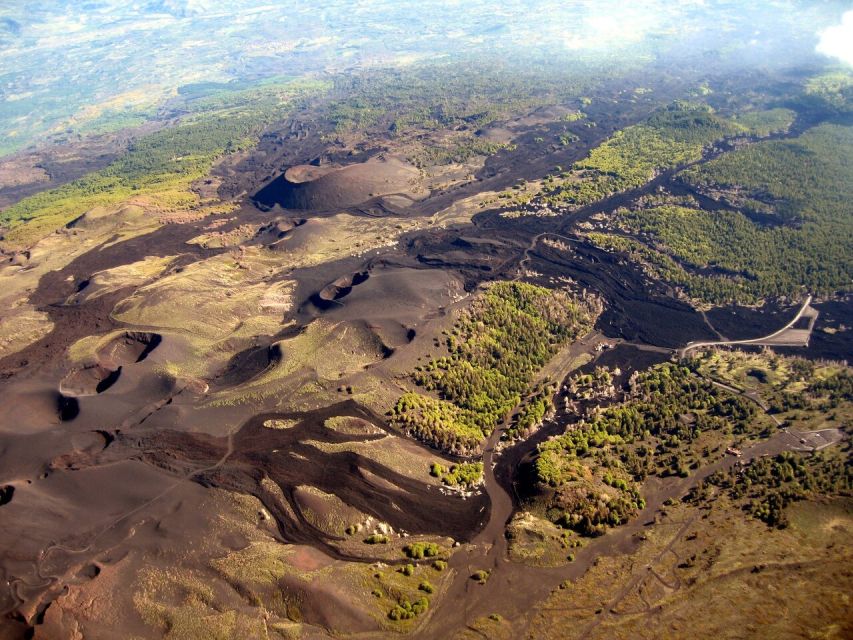
After the crater section, the walk continues with a series of crossings over lava flows. This isn’t random scenery. Each stretch helps you read the mountain like a timeline: where lava spread, where it leaked through sides and edges, and how the area has changed since.
One of the more interesting stops comes when you see the remains of Ragabo Pinewood, described as centuries-old. Even though you’re not walking through a lush intact forest, the presence of those remnants gives you a strong contrast—volcanic destruction on one side, survival and regeneration on the other.
What to do here: slow down when you spot these remnants and ask your guide what you’re looking at. A private guide can help you notice details you would likely miss on your own—small patterns in vegetation and the way the ground is layered.
Photo tips for panoramic views, even when fog rolls in
This trek is built for photos. You’ll have chances for panoramic views from higher points, and you’ll also get close enough to volcanic features to capture texture, not just a wide postcard shot.
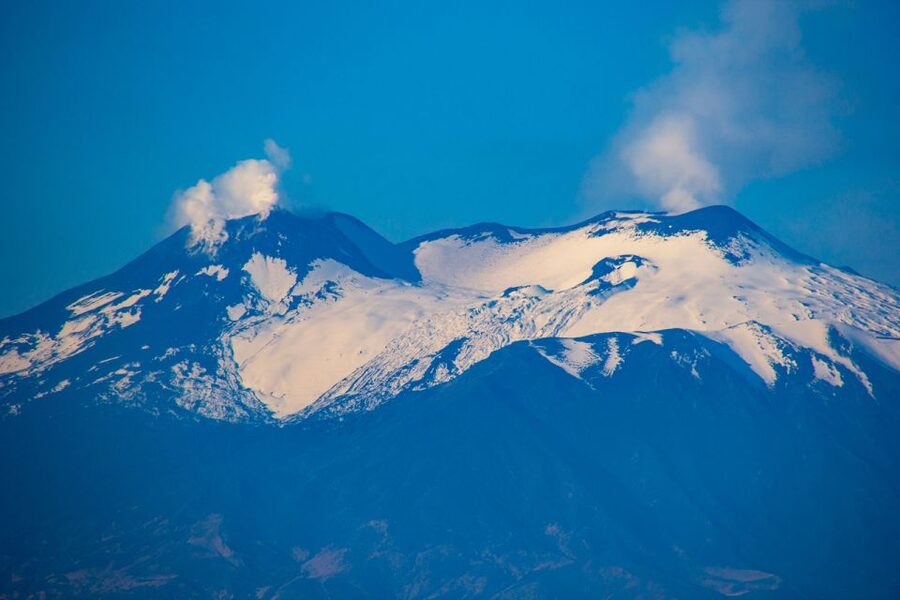
Weather can affect what you see, and fog has been part of the experience for some hikers. Here’s my practical advice: if the sky turns gray or visibility drops, don’t assume it’s a “lost” outing. A foggy volcano can feel dramatic and atmospheric, and it may actually make crater scale feel bigger. Just keep your expectations flexible and make sure you’re dressed for changing conditions.
Camera ready tip: bring a phone strap or keep it in a secure pocket when you’re climbing. Lava-ground footing can be less forgiving than a typical trail.
Guide-driven storytelling (and why it matters more than you think)
The best part of a private Etna hike isn’t that you can go places—Etna is already going to do the wow factor. The difference is what your guide helps you connect.
You’ll hear local stories, learn about the geography from a professional guide, and get the context behind why certain areas are watched after eruptions. The experience provider for this trek is listed as Empeeria, and guides connected with this route have included people named Gio and Giuseppe, which shows how local and tailored the experience can feel.
What you gain from that kind of guiding: you stop treating lava flows like scenery and start treating them like evidence. You understand the “why” behind what you’re seeing, especially around the 2002 eruption area.
Price and value: $317.20 per group up to 12
The price is $317.20 per group (up to 12 people), for a 3-hour guided trek. On paper, that can sound like a lot if you’re traveling solo. But here’s the value logic: you’re buying a private guide’s time plus route knowledge for a mountain environment where safety and timing matter.
To estimate value for your group, do the simple math: divide the group price by how many people you’ll have. If you fill the group with friends and split the cost, it becomes a much more reasonable per-person outing than a typical guided hike. If you’re only two people, it’s still a good deal if you really want expert guidance on crater terrain and a route that mixes lava and forest without guessing.
Also, no food is included, which keeps the hike focused. If you plan an easy lunch afterward (or pack snacks separately if you prefer), you won’t feel locked into a set meal cost.
What you should bring (and what you’ll be glad you did)
This trek is outdoors on changing terrain. Use the basics and you’ll be comfortable.
Bring:
- Hiking shoes (non-slip matters on rough ground)
- Water
- Sunscreen
- A camera
- Comfortable clothes that can handle sun and cooler air near higher ground
If you get cold easily, consider a light layer. The description doesn’t list specific weather gear, but Etna conditions can shift, and a foggy morning can feel colder even if it’s sunny earlier.
Who this Etna north-slope trek is best for
This is a strong fit if you want a guided Etna morning focused on the northern craters and lava flows, without turning it into an all-day grind. It’s also a good option if you like learning while you walk—especially if the 2002 eruption story interests you and you want to see effects firsthand.
It’s less ideal if:
- You dislike steeper sections (reviews note it can be steeper than photos)
- You have a fear of heights near crater areas
If you’re a capable hiker but you want a guided route that keeps your day simple, this private format makes sense. The guide also helps you match your pace to your comfort level, which is a big deal on uneven ground.
Should you book this private trek on Etna’s north slope?
If you want Etna in a concentrated, guided hit—lava flows, beech forest, crater base viewpoints, and a clear explanation of the 2002 eruption—then yes, this is a smart booking. The private guide focus is what makes it more than a walk with views.
I’d book especially if:
- You’re coming to Sicily and want one morning that feels big and meaningful
- You’d rather have a local explain what you’re seeing than rely on guesswork
- You’re traveling with others and can split the per-group cost
Skip it (or ask more questions first) if steep exposure could stress you out. In that case, you’ll enjoy the mountain more by choosing a less exposed route.
FAQ
How long is the Mount Etna private trek on the North Slope Craters?
The duration is 3 hours. Starting times vary, so you’ll need to check availability.
Where do we meet the guide?
Meet at Piano Provenzana. The trek ends back at the meeting point.
Is this activity private?
Yes. It’s listed as a private group.
What languages are the guides available in?
The live guide is available in French, English, and Italian.
What is included in the price?
The price includes a professional guide.
Are food and drinks included?
No. Food and drinks are not included.
What should I bring for the hike?
Bring hiking shoes, water, sunscreen, comfortable clothes, and a camera.
How strenuous is the hike?
It’s described as moderately strenuous and can be steeper than shown in photos, with exposed crater-area sections that may not suit people with a fear of heights.
What happens if weather is bad?
The reservation may be subject to change or cancellation depending on weather conditions.