REVIEW · KATHMANDU
Mardi Himal Trek
Book on Viator →Operated by Accessible Adventure Pvt. Ltd · Bookable on Viator
The Mardi Himal Trek is all about big mountain payoff. You get high ridges, firmer trail underfoot, and serious Annapurna views, plus Pokhara as a comfortable reset. I also like the way the trek mixes nature with real people time, where you hike through villages and meet different ethnic communities. One thing to plan for: the walking is long and can get steep, with some narrow sections near the high points.
This is the kind of trek where the small details matter, like having a guide who keeps things running smoothly and lets you focus on the trail. I like that permits are handled up front (TIMS and Annapurna Conservation), and you also have a porter setup for a lighter load. A possible drawback is practical, not dramatic: the trip doesn’t include some comforts like alcohol, hot shower time, or laundry, so bring your expectations accordingly.
If you want a value-minded trek that balances wilderness and culture, Mardi Himal is a smart pick. I’ve also noticed strong praise around guide support—people specifically highlighted Shyaam’s energy and how reachable the team is during planning.
In This Review
- Key things to know before you go
- Mardi Himal’s appeal: Machhapuchhare, ridge views, and quieter trekking
- Day 1 in Kathmandu: airport pickup and a simple first night
- Pokhara setup day: a long ride, then lakeside decompression
- Getting on the trail: from Phedi Khola to Dhampus and Pothana
- High Camp day: thinning trees, rhododendron scrub, and a big view jump
- Low Camp and the Machhapuchhare moment: long day, strong rewards
- Sunrise ridgelines and grassy pastures: best views and dzo grazing
- Turning back without retracing: the Siding Village day
- Lower hills to Lumle: Kalimati and Ghalel culture switch
- Back to Kathmandu: countryside views and stupas on your last day
- Day 10 flight day: hotel pickup and airport timing
- Wildlife and village culture: what you’re really signing up for
- Price and value: what $950 really covers (and what it doesn’t)
- Guides and support: why communication seems to matter here
- Who this trek fits best
- Practical tips you’ll thank yourself for
- Should you book the Mardi Himal Trek with Accessible Adventure?
- FAQ
- How long is the Mardi Himal Trek?
- Where do you start and end the trip?
- What transport is included during the trip?
- Are permits included?
- What kind of accommodation do you get on the trek?
- Is trekking equipment included?
- What is not included in the price?
- What’s included for meals?
- Can I cancel, and what happens if weather is bad?
Key things to know before you go
- Quieter feel in the Annapurnas: you’ll spend time on lesser-traffic stretches rather than only the busiest viewpoints.
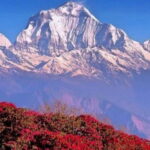
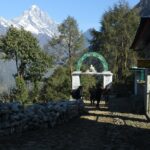
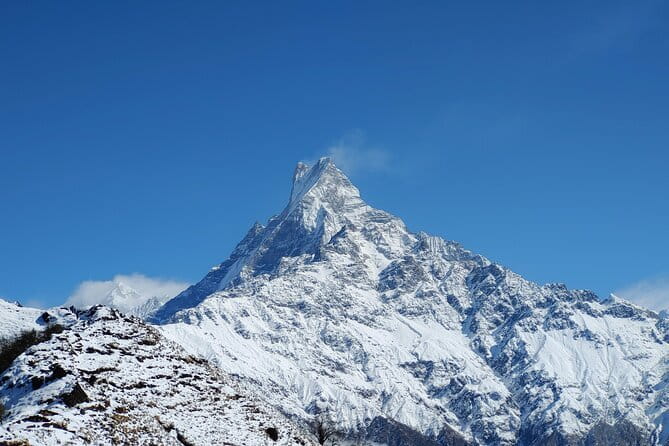
- Annapurna and Machhapuchhare views: you’ll work for ridgeline panoramas, including sights of the fishtail peak.
- Wildlife watching with cues on the trail: danphe (national bird of Nepal) and other mountain animals are part of the mindset.
- Pokhara as your base: lakeside time and a relaxed evening before you start hiking for days.
- Real village visits on the way back: you return via local settlements like Siding, plus lower-hill villages such as Kalimati and Ghalel.
- Permit and guide support included: TIMS and Annapurna Conservation permits are covered, with a guide and porters arranged.
Mardi Himal’s appeal: Machhapuchhare, ridge views, and quieter trekking
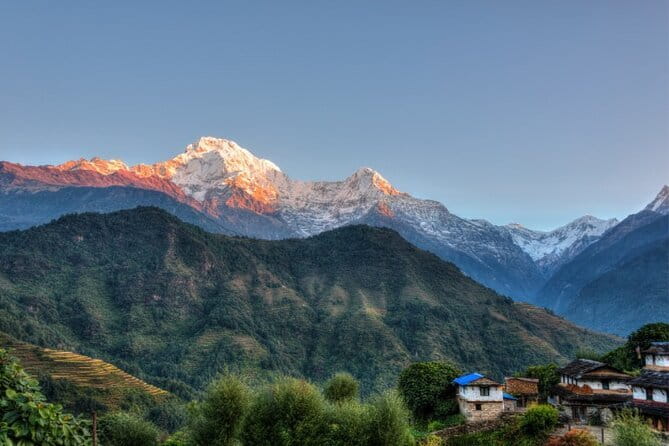
Mardi Himal sits deep in the Annapurnas, where the mountains feel close and the trail keeps changing as you gain altitude. The payoff is not just views; it’s the mix of vegetation shifting from greener lower slopes to thin scrub and rhododendrons as you go higher.
I like that you’re not only chasing a single summit moment. You’re moving along ridges and through different camp zones, so the mountain scene evolves from day to day.
Wildlife is part of the story here. You’ll hear cues to watch for danphe (also called the national bird of Nepal), and there’s mention of keeping an eye out for red panda. You won’t be guaranteed sightings, but the way the trek is routed makes it easier to stay alert without turning the whole hike into a wildlife safari.
And Pokhara isn’t a random add-on. You get a real “before and after” break on Phewa Lake, which helps you mentally switch from city mode to trail mode and back again.
You can also read our reviews of more tours and experiences in Kathmandu.
Day 1 in Kathmandu: airport pickup and a simple first night
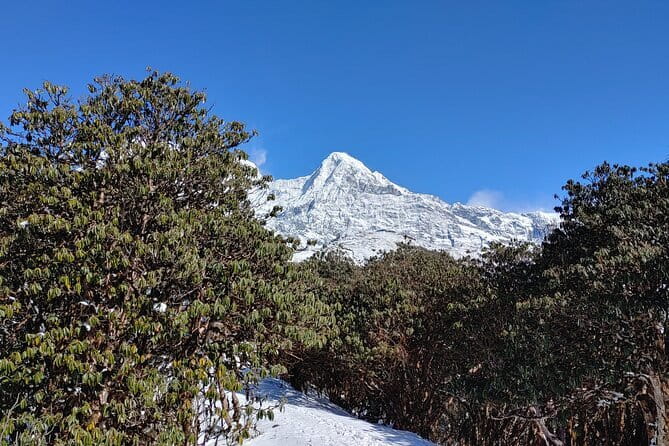
Your trip starts in Kathmandu with an airport representative meeting you at Tribhuvan International Airport. They’ll hold a sign for Accessible Adventure outside the terminal, then you’ll transfer to your hotel in a private tourist vehicle.
This is a good start if you’ve got jet lag or you simply want to skip the first-day hassle. It also sets a calm tone, because you’re not guessing about transport or who to look for.
If you like to arrive and immediately orient yourself, aim to use your first evening for something easy—food, a short walk, and a good night’s sleep. The trek is physically demanding enough without adding chaos.
Pokhara setup day: a long ride, then lakeside decompression
On day 2, you leave early for Pokhara. Your guide picks you up around 6:30 AM, then you head to the bus station and take the tourist bus that leaves about 7:30 AM, with a drive time of roughly six or seven hours.
That ride is part of the experience. You’ll pass river valleys, terraced fields, and green hills, which is a nice warm-up if you want to ease into Nepal rather than going straight from plane to altitude.
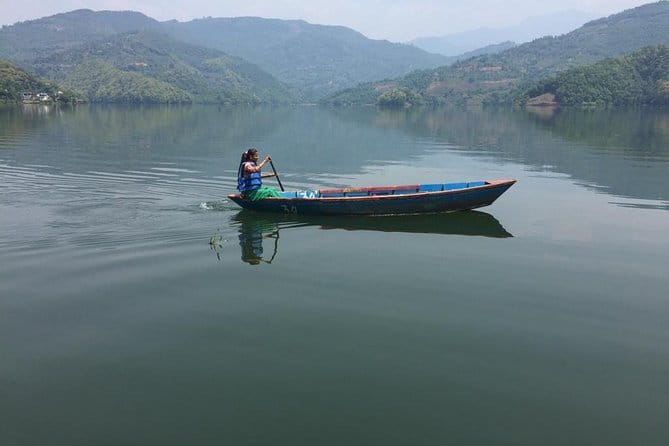
When you arrive, you check in and have the evening free. Pokhara’s by Phewa Lake, and many people enjoy a boat ride there to see Machhapuchhare rising above town. Even if you don’t do the boat, the lake setting makes it easier to settle your mind before the trail work begins.
Getting on the trail: from Phedi Khola to Dhampus and Pothana
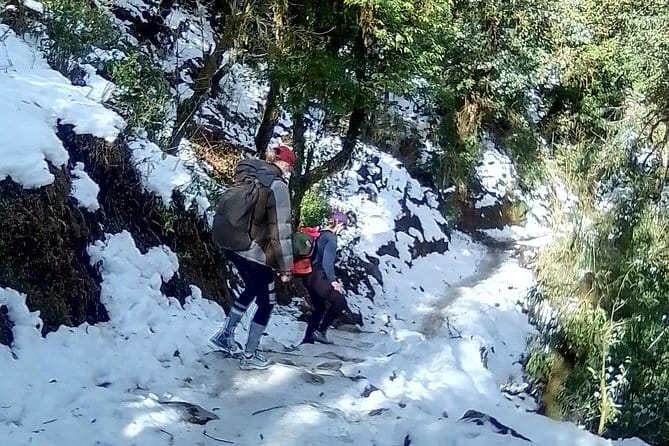
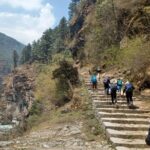
Day 3 is your “start hiking for real” day. After breakfast in Pokhara, you ride to Phedi, then begin the trek on foot. The drive to Phedi is short—under an hour—so you can move quickly from town energy into shaded woods and stone staircases.
The trail climbs through small villages and wooded sections. Dhampus is a key lunch break spot, with Annapurna range views that give you a first taste of what’s coming.
Then you continue to Pothana, a village with traditional stone-built homes and paved paths. It also shows how life is changing, with souvenirs and snack stops along the way. For me, that’s one of the practical comforts of this trek: you’re far enough from the big hubs to feel remote, but not so remote that you’re completely disconnected from basic services.
High Camp day: thinning trees, rhododendron scrub, and a big view jump
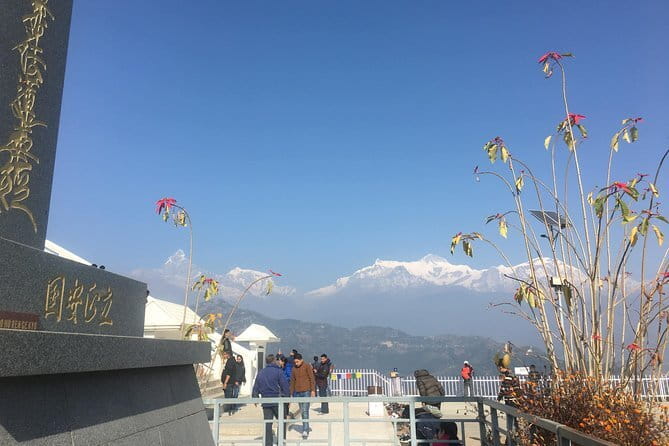
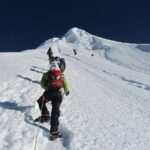
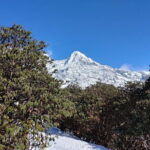
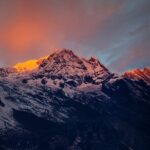
Day 4 pushes upward along a ridge toward Mardi Himal and Macchhapuchhre. As you gain elevation, the tree line thins and the trail shifts toward shrubs, isolated rhododendron bushes, and more open mountain feel.
If you love nature photography, this is the kind of day where small changes in vegetation and light make the photos better. The air can look misty and moody, and then suddenly clear for a window of mountain definition.
The trek also includes wildlife cues. If you’re lucky, you might come across danphe on the way to High Camp. You finish at High Camp for overnight, where the mountain views feel immediate and close.
This is also a day where pace matters. If you start too fast, the later climb on steep sections can feel sharper than you expected.
Low Camp and the Machhapuchhare moment: long day, strong rewards
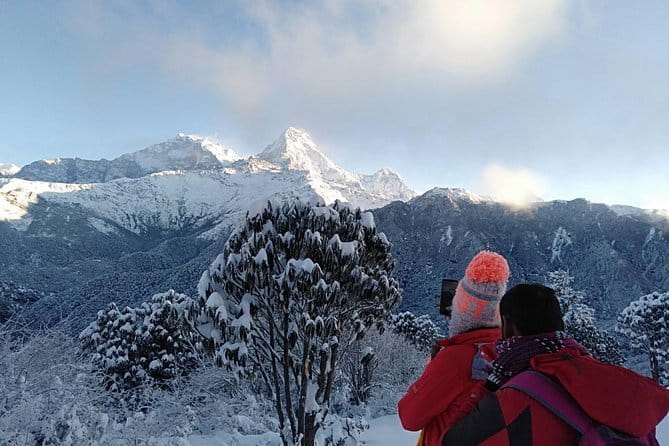
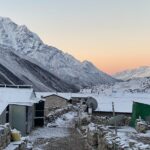
Day 5 starts from a clearing at Kokar and climbs through mossy woodlands. You’ll likely notice the feel of the forest changing as you go—moss, mist, and occasional sun shafts can make the middle stretches feel almost cinematic.
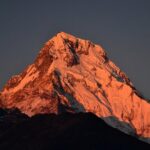
Lunch is at Low Camp, and this is where you get a classic view moment: Machhapuchhare’s fishtail-shaped summit. From the ridgeline, you may also catch glaciated peaks like Annapurna South and Hiunchuli looming over the path.
As you head onward, the trail keeps favoring rhododendron areas, which are good wildlife habitat. If danphe and other animals are on your mental checklist, this day gives you time to look rather than rushing past everything to reach a viewpoint.
One consideration: this is a longer day on the schedule. Bring a steady rhythm, and don’t rely on motivation alone to get you up the final stretches.
Sunrise ridgelines and grassy pastures: best views and dzo grazing
Day 6 is set up for an early start and a sun-rising moment in the Himalayas. You walk up a ridge toward one of the best-sight areas of the whole trek.
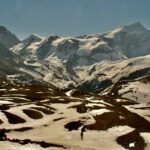
The route continues along a well-established trail through grassy pastures. Even if the walking isn’t constant steepness, it can still feel steep and occasionally narrow, so good foot placement matters.
You’ll likely see dzo grazing—an animal hybrid bred from yak and cattle. In summer, those pastures are used for sheep and goats too, and you pass herders’ huts along the way.
Danphe are also part of the plan if you didn’t catch them on earlier days. This is one of the days where the trek feels like it’s living alongside local mountain livelihoods, not just cutting through scenery.
Turning back without retracing: the Siding Village day
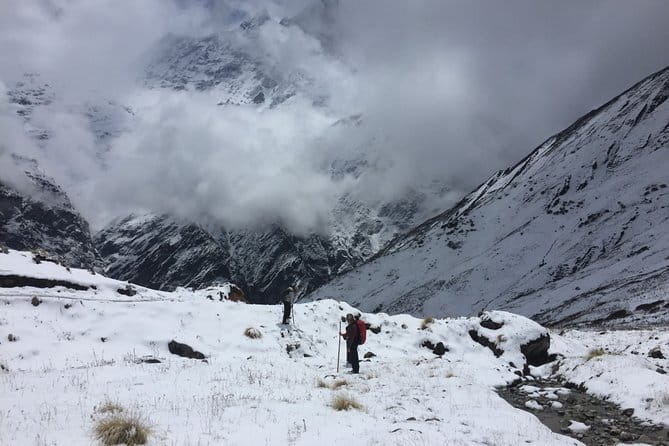
Day 7 changes the feeling. Instead of simply hiking back the way you came, you take a different return route.
You leave High Camp and trek back in the direction of Low Camp, then the track diverges to approach Siding. Siding Village is described as traditional and not heavily visited by tourists, which matters because it changes the vibe: you’re more likely to meet daily life rather than a performance for visitors.
You’ll also get a sense of continuity with the people who host you. The program notes that hosts at Kokar come from this village, and your accommodations tonight may be run by a family operating guesthouses in both Kokar and Low Camp.
This is one of the cultural “payoff days” because it’s not just a walk through a village center. You’re moving through a settlement at the scale of daily routines—small conversations, small business, and mountain hospitality.
Lower hills to Lumle: Kalimati and Ghalel culture switch
Day 8 brings you down toward the road, with a jeep arranged once you reach Lumle. After breakfast in Siding, you walk toward Lumle and pass Kalimati and Ghalel along the way.
Kalimati is described as primarily Brahmin. Ghalel has a mix of Brahmin and Gurung ethnicities. This is a simple but meaningful way to see how Nepal’s mountain communities live side by side rather than in neatly separated cultural boxes.
When you reach Lumle, a prearranged jeep takes you back to Pokhara in about two hours. You’ll have time for a fine dinner in the city before another night in Pokhara, which is a nice reset day after the trail focus.
Back to Kathmandu: countryside views and stupas on your last day
Day 9 is your final push away from the mountains. You leave Pokhara after breakfast and take the tourist bus back to Kathmandu, about six or seven hours.
The route becomes scenery again: rural countryside sliding past your window gives you a chance to reflect on what you saw and who you met. You’ll arrive in Kathmandu for lunch, with additional sightseeing options afterward.
Two popular stop points included here are Swayambhunath and Boudhanath stupas. If you like history and symbols, these places are a strong way to end a trek because they connect your mountain experience to Nepal’s spiritual geography.
Day 10 flight day: hotel pickup and airport timing
On day 10, you’ll have a representative meet you at your hotel. They’ll take you to the airport about three hours before your scheduled outgoing flight.
It’s a good timing buffer, especially if you’re dealing with last-minute flight checks, bags, or just the reality that travel moves slower on departure day.
Wildlife and village culture: what you’re really signing up for
This trek’s natural highlights are clear: you’re in the Annapurnas, and you’re repeatedly pointed toward dramatic summits like Machhapuchhare and the wider Annapurna range. You also get chances to watch for danphe, plus the program encourages keeping an eye out for red panda.
But the more “human” part of Mardi Himal is how it builds culture into your walking rhythm. You meet villages and learn daily life patterns, including communities tied to Rai, Limbu, and Chhetri. On the return side, you also pass through places like Siding and the lower-hill villages of Kalimati and Ghalel, where you can see mixed ethnic settlement.
Why that matters: the trek feels less like a scenic circuit and more like a route through lived-in mountains. You’re not only looking at Nepal—you’re moving through it.
Price and value: what $950 really covers (and what it doesn’t)
At $950 per person for about 10 days, the value is in the included essentials that usually cost extra when you plan independently.
What you get included:
- Pickup and drop-off by car/van
- Twin sharing accommodation at guest houses during the trek
- One highly experienced guide and porters (set as 1 porter between 2 members)
- Permits for Annapurna Conservation and TIMS
- Government tax (13%) plus office service charge
- Breakfast included for 4 days
What’s not included:
- Travel insurance, international airfare, and Nepal tourist visa
- Alcohol, hot water, hot shower, cold drinks, and laundry
- Trekking equipment like a 4-season sleeping bag
When I look at value, I focus on the friction reduction. Permits, guide, porter coordination, and transport planning take stress off your shoulders. The tradeoff is that you still need to budget for meals beyond the included breakfasts and handle your own travel docs and insurance.
If you’re the type who wants predictable planning and less day-to-day decision-making, this price starts to feel fair.
Guides and support: why communication seems to matter here
The strongest praise across the experiences you shared is about smooth execution and friendly guidance. People described a guide like Shyaam as energetic and jolly, and also said planning communication was quick and helpful.
Another theme: having senior team members like Hari and Mahendra involved in planning made it easier to shape the trek around limited time and arriving in Kathmandu without a full plan. That’s not a small thing. One-week windows in Nepal can go sideways fast, so support that helps you get a clear route is a big part of the value.
Who this trek fits best
Mardi Himal is a fit if you have moderate physical fitness and you’re comfortable with long walking days. The schedule includes multiple hikes of several hours, with some steep and narrow ridgeline sections.
It’s also a good choice if you want a balance:
- Big mountain views (Machhapuchhare and Annapurna range)
- Time in Pokhara for food and lake scenery
- Village contact on the way in and again more locally on the return
If you’re expecting a luxury hiking itinerary with frequent shower access or constant comfort, you may find the included amenities basic. This trip sets you up for the mountains first, comforts second.
Practical tips you’ll thank yourself for
Bring what the program asks for, especially a 4-season sleeping bag. Guesthouse trekking can still mean cool nights, and you’ll feel safer when you’re properly equipped.
Wear layers you can adjust fast. The trek moves through woods, pastures, and higher scrub zones, so temperature can shift during the day.
Finally, keep your wildlife expectations flexible. The trek encourages wildlife spotting, but mountains don’t guarantee sightings. Your real win is having time and trail conditions that make looking worthwhile.
Should you book the Mardi Himal Trek with Accessible Adventure?
Book it if you want a well-supported Annapurna trek that mixes ridge views, Pokhara downtime, and village culture, without turning the whole trip into a logistics puzzle. The included permits, guide, and porter setup are where the money shows up, and the strong feedback on guide energy and communication is a good sign for first-time or time-crunched trekkers.
Skip it (or rethink the fit) if you need lots of built-in comfort like hot showers, laundry, and extra drink/meal options, because those aren’t part of the package. Also be honest about the walking: even with good support, this is still a serious multi-day trek with steep stretches.
If Mardi Himal sounds like your kind of Nepal, this is a solid way to do it.
FAQ
How long is the Mardi Himal Trek?
The trek is listed as 10 days (approx.).
Where do you start and end the trip?
The program starts in Kathmandu with pickup after you arrive at Tribhuvan International Airport and ends with a transfer to the airport from Kathmandu on day 10.
What transport is included during the trip?
There are private vehicle transfers as part of the program, plus tourist bus rides between Kathmandu and Pokhara, and a jeep from Lumle back to Pokhara on day 8.
Are permits included?
Yes. The permits included are Annapurna Conservation and TIMS.
What kind of accommodation do you get on the trek?
You get twin sharing accommodation at guest houses during the trek.
Is trekking equipment included?
No. Trekking equipment is not included, and the note specifically asks you to bring a 4 seasons sleeping bag.
What is not included in the price?
Not included are travel insurance, international airfare, Nepal tourist visa, alcoholic drinks, hot water, hot shower, cold drinks, and laundry (plus trekking equipment and any other expenses not mentioned).
What’s included for meals?
Breakfast is included for 4 days. Other meals are not listed as included.
Can I cancel, and what happens if weather is bad?
There is free cancellation up to 24 hours in advance for a full refund. The experience requires good weather, and if it’s canceled due to poor weather, you’ll be offered a different date or a full refund.