REVIEW · KATHMANDU
14 Days Annapurna Circuit Trek
Book on Viator →Operated by Yolo Hike · Bookable on Viator
Thorong La is the kind of day that sticks. This 14-day Annapurna Circuit mixes a classic high-pass challenge with a smart Manang acclimatization day and the spiritual stop of Muktinath.
I like the human support built into the trip. You get a professional certified trekking guide plus an assistant guide for each group of up to 6 trekkers, and a porter for each 2 trekkers. I also like that the package handles real logistics: Kathmandu and Pokhara twin-share hotels, 9 nights on the trek route, and planned meals (breakfast every day listed, with lunch and dinner covered on trek days).
One consideration: this is high-altitude trekking plus multiple long travel stretches by road, and there’s also a key connection you must arrange yourself—the flight from Jomsom to Pokhara isn’t included.
In This Review
- Key points worth knowing before you go
- The Annapurna Circuit feel: why this route still earns its reputation
- Kathmandu warm-up: airport pickup and a Thamel gear reset
- The long drive to the trail: Kathmandu to Besisahar to Chame
- Chame to Pisang: starting the Annapurna Circuit with big mountain payoffs
- Pisang to Manang: where the trail turns more serious
- Manang acclimatization day: the safety buffer you should actually use
- Yak Kharka to Thorong Phedi: rugged walking and the approach to the pass
- Crossing Thorong La: early start, steep effort, and big views
- Muktinath and Jomsom: temples, quiet air, and a break before Pokhara
- Pokhara wrap-up: museum time, Devi’s Fall, and the drive back to Kathmandu
- Support and value: what your $900 is really buying you
- Your daily reality check: pace, altitude, and comfort details that add up
- Who should book this Annapurna Circuit and who should reconsider
- Should you book this 14-day Annapurna Circuit trek with Yolo Hike?
- FAQ
- Where is the meeting point, and do I get airport pickup?
- What’s included in the $900 per person price?
- Do you include porters, and how many people share one?
- Are meals covered during the trek?
- Is the flight from Jomsom to Pokhara included?
- Is there an acclimatization day during the trek?
- Can I cancel for a full refund, and what’s the deadline?
Key points worth knowing before you go
- Acclimatize in Manang (on purpose) so you’re not just rushing upward to the pass
- Thorong La day is planned like a real operation with an early start mindset
- Strong staffing for a trek this size: assistant for each 6 trekkers and porter for each 2 trekkers
- Culture is not an add-on: Pashupatinath, Boudhanath, Muktinath, and Jomsom all land in the route
- Your Pokhara time isn’t empty: International Mountain Museum and Devi’s Fall are built in
- You’re paying for fewer open questions because guides, lodging, and most meals are handled
The Annapurna Circuit feel: why this route still earns its reputation
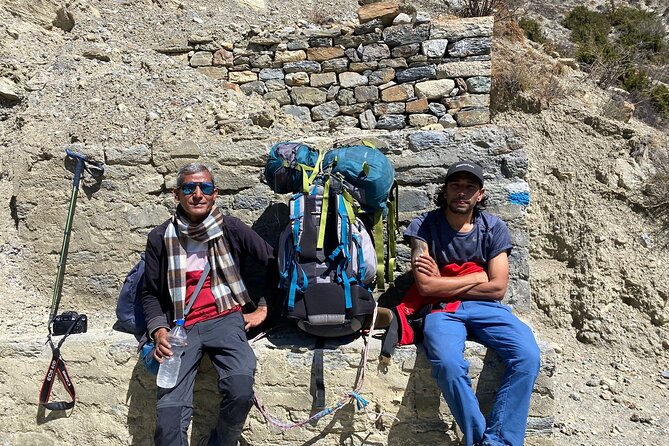
The Annapurna Circuit isn’t a straight line. It’s a long, gradual mood shift—from lower green areas into higher, drier terrain; from busy towns into quiet villages; from religious sites into mountain silence. That rhythm matters. When a trek has variety, you don’t just survive the days—you reset your body and your head between the hard bits.
This itinerary leans into that. It gives you time to settle in Kathmandu first, then it eases you from jeep rides into hiking days. After Pisang, you reach Manang, and that’s where the trip’s pacing gets practical: you stop for acclimatization instead of treating altitude like it’s just another hill.
You also get a satisfying “finish with culture,” not just a finish with tired legs. Muktinath gives you temples and a sense of place that feels different from the more typical mountain scenery-only treks. Jomsom adds a calmer contrast—more orchards and quiet—before you head to Pokhara.
You can also read our reviews of more tours and experiences in Kathmandu.
Kathmandu warm-up: airport pickup and a Thamel gear reset
Your trip starts with Kathmandu airport pickup and drop-off by private vehicle. That’s not glamorous, but it’s smart. Nepal’s arrival day can be messy—lines, maps, and time zones—and a pickup means you land and move on.
Day 1 is basically orientation and rest: a guide helps with arrangements, then you spend some time in Thamel, the trekking gear area. This matters because you’ll likely discover what you’re missing once you see what’s available locally: rain gear, warmer layers, headlamps, and trekking poles (if you’re borrowing or buying, Thamel is where you can handle it).
Day 2 adds two iconic valley hits: Pashupatinath Temple and Boudhanath Stupa, plus some time for essential logistics. If you’ve never done Kathmandu temples before, it’s a good way to understand Nepal’s spiritual backbone before you leave the city behind for the mountains.
Tip I’d treat as non-negotiable: keep that second day flexible if you can. Weather, small health hiccups, or last-minute gear needs happen. A calm Kathmandu day makes the trek start feel easier.
The long drive to the trail: Kathmandu to Besisahar to Chame
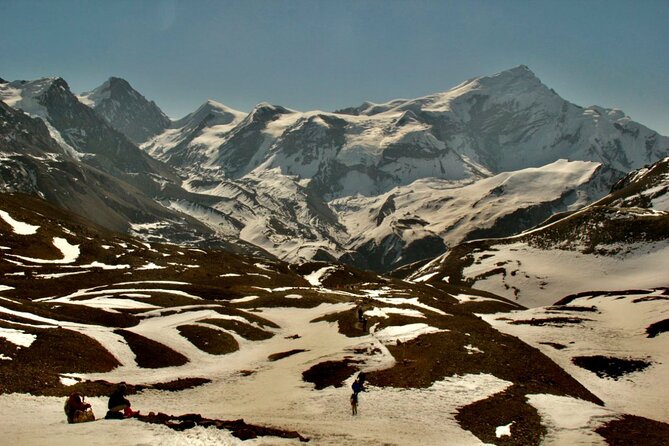
The trek proper starts with road travel. You go from Kathmandu to Besisahar (about 175 km, usually 6–7 hours depending on conditions), then later you drive from Besisahar to Chame in a sharing jeep (10–11 hours is typical here).
This is where you should set expectations. Jeep roads can mean bouncing, slow sections, and lots of stops. Pack for comfort even if you’re excited to trek—think about a good layer system and something for dry snacks. Also, plan that you’ll probably want an early dinner and an earlier bedtime after you arrive.
Still, these drive days have value. You watch the country change gradually, and that transition makes the first hiking days feel less like a sudden jump. By the time you reach Chame, you’re ready to switch from sitting to walking.
Chame to Pisang: starting the Annapurna Circuit with big mountain payoffs
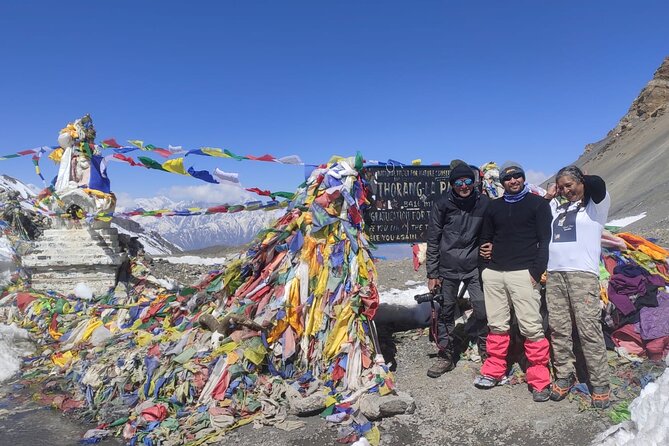
From Chame you trek toward Pisang, passing forests, bridges, and classic “trail rhythm” terrain. This is a day for finding your pace: not your speed, your breathing pattern. The goal is to walk steadily, keep your energy even, and notice how your body handles the altitude climb even before it becomes extreme.
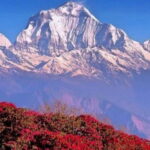
You’ll get sweeping views in this stretch—Annapurna II and Lamjung Himal are specifically part of the perspective here. That kind of view early on helps motivate you, but don’t let it trick you into walking too hard. Early over-effort is a sneaky way to feel flat later.
If you’re prone to rushing, make a rule: stop for photos, then resume at the same pace. The pass is coming.
Pisang to Manang: where the trail turns more serious
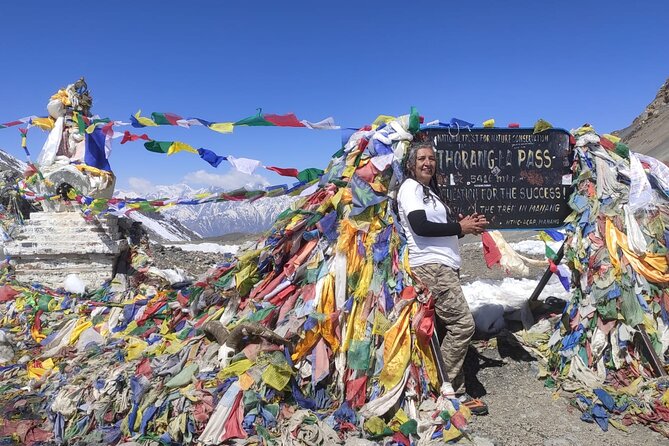
Leaving Pisang, you climb gradually toward Manang. Peaks start to feel more present as you approach, and the terrain tends to shift toward a higher-altitude feel—drier air, thinner feeling, and more exposed sections.
Manang itself is a Tibetan-influenced village, and it tends to feel like a cultural stop as much as a trekking hub. You’re not just passing through; you arrive. That matters because you’re about to spend the next day acclimatizing.
A practical note: Manang days can make you want to do everything at once—walk extra, explore far, chase views. The smart move is to save energy for the acclimatization day and the day after. You’ll thank yourself when the air gets thin.
Manang acclimatization day: the safety buffer you should actually use
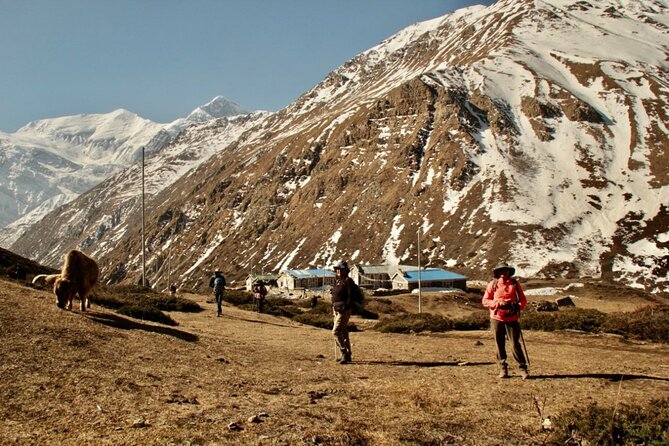
This itinerary includes a full acclimatization day in Manang. That’s one of the most valuable parts of the whole trip. It’s also one of the parts people skip emotionally, because they feel fine on day one. The point of acclimatization isn’t that you’ll feel miserable; it’s that you want your body to adapt before the big altitude jump toward Thorong La.
What do you do on this day? The plan is flexible: you can explore the area, learn the village feel, and adjust to the altitude. You’ll also be able to settle logistics—checking water strategy, making sure your layers are right, and confirming how early you’ll start the next day.
If you feel off on an acclimatization day, take it seriously. Drink, rest, and don’t try to “prove” anything with extra hiking.
Yak Kharka to Thorong Phedi: rugged walking and the approach to the pass
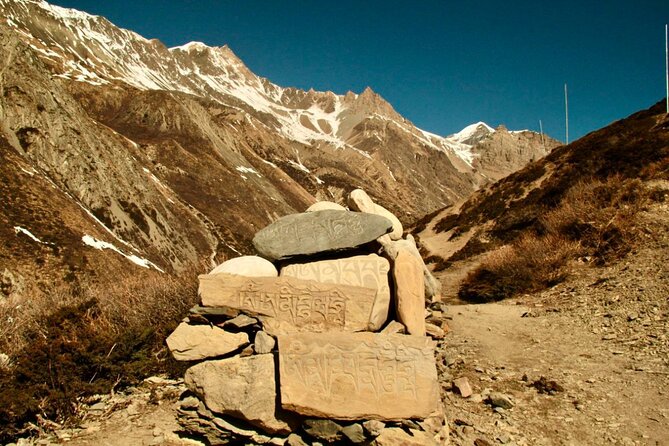
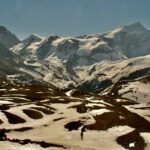
From Manang to Yak Kharka, you transition into more barren, rugged terrain with panoramic views. This is the “quiet build” phase. The trail often feels more exposed, and you’ll likely notice how the environment changes around you as the altitude climbs.
Then the route continues to Thorong Phedi, at the base of Thorong La. The trail gradually climbs through rocky areas and glacial moraine terrain. Even without exact technical details, the vibe is clear: you’re preparing for a demanding pass crossing, and this day is about getting in place without wasting your legs.
This is also where sleep matters. Thorong La day usually means an early start. You might not control temperatures perfectly, but you can control comfort: layers you can manage, dry socks, and a simple plan for water and energy.
Crossing Thorong La: early start, steep effort, and big views
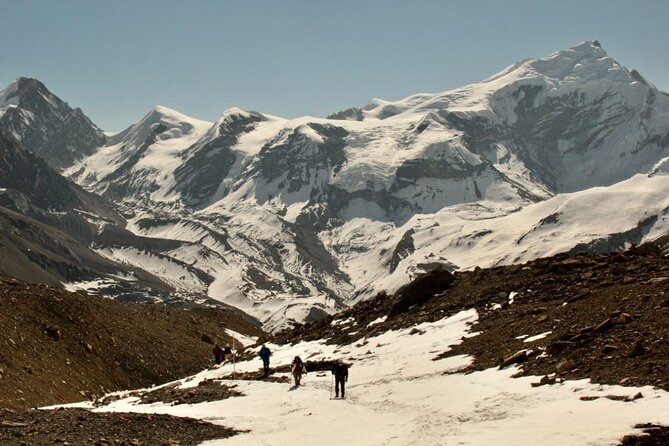
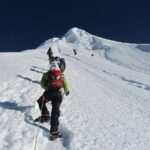
Crossing the pass is the signature day. The plan calls for an early start because you want to give yourself the best chance at calmer conditions and a steady rhythm.
Expect steep uphill climbing to reach Thorong La, followed by sweeping panoramas once you’re there. Then the day turns into a descent toward Muktinath, which is a sacred site for both Hindus and Buddhists. That mix gives the day an emotional shift: you go from high-altitude exertion into a place people visit for spiritual reasons.
After Muktinath, you continue onward to Jomsom by drive. That’s a nice mechanical break after a hard day. Your body will still feel it, but you’re moving from walking energy to travel energy.
Muktinath and Jomsom: temples, quiet air, and a break before Pokhara
Muktinath is more than a photo stop. The trek gives you a real sense that this is a religious crossroads, not just a scenic point. You get time to take in the temples and capture the moment.
Jomsom comes next. It’s known for apple orchards and a quieter mood compared to the earlier trek villages. That contrast helps: after days of climbing and high passes, you get a place that feels more grounded and everyday.
Then the logistics start to matter. The itinerary notes that the flight from Jomsom to Pokhara is not included. That means you should plan your budget and confirm your connection timing. If you leave this to the last minute, you risk losing an easy transition into Pokhara.
Pokhara wrap-up: museum time, Devi’s Fall, and the drive back to Kathmandu
Pokhara is where you stop moving at trek speed. You get built-in sightseeing time with the International Mountain Museum and Devi’s Fall. Both give you a mental reset after intense days on the trail. The museum helps you connect what you’ve seen with why the mountains matter. Devi’s Fall adds a local natural feature that feels different from the high-pass views.
After Pokhara, you take a scenic drive back to Kathmandu. The route is described as passing through countryside, along winding rivers, and through lush valleys—so it functions like a slow transition: still “travel,” but less punishing than trail days.
Finally, your guide assists with transfer back to the airport for departure.
Support and value: what your $900 is really buying you
At $900 per person, the biggest value isn’t just the price tag—it’s what the package reduces for you.
From what’s included:
- Airport transfers in Kathmandu via private vehicle
- Professional certified trekking guide plus 1 assistant guide for each 6 trekkers
- 1 porter for each 2 trekkers
- Twin-share accommodations: 2 nights in Kathmandu, 2 nights in Pokhara, and 9 nights in trekking area lodges
- Meals: breakfast (13), lunch (9), dinner (9)
- Team logistics: lodging, fooding, insurance, and salary for the guide and porters
- All fees and taxes
- Group discounts are mentioned, and you get a mobile ticket
The cost makes more sense when you compare what it includes against what you’d otherwise have to arrange yourself: guides, porter staffing, lodge bookings, meal planning, and the fixed structure that keeps you from guessing every step.
What’s not included matters too:
- Personal expenses (bar bills, shopping, and similar)
- Tea, coffee, and hot water
- The flight from Jomsom to Pokhara
That last item is the one you should budget for early, because it can be the swing factor in your overall trip total.
Your daily reality check: pace, altitude, and comfort details that add up
Altitude is the main variable on the Annapurna Circuit. This itinerary counters it with an acclimatization day in Manang and a route that includes staging stops (Yak Kharka, then Thorong Phedi). That staging is not just “extra walking days.” It’s how you manage fatigue and breathing.
Still, you should prepare for the hard truth: you can do everything right and still feel the altitude. You may get headaches, reduced appetite, and slower recovery. Your job is to follow the pace, take breaks, and respect rest days.
On trekking days, the plan calls for roughly 10–11 hours on some of the longer legs by itinerary design. Even when the days listed are “short,” you’re still walking at altitude, on uneven footing, and often with wind. So build in a mindset: this is a sustained physical effort, not a casual hike.
For comfort:
- Bring layers for cold mornings and warmer afternoons.
- Plan for dry socks and a way to keep small essentials accessible.
- Hydration matters more than you think on dry, higher routes.
And here’s the slightly humorous part: on treks, your pack weight becomes a personality trait. With a porter for each 2 trekkers, you’ll likely feel better about that. Use it wisely and keep your own carry light.
Who should book this Annapurna Circuit and who should reconsider
This tour makes a strong fit if you want:
- A guided trek with real support and porter help
- A planned acclimatization day in Manang
- Classic cultural stops like Pashupatinath, Boudhanath, and Muktinath
- A smooth finish in Pokhara with built-in activities
You might want to reconsider if:
- You know you hate altitude and long days, even with acclimatization
- You’re unwilling to arrange the Jomsom to Pokhara flight on your own
- You’re expecting fully independent travel freedom; this is structured as a private group experience
Given the staffing and meal structure, it’s also a good choice if you prefer not to negotiate daily logistics yourself.
Should you book this 14-day Annapurna Circuit trek with Yolo Hike?
If you want an Annapurna Circuit that’s organized and paced with altitude in mind, this is an easy yes. The combination of support (guide plus assistant, porter system), built-in acclimatization, and planned comfort in Kathmandu and Pokhara means you spend your energy on the walking—and less on logistics.
I’d book it if your fitness is solid and you’re comfortable with a demanding high-pass day. I’d think twice if the idea of long road travel plus arranging one missing flight makes you anxious.
If you do book, do one thing early: confirm the Jomsom to Pokhara connection timing so the back-half of the trip stays calm. The mountains are already busy enough.
FAQ
Where is the meeting point, and do I get airport pickup?
You meet at Tribhuvan Airport in Kathmandu, Nepal. Airport pickup and drop-off are included by private vehicle.
What’s included in the $900 per person price?
The price includes Kathmandu airport transfers, all fees and taxes, a professional certified trekking guide plus an assistant guide (1 assistant for each 6 trekkers), porters (1 porter for each 2 trekkers), twin-share accommodations in Kathmandu and Pokhara, lodging in the trekking area for 9 nights, and planned meals (breakfast 13 times, lunch 9 times, dinner 9 times). Guide and porter lodging, fooding, insurance, and salary are also included.
Do you include porters, and how many people share one?
Yes. The plan includes 1 porter for each 2 trekkers.
Are meals covered during the trek?
Yes. Breakfast is included 13 times, lunch is included 9 times, and dinner is included 9 times, as listed in the package.
Is the flight from Jomsom to Pokhara included?
No. The flight from Jomsom to Pokhara is listed as not included.
Is there an acclimatization day during the trek?
Yes. Day 7 is an acclimatization day in Manang.
Can I cancel for a full refund, and what’s the deadline?
Yes. Free cancellation is available, and you can cancel up to 24 hours in advance for a full refund based on local time.