REVIEW · KATHMANDU
Everest Base Camp Trek – Hiking to Mt Everest
Book on Viator →Operated by Adventure Vision Treks and Travels · Bookable on Viator
Everest feels close when you’re walking toward it. This private Everest Base Camp trek pairs flight logistics with guided Sherpa villages and monastery stops, plus overnights in family-run tea houses as you climb toward 5363m. What I like most is the way the trip is built around acclimatization days and careful support, so you’re not just grinding uphill with no plan. One thing to consider: the route tops out high enough that even with a guide, you’ll want to take altitude seriously and move at a sensible pace.
You start in Kathmandu, then fly to Lukla and trek step-by-step through the Khumbu region, returning the same way. In the real world, mountain travel has curveballs, and multiple guests noted the team handles late plane issues with practical Plan B thinking—not panic. If you’re chasing comfort over effort, this is still a hike, and it will demand real hiking time and stamina.
In This Review
- Key things I’d pay attention to
- Kathmandu Warm-Up: Pickup, Tea-Stop Planning, and Trek Prep
- Lukla Flights: Where the Trek Really Starts
- The Trail to Namche Bazaar: Mountain Town Life and Smart Acclimatization
- Tengboche to Dingboche: Monastery Culture and the Climb Above 4000m
- To Lobuche, Gorak Shep, and the Walk Toward Everest Base Camp
- Kala Patthar Time (Kalapatther), Pheriche, and the Descent Rhythm
- Back to Lukla and Kathmandu: The Scenic Flight Out and One More City Day
- Price and Value: What You’re Actually Paying For at $1500
- Who This Trek Suits (and Who Might Want a Different Route)
- Should You Book This Everest Base Camp Trek?
- FAQ
- How long is the Everest Base Camp trek?
- What is the route from start to finish?
- What altitude does the trek reach?
- Is accommodation included?
- Are meals included during the trek?
- What is not included in the price?
Key things I’d pay attention to
- Private group format: only your group participates, so your schedule stays more “yours.”
- Acclimatization built in: planned rest days at Namche Bazaar and Dingboche to help you handle altitude.
- Real mountain accommodations: 3 nights in Kathmandu plus 11 nights in tea houses during the trek.
- Meals and essentials included: breakfast during trekking days, plus lunch and dinner while you’re trekking.
- Guides and porters with strong care: guests repeatedly highlight responsive, patient support from guides like Jiban, Tony, Tika, and Durga Kadel.
- Flight-based access matters: Kathmandu–Lukla is part of the experience, and schedule changes can happen.
Kathmandu Warm-Up: Pickup, Tea-Stop Planning, and Trek Prep
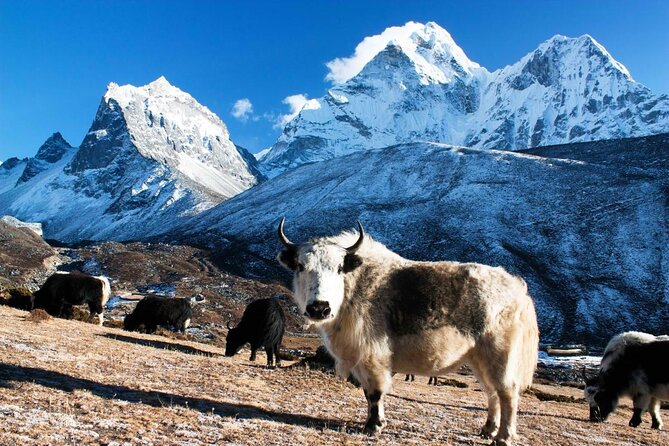
Your trek starts with a Kathmandu setup that’s meant to reduce stress. You get airport pickup and drop, plus 3 nights in star accommodations with breakfast. That matters because Everest trekking is one of those trips where the first day can set your mood for the whole arc. A comfortable place to sleep, eat, and organize gear is not a luxury here; it’s part of how you show up to the mountains with better energy.
You also get a preparatory session before and after arrival, and the trip includes a comprehensive medical kit and certificates. Even if you’ve hiked before, this kind of structure helps you get your bearings: what to carry, how to pace, and what to expect as altitude rises. It’s also included in the package, so you’re not stuck trying to guess what you’ll need last-minute.
Kathmandu itself plays a supporting role. The plan includes time to explore Kathmandu Valley early on, before the flight to Lukla. That gives you a day to reset and see city life before swapping it for trail life. You’ll also get an extra exploration window after you return, so you’re not only stuck with airports and check-in counters.
Possible drawback: if you’re the type who wants zero surprises, keep in mind that your first days revolve around flights and planning. Guests have noted delayed plane schedules early in the trip, and the operator handled it by switching to alternatives. That’s reassuring, but it still means you should mentally allow for plan adjustments.
You can also read our reviews of more tours and experiences in Kathmandu.
Lukla Flights: Where the Trek Really Starts
The day you fly from Kathmandu to Lukla (2840m) is a big shift. One day you’re in a city environment; the next you’re stepping into a high-altitude trekking zone. From Lukla, the itinerary brings you into your first trail segment: Lukla to Phakding (2640m).
Even though Phakding is a bit lower than Lukla, you’ll feel the altitude jump compared to Kathmandu. This is a good day to focus on rhythm more than speed. With a guided trek and porters, you can aim for steady breathing, consistent footwork, and early hydration habits—small things that save you later.
What I like about how this trek is paced is the logical early ramp. The first hiking day is not a wall-to-wall grind. You’re getting your legs working while still building confidence in how your body handles the mountain day.
Also, note what’s included: Kathmandu–Lukla flights both ways are part of the package. That’s a value point, because getting to Everest region access points often drives cost and complication. Here, the flight is structured into the trip flow: fly in, trek to base camp area, trek back to Lukla, then fly out.
One more practical consideration: because air service can be unpredictable, it’s smart to pack for flexibility. Guests highlighted that the team handled delayed planes with a Plan B approach that didn’t turn into chaos. It’s another reason this private setup is worth reading closely—you’re not just buying days on a map; you’re buying coordination.
The Trail to Namche Bazaar: Mountain Town Life and Smart Acclimatization
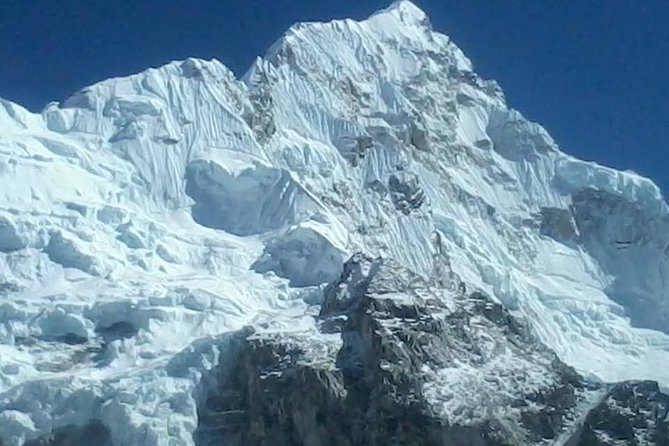
After Phakding, you head to Namche Bazaar (3440m). This is one of the most important early sections because Namche is where acclimatization becomes real. In the plan, you reach Namche on Day 04, then you get an acclimatization day at Namche Bazaar on Day 05.
That second day is not filler. It’s how the trip tries to keep you safe and comfortable as altitude increases. A guided group pace means you’re more likely to follow altitude rules: don’t sprint uphill just because you feel okay. Namche is also a cultural stop. The broader trek promise includes Sherpa culture and village and monastery visits, and Namche is the kind of hub where you can feel that mountain community life.
If you’re wondering what to do during an acclimatization day, the itinerary doesn’t spell out every optional hike, but the value is clear: you’re giving your body time to adjust while still experiencing the region.
One practical tip: on days that are framed as acclimatization, treat them like training for your next step, not like a free-for-all. Eat well, hydrate, and keep exertion moderate. Even with a guide, altitude can catch you off guard if you overdo it.
From a logistics point of view, the itinerary also sets you up well: by the time you leave Namche, you’ll be positioned for the next big rise toward higher villages and the monastery region.
Tengboche to Dingboche: Monastery Culture and the Climb Above 4000m
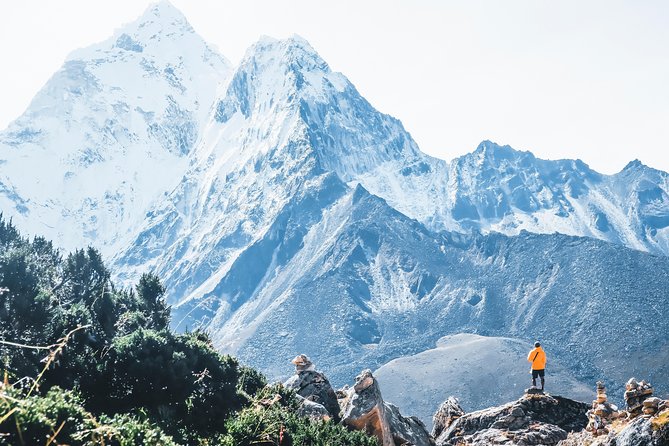
Next comes Tengboche (3867m) on Day 06. This leg helps you keep climbing while you still have structure behind you. Tengboche sits in an area known for mountain spirituality, and the overall trip focus includes visiting ornate monasteries. In other words, this is not only about altitude; it’s about connecting the scenery to living traditions.
Day 07 takes you to Dingboche (4350m). That’s a notable height increase, and it’s exactly why the itinerary includes another acclimatization day at Dingboche on Day 08. The pattern here is smart: climb, adjust, climb again. Your body benefits from repeating the cycle, and your mind benefits too because it reduces the feeling that everything is one long push.
Guests also repeatedly praised the team’s care and responsiveness. In real mountain travel, your acclimatization day is where you’ll notice the quality of guidance—whether you’re encouraged to rest when needed, and whether you’re supported if your energy dips. People specifically highlighted guides and porters being caring and adjusting in how they managed the trip to make it memorable.
Possible drawback: the higher you go, the less forgiving altitude becomes. Even with acclimatization days, you need to respect your limits. If you’re prone to breathing issues or you’ve struggled with altitude in the past, plan to take the “slow and steady” advice seriously and tell your guide how you’re feeling early.
To Lobuche, Gorak Shep, and the Walk Toward Everest Base Camp
Day 09: Dingboche to Lobuche (4931m). Day 10: Lobuche to Everest Base Camp through Gorak Shep (5170m). This is the heavy section of the itinerary, and it’s where the trek becomes the trek.
You’re now operating in the altitude zone where “breathing hard” is the default, not the exception. This is also why the meals included matter. The trek includes breakfast during trekking days and lunch and dinner during the trek, so you’re not scrambling for food strategy at the moments when you need energy most.
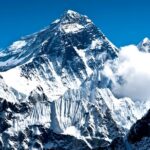
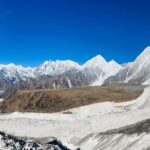
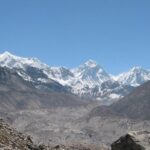
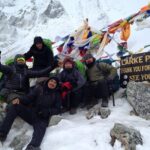
Reaching Everest Base Camp at 5363m is the headline. The experience here is less about comfort and more about scale: massive glaciers, the feeling of standing in the shadow of the world’s highest peaks. Even if you’ve seen photos, you’ll understand the magnitude differently when you’re actually walking among the mountain geography.
Day 10’s route through Gorak Shep is part of the classic “high plateau” approach. You’re moving through a landscape that feels harsher and more exposed, and your guide’s pacing becomes important. If you feel fine early, that’s a trap. Altitude fatigue can arrive late. You’ll get the most out of base camp day by staying methodical: small steps, steady breathing, hydrate, and save energy for the time you’ll want to spend there.
If you’re someone who loves planning and clarity, this trek offers it in a practical way: specific day-by-day moves, clear high points, and planned acclimatization before the biggest pushes.
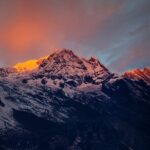
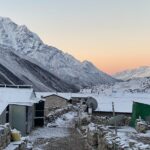
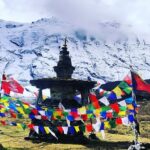
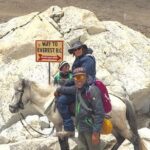
Kala Patthar Time (Kalapatther), Pheriche, and the Descent Rhythm
After Everest Base Camp, the itinerary doesn’t send you straight down. Day 11 goes from EBC to Kalapatther (5545m), then down to Pheriche (4210m). That’s a bold move in the schedule: you go even higher than base camp before dropping.
This part can feel tough, but it’s also what many hikers come for—the push up toward a viewpoint high enough to deepen your sense of the Himalaya’s scale. It also gives you a natural reason to think about pacing after reaching base camp. You’ve already done the main goal, but now you need to manage effort so you can still enjoy what comes next.
Day 12: Pheriche to Namche Bazaar. This is where your legs start recovering in a more noticeable way, because you’re dropping in altitude. Still, descent at altitude can be hard on your body. Your joints do the work your lungs already finished. Trek poles, good footwear, and paying attention to step placement matter.
From a value standpoint, this itinerary keeps you moving without turning the trip into a nonstop march. You still have structured planning and guided support. And again, multiple guest comments focused on how guides and porters adjusted to the group, especially when flights and schedules shifted.
Back to Lukla and Kathmandu: The Scenic Flight Out and One More City Day
Day 13: Namche Bazaar to Lukla. Day 14 includes an early morning scenic flight back to Kathmandu, plus an exploration day in Kathmandu Valley.
This is a great combination: you finish the physical effort with a final trek segment, then you switch back to air travel while you still have energy. The early flight timing matters because it reduces time spent waiting in the mountain logistics layer.
Once you’re back in Kathmandu, you get time to explore again. That helps you land the trip in a meaningful way. After days of trail routine, a day in the city can feel oddly refreshing: hot showers, real walking space, and food that doesn’t come with altitude constraints.
And if you’re comparing this to trek styles that are all camp-to-camp survival, the package here is noticeably more organized. You’re not left to figure out the next step on your own. Guides and porters are included, and that’s a big deal in a place where small mistakes can become big problems quickly.
Price and Value: What You’re Actually Paying For at $1500
At $1,500 per person for a 15-day trek, the question is whether you’re buying transportation and structure—or just paying for a route.
Here’s what’s included that usually costs real money or creates hassle on Everest treks:
- Airport pickup and drop
- 3 nights in Kathmandu with breakfast
- 11 nights in tea houses with breakfast during trekking days
- Kathmandu–Lukla flights both ways
- Guide and porter
- Lunch and dinner during the trek (with breakfast included during trekking days)
- Preparatory sessions and a comprehensive medical kit
- Government and local taxes
- Certificates
What you don’t get (and you should budget separately):
- Visa cost
- International airfare
- Insurance
- Drinks and beverage cost
- Personal expenses, tips, and shopping
So where’s the value? It’s in the “day-to-day management” layer. Everest Base Camp is not just a physical event; it’s an operations event. Included flights, a guided pace, meal planning, and porters for gear reduce the number of unknowns you deal with while at altitude.
One more value note: the trek is described as private, and only your group participates. That can matter if you want consistent guidance, a steadier pace, and less waiting around.
Drawback on value: the biggest financial variable you control is insurance and personal spending. If you wait to buy insurance late, or you overspend on drinks and shopping, your final trip cost can creep up.
Who This Trek Suits (and Who Might Want a Different Route)
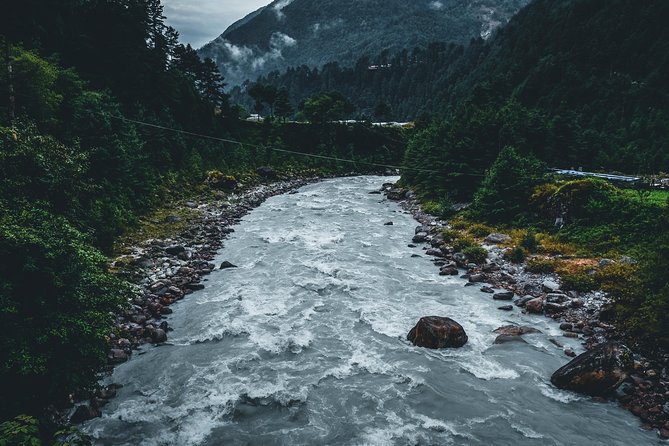
This trek is designed for people with moderate physical fitness who understand what high altitude demands. The itinerary climbs to Everest Base Camp (5363m) and also reaches Kalapatther (5545m), so you’ll need stamina, not just enthusiasm.
It also suits you if:
- you want guided trail support and porters
- you like structure, because the schedule is clearly mapped
- you care about Sherpa culture, village life, and monastery visits as part of the journey
- you’re okay with the idea that flights can get delayed and plans may adjust
It may be less suitable if you:
- want a purely relaxing trip with minimal physical effort
- hate altitude and prefer lower elevation adventures
- want complete autonomy with no guidance or prep support
Based on what guests highlighted, the operator’s biggest strength seems to be careful organization and responsive support. Names that came up in positive feedback include Jiban (coordination and communication), with guides like Tony, Tika, Durga Kadel, and others in the team. That human layer is exactly what makes a hard trek feel doable.
Should You Book This Everest Base Camp Trek?
I’d recommend booking this trek if you want Everest Base Camp with real coordination, acclimatization days built in, and a team that shows up with flexibility when flights don’t cooperate. At this price point, you’re not only paying for the route; you’re paying for the systems that make the route manageable: flights, tea house nights, guided pacing, meals, and the practical support layer at altitude.
Before you book, double-check two things:
- your readiness for high-altitude hiking, especially with the extra push to Kalapatther (5545m)
- your budget for the items not included, especially visa, international airfare, and insurance
If you match that fitness and planning mindset, this is the kind of Everest trip that can turn into a real life milestone, not just a box you check.
FAQ
How long is the Everest Base Camp trek?
The tour lasts about 15 days.
What is the route from start to finish?
You start in Kathmandu, fly to Lukla, trek to Everest Base Camp, return to Lukla, and fly back to Kathmandu. The plan also includes time to explore Kathmandu Valley.
What altitude does the trek reach?
The itinerary says the trek goes up to Everest Base Camp at 5363m, and it also includes a high point at Kalapatther (5545m).
Is accommodation included?
Yes. You get 3 nights in Kathmandu with breakfast, and 11 nights in tea houses during the trek with breakfast included on trekking days.
Are meals included during the trek?
Breakfast is included during trekking days, and lunch and dinner are included during the trek.
What is not included in the price?
Not included are visa cost, international airfare, drinks and beverage cost, insurance cost, and personal expenses, tips, and shopping cost.