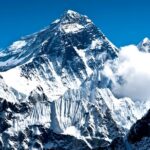
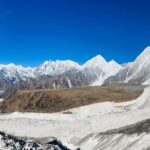
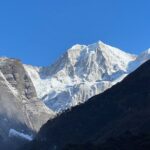
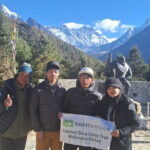
Stepping into the Annapurna world starts in Kathmandu. This 11-day trek pairs Ghandruk Gurung culture with forested trail days and that one-night base-camp payoff when the peaks wake up. I love the way the itinerary mixes panoramas with real village life, and I love that the package includes a warm down jacket and sleeping bag for cold evenings. One thing to consider: the tour price is only part of your budget, since tips plus basics like hot showers and mineral water are not included.
You’ll be hiking on a classic trail with long step sections, river crossings, and some steep ups and downs. The small group limit of 15 helps keep the experience organized, and the English-speaking guide plus porter team is the engine that keeps your days running smoothly.
In This Review
- Key things that make this Annapurna Base Camp trek worth your time
- Annapurna Base Camp’s real draw: culture, forests, and that sunrise payoff
- Value check: what the $1,250 package covers (and what you still pay on the ground)
- Day-by-day: what each trekking day feels like in real time
- Day 1: Kathmandu arrival, hotel, briefing, and a slow start
- Day 2: Fly to Pokhara, then drive to Ghandruk and Gurung culture
- Day 3: Ghandruk to Chhomrong Village via Koth Danda and Gurjung Khola
- Day 4: Chhomrong Khola steps, upper Sinuwa, and bamboo-river rhythm
- Day 5: Higher altitude hiking pace, forests, and big peak moments
- Day 6: Annapurna range day with a lodge sunset if weather cooperates
- Day 7: Sunrise over the Annapurnas, breakfast, then back toward Dovan or Bamboo
- Day 8: Forest trail life, another 3,000-steps climb feeling, and optional hot springs
- Day 9: Long suspension bridge, then back to Pokhara for valley time
- Day 10: Fly back to Kathmandu, hotel transfer, and farewell Nepali dinner
- Day 11: Depart, shopping, and a last look at Nepal’s pace
- The trekking rhythm: why the steps and pacing are part of the experience
- Lodges, meals, and comfort: what you should expect between big views
- Gear that’s included vs gear you should bring yourself
- Included trekking gear (big help)
- What you should pack from the advice given
- Safety and altitude: what the package supports, and what it does not
- Who should book this Annapurna Base Camp trek
- Should you book Alliance Adventure’s Annapurna Base Camp trek?
- FAQ
- How long is the Annapurna Base Camp trek with this package?
- Where does the trip start and when?
- What’s included in the price?
- What is not included during the trek?
- Are altitude sickness-related insurance costs included?
- Do you have hotels in Kathmandu and Pokhara?
- Is there a limit on group size?
- Is the trek refundable if I cancel?
Key things that make this Annapurna Base Camp trek worth your time
- Ghandruk Village views early on: Mt. Fishtail, Annapurna South, Himchuli, and more are framed right at your first cultural stop.
- Rhododendron, bamboo, and river valleys: The route is built for scenery variety, not just altitude.
- Chhomrong step days (3,000+ steps moments): Expect leg-burning down-and-up stretches that you’ll feel for days.
- Base camp sunrise timing: You’re set up to catch early light over the Annapurna range.
- Suspension bridge thrill: A very long, very high bridge break hits right before Pokhara.
- All-in trekking logistics (mostly): Permits, TIMS cards, meals on trek days, and lodging are handled for you.
Annapurna Base Camp’s real draw: culture, forests, and that sunrise payoff
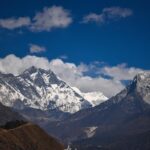
Annapurna Base Camp (often called the Annapurna sanctuary trek) is one of Nepal’s classic walking routes because it doesn’t focus on one single thing. Yes, you’re chasing big Himalayan views—but you get there through Gurung settlements, rhododendron forests, and deep sub-tropical valleys. That matters. If all you cared about was reaching a point, you might find the walking days less satisfying. Here, the trail keeps feeding you variety.
I also like that the route is designed for people who enjoy flora and fauna as much as they enjoy photos. You’ll be moving through forests and valleys where small details are part of the experience, not just scenery backdrops.
The practical takeaway: this is a trek for travelers who want a full “journey feel”—not a rush to a viewpoint.
You can also read our reviews of more tours and experiences in Kathmandu.
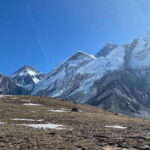
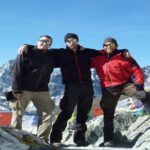
Value check: what the $1,250 package covers (and what you still pay on the ground)
At $1,250 per person for roughly 11 days, this trek can feel like a bargain or a splurge depending on how you compare. The good news is that your cost isn’t just a bed and a guide. It includes a lot of the hidden stuff that normally adds up on treks: Kathmandu hotel breakfasts, Pokhara hotel breakfast, welcome and farewell Nepali culture dinners, lodging during the trek, and most meals (breakfast, lunch, dinner) along the way.
You also get trekking essentials bundled in: a warm down jacket, a sleeping bag, walking poles after the trek (returned to the company), and a waterproof trekking duffel bag plus a T-shirt.
So where does the money still go that you should plan for?
- Not included: cold drinks, mineral water, hot shower access, battery charging, phone calls, laundry, and bar bills during the trek.
- Not included: tips for guide and porters.
- Not included: mountain high altitude sickness insurance.
If you want to keep spending under control, budget for the daily “extras” (water and drinks) and don’t wait until the end to figure out tip amounts. The basic trail days can be very busy on your senses, and it’s easy to forget those costs until your wallet feels it.
Day-by-day: what each trekking day feels like in real time
This trek is structured so you acclimatize gradually while still getting classic Annapurna scenery in the early stretch.
Day 1: Kathmandu arrival, hotel, briefing, and a slow start
You land at Tribhuvan International Airport, get welcomed, and head to your Kathmandu hotel. The day ends with a briefing for your Annapurna Base Camp trek plus free and easy time.
What to do with the leftover hours: keep it light. You’re not just traveling—you’re also preparing for hiking days where small mistakes (like too little sleep) get loud fast.
Day 2: Fly to Pokhara, then drive to Ghandruk and Gurung culture
Day 2 is a mix of transit and scenic settling in. You fly Kathmandu to Pokhara (about 25 minutes), then drive to Ghandruk Village and explore Gurung culture and one of the area’s best-known Gurung villages.
This is also your early view day: Ghandruk puts you in front of major peaks like Mt. Fishtail, Annapurna South, Himchuli, and more.
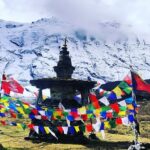
Why this stop matters: it gives your trek context. You’re walking through communities with history and traditions, not just passing through dots on a map.
Day 3: Ghandruk to Chhomrong Village via Koth Danda and Gurjung Khola
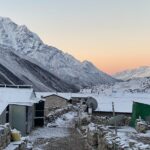
Today you start trekking from Ghandruk toward Koth Danda and Gurjung Khola. The trail climbs gradually, then drops down to Gurjung Khola, and later you climb again to reach Chhomrong Village.
This day is a good “wake up” for your legs. If your fitness is moderate, the pacing here is realistic because the route keeps you moving while still offering recovery moments between climbs and descents.
Day 4: Chhomrong Khola steps, upper Sinuwa, and bamboo-river rhythm
Day 4 is where you feel the classic lower-Annapurna toughness. You walk down more than 3,000 steps to Chhomrong Khola, then do steep climbing to upper Sinuwa. After that, you trek through oat and bamboo forest, with river crossings along the way.
This is also a day where clothing layers help. Bamboo forest days often feel cooler and dampier, while exposed sections can swing the temperature fast.
Day 5: Higher altitude hiking pace, forests, and big peak moments
Today includes longer climbs to higher altitude. The itinerary advice is very clear: go slowly, drink warm water, and keep your body warm.
The walking route takes you through forests and river views, and it even offers moments where you’re effectively hiking with Mount Fishtail and other mountains in your field of view.
If you’re prone to rushing when you feel okay early, don’t. At higher elevations, steady pace beats hero mode.
Day 6: Annapurna range day with a lodge sunset if weather cooperates
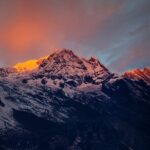
Day 6 is about enjoying the Annapurna range, blue sky, and slow walking with nature around you. If the weather is clear, you get an amazing lodge sunset.
This is the kind of day that makes the trek feel like yours, not just a schedule. You can linger, take photos, and breathe without feeling behind.
Day 7: Sunrise over the Annapurnas, breakfast, then back toward Dovan or Bamboo
Early morning is the star. You catch sunrise over the Annapurna range, enjoy the Himalayas, eat breakfast, and then trek back toward Dovan or Bamboo.
This is one of the best reasons to do the trek: sunrise light changes everything. The mountains look different, too—less like a postcard and more like something solid and real.
Day 8: Forest trail life, another 3,000-steps climb feeling, and optional hot springs
Day 8 pushes your stamina again with forest walking and local life. Then comes that familiar sting: another climb that can mean around 3,000 steps again, followed by a descent.
If you want a recovery break, you can walk around 20 minutes down from your lodge to hot spring water. It’s an optional add-on, but it’s exactly the kind of thing that turns “hard day” into “good memory.”
Day 9: Long suspension bridge, then back to Pokhara for valley time
After breakfast, you cross a very long and very high suspension bridge. Then you get a 3-hour drive to Pokhara, check into your hotel, eat lunch, and have time to explore the Pokhara valley.
This day is a nice counterbalance: you get a serious trekking moment, then you switch to town pace. It’s the point where you start feeling like the trek is actually ending.
Day 10: Fly back to Kathmandu, hotel transfer, and farewell Nepali dinner
You fly Pokhara to Kathmandu (about 25 minutes), get transferred to your hotel, and enjoy a farewell dinner with Nepali culture.
This is the night for swapping trek stories and realizing how quickly your body adapted to the hiking rhythm.
Day 11: Depart, shopping, and a last look at Nepal’s pace
Your final day is last-minute shopping and then safe flight home.
It’s a good idea to pack lightly for the trek but leave room for small souvenirs. Your legs are done; your bag isn’t.
The trekking rhythm: why the steps and pacing are part of the experience
This trek isn’t a gentle stroll, and that’s not a criticism. It’s the point. You get big views, yes, but you also get the body-to-mountain connection that classic treks are famous for.
You’ll have days with steep climbs and serious step counts (including the more than 3,000 steps down to Chhomrong Khola, and another 3,000-step climb feeling later). You’ll also hike through forests, deal with river crossings, and manage altitude through slow pacing.
That’s why your guide’s role matters. A good guide doesn’t just lead. They set a realistic pace, watch how people are doing, and keep you moving in a way that matches your fitness.
Lodges, meals, and comfort: what you should expect between big views
On paper, “comfortable lodges” sounds like marketing. In real life, it usually means you’re trading luxury for warmth and basic comfort—plus meals that keep you fueled.
Your package includes breakfast, lunch, dinner, tea/coffee, and lodging throughout the trekking days. That takes one big worry off your plate: you won’t be searching for food options every day.
Cold drinks are not included, and hot showers also aren’t included. Battery charging and laundry are also extra. So if you want to stay connected or clean up more than the basics, plan to pay.
The good part: you’re given gear for colder nights (warm down jacket and sleeping bag). That’s a real comfort upgrade if you don’t already own strong cold-weather trekking items.
Gear that’s included vs gear you should bring yourself
The tour provides some major cold-weather tools, but you still need your own backpack and personal items.
Included trekking gear (big help)
- Warm down jacket
- Sleeping bag
- Walking pole (provided after trek return to the company)
- Waterproof trekking duffel bag and a T-shirt
- Medical kit bag during the trek
- Rain/wind-focused outerwear is recommended, and you’re told to bring a windproof jacket and a warm down-filled jacket if you’re cold-sensitive
What you should pack from the advice given
- Gloves, hat or cap, sun glasses, sunscreen, lip balm
- Lightweight trekking shoes and warm wool or thermal socks
- Thermal undergarments for nights if you run cold
- Flashlight and spare batteries
- Comfortable pants (men) or loose skirts (women), plus layers so you can adjust to weather changes
Small tip that saves pain: bring socks you trust. Your feet will be your most honest teammate on every step day.
Safety and altitude: what the package supports, and what it does not
You’ll trek through increasing elevation, and the guidance in the itinerary is clear: walk slowly, drink warm water, keep warm.
The package also includes:
- Trekking permit and TIMS cards
- Insurances for the guide and porter
- A medical kit bag during the trek
But one key item is not included:
- Mountain high altitude sickness insurance
So I’d treat altitude coverage as something you should check and arrange separately if you don’t already have it through your broader travel insurance.
Also remember: the trek is described as a moderate physical fitness level requirement. That’s your signal to prepare, not to wing it.
Who should book this Annapurna Base Camp trek
This trek is a strong fit if you want:
- Classic Annapurna scenery with cultural stops like Ghandruk
- Sunrise views and a meaningful base-camp night
- A guided experience with organized meals, lodging, and permits
- A small group size (max 15) so things stay manageable
It’s likely not for you if you want flat trails, frequent free time with no hiking responsibility, or a very luxury-focused comfort level.
Should you book Alliance Adventure’s Annapurna Base Camp trek?
I think you should book if your priority is a classic, well-run Annapurna itinerary with the hard logistics handled—especially the fact that meals during trekking days and key cold-weather gear are included. The itinerary also feels balanced: cultural start in Ghandruk, forest-and-valley days, a real bridge moment, and a planned return through Pokhara.
I’d be cautious if you’re counting on hot showers, included bottled water, or battery charging to be included. Those costs add up fast on mountain time. And if altitude risk matters to you, confirm your altitude sickness coverage, since it’s not included in the package.
If you want a trek that mixes human places (Gurung villages), nature (forests), and the classic Himalayan reward of sunrise, this one makes sense.
FAQ
How long is the Annapurna Base Camp trek with this package?
The trek is listed as about 11 days.
Where does the trip start and when?
It starts in Kathmandu, and the meeting start time is 7:00 am.
What’s included in the price?
You get airport arrival-to-departure transportation, 2 nights in Kathmandu with breakfast, 1 night in Pokhara with breakfast, welcome and farewell Nepali culture dinners, trekking lodging and meals (breakfast, lunch, dinner, tea/coffee) during the trek, trekking permits and TIMS cards, and provided cold-weather gear like a warm down jacket and sleeping bag. You also get guide and porter support plus a medical kit bag during the trek.
What is not included during the trek?
Cold drinks, mineral water, hot shower access, battery charging, phone calls, laundry, and bar bills are not included. Tips for the guide and potters are also not included.
Are altitude sickness-related insurance costs included?
No. Mountain high altitude sickness insurance is listed as not included.
Do you have hotels in Kathmandu and Pokhara?
Yes. There are 2 nights in Kathmandu with breakfast and 1 night in Pokhara with breakfast.
Is there a limit on group size?
Yes. The tour has a maximum of 15 travelers.
Is the trek refundable if I cancel?
No. This experience is non-refundable and cannot be changed for any reason.