REVIEW · HO CHI MINH CITY
UNESCO Listed Can Gio Mangrove and Monkey Island trek
Book on Viator →Operated by MayXanh Holidays · Bookable on Viator
Saigon’s mangrove escape comes with monkeys. This UNESCO-listed wetland sits about 40 km southeast of the city, where you’ll canoe through mangroves, cross by ferry, and spend time on Monkey Island.
I really like the mix of wildlife + local life. You get that calm, green feeling from the canoe ride, then you swing into everyday Vietnam at the seafood market and a simple beachside meal. I also like that the day isn’t random—there’s an English-speaking guide to connect what you’re seeing to the area’s stories, including the island’s resistance-era history.
One heads-up: on Monkey Island, you’ll want to watch your belongings. Long-tailed macaques can get curious, so keep bags closed and food secure, especially around photo time. Monkey Island is fun, but don’t treat it like a museum display.
In This Review
- Quick Highlights You’ll Actually Feel
- Why Can Gio Feels Like a Different World From District 1
- Morning Start: The Car Ride and the Ferry That Resets Your Mind
- Stop at Bình Khánh: A Quick Change From City Streets to Wetland Edges
- Hang Duong Market: Seafood on Display and Local Life in Motion
- The Can Gio Resort Lunch: Included Seafood That Beats Expectation
- Entering Monkey Island: Macaques, Behavior, and a Lesson in Respect
- Canoe Ride Through the Mangroves: Quiet Water, Real Habitat
- The Return Ferry: Wrapping Up With Scenery Instead of Stress
- Price and Logistics: Is $43 Good Value for This Much Included?
- Who This Tour Suits Best (And Who Might Want Something Else)
- Practical Tips for Monkey Island and Mangrove Comfort
- Should You Book This Can Gio Mangrove and Monkey Island Trek?
- FAQ
- What time does the Can Gio Mangrove and Monkey Island trek start?
- How long is the tour?
- What’s included in the price?
- Is pickup available?
- What will I do on Monkey Island?
- What is the cancellation policy?
Quick Highlights You’ll Actually Feel
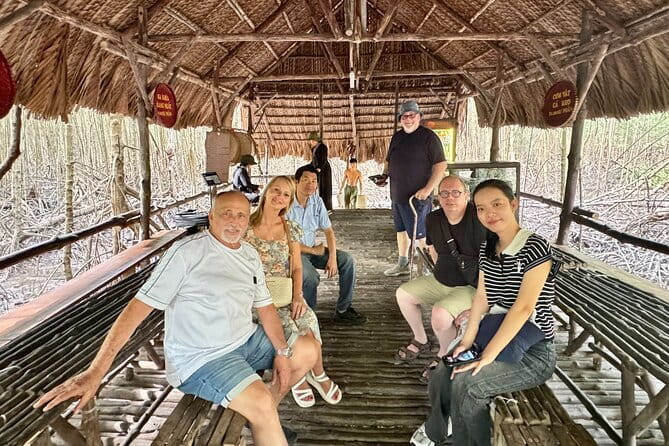
- UNESCO-listed Can Gio Biosphere Reserve: a real ecosystem change from city noise to mangrove quiet.
- Canoe ride through the mangroves: slow travel that puts you close to birds and wildlife habitat.
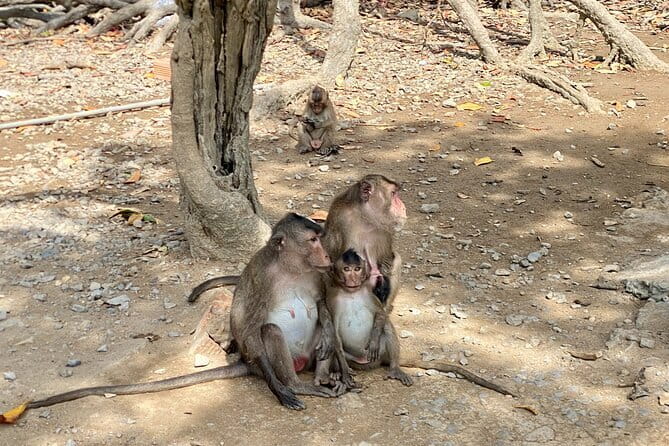
- Monkey Island time with long-tailed macaques: lots of chances to see behavior up close.
- Ferry crossings on the Soai Rap River: part transport, part scenery reset.
- Seafood market + lunch included: you eat what the region is known for, without extra planning.
- Small group cap (max 30): enough structure to stay smooth, not so large it feels chaotic.
Why Can Gio Feels Like a Different World From District 1
This is the kind of day trip that works because it’s short on paper but big in feeling. You start in Ho Chi Minh City (District 1) at 8:15 am, then travel roughly 40 km southeast to Can Gio. By the time you’re rolling through the mangrove region, the air and sound change fast—less traffic, more birds, more insects, more “nature doing nature” rather than sightseeing queues.
The timing matters. Because it’s an 8 to 9 hour trek, the operator keeps the day structured: a clear start, transfers, and set stops. You’re not trying to run around town all day on your own. That structure is a big part of the value for the price, especially if you only have a day and want something real.
Also, this tour is built for English-speaking travelers: it includes a professional English-speaking guide and a set route with ferry and vehicle transport. If you’ve been in Vietnam long enough to know that not every excursion explains what you’re looking at, this one tries to close that gap.
You can also read our reviews of more tours and experiences in Ho Chi Minh City.
Morning Start: The Car Ride and the Ferry That Resets Your Mind
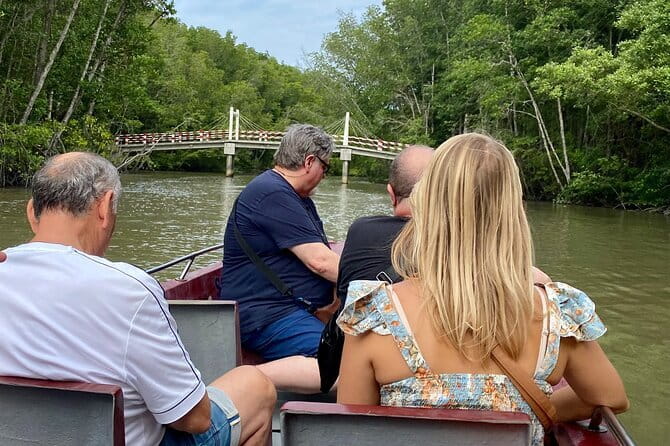
Your first stretch is an air-conditioned vehicle out of the city. It’s not just travel—it’s your transition scene. As you leave the urban area and move toward Can Gio, the surroundings shift from streets and buildings to mangrove and waterways.
Then comes the ferry segment: you cross by Bình Khánh Ferry over the Soai Rap River, separating Can Gio from the mainland. This stop is listed at about 30 minutes, and it’s one of the most relaxing parts of the day because it breaks your momentum. You get to sit, look out, and feel how the coastline and wetlands define daily life there.
Practical tip: on ferry days, I like having a light layer with me. It can feel cool near the water even when the city is warm. The tour includes the transport and tickets, so you can just focus on enjoying the view rather than figuring anything out.
Stop at Bình Khánh: A Quick Change From City Streets to Wetland Edges
The ferry ride is more than a photo moment. It’s the first real clue that this reserve is not a theme park. The wetland ecosystem is connected to water flow, tides, and coastal geography—so you’re seeing the shape of the place before you even start the heavier wildlife time.
You’ll also notice how the route sets expectations. Can Gio is known for wildlife, including monkeys and crocodiles, and the area’s UNESCO listing is for protection and ecosystem health. The tour doesn’t hide that it’s a natural habitat day; it just keeps the schedule manageable with transfers and a guide.
If you’re the type who gets impatient waiting around, you’ll probably like this part. It’s brief and purposeful, and it keeps the day moving without rushing you through everything.
Hang Duong Market: Seafood on Display and Local Life in Motion
After the ferry, the tour shifts to food and local culture at Hang Duong Market. It’s about 45 minutes, and it’s centered on seafood—fish, shrimp, crabs, and shellfish from local fishermen.
This is one of those stops that helps you “read” the rest of the day. When you later eat lunch in Can Gio, you’re not just eating because it’s included. You’re eating what you just saw for sale, and that makes it feel more connected to place.
Also, this stop is your culture contrast point. Mangrove wetlands are one side of southern Vietnam; the coast and fishing life are the other. Seeing both in one day makes Can Gio feel like a living region, not just a single attraction.
One small drawback to consider: it’s a market environment. If you’re sensitive to smells or tight walking areas, you might prefer to keep your pace steady and avoid lingering too long in crowded spots. But if you like street-level Vietnam, this stop is a strong add-on.
The Can Gio Resort Lunch: Included Seafood That Beats Expectation
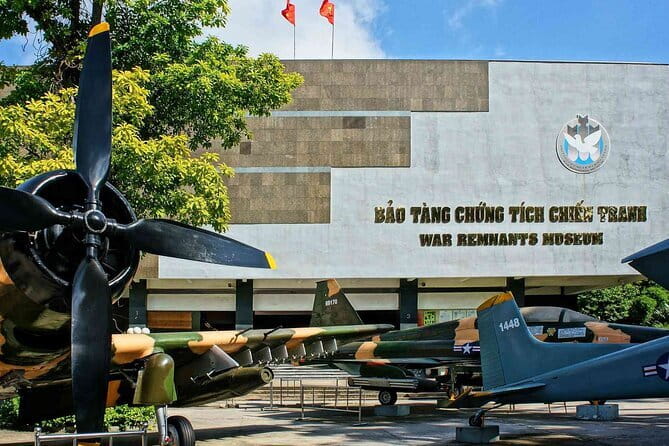
From the market, the tour continues to a Can Gio Resort area for a meal near the beach. This is where you’ll get your lunch—fresh fish, prawns, and local Vietnamese dishes—and it’s listed as 1 hour 45 minutes.
What I like here is that lunch isn’t treated like a side quest. It’s scheduled as a real break after the morning transport and market walking. And since lunch is included, you don’t have to solve the “what do I eat, how much is it, and is it safe?” problem while you’re on the go.
There’s also an optional window for you to relax—possibly a quick swim at Can Gio Beach is mentioned as optional. Even if you don’t swim, that extra time can help you reset before the wildlife portion of the day.
If you’re photographing, this is also a nice moment to think about timing. Light near the coast can change fast, and you’ll likely want clear heads for Monkey Island and the mangrove canoe ride later.
Entering Monkey Island: Macaques, Behavior, and a Lesson in Respect
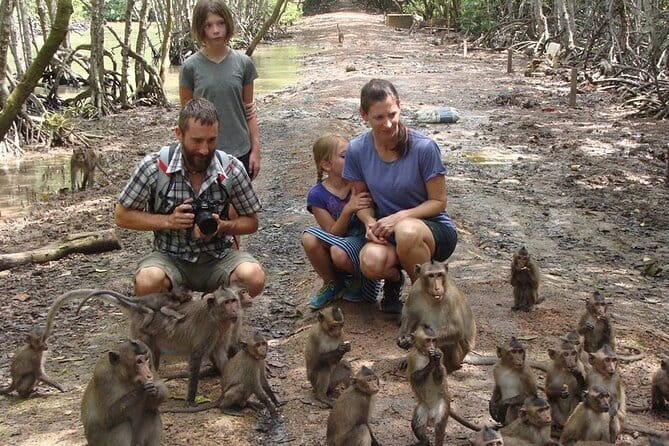
This is the highlight block: about 3 hours at Monkey Island, where you’ll encounter over 1,000 long-tailed macaques. That number alone tells you what kind of experience this is—active animals, lots of movement, and plenty of attention from curious monkeys.
The big practical point is simple: don’t let your guard down. The tour notes that you should be cautious with belongings, because monkeys may approach snacks and items. I’d treat the area like a place where animals are the main characters, and you’re simply a visitor in their space.
What I also like is the guide angle. The day isn’t just about seeing monkeys; it includes context. Reviews mention a resistance-era history element connected to the island, and a guide explanation can make the visit feel more grounded. Instead of only “cute monkey photos,” you get a clearer sense of why the island and the surrounding wetlands matter.
A helpful approach for you:
- Keep food secured.
- Keep bags closed.
- Be ready for monkeys to come closer than you expect.
- Enjoy the behavior, not the chaos.
If you’re traveling with kids, it’s a good reality-check experience: wildlife is real, it has habits, and you follow the rules to keep everyone safe.
Canoe Ride Through the Mangroves: Quiet Water, Real Habitat
The day includes a canoe ride through the mangrove forest. It’s listed as included, and based on the tone of the experience, it’s meant to slow you down. Mangroves aren’t just green scenery—they’re wetland habitat with tangled roots, birds overhead, and wildlife living on the edges of water and land.
One of the best values here is that the canoe ride is included and it’s not treated like a short, empty “look at the water” transfer. It’s an activity, and it adds something that a bus stop never can: you experience the ecosystem from inside it.
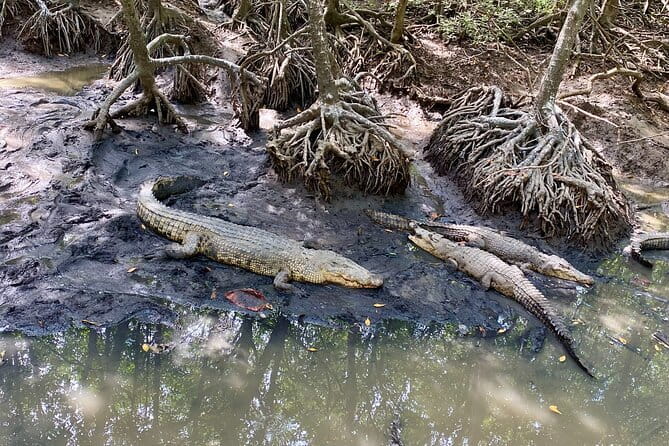
In the mangroves, you may see wildlife such as monkeys and crocodiles. The overview mentions crocodiles, and reviews specifically mention seeing crocodiles in their habitat. That doesn’t mean you’ll spot one for sure every trip, but the chance is part of why this reserve is famous.
What you should bring mindset-wise: stay calm and let the silence do its job. In places like this, your best photos usually come when you stop trying to force the action. A guide also helps here by pointing out what matters and keeping the group moving at the pace wildlife allows.
The Return Ferry: Wrapping Up With Scenery Instead of Stress
After Monkey Island, you head back via Bình Khánh Ferry again. It’s listed as about 30 minutes, and this time the ride feels like a decompression period. You’re leaving the wetland behind, heading toward the city, and the water view can feel like a proper exhale after the monkeys and walking time.
The tour ends back at the meeting point in District 1. So the day closes where it started, with no “and now you figure it out” moment.
If you hate late-day uncertainty, that matters. An 8–9 hour day is already long enough without adding extra transport planning on your own.
Price and Logistics: Is $43 Good Value for This Much Included?
At $43 per person, this is priced in a way that makes sense for what’s included—especially for a day trip that uses both land transport and ferry, includes entrance fees, and doesn’t make you pay extra for the main activities.
Here’s the practical value breakdown:
- Transportation: air-conditioned car/minivan plus ferry tickets.
- Guide: English-speaking guide included.
- Entrances and fees: entrance fees and all taxes/fees are included.
- Main experiences: canoe ride included.
- Food: lunch included.
What’s not included is noted clearly: other meals not mentioned, tips and personal expenses, and alcoholic beverages. That’s normal. But the key question for you is whether the essentials are handled. In this case, they are.
Also, the group size cap is maximum 30 travelers. For a tour that includes a wildlife area and a market stop, that size helps keep the day orderly without feeling like you’re in a crowd of strangers trying to squeeze around animals.
One more small perk: there’s mention of pickup offered, group discounts, and mobile ticket. You’ll probably appreciate that if you want a smooth start without printing documents.
Who This Tour Suits Best (And Who Might Want Something Else)
This trek fits you if you want a single-day nature experience that doesn’t cut corners:
- You like wildlife encounters with proper context from a guide.
- You enjoy local food experiences like a market and a seafood lunch.
- You want a low-stress plan with transport, tickets, and major activities handled.
It’s also a good match if you need a break from the city. One review described it as a “short ride from Saigon” with birds, trees, and fresh air—exactly the kind of escape you’re paying for.
It might be less ideal if:
- You hate animal interaction rules and prefer strictly controlled, museum-style experiences.
- You don’t want to spend most of the day on your feet in a humid outdoor setting.
- You’re expecting a long walking hike labeled as trekking. This is more of a guided reserve day with canoe time, Monkey Island time, and transfers.
Practical Tips for Monkey Island and Mangrove Comfort
You’ll enjoy the day more if you plan for three things: heat, water, and curious animals.
1) Bring secure storage
Monkey Island is the main “watch your stuff” zone. Keep bags closed, avoid loose snacks in open pockets, and don’t hang accessories where animals can grab.
2) Wear shoes you can walk in
You’ll move through a market and then spend time at wildlife areas. Choose comfortable, grippy shoes. If you’re thinking sandals, make sure they’re stable.
3) Pack light but smart
You’ll be outdoors for hours. Water and basic sun protection are sensible, even though the tour package details don’t list specific supplies. If you get sweaty fast, bring a small towel or extra shirt.
4) Listen to your guide
Guide explanations make the experience better—especially for the wildlife and the island’s resistance-era context. In one review, Wing was praised by name for explaining details in depth, which is exactly the benefit you’re looking for.
5) Have a photo plan
Monkey Island is packed with photo opportunities, but photos should come after safety and respect. Keep your camera ready, but don’t bait the animals with food.
Should You Book This Can Gio Mangrove and Monkey Island Trek?
I’d recommend booking if you want an efficient day that hits three goals at once: protected nature, memorable wildlife encounters, and real local food—without making you piece the logistics together.
Book it if you’re traveling on a schedule and want value at $43, with lunch, canoeing, guides, entrances, and ferry transport handled. The max group size and the structured stops help the day feel organized, not rushed.
Before you book, just be honest about Monkey Island. If you want guaranteed calm and zero animal contact, this isn’t that kind of experience. If you can handle curiosity from long-tailed macaques and you want to see the mangrove ecosystem up close, you’ll probably find this is one of the most worthwhile days you can take from Ho Chi Minh City.
FAQ
What time does the Can Gio Mangrove and Monkey Island trek start?
The tour starts at 8:15 am and begins in District 1, Ho Chi Minh City, Vietnam.
How long is the tour?
It runs for about 8 to 9 hours.
What’s included in the price?
The price includes an English-speaking guide, air-conditioned transportation and ferry tickets, entrance fees, canoe ride, and lunch.
Is pickup available?
Pickup is offered. The start location is District 1, and the tour ends back at the meeting point.
What will I do on Monkey Island?
You’ll visit Monkey Island, where you can see long-tailed macaques (over 1,000 are mentioned) and spend about 3 hours there. The tour notes you should be careful with your belongings because monkeys may approach.
What is the cancellation policy?
You can cancel for a full refund up to 24 hours before the experience start time. If you cancel less than 24 hours before, the payment is not refunded.