REVIEW · KATHMANDU
Khopra Ridge Trek
Book on Viator →Operated by Top of The World Treks Pvt.Ltd · Bookable on Viator
Khopra Ridge feels like a secret Annapurna detour. I love the less-developed, home-stay vibe and the wide ridge panoramas over Annapurna and Dhaulagiri. The trade-off is that you’re signing up for basic lodge life, not hotel comforts.
I also like the human touch built into the trip—your guide team (often Biru and Bhoj) handles the route well and keeps things flexible when you need pauses or extra explanation. With a private group and pickup into Thamel, you can focus on walking, not chasing logistics.
One consideration: this is still an altitude trek. You’ll sleep at high points like Kopra Ridge (3870m) and hike up toward Khayer Lake (4827m), so you’ll want a realistic pace and good trekking habits.
In This Review
- Key highlights worth your attention
- The big idea: why Khopra Ridge works when you want Annapurna without the crowds
- Kathmandu warm-up: Thamel first, then Swayambhunath views over the valley
- Flying to Pokhara, then easing into trekking via Nayapul and Ghandruk
- Tadapani to sunrise-ready ridgelines: rhododendron forests and Annapurna range payoffs
- The quieter days: leaving the sanctuary trail and reaching Dobato (3400m)
- Mulde view point and wildlife country: the route toward Upper Chistibung and Deurali
- Kopra Ridge (3870m): the payoff day with Annapurna South close by
- Khayer Lake (4827m): a high side hike that tests stamina but gives meaning
- Paudwar descent: steep sections, buffalo pastures, and oak-rhododendron forest
- Tatopani hot springs: the reset day at 1190m
- Pokhara travel day, then a cultural day on the lake
- Back to Kathmandu: Durbar Square time and a final free day
- Lodges, home-stays, and what that means for your comfort level
- Value for your money: what the $1,461.49 gets you (and what it doesn’t)
- Who should book Khopra Ridge, and who should rethink it
- Should you book this Khopra Ridge trek?
- FAQ
- Where does the trek start?
- How long is the Khopra Ridge trek?
- Is this a private tour?
- Is pickup offered?
- What level of fitness do I need?
- What are the accommodations like on the trek?
- What happens after Tatopani?
- Do meals cost extra?
- What sightseeing is included outside the trek?
- Is cancellation free?
- Do I need to bring specific entry tickets?
Key highlights worth your attention
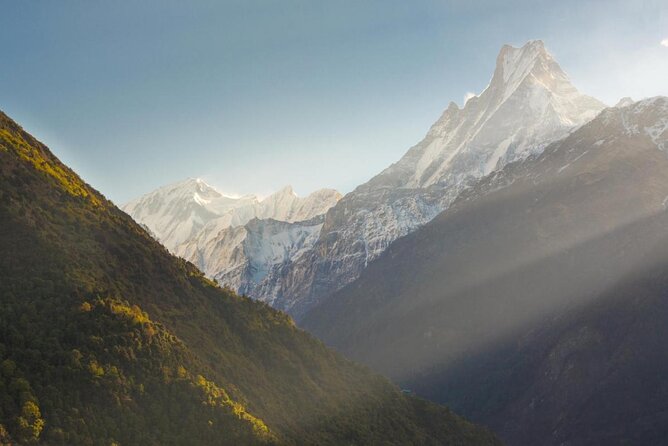
- Khopra Ridge sunrise energy with Annapurna South close enough to feel personal
- Khayer Lake + temple at 4827m for a tough-yet-rewarding side hike
- A quieter route in the Annapurna region, with rhododendron forests and local buffalo pastures
- Tatopani hot springs to reset after descending into the hills
- Pokhara downtime on Fewa Lake, plus the World Peace Stupa view
- All-meals-on-trek value, which matters on multi-day hikes
The big idea: why Khopra Ridge works when you want Annapurna without the crowds
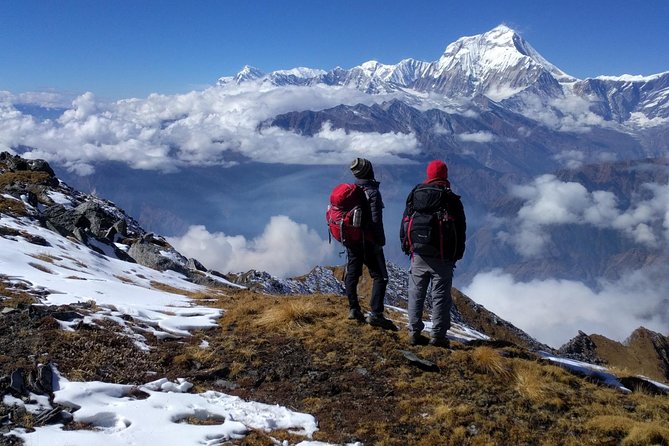
Khopra Ridge sits in the Annapurna region, but it doesn’t feel like the most over-trodden base-camp approach. Instead, you’re moving through smaller villages, simpler home-stay style places, and forested trails that still feel like local Nepal—especially when you’re higher up and the air thins out your phone signal.
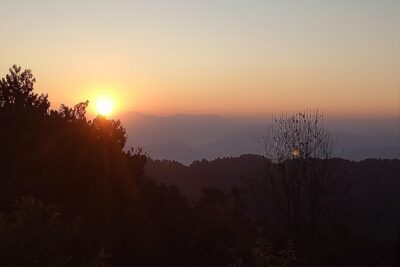
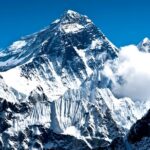
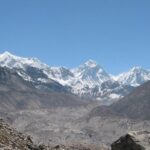
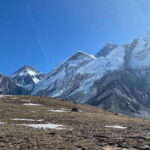
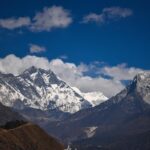
The payoff is in the mornings and at the ridgeline. From the top area around Khopra Ridge, you’re in position for dramatic views across Annapurna and Dhaulagiri, and the route rewards you with repeated sight moments rather than one single postcard stop.
The style here is also practical. You start with Kathmandu temple time, then shift into trekking, then finish with Pokhara lake sightseeing and a last day back in Kathmandu. If you want variety without rushing every day, this pattern fits well.
You can also read our reviews of more tours and experiences in Kathmandu.
Kathmandu warm-up: Thamel first, then Swayambhunath views over the valley
You land in Kathmandu and get met by the Top of the World Treks team, then transfer by bus for about 45 minutes into Thamel. After checking in, you’ll have time for a shower, a cup of tea, and dinner—plus an early night so you can handle Day 2 well.
Day 2 is a smart mix: Swayambhunath, the old Buddhist stupa and monastery complex, plus time to get trek-ready. It’s one of those places where you get a quick orientation over the valleys, you’ll likely see monkeys, and you’ll get a feel for how Buddhism is woven into daily life in Nepal.
Two things I’d personally treat as must-dos in this Kathmandu block:
- Go for the early visibility at Swayambhunath, since the lighting and crowd flow are easier.
- Use the afternoon for practical shopping and kit checks in Thamel—ropey straps, missing gloves, and underpacked rain protection have a way of showing up at altitude.
Flying to Pokhara, then easing into trekking via Nayapul and Ghandruk
On Day 3, you fly from Kathmandu to Pokhara (about 45 minutes), then drive to Nayapul to start trekking. Your first walking day takes you to Ghandruk, a village at 1940m, and this is where Nepal starts to feel real fast. You’ll see Gurung culture in the village rhythm, and you’ll catch major mountain views—including Annapurna South, Himchuli, Machhapuchhre, and Annapurna III (as listed on your route).
This day is an intentional ramp-up. Five hours of walking can still feel like a lot after travel, but the goal is to settle your legs rather than punish them. You also get an early lesson in how quickly the air and light change as you gain height.
If you’re new to trekking, this is a good day to practice your system: water early, snack on schedule, and don’t wait until you feel awful to slow down.
Tadapani to sunrise-ready ridgelines: rhododendron forests and Annapurna range payoffs
Day 4 brings an ascent through rhododendron forest. This is the kind of trail that’s not just scenic—it’s steady, shaded, and full of little breaks in the view as you climb. The route also passes wildlife and bird life, so the forest walk can feel like a moving nature loop rather than a single-file grind.
You’ll arrive in Tadapani (2300m) for the kind of sunset and sunrise setup you dream about on ridge treks. Your listed views include Annapurna II, III, IV, Annapurna South, Machhapuchhre, and Lamjung Himal. Even if you don’t see all peaks clearly every day (weather happens), the broader range impression is what matters.
One drawback to keep in mind: the forest section can be damp. Pack like it will rain—because in this region, it often does, or it has recently.
The quieter days: leaving the sanctuary trail and reaching Dobato (3400m)
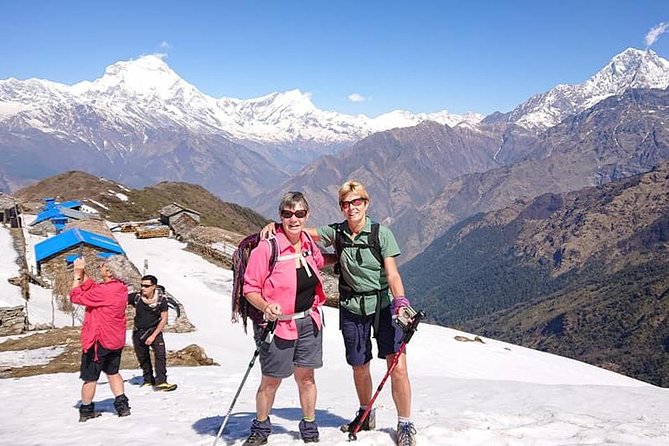
Day 5 is where the trek starts to feel more like a route choice than a mainstream highlight. You leave the sanctuary trail and move onto a less travelled path through thick rhododendron forest, then out toward water buffalo pastures. This is the shift from “tour route” vibes to “local trails in use” vibes.
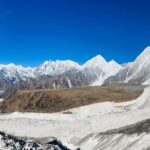
After a gradual uphill, you emerge above the tree line and get strong views of the Annapurna range. You’ll stop for lunch at Dobato (3400m), where the altitude starts pressing a little harder on breathing.
This day is also where your trekking pace matters most. You’ll feel the climb in your legs, but going too fast will hit you in the head a few hours later. Steady wins here.
Mulde view point and wildlife country: the route toward Upper Chistibung and Deurali
Day 6 includes a morning climb to Mulde view point, designed for panoramic views across the Annapurna and Dhaulagiri ranges. This kind of stop is valuable because it doesn’t require full summit energy, yet it gives you the “big wall of peaks” effect.
Then you head back down for breakfast and keep moving to Upper Chistibung (3000m). The walk takes you through forest and pastures until Deurali/Lower Chistibung, including a suspension bridge crossing. After that, you continue with a gradual ascent through the woods.
What I like about this sequence is how it keeps the day varied. View point, breakfast descent, then a bridge plus forest ascent—your day doesn’t feel like one long monotone effort.
Kopra Ridge (3870m): the payoff day with Annapurna South close by
Day 7 is shorter on paper—about 3 hours—but it’s a big deal in altitude and viewpoint value. You climb above the tree line, where your route description points to wildlife chances like mountain thar and danfe pheasant (the exact sighting odds are never guaranteed, but this gives you an idea of the habitat).
When you reach Kopra Ridge (3870m), the listed views are the headline: Annapurna South about 6km away, plus Fang and Nilgiri to the north, and Dhaulagiri to the west.
This is the day you want to handle gently. Even when it feels close, altitude can still steal energy fast. Take your breaks, savor the views, and don’t rush your camera setup.
Khayer Lake (4827m): a high side hike that tests stamina but gives meaning
Day 8 is your second night at Khopra, used for exploring. You hike up to Khayer Lake and temple (4827m). Expect it to be a long walk—your route description calls it a “quite a long walk”—and it’s not just the distance; it’s the height.
But the reward is exactly what you hope for at this stage: views that change with every turn and that special feeling of being among high-country locals and pilgrims (temple included) rather than just passing through.
If you want to get the most out of this hike, keep your goal simple: finish with strength, not suffering. Slow steps are the secret sauce.
Paudwar descent: steep sections, buffalo pastures, and oak-rhododendron forest
Day 9 shifts gears with a descent along open ground and buffalo pastures first, then into thick oak and rhododendron forest. You’ll move toward the village of Paudwar for the night.
Your description notes steep sections early. That’s the main consideration here: descending can be harder than ascending on your knees and shins. Trek poles can help a lot, and so can choosing a careful foot placement routine rather than speeding to “get it over with.”
Tatopani hot springs: the reset day at 1190m
Day 10 takes you down through fields to a small river and a suspension bridge, then onward to Hillkharka and finally down to Tatopani (1190m). This is where the route becomes a little more human and relaxing.
The highlight is the hot spring at Tatopani. After multiple high days, soaking your legs is one of those underrated travel joys. You’ll likely sleep better and walk easier on the next travel day.
If your muscles feel tight, prioritize warm rest here. Treat it like recovery, not a casual dip.
Pokhara travel day, then a cultural day on the lake
Day 11 includes a no-trek stretch. You’ll take a local bus from Tatopani to Beni, then a taxi to Pokhara. It’s about getting you back into a real city rhythm.
Day 12 is where Pokhara shines: you spend time together by boat across the lake (Fewa Lake), then walk up to the World Peace Stupa for mountain and city views. You can also add the Mountaineering Museum if the group wants to.
This is a smart pacing choice. It breaks trekking with something gentle and city-friendly, and the stupa viewpoint gives you a final “mountain drama” moment without heavy altitude.
Back to Kathmandu: Durbar Square time and a final free day
Day 13 starts early with the drive back toward Kathmandu, then you check in and get the rest of the day free. Day 14 continues with Kathmandu Durbar Square, an iconic site that’s a strong finale after your trekking circuit.
This ending matters. You’ll have a lot of peak images in your head, but Durbar Square shifts you into culture and stonework—something Nepal is famous for.
Lodges, home-stays, and what that means for your comfort level
One of the main reasons people choose this route is that it’s not overly polished. The lodges and tea houses are described as very basic and often more like home-stays. That’s not a downside if you’re after Nepal in everyday form.
Here’s how to plan your mindset:
- Expect simple rooms and simple meals during the trek.
- Use the “basic” level as part of the adventure, not a reason to compare with hotel travel.
- Bring what makes basic nights bearable—earplugs (thin walls), a warm layer for early mornings, and any personal toiletries you depend on.
The value angle helps. The tour states that the price includes all meals on trek, which reduces decision fatigue when you’re tired and hungry.
Value for your money: what the $1,461.49 gets you (and what it doesn’t)
At $1,461.49 per person for an approx. 14-day private trek, the value isn’t just the route—it’s what’s packaged around it. You get airport-to-trail support via pickup in Kathmandu, transport segments across the region, and the built-in trekking meal plan.
You also get multiple “anchors” beyond walking: Kathmandu temples before the trek, Pokhara lake time after, and a Kathmandu finish at Durbar Square. That gives your trip a full Nepal arc rather than a single-purpose hiking week.
What you should be ready for: some stops list admission as included or not included depending on the day, and the final breakdown will be on your trip documents. So budget a little breathing room for small extras that aren’t explicitly stated as included.
Who should book Khopra Ridge, and who should rethink it
This trip fits best if you:
- Want big Annapurna and Dhaulagiri views without focusing on the most crowded base-camp routes
- Prefer a trek that feels more local than glossy
- Are comfortable with moderate fitness and an altitude profile that includes 4000m+ sleep and a high day hike
- Appreciate strong guiding support—especially with a team like Biru and Bhoj, who are noted for care, flexibility, and keeping trekkers safe and informed
You might rethink it if you need five-star comfort every night or you dislike high-altitude days like Kopra Ridge and Khayer Lake. This is a mountain experience first.
Should you book this Khopra Ridge trek?
If you want a Nepal trek that mixes quiet trails, real village stays, and sunrise-driven peak views, I think you’ll like Khopra Ridge. The itinerary also gives you useful recovery time—Tatopani hot springs and Pokhara lake sightseeing—so you don’t feel like you’re walking nonstop until the finish line.
Book it if you can handle basic accommodations and you’ll respect the altitude. Skip it if you’re looking for polished comfort or you want a gentle, no-stress hike at lower elevations. For the right traveler, this one feels like a smart way to see the Annapurna region without losing the soul of Nepal.
FAQ
Where does the trek start?
The experience begins in Kathmandu, with pickup to the Thamel area. You’ll also visit Swayambhunath before trekking.
How long is the Khopra Ridge trek?
It’s listed as 14 days (approximately).
Is this a private tour?
Yes. It’s described as a private tour/activity, meaning only your group participates.
Is pickup offered?
Yes. Pickup is offered.
What level of fitness do I need?
The tour states that travelers should have moderate physical fitness.
What are the accommodations like on the trek?
The route is described as having very basic lodges and tea houses, often with a home-stay feel.
What happens after Tatopani?
After Tatopani, the itinerary includes travel to Pokhara via bus to Beni, then taxi.
Do meals cost extra?
The information provided says the price includes all meals on trek.
What sightseeing is included outside the trek?
In Kathmandu you’ll visit Swayambhunath and Kathmandu Durbar Square. In Pokhara you’ll do a boat ride on the lake, visit the World Peace Stupa, and you may add the Mountaineering Museum if the group wants.
Is cancellation free?
The policy says free cancellation is available. You can cancel up to 24 hours in advance for a full refund, and refunds may also be offered if it’s canceled due to poor weather or if the minimum traveler requirement isn’t met.
Do I need to bring specific entry tickets?
The itinerary notes that some parts include admission while others don’t. Your final trip information should clarify what’s covered versus what you’ll pay for on the day. Paper tickets are part of the setup.